How to revive a vegan leather bag that lost its shape in a suitcase
A week in transit can leave a vegan leather tote, backpack or crossbody bag with flattened panels, bent corners and straps that no longer sit flat. Compression is only part of the problem: heat inside a car or checked suitcase can soften the coating, while moisture can leave the lining damp and the shape uneven. The material matters, because vegan leather may be polyurethane, PVC or another bonded synthetic rather than one uniform fabric.
Reviving it calls for a controlled process rather than aggressive steaming or a soaking. Empty the bag, inspect the lining and finish, relax creases with the least heat the material tolerates, add light support, and let everything dry before using it again. A small hidden test area will tell you whether a method leaves a mark.
For Australian travellers, the climate and baggage rules deserve extra attention. Brisbane humidity, a hot Sydney afternoon and Melbourne’s changeable weather can affect drying, while checked luggage may pass through hot tarmac and cramped handling areas. If the bag is returning from overseas, remember that Australian Border Force requires goods to be declared; items worth A$1,000 or more can also attract GST and customs charges.
Why suitcase travel changes the shape
Vegan leather behaves differently from cotton canvas and often differently from genuine leather. A thin polyurethane skin can flex around a zip, crease sharply under a stack of books or become tacky when heat builds. PVC may hold a rounded shape better but still split at seams. Bonded alternatives can recover slowly because the backing fabric keeps the outer layer from moving freely.
The weak point may not be the broad panel. Handles twist, zip stops pull sideways, piping can curl and the base can bow. A bag that seems empty can still hold packing cubes, chargers or folded clothes in its base, so the first job is to remove every hidden object rather than simply undoing the main zip.
Australian conditions can magnify the damage. A tote filled with souvenirs from Melbourne’s Prahran Market may look fine at the market, then flatten under heavier holiday purchases in a suitcase. Direct sun at an airport or beside a sunny window can fade and brittle the finish, while summer humidity encourages mildew if a damp bag is packed away.
Empty and inspect before restoring
Open every pocket and compartment, including a false base, and shake out loose dust. Take out removable dividers, tissue and detachable shoulder pads. Check for grit along zips and corners, because those particles can scratch the coating when you press or heat it. Photograph the bag before reshaping; the images make new dents and colour changes easier to notice.
Next, inspect the finish under good light. Look for peeling, bubbles, white bloom, oily patches, faded areas or a musty smell. Stop and seek manufacturer advice if the surface is already peeling or the lining is mouldy. A clean shape cannot compensate for damaged material, and stretching either problem may make repair more expensive.
For ordinary cleaning supplies, an Australian chemist may be convenient for fragrance-free pads and a mild cleaner, but match any product to the maker’s care instructions. Specialist listings such as The Chemists Shop can help you verify ingredients and directions. If the label is missing, start dry rather than buying a stronger chemical.
Release folds with gentle controlled heat
Check whether the bag is labelled polyurethane, PVC or a coated fabric and follow its cleaning code. If the instructions are unclear, use the lowest-risk method: room-temperature reshaping, with no steam and no liquid. An unknown material is not worth testing with a hot iron, boiling water or a powerful steamer.
For a heat-tolerant synthetic, use a hair dryer on a cool-to-low setting, held about 20 centimetres from the bag. Move it continuously and work in short passes, touching the panel between passes. The goal is gentle relaxation, not a hot surface. Test an inconspicuous area first, and stop if the finish shines unevenly, bubbles, smells strongly or becomes sticky.
Steam can release a stubborn fold, but only when the manufacturer permits it. Hold a steamer above the bag without touching it, keep the section moving and use the minimum amount of vapour. Water droplets can leave rings or reach the adhesive. Dry the treated area fully before adding stuffing, and never use steam as a shortcut for a bag with a damp or mildewed lining.
Reshape the body and compare methods
Choose the gentlest option that suits the crease, then support the area while it cools. Rolled clean cotton, loosely rolled socks or acid-free tissue can rebuild a tote’s base; small foam rolls may support a backpack’s panel. Do not force corners or pack the cavity tightly, because excess pressure can stretch seams and create new distortion. The store’s souvenir-shopping tote guide is useful when judging whether a tote has enough structure for souvenirs.
| Method | Best used for | Main risk | Practical setting |
|---|---|---|---|
| Air reshaping | Light creases and flattened panels | Slow; deep folds may remain | Shaded, ventilated room |
| Warm moving air | Moderate dents in heat-tolerant synthetics | Bubbling or fading if too hot | Hair dryer on a low setting |
| Light steam | Stubborn folds in approved materials | Water marks, soft adhesive or mildew | Minimal steam, then full drying |
| Cool damp reshaping | Light creases in approved materials | Water marks or weakened glue | Patch-tested cloth, followed by drying |
| Stuffing while drying | Rebuilding panel and base volume | Permanent stress from overpacking | Cool airflow with periodic checks |
Work from the base upward, using your hands to ease panels into their original position rather than pulling individual corners. For a tote, set the base flat and align both side gussets; for a backpack, support the back panel and shoulder straps. Let the bag dry in the chosen shape before removing the filler, because the material needs time to settle.
Clean the surface with minimal moisture
Clean after reshaping and before the bag is fully put away, or clean first if dirt could scratch it during handling. A barely damp, soft microfibre cloth is usually enough for light dust. More persistent marks need a cleaner approved for that exact synthetic, applied sparingly and blotted rather than scrubbed.
Patch-test any cleaner on a hidden seam and wait for it to dry before treating the whole panel. Avoid alcohol, bleach, baby wipes, saddle soap, household sprays and leather oils unless the manufacturer specifically recommends them. Oils can make a water-resistant surface greasy, while alcohol can dissolve or dull a printed finish.
Work in small sections and use distilled or filtered water when tap water is very hard. Do not soak the bag, flood the seams or scrub the grain. If the lining becomes wet, remove the stuffing and let both parts air separately, changing the cloths if they transfer colour.
Dry and store the bag for the long term
Allow at least 24 to 48 hours before loading the restored bag, changing the filler as needed so the base does not take a permanent set. Place it in a cool, ventilated area away from direct Australian sun. In humid weather, airflow or a dehumidifier is safer than extra heat; make sure the bag is completely dry before storing it.
Use a breathable cotton dust bag rather than an airtight plastic sleeve. Store the bag flat with light internal support, or upright with its base resting on a shelf. Do not hang it for long periods by the handles, since the weight can stretch the attachment points. Keep it away from radiators, kitchen steam and spills.
Packing habits determine whether the repair lasts. In a hard-sided suitcase, place the empty bag near the top or between soft items, and avoid compression straps pulling its sides inward. Follow the size and weight rules for Qantas, Virgin Australia or Jetstar if you plan to carry it on board. Travellers with market finds can use the tote’s base to organise lighter souvenirs while keeping heavier objects in a separate bag.
Make the restored shape part of your routine
Once revived, wipe the bag with a dry cloth, air it after use and check the base every few months. If you travel often, keep a small packet of acid-free tissue in the cupboard for reshaping during a trip. A quick monthly check can also reveal fading, loose stitching or a spot that needs cleaning before it becomes permanent.
Travel can also introduce tempting one-off offers. Treat discounts and care products with the same scepticism you would apply to any promotion: check expiry dates, exclusions and the total cost before budgeting around it. A low-wagering bonus guide illustrates why clear terms matter when a headline saving is not the whole deal.
- Pack the bag empty whenever possible, then add soft items loosely instead of forcing the zip.
- Support the base and side gussets with tissue or rolled fabric while the bag is stored.
- Keep the bag away from prolonged direct sun, dampness and hot car boots.
- Check the finish and lining every few months, especially after a long journey.
Give the restoration one uninterrupted drying period before judging the result, and photograph the reshaped profile for comparison. If the coating, seams or base are permanently damaged, browse Travel Starter Pack for a durable, animal-free backpack, crossbody bag, tote or wallet suited to your next trip. Free worldwide shipping and order tracking help Australian shoppers follow delivery, while sale items and the new-arrivals newsletter offer practical ways to time a replacement. Revive the bag you love, or choose a fresh design that is ready for the next journey.
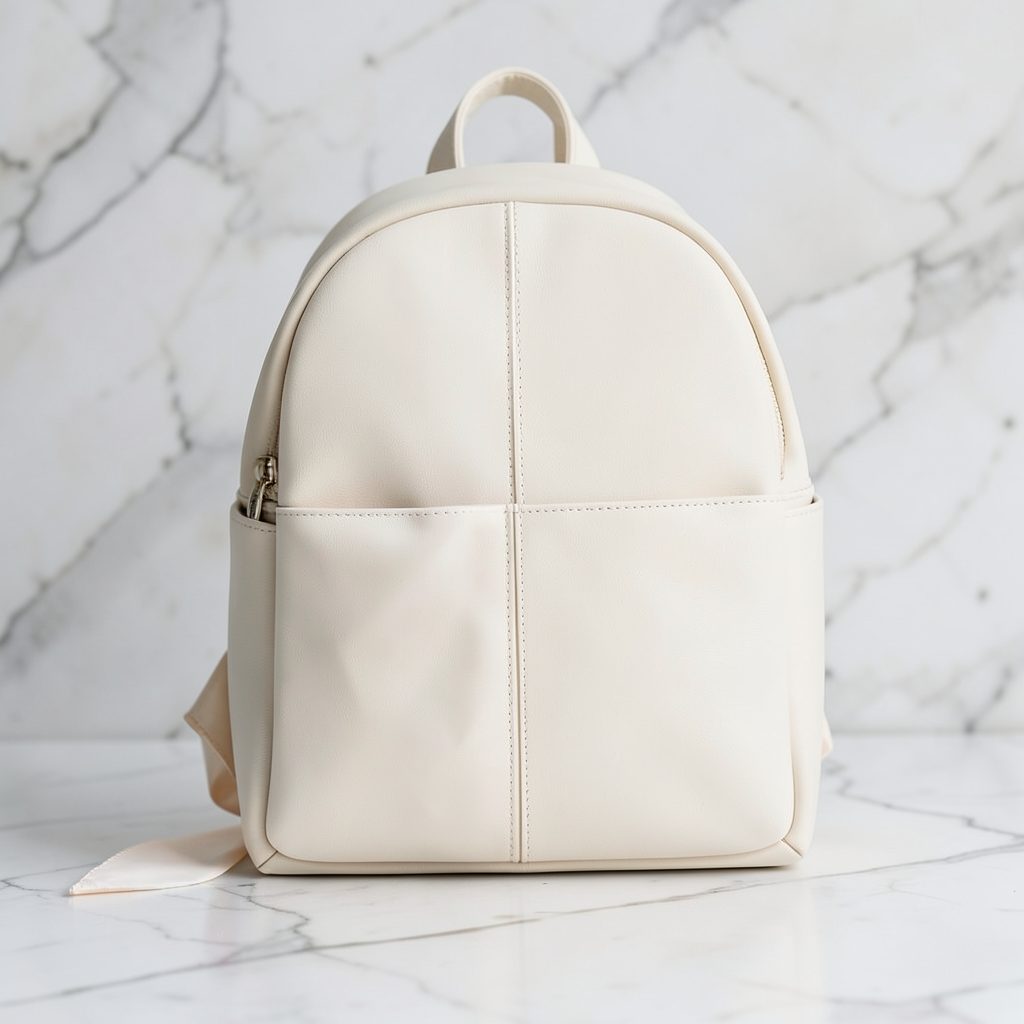
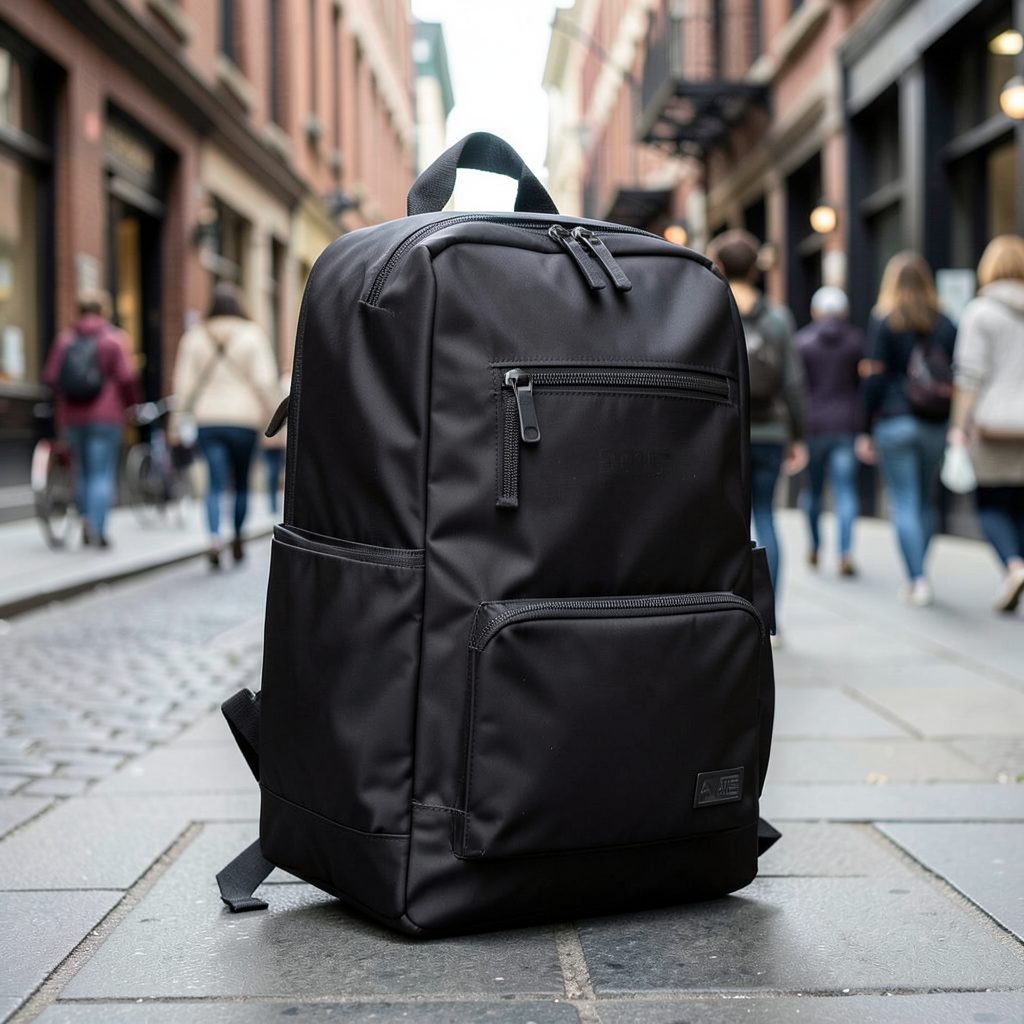
Our Backpack Styles
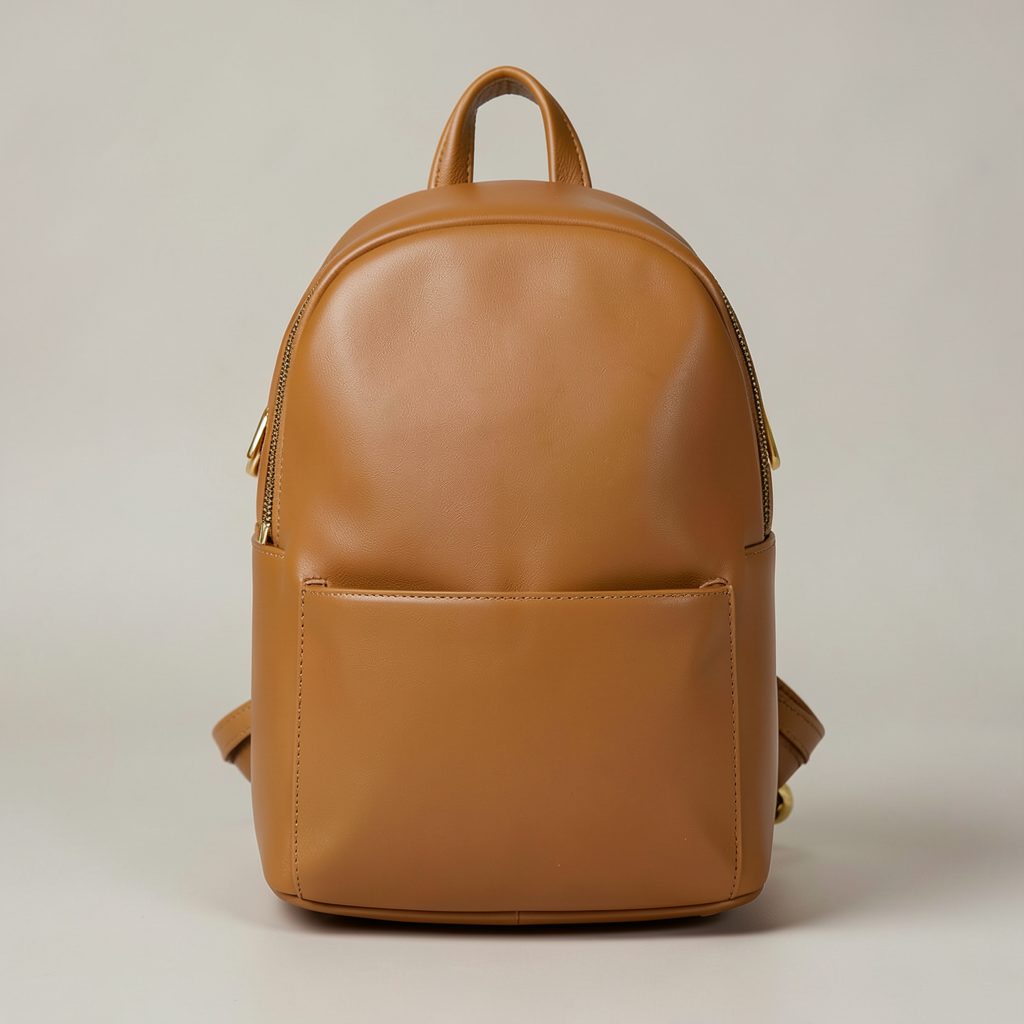
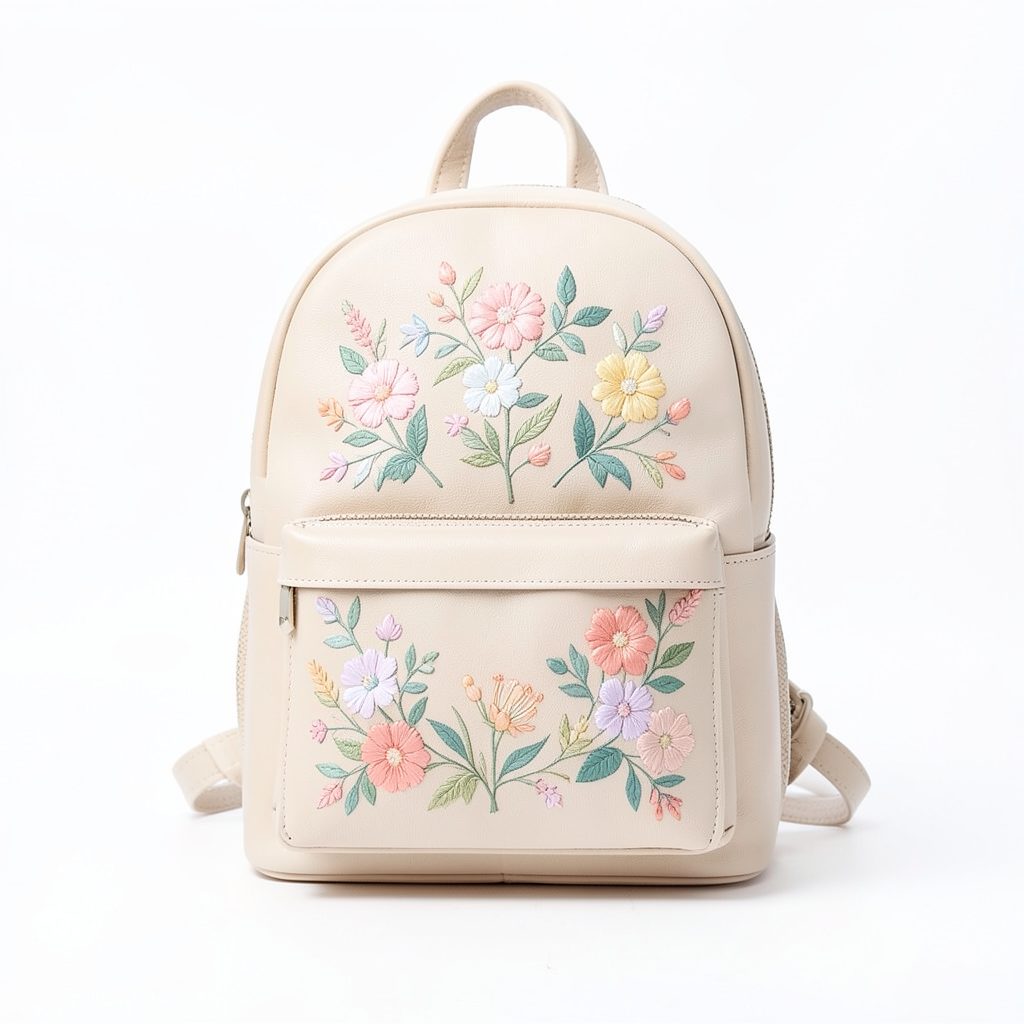
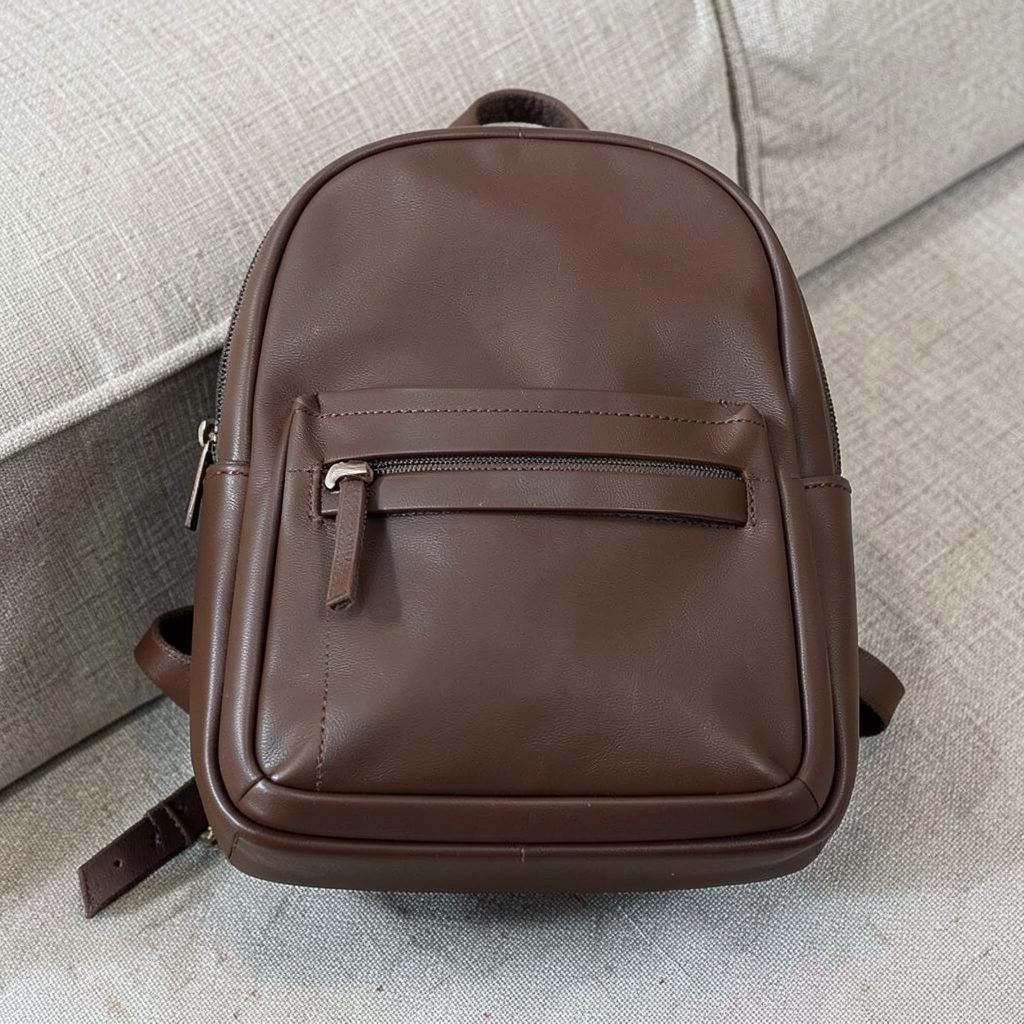
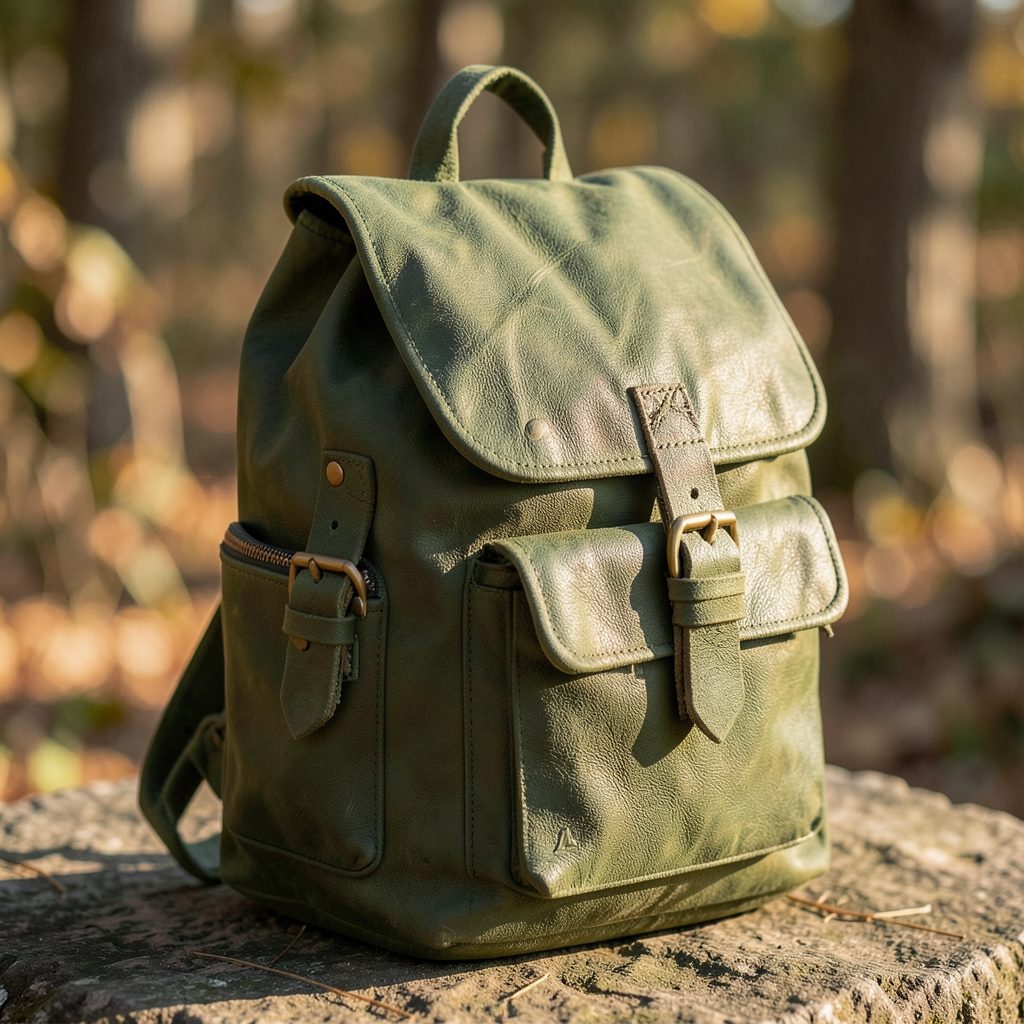
Every backpack is crafted from premium vegan leather with thoughtful details — multiple pockets, removable straps, and colors that work with any wardrobe. Browse the lineup below.