How to protect your vegan leather bag hardware while travelling
A vegan leather bag can handle busy days, airport transfers and city exploring, but its metal hardware often needs more attention than the outer material. Zips, buckles, D-rings, magnetic snaps and chain details are exposed to friction, moisture and pressure throughout a journey. Learn more about Vivovacations.com.
Small habits make a significant difference. Packing the bag carefully, keeping metal parts dry and avoiding overloaded compartments can help preserve the finish and keep every fastening working smoothly. These steps are useful whether you are carrying a backpack through Melbourne, a crossbody around Sydney or a tote on a weekend away.
Travel conditions in Australia can be especially varied. A bag may move from an air-conditioned terminal into Brisbane humidity, encounter salty sea air in Perth or spend hours in the dry heat around Adelaide. Dust, sunscreen, rain and crowded public transport can all affect polished or coloured hardware.
The best approach combines preparation before departure with simple maintenance during the trip. A few soft packing materials, sensible weight distribution and regular checks can prevent scratches, tarnishing and strained attachment points.
| Hardware concern | Common travel cause | Practical protection |
|---|---|---|
| Scratched metal | Contact with keys, zips or luggage frames | Wrap hardware or use a separate storage pocket |
| Tarnished finish | Humidity, sweat, sunscreen or salt air | Wipe with a dry microfibre cloth |
| Stiff zip | Dust, sand or overpacking | Keep the track clean and reduce internal pressure |
| Loose clasp or ring | Excessive weight or pulling | Inspect attachment points and lighten the bag |
| Dented buckle | Compression in overhead storage | Place the bag inside a soft protective layer |
Know which parts need the most care
The most vulnerable components are the pieces that move, bear weight or rub against other surfaces. Zip pulls can scrape against buckles, shoulder-strap clips can knock into luggage handles, and magnetic snaps may attract small metal objects inside a crowded bag. Decorative studs and chain sections can also lose their finish when pressed against hard edges.
Before travelling, inspect each fastening under good light. Open and close every zip, test the snap or clasp and check that rings sit firmly against their attachment points. If a buckle feels loose or a zip catches, deal with it before leaving rather than waiting until you are at the airport.
The material around the hardware deserves attention too. Vegan leather can flex under pressure, but an overloaded bag may pull at the stitched areas where rings, straps and handles are secured. A well-made bag is designed for everyday use, yet keeping its contents within a sensible load protects both the surface and the fittings.
Prepare the bag before you leave
Empty the bag completely and remove old receipts, loose coins, pens and other objects that may scratch metal surfaces. Wipe the exterior with a clean, slightly damp cloth if needed, then dry it thoroughly. For the hardware, a soft microfibre cloth is usually safer than an abrasive sponge or a strong household cleaner.
Avoid applying perfume, hair spray, sunscreen or leather conditioner directly to the metal. These products can leave a film, dull a coating or cause discolouration when combined with heat and moisture. Apply personal-care products first, allow them to dry and then handle the bag with clean hands.
If you are travelling during Australia’s warmer months, allow the bag to cool and dry before placing it in a closed suitcase. A damp bag sealed in luggage can develop odours and leave moisture sitting around zips or clasps. This is particularly useful after a humid day in Cairns or a wet walk through Hobart.
Pack hardware away from hard objects
The simplest way to prevent scratches is to create space between the bag’s metal details and other items. Store keys, coins, chargers and jewellery in a zipped pouch rather than dropping them into the main compartment. Even a small keyring can leave visible marks when it moves against a clasp for several hours.
When packing the bag inside checked luggage or a larger cabin case, place it in a cotton pillowcase, soft scarf or fabric dust bag. Wrap detachable straps separately if their clips could strike the body of the bag. Do not use newspaper or rough paper, as ink and coarse fibres may transfer to the vegan leather.
For travellers carrying camera equipment, organising several devices in dedicated compartments can also reduce accidental impact. These camera storage ideas are useful beyond photography: dividers and padded cases help keep small electronics, cables and metal accessories from pressing into your bag’s hardware.
Reduce pressure on zips and fasteners
A zip should close with a smooth, light pull. If you need to force it over a bulging compartment, the bag is overfilled. Excess pressure can distort the zip track, strain the fabric or vegan leather around it and weaken the stitching at the ends.
Pack heavier items low and close to the back panel, especially in a backpack. Keep flatter, lighter objects near the front so they do not push against the closure. Avoid placing a water bottle beside a zip unless it is securely sealed and held upright; leaks can reach metal parts and create residue in narrow channels.
A practical option for longer journeys is to use a small pouch for frequently accessed items. Keeping passports, travel cards and headphones together means the main zip is opened less often and the bag is not repeatedly pulled apart in a rush. This is handy at busy transport hubs such as Central Station in Sydney or Southern Cross Station in Melbourne.
Keep moisture, salt and sand under control
Metal hardware reacts poorly to lingering moisture, even when the rest of the bag appears dry. Rainwater, perspiration and sea spray can settle around zip teeth, clips and rings. After a beach visit or a wet commute, wipe the exposed components with a dry cloth and leave the bag open in a shaded, ventilated room.
Sand deserves special attention because it is abrasive. Do not drag a sandy zip back and forth to remove grit. Shake the bag gently, use a soft brush around the track and wipe it clean once the loose particles have gone. Compressed air can push grit further inside, so it is usually best avoided for delicate bag fittings.
In coastal locations such as the Gold Coast or Fremantle, salt carried in the air may build up over time. A lightly damp cloth can lift residue, followed by immediate drying. Keep the bag away from direct sun while it dries, since intense heat can affect colour, shape and the adhesive or coating used in some accessories.
Carry and store the bag safely in transit
A bag is most likely to be knocked when it is placed on a luggage carousel, pushed beneath an aircraft seat or squeezed into an overhead locker. Position it so clasps and buckles are not bearing the weight of another suitcase. If possible, place the bag inside a soft tote or protective sleeve before storing it.
Do not hang a full bag from a thin metal hook for long periods. The weight can pull on strap rings and cause the hardware to twist. When using a public coat rack, keep valuables with you and support the bag from underneath rather than lifting it by a single strap.
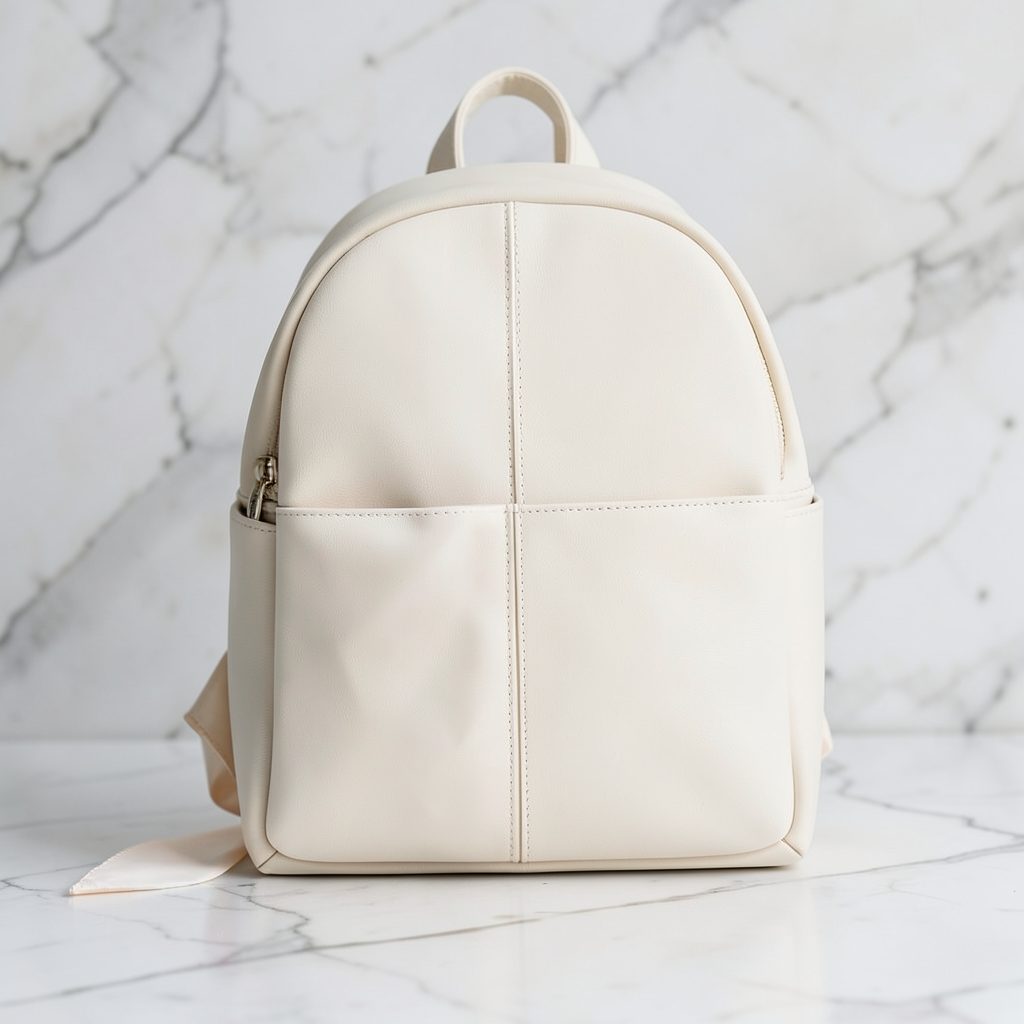
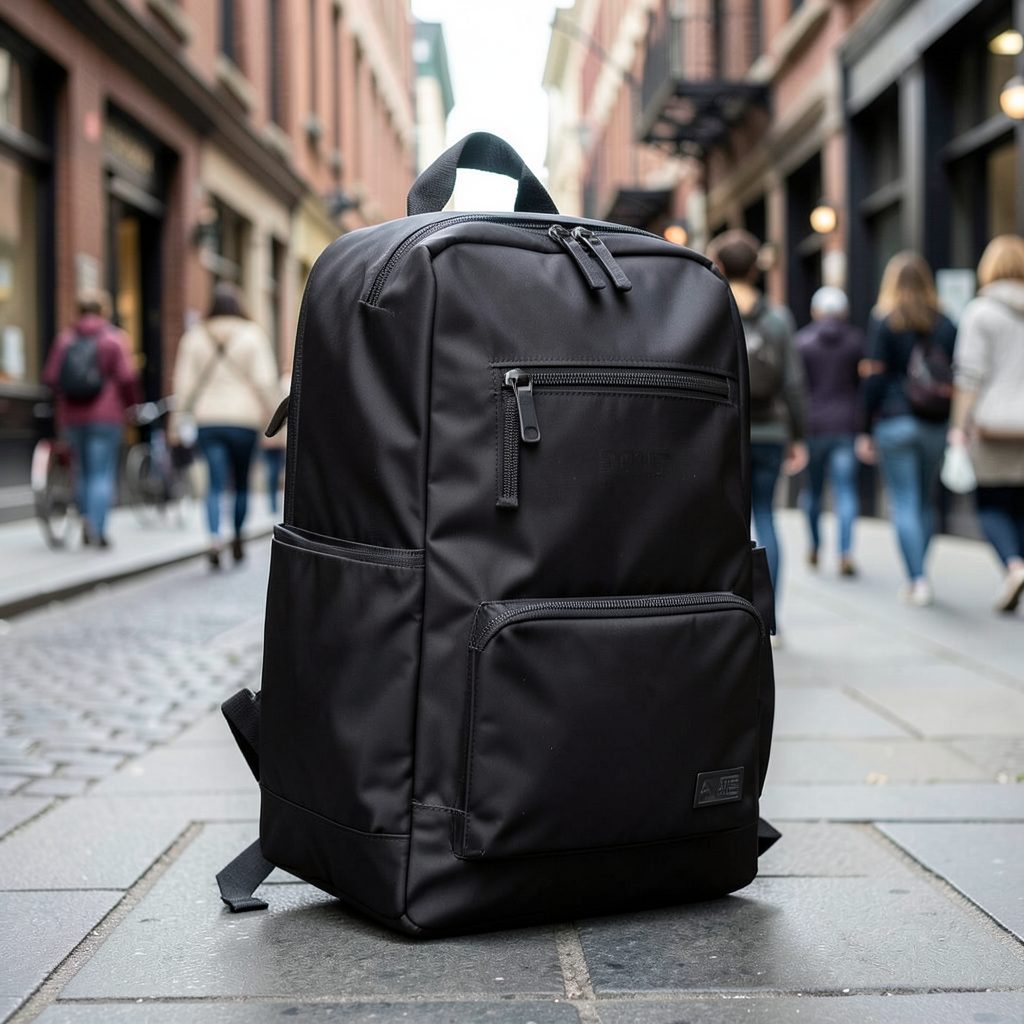
For a backpack, adjust both shoulder straps so the load stays balanced. A loose, swinging bag is more likely to strike railings, café chairs and luggage trolleys. The range of vegan backpacks available for travel can suit different packing needs, but any backpack will benefit from even weight distribution and careful handling.
Make hardware-friendly choices on the road
The way you use a bag affects its fittings as much as how you pack it. When walking through crowded markets or boarding a tram, turn the bag’s hardware away from rough walls and metal rails. Avoid placing it directly on concrete or a wet café floor, where grit and moisture can reach the base and lower fasteners.
A crossbody style can reduce handling because it stays close to the body, while a tote may be convenient for shopping and day trips. If you change the way you carry a bag from daytime sightseeing to an evening outing, check that the strap clips are properly seated and not twisted. This guide to evening sling styling offers a useful reminder that changing the configuration should include checking the attachments.
Give the hardware a quick look at the end of each travel day. Remove visible dust, empty the bag and leave closures open while it airs. If you visit a casino or another busy entertainment venue, keep the bag zipped and close to you; this travel gaming guide can be part of planning leisure time, while careful bag placement helps prevent knocks and spills in crowded spaces.
Clean and store it after the trip
Once home, unpack the bag fully and inspect every metal component. Look for dull patches, trapped sand, greenish residue, loose stitching or a zip that no longer runs evenly. Early signs are easier to manage than damage discovered months later.
Use a dry, soft cloth for routine polishing. If the manufacturer provides care instructions, follow them before using any specialist product. Avoid metal polish unless it is specifically approved for the hardware’s finish, as an abrasive formula may remove a coloured coating or leave uneven patches.
Store the bag upright or supported in a cool, dry cupboard. Fill it lightly with clean tissue or soft fabric to maintain its shape, but do not overstuff it. Keep chains, straps and metal attachments from pressing against the bag’s main panels, and allow a little air circulation rather than sealing it in plastic.
Protecting your vegan leather bag hardware is mainly a matter of reducing friction, pressure and moisture. Choose a suitable bag for your itinerary, pack sharp and heavy items separately, and make a short inspection part of your travel routine. Browse Travel Starter Pack’s animal-free bags and accessories for durable everyday designs, then prepare your chosen piece for its next Australian adventure with a soft pouch, balanced load and regular wipe-down.
Our Backpack Styles
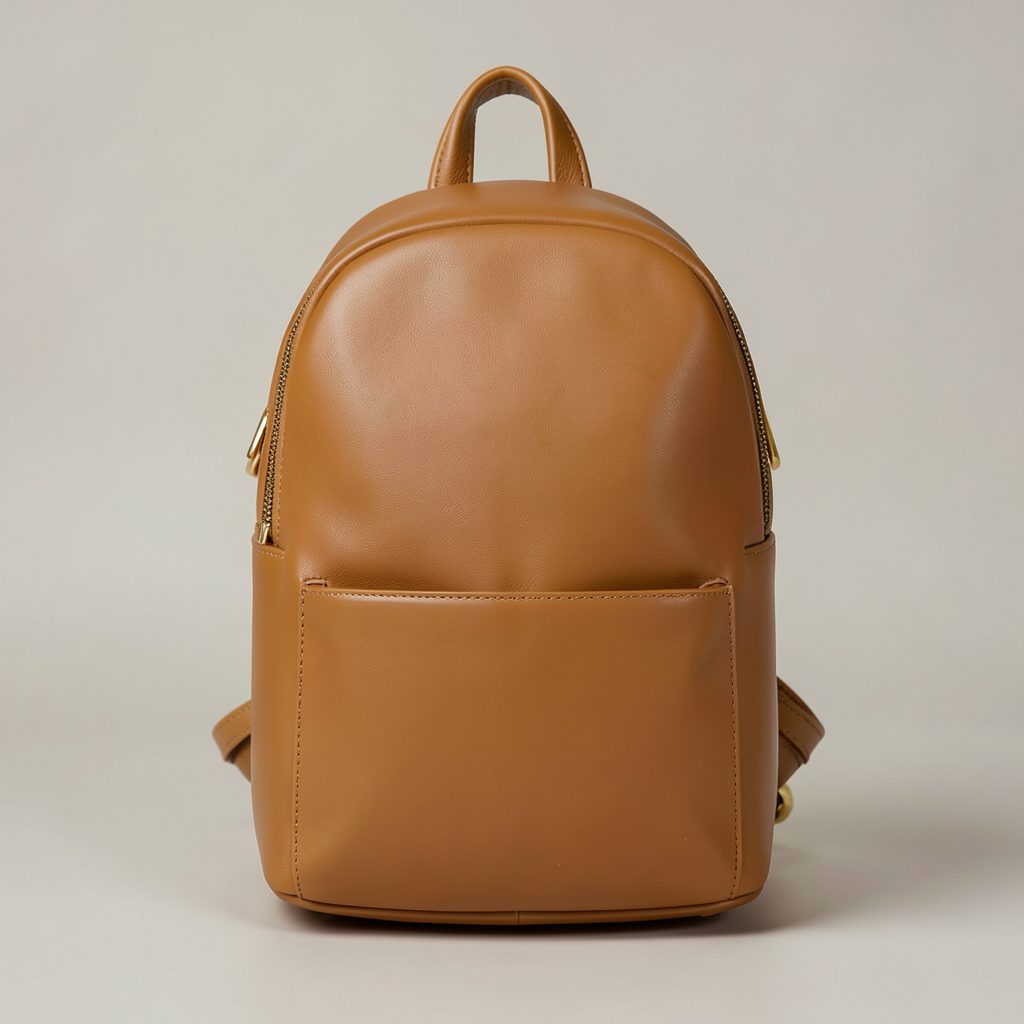
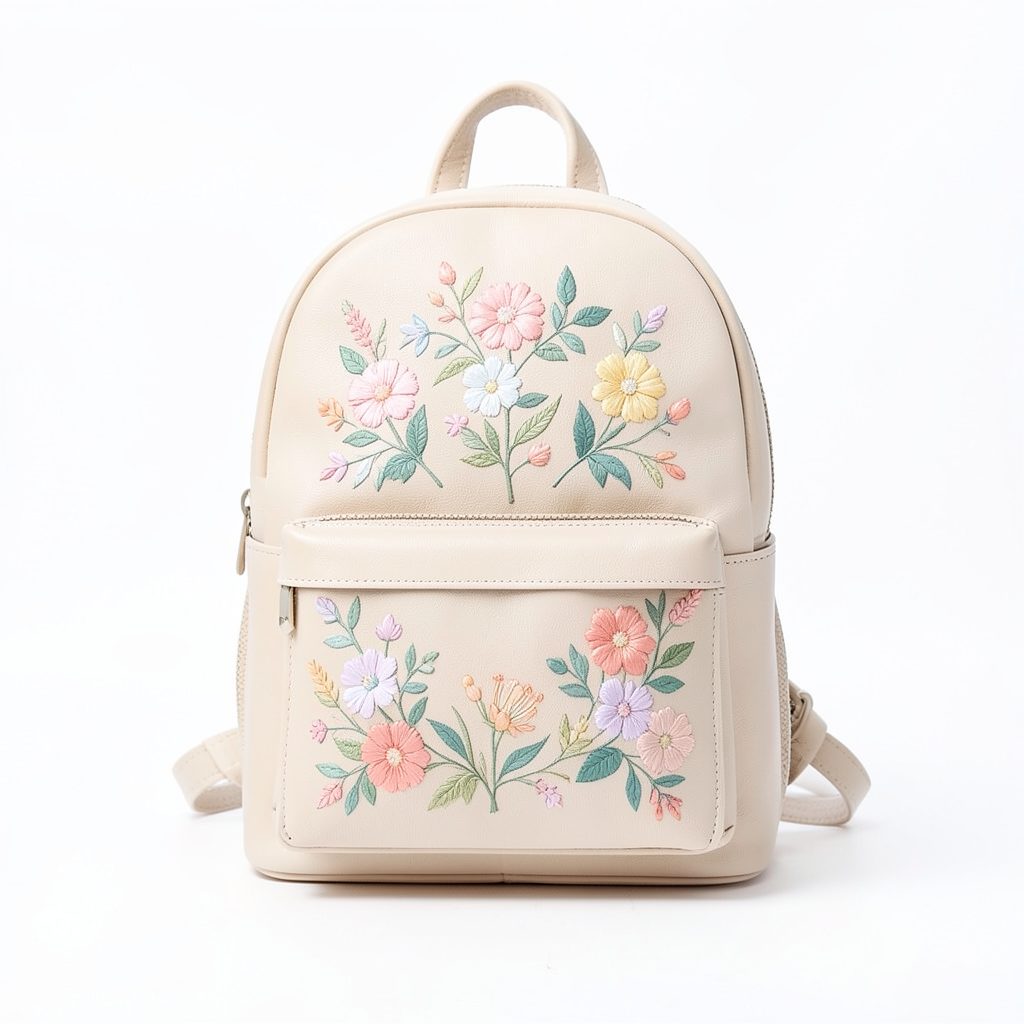
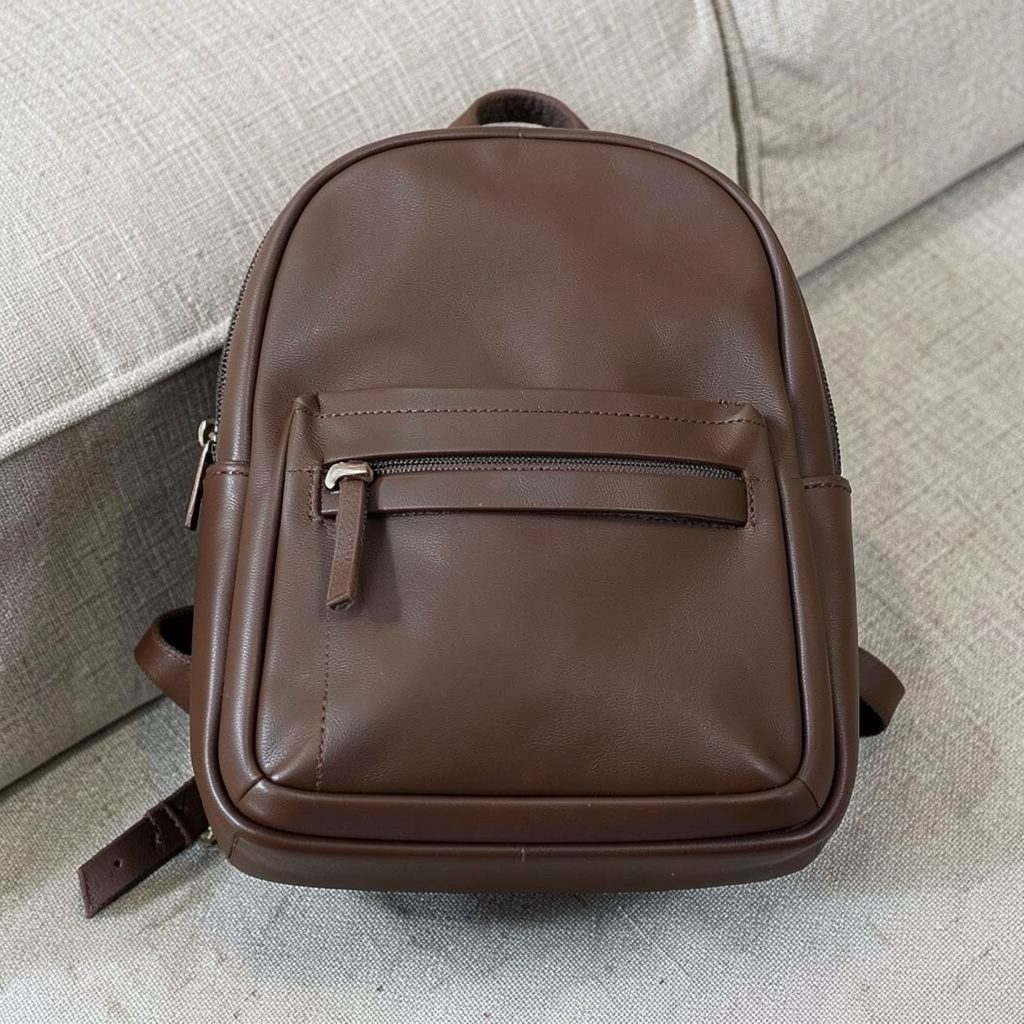
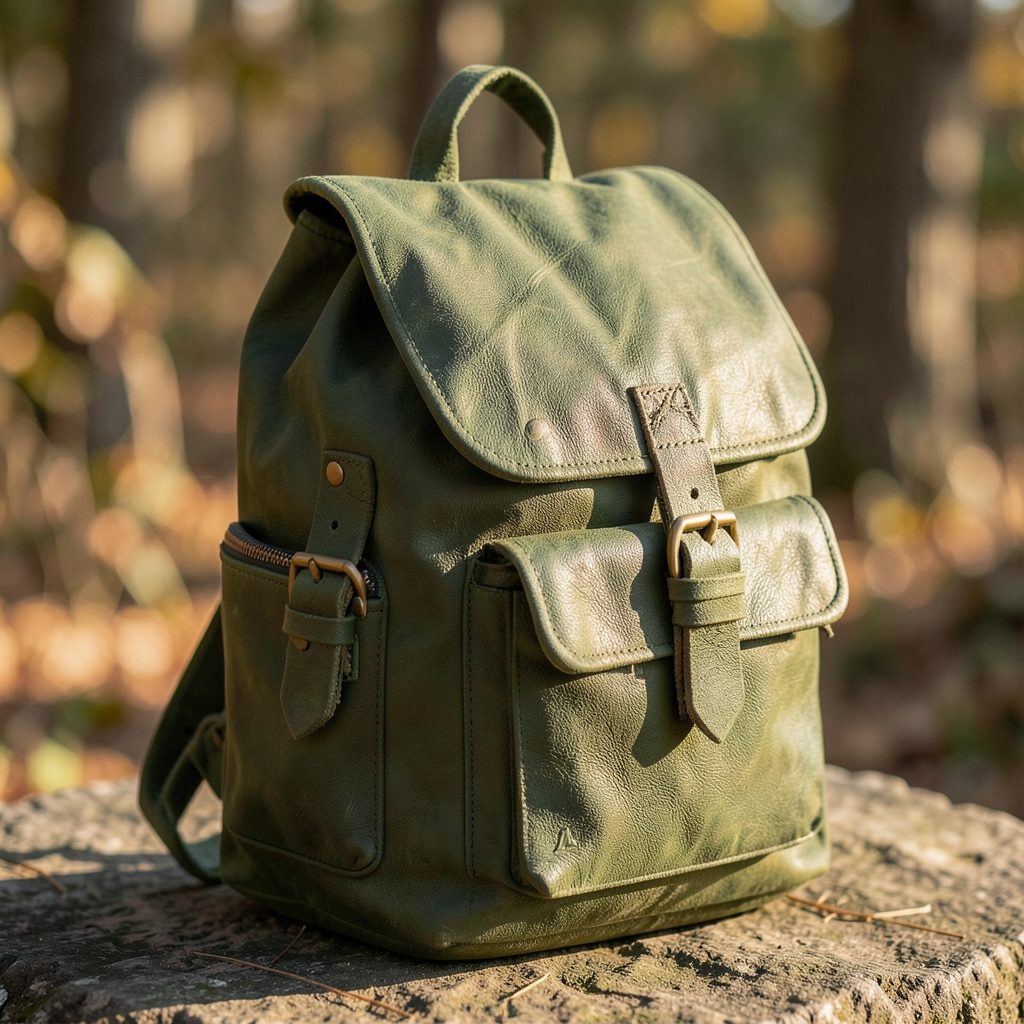
Every backpack is crafted from premium vegan leather with thoughtful details — multiple pockets, removable straps, and colors that work with any wardrobe. Browse the lineup below.