Choosing a vegan leather bag for market runs and long-haul flights
Picture this: it's a bright arvo at the Queen Victoria Market in Melbourne, the air thick with the smell of fresh basil and sourdough, and you're shouldering your way through the deli hall with a bunch of asparagus in one hand and a paper-wrapped wedge of cheese in the other. By Monday, you're boarding a Jetstar flight to Cairns, and the same bag has to fit under the seat in front of you without wrinkling your passport. The dream of a single carry-on that survives both a sprawling market run and a long-haul cabin is real, and it starts with picking the right vegan leather bag. A good one pulls double duty without looking like it tried.
Vegan leather has come a long way from the stiff, plastic-looking stuff of the early 2010s. Today's plant-based and recycled alternatives are softer, more breathable, and far better at handling the Australian climate, where a Darwin wet season can hit 90 percent humidity and a Mildura winter can drop below zero. The right bag won't peel, won't smell, and won't end up in landfill after one rough trip. It's the kind of practical choice that feels good in the hand and reads well on the conveyor belt at Sydney Airport.
Most travellers here juggle more than one kind of outing in a single week. A weekend might mean driving down to the Adelaide Hills for a cellar door, browsing stalls at Salamanca on a Saturday, and catching a red-eye to Perth for work. That's a lot of costume changes for one tote. A bag designed for both markets and flights removes the stress of repacking, the forgotten sunglasses, and the soggy tissue paper leaking from your produce haul. It also cuts down on the number of bags you actually need to own, which suits anyone trying to live with less.
Picking the right shape and finish is a bit like choosing a ute: you want something that handles the work site but still looks decent parked out the front of a cafe. The rest of this guide walks through the features that matter most, from strap length to zip quality, and how each one plays out in the wilds of an Australian weekend.
| Bag Type | Market Performance | Flight Performance | Best For |
|---|---|---|---|
| Structured tote | Stays upright for produce | Fits overhead bin | Heavy grocery hauls |
| Backpack | Hands-free for browsing | Distributes weight on long walks | Day trips with lots of stops |
| Crossbody | Quick access to wallet | Slips under the seat | Crowded city centres |
| Soft hobo | Compresses around odd shapes | Can slump in overhead | Cheese and bread runs |
| Convertible | Adapts to the load | Transforms for cabin rules | Frequent flyers |
Size and shape that handles both sprawling stalls and overhead bins
A tote that's too tall will tip over when you set it on the tram, and a backpack that's too wide will fight you for armrest space. The sweet spot for a market-and-flight bag is roughly 35 to 42 centimetres wide, 30 to 35 tall, and 12 to 15 deep. That footprint fits under most airline seats when stood upright, and it swallows a loaf of sourdough, a jar of honey, and a folded jumper without complaint. Australian cabin baggage rules vary by carrier, so measure twice before you buy. Qantas and Virgin Australia tend to be slightly more generous than Jetstar on dimensions, and the cheaper carriers will gate-check anything that looks bulky.
Shape matters as much as size. A structured tote stands upright on the bus home, which is a blessing when you've bought a punnet of strawberries. A soft hobo collapses to fit the awkward gaps in an overhead bin, but it slumps when you overload it at the market. Backpacks win on long walks through the Eumundi Markets in Queensland, where the ground is uneven and you'll want both hands free for a flat white. The trick is matching the silhouette to how you actually move, not how the product photos look.
Strap comfort for arvo wandering and flight layovers
Thin straps dig into shoulders faster than a Bondi lifesaver whistling at a tourist. A market bag spends hours on your shoulder as you queue for coffee, weigh avocados, and chat with the beekeeper at the stall. A flight bag spends hours on your shoulder as you walk to the gate, stand in the boarding queue, and shuffle down a narrow aisle. The strap has to survive both, ideally without leaving a red mark.
Look for a drop length of 22 to 28 centimetres for a shoulder bag, which lets you swing it under your arm without it falling off. Adjustable straps are even better, especially if you're caught between a 5'2" friend and a 6'4" travel buddy. Padded shoulder panels help on long days, and a detachable crossbody strap turns a tote into a hands-free carrier when the Salamanca crowds get thick. If you tend to overload the bag, a wider strap spreads the load and keeps your neck from seizing up by the time you reach the gate.
Pocket layout for loose change, snakes, and a passport
Farmers markets are still surprisingly cash-heavy, especially the smaller ones where the grower doesn't have a Square reader. You need a pocket for coins, a slot for your bank card, and somewhere safe for a paper receipt before it dissolves in the bottom of the bag. On a flight, the same bag needs a zip pocket for your passport, an external sleeve for the boarding pass, and a hidden compartment for your phone when you doze off.
Internal organisers help, but too many pockets become a black hole where keys vanish forever. Two external pockets, one internal zip, and one flat sleeve is the most you want. If you're hunting for a matching carry piece, the best vegan leather wallets with coin pockets for international travel pair well with a crossbody that has a built-in key leash. Otherwise, you'll spend half your time at the market fumbling for the right change while the queue grows behind you.
Colour and finish for sun, spills, and long-haul grime
Australian sun is brutal, and so is the turmeric from a market curry stall. White bags look beautiful for the first coffee, then they look like a crime scene. Black is forgiving but boring, and it heats up in the boot of a car parked at the Carindale shopping centre. The middle ground is a textured mid-tone that hides the inevitable dust, mud, and sunscreen marks.
Five vegan leather bag colors that don't show dirt on long trips breaks down the practical palette, and it's worth reading before you fall in love with that butter-yellow tote on the website. Think tan, olive, dusty rose, soft taupe, or a warm chocolate. Matte finishes show fewer fingerprints than glossy ones, and a slight grain hides scuffs from the corner of a market table or the edge of an aeroplane seat. Hardware in brushed brass or matte black ages better than shiny gold, which chips within a season.
Materials and construction that survive heat, humidity, and a rough toss
Not all vegan leather is created equal. Cactus leather, pineapple leaf fibre, mushroom mycelium, and recycled PU all behave differently in the Australian climate. Cactus and mushroom options breathe well, which helps in the tropical north, but they scratch if you're careless. Recycled PU is tougher but can get sticky in extreme heat, so a car park in Broome in December is a real test of any finish.
Construction tells you more than the material label. Run your hand along the seams. They should sit flat, not bunched. Zips should be chunky metal, not plastic, because plastic zippers fail after a summer of full sun. Stitching should be tight and doubled at stress points, where the strap meets the body. A reinforced base means the bag can sit on damp grass at a market without soaking through, and feet on the bottom stop it from getting scuffed on a tiled airport floor. That same build protects the small audio recorders some travellers carry on long bush trips, including the rigs used for identifying elusive forest birds in remote rainforests. If a bag squeaks when you squeeze it, put it back. That sound means the backing is separating, and it will only get worse.
Picking a bag that earns its keep
- Measure the bag against your usual airline's cabin limits before you commit, and leave two centimetres of breathing room for soft-sided options.
- Match the silhouette to your main use: structured tote for market hauls, backpack for hands-free wandering, crossbody for city crowds.
- Pick a mid-tone matte finish in a textured vegan leather, ideally one with reinforced corners and metal hardware.
- Test the strap drop in person if you can, or read the dimensions carefully online, because a strap that's too short ruins a market run.
- Choose a layout with one external zip, one internal pocket, and a flat sleeve, and pair it with a small matching wallet for coins and cards.
The bag that handles both a Hobart market and a Brisbane-bound flight isn't a fantasy piece. It's a practical workhorse in a finish that looks pulled together, sized for both worlds, and built to last through a few hundred thousand kilometres of wandering. Pick the shape that matches your weekend, and start packing for the next trip with one less thing to worry about.
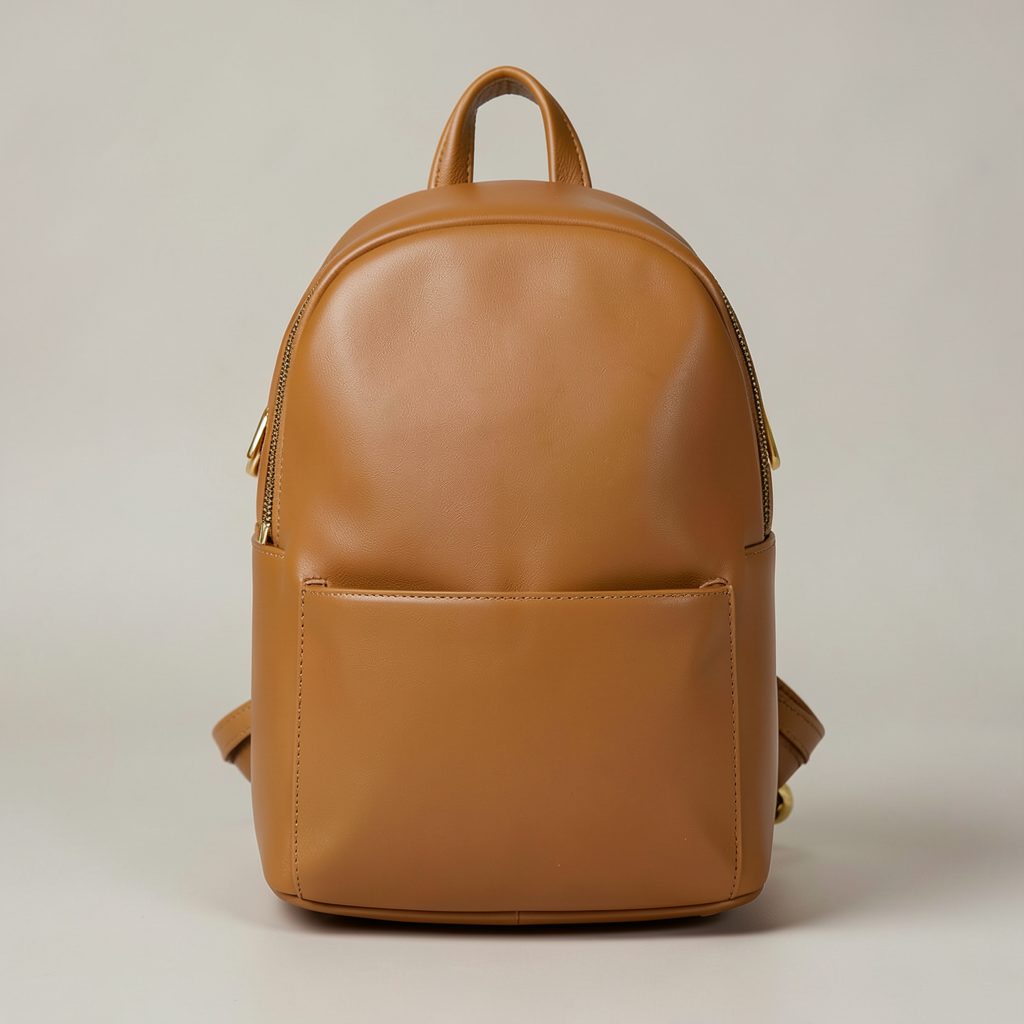
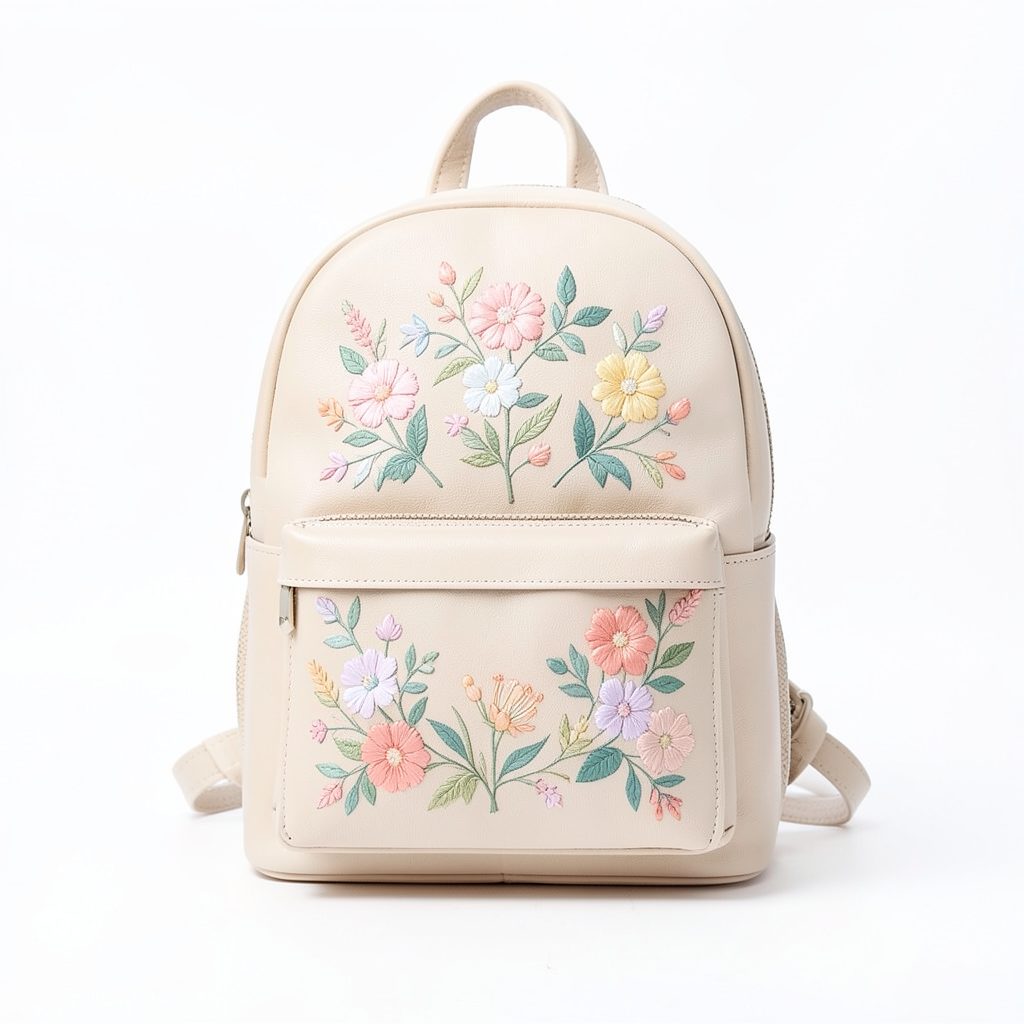
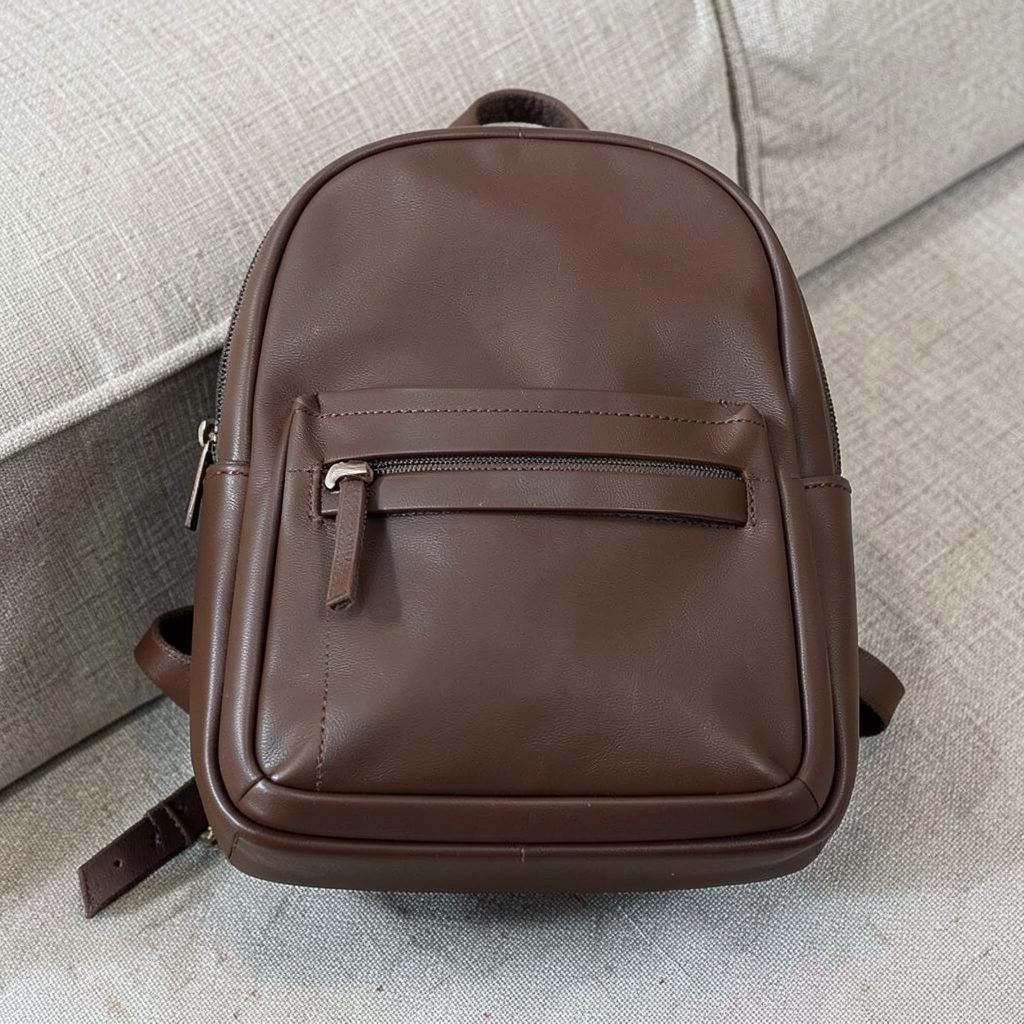
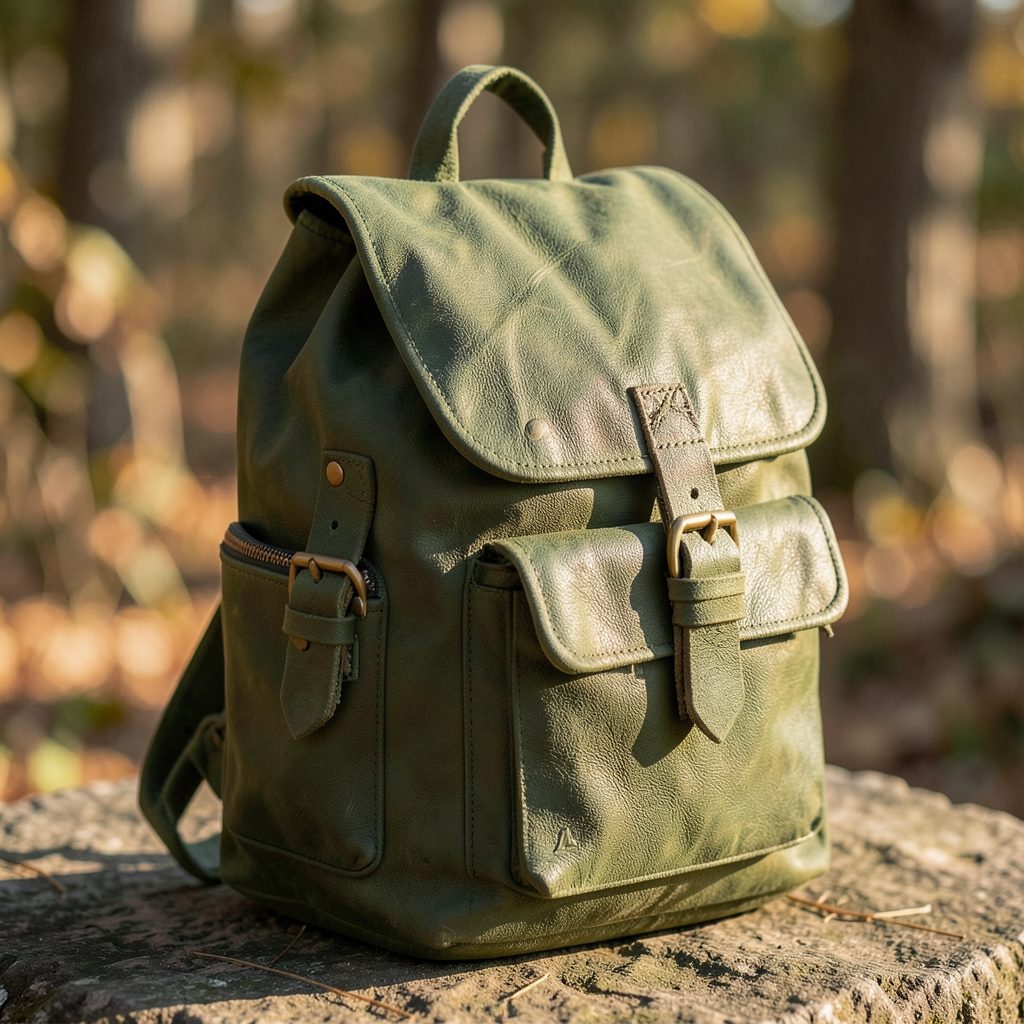
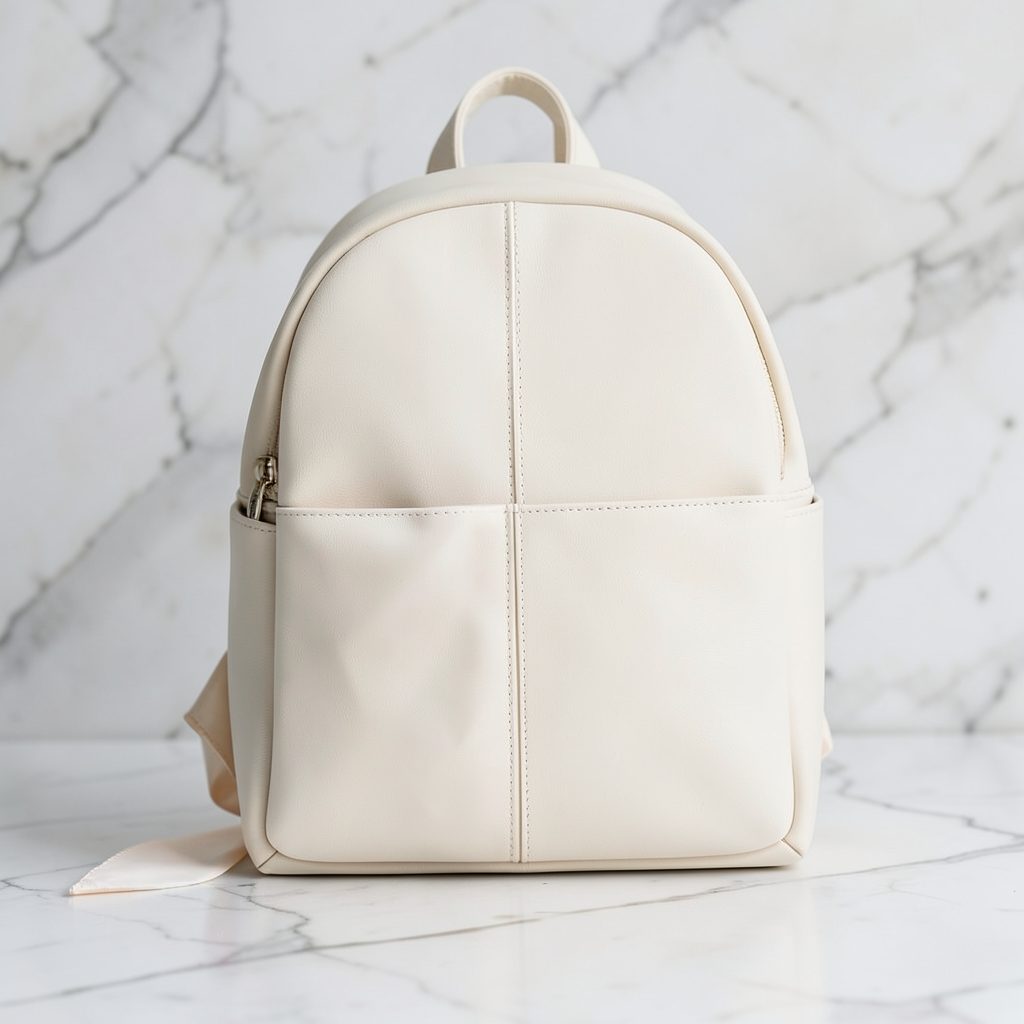
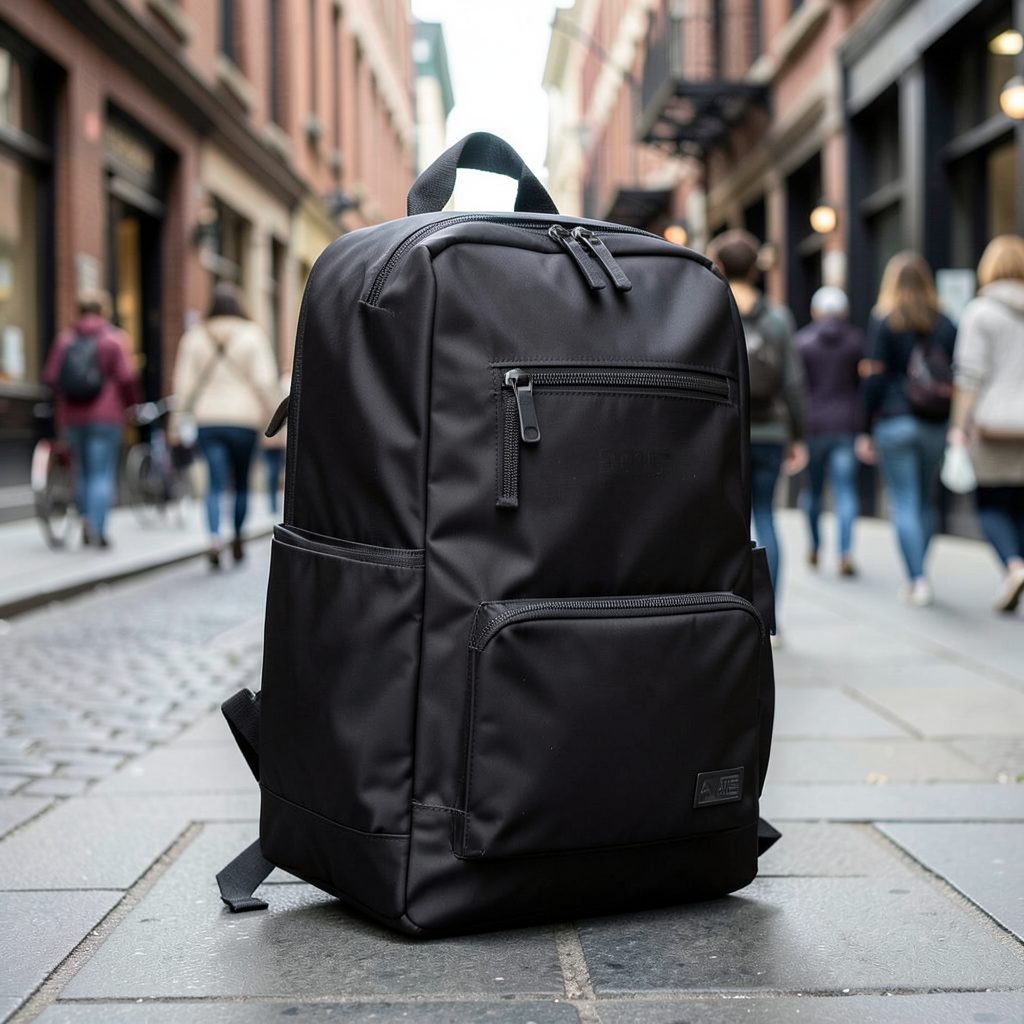
Our Backpack Styles
Every backpack is crafted from premium vegan leather with thoughtful details — multiple pockets, removable straps, and colors that work with any wardrobe. Browse the lineup below.