Pack valuables safely in a vegan leather bag
How to pack valuables in a vegan leather bag for peace of mind begins with deciding what must travel with you and what can stay behind. Travelling lighter is not about leaving important documents at home; it means separating essentials, reducing duplicates and giving each item a fixed place. Your bag should let you reach your passport, wallet and phone without opening every compartment while remaining comfortable for a full day of walking.
Vegan leather offers an animal-free material choice, but the label covers different synthetic finishes with different lifespans. Check the lining, stitching, zip quality, strap adjustment and care instructions before treating a bag as secure. A neat exterior is not proof of theft resistance. Hidden zips, secure inner pockets and sensible carrying positions provide more protection than appearance alone.
Plan for the journey rather than only the destination. Australian travellers may move from an airport to a crowded train, a city café, a regional road or a dusty attraction in the same day. Choose a bag size that suits those transitions and buy from a retailer that explains its materials, delivery and returns. Travel Starter Pack offers animal-free styles, free worldwide shipping and order tracking, helping buyers compare bags before a trip.
Choose a bag with controlled access
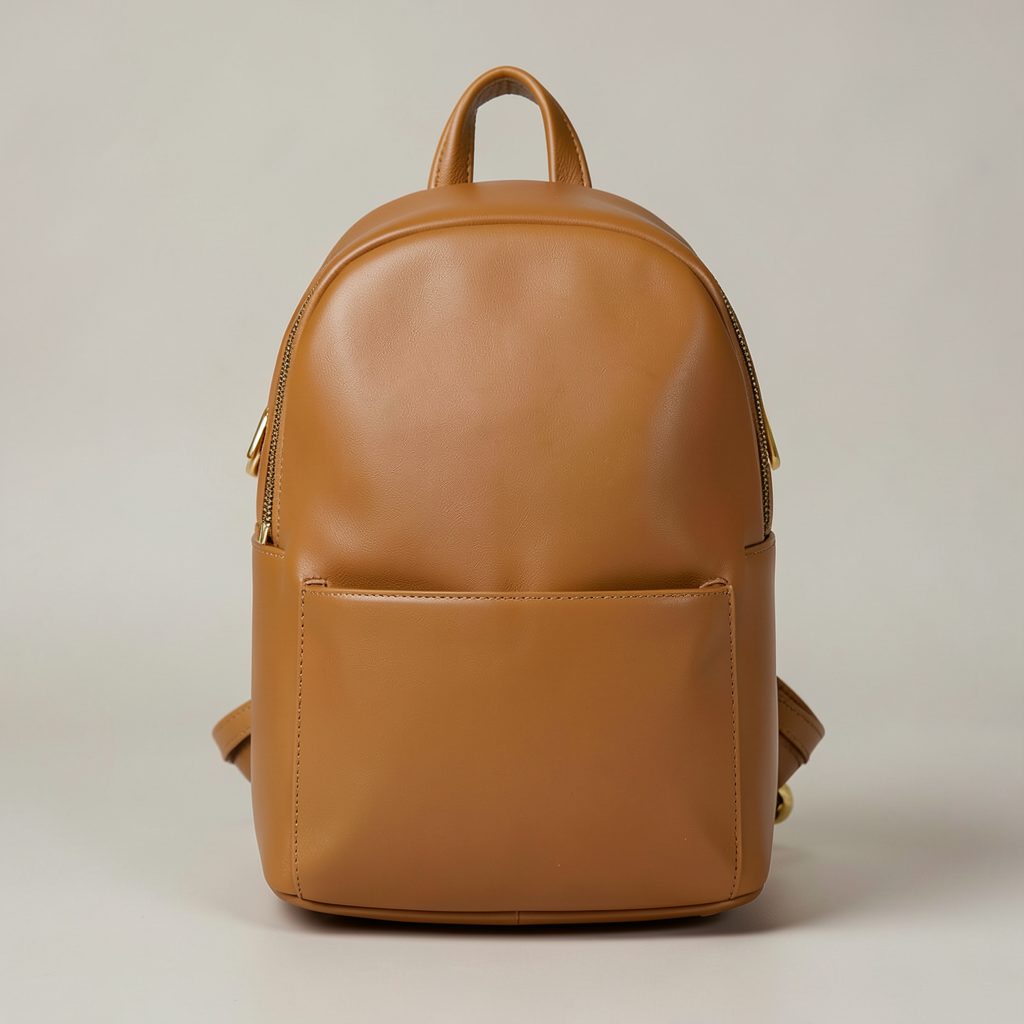
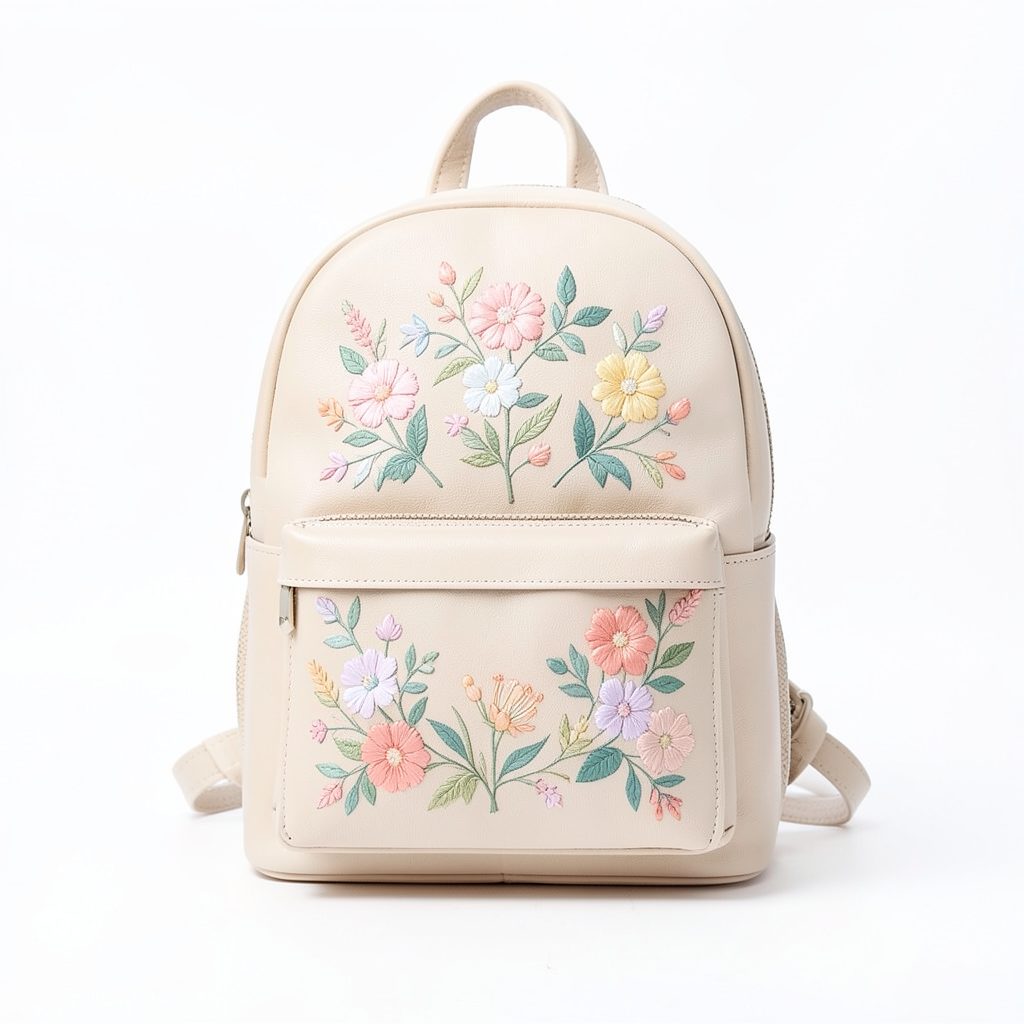
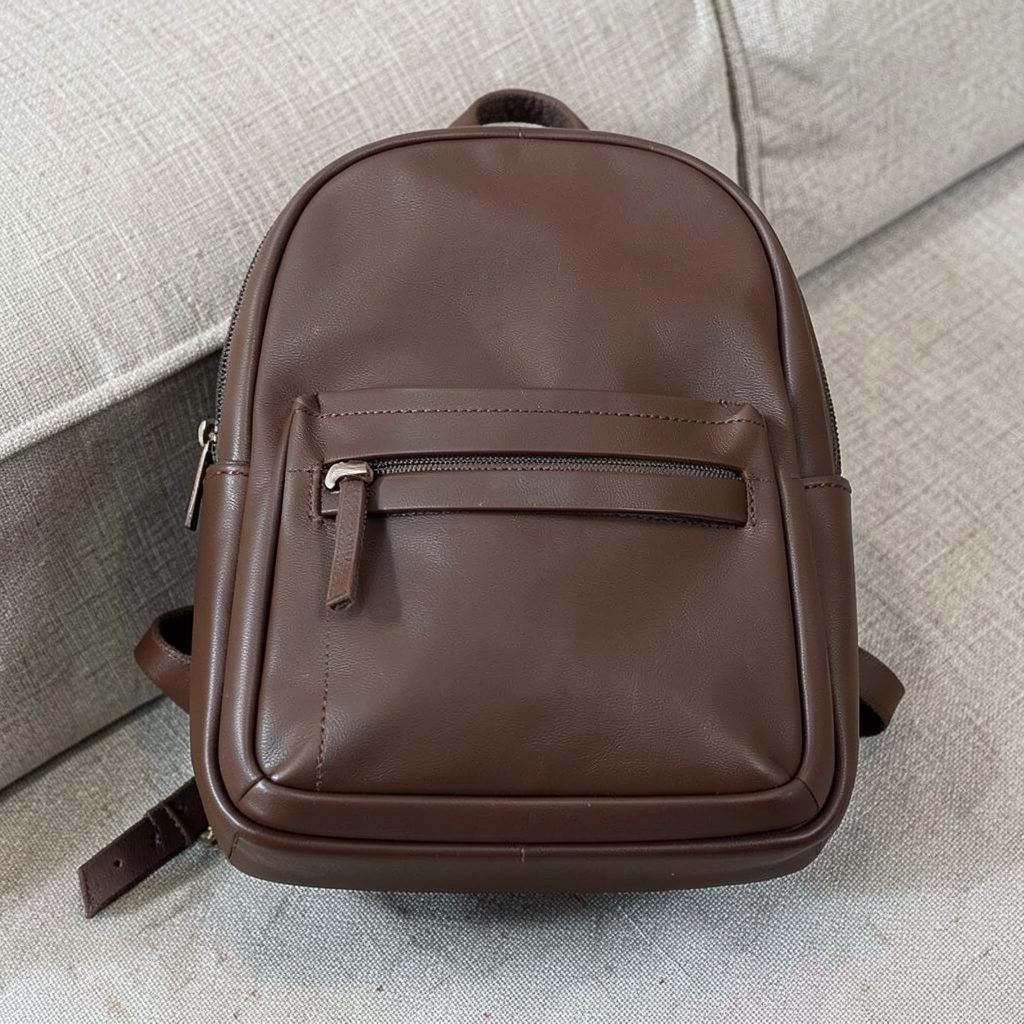
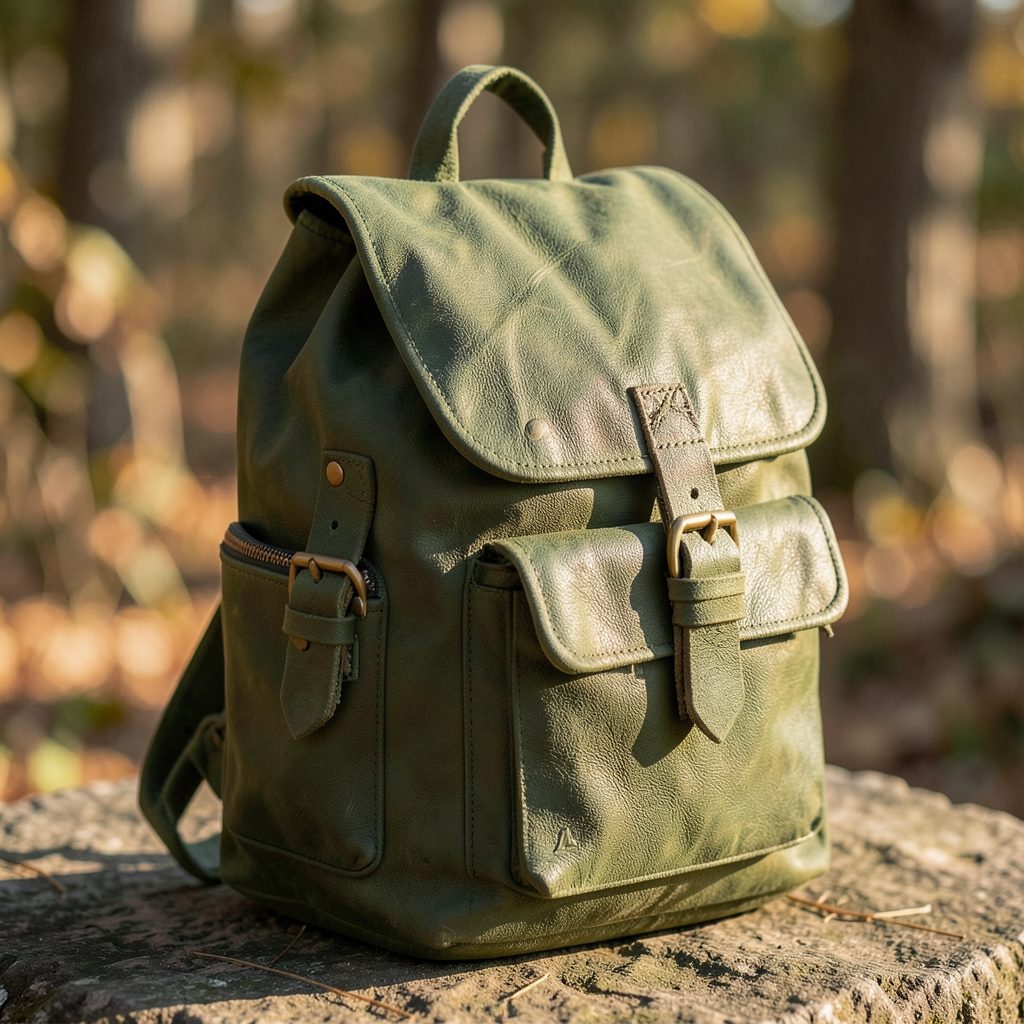
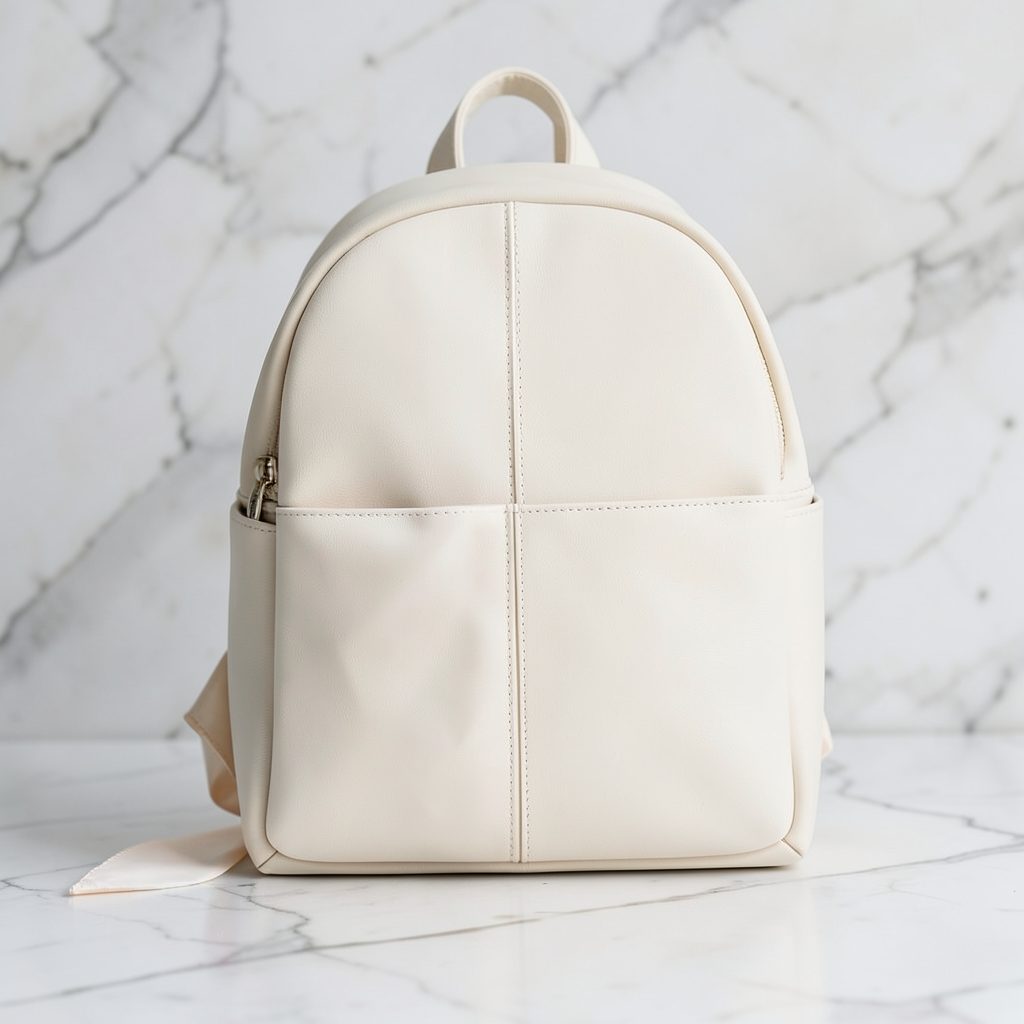
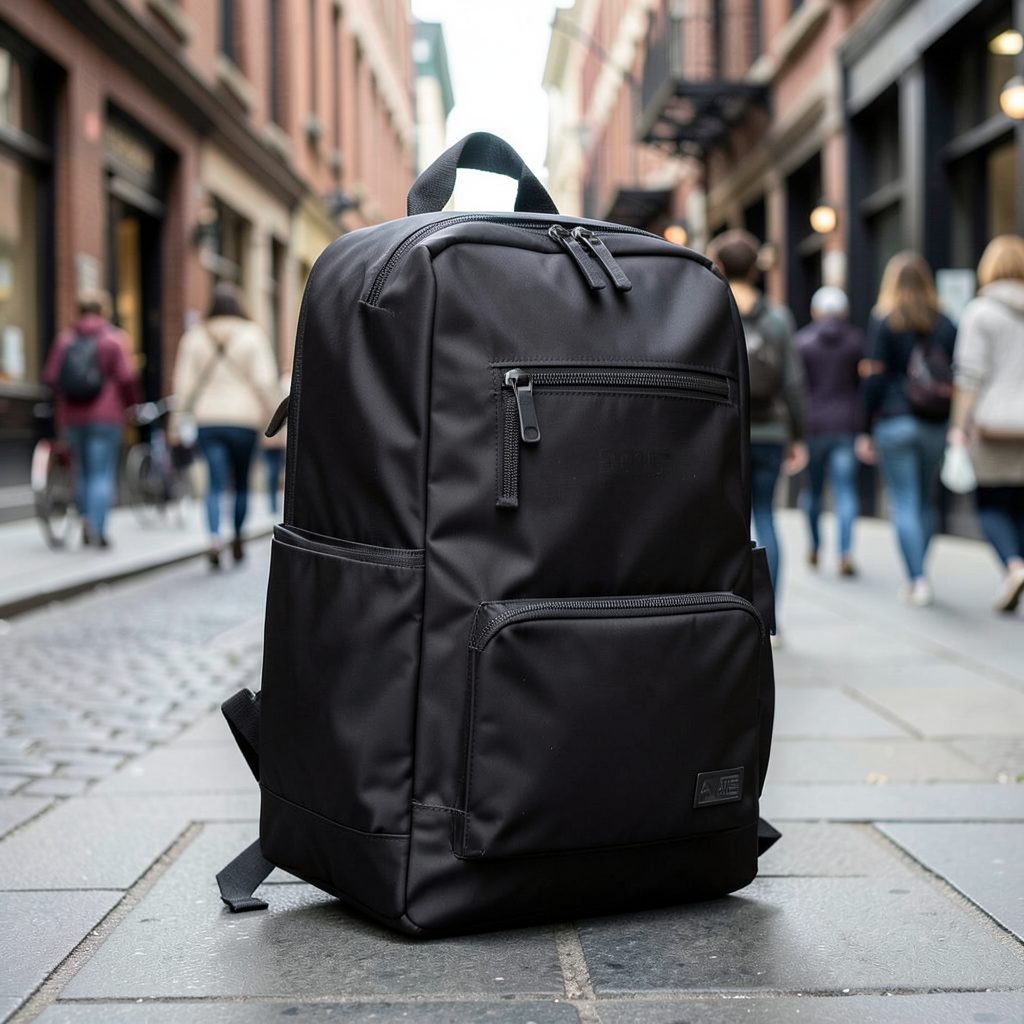
Start with your carrying method and access needs. A compact backpack keeps both hands free and works well for flights, walks and public transport. You can compare the available travel backpacks by capacity, shape and internal organisation. A crossbody bag may be easier to monitor in a busy area, while a tote works best when your valuables remain in one controlled compartment rather than shifting between many pockets.
Inspect the structure before packing. Reinforced seams, smooth-running zips, secure zip pulls and well-fitted dividers help prevent accidental openings. Vegan leather can feel durable while still needing care, particularly around edges and stress points. Some synthetic finishes may crack or peel with prolonged heat, so follow the maker’s cleaning guidance and avoid overloading the material.
Match the bag to your real risks. Consider whether your main concern is pickpocketing, accidental loss, rough handling or all three. A larger bag offers room for emergency supplies but is harder to keep in sight. A smaller bag reduces what you carry yet may encourage you to overfill it. Check the dimensions against your airline’s cabin allowance and choose a colour and texture that fit your normal travel environment.
Build a simple valuables system
Create three practical layers: a quick-access layer for your phone and everyday card, a secure layer for travel documents and a backup layer for emergency cash or spare identification. Use separate compartments so searching for a boarding pass does not expose your passport, and place less frequently needed items deepest inside the bag. Keeping similar items together makes packing faster and leaves fewer forgotten gaps.
Treat a few useful extras as a scatter bonus guide for changing plans. A spare power cable, basic pain relief, a reusable water bottle or a small packable rain cover can prevent inconvenience without adding much weight. Reserve a little space for these items rather than filling every section to capacity, and keep them separate from liquids that could leak.
Control access with simple habits. Keep your main wallet in a zipped inner pocket, attach keys to a secure loop and position your phone in a compartment that cannot be reached from outside. Do not assume a bag has RFID protection unless the retailer confirms it; shielding may reduce some electronic theft risks but does not replace physical security. At busy venues, shift the bag from a table to your body before anyone approaches.
Protect valuables from moisture and impact
Pack paper documents in a flat, resealable sleeve or document holder. Heat, sunscreen and an unexpected drink can damage a passport or turn tickets into a damp pulp. In warm Australian weather, keep passports away from vehicle dashboards and direct sun. A small waterproof pouch inside the bag provides useful separation without adding bulky hard cases that are awkward to carry.
Colour and surface matter at dusty sites. Pale bags can show travel grime quickly, while a darker shade may conceal marks better between cleanings. If your itinerary includes ancient ruins, archaeological areas or dry trails, the guide to best bag colours can help you choose a finish that suits those conditions. Wipe the surface regularly and avoid rubbing grit into the material.
Give electronics enough separation from hard objects. Keep a phone in a padded sleeve and wind cables into a small loop so they cannot tangle with a zip. Remove loose keys and metal tools from the same compartment. When moving between air-conditioned and outdoor air, condensation can form on a device, so allow it to acclimatise before switching it on. Follow airline rules for spare batteries and power banks, and keep them accessible for screening when required.
Adjust packing for Australian travel conditions
On crowded platforms and trains in Sydney and Melbourne, keep backpacks in front of you and crossbody bags closed against your side. The same habit helps in busy cafés and at sporting events where a phone or wallet may be left on a table. Avoid placing a bag between your feet on public transport, where it can be moved or taken without immediate notice. Look around before standing up from a seat or café table.
At Australian airport checkpoints, carry-on liquids generally must fit within containers of 100 millilitres or less and be placed in a clear bag no larger than approximately 20 by 20 by 10 centimetres. Keep medicines and essential documents accessible for inspection, and check current airport and airline requirements before departure. Screening rules can affect how you organise a bag, so use a removable valuables pouch rather than placing critical documents beneath liquids.
Australian biosecurity controls are strict, especially for food, seeds, soil and untreated plant material. Declare relevant items and avoid packing fresh produce that could be confiscated at the border. Outdoors, sun protection also helps you keep the bag closed because you are less likely to search for sunscreen while walking. A broad-brimmed hat from a collection of packable travel hats can provide useful shade while allowing both hands to remain free.
Shop with privacy and tracking in mind
Privacy is part of travel security. For organisations covered by Australia’s Privacy Act 1988, the Australian Privacy Principles guide how personal information is collected, used, stored and protected. Before entering details at checkout, check the retailer’s privacy policy and collection notice. A trustworthy seller should explain why information is needed, how long it is retained and how customers can correct or request access to their data.
Australian shoppers have many online stores, marketplaces and specialist retailers to compare, so product details matter. Check the outer dimensions, internal measurements, weight, material description, warranty and care instructions rather than relying on lifestyle photographs. The Australian Consumer Law also provides consumer guarantees for many goods, making clear specifications and accurate descriptions particularly useful when buying luggage online.
Confirm the practical details before paying. Compare delivery times to Australia, currency conversion, return arrangements and the location of any manufacturer or retailer. Order tracking can confirm that a parcel is moving, while a clear returns policy prevents surprises if the bag does not suit your carrying habits. Sale items and newsletter updates on new arrivals can help you time a purchase, but discounts should never replace careful inspection of security features and dimensions.
Use a practical packing checklist
A repeatable checklist prevents small valuables from being left behind. Arrange the main valuables first, then add backup items and finally review every compartment before leaving home.
- Keep your passport and required travel documents in a flat document sleeve.
- Carry one everyday card and place a backup payment method in another compartment.
- Add a controlled amount of emergency cash rather than carrying all your money together.
- Position your phone, power bank and essential cables in a padded quick-access section.
Run the same final routine every time you pick up the bag. Check the small things, because loose receipts, keys and transit cards are easier to misplace than a wallet.
- Confirm that every exterior pocket is fully closed and each zip pull is secure.
- Move your wallet and phone from tables or seats directly into the bag.
- Record the bag’s serial number, purchase details and any tracking identifier separately.
- Check under the seat and beside your chair before leaving a train, bus or airport gate.
Keep the checklist brief and avoid writing passwords, full card numbers or sensitive personal information on it. A photo of the bag’s serial number and a simple item count are usually enough. For example, you can record “two cards, one passport and $40 emergency cash” without creating a document that creates a new security risk.
Keep control from departure to return
At departure, remove anything you need for identification or medication and keep it in your cabin bag rather than checked luggage. When you reach accommodation, place the valuables pouch in a fixed safe or a locked drawer while still carrying only what you need for the day. Do not leave your passport with every card in the same wallet, since losing one item then means losing access to several.
If a bag goes missing, act quickly. Freeze or cancel the relevant cards, contact your bank, report the loss to police when appropriate and notify the airline or transport operator. Order tracking helps with delivery problems involving a parcel, but it cannot replace physical precautions once a bag is in your possession. Photograph the bag before a journey so its condition and identifying details are documented.
Choose a bag that matches your route, then establish the packing routine before you leave. Visit Travel Starter Pack to compare vegan leather backpacks, totes, crossbody bags and accessories, use the available product highlights and order tracking, and select the design that keeps your essentials organised and protected.
Our Backpack Styles
Every backpack is crafted from premium vegan leather with thoughtful details — multiple pockets, removable straps, and colors that work with any wardrobe. Browse the lineup below.