How to pack a vegan leather bag so it keeps its shape in a suitcase
Travellers heading overseas from Brisbane or Melbourne often pack carefully, then unzip their case to find a soft tote crushed under a kettle or a wallet bent around a power bank. Vegan leather has earned a reputation for being surprisingly resilient, yet it still responds to heat, pressure and humidity the same way real leather does. The trick is treating the bag like a garment you care about, rather than a soft shell that can be shoved anywhere it fits. With a small shift in how you load your case, even a structured crossbody can come out of a ten-hour Qantas flight looking almost showroom-fresh.
Australia's climate throws its own variables into the mix, from the dry heat of a Darwin stopover to the damp chill of a Hobart winter. Cabin pressurisation on long-haul routes, tight overhead bins on budget carriers like Jetstar, and the rough handling of checked luggage all push against whatever sits at the bottom of the case. This guide walks through how to prepare your bag, position it inside your luggage and recover its silhouette once you've landed. The same habits apply whether you're flying to Tokyo, road-tripping along the Great Ocean Road, or catching the Indian Pacific across the Nullarbor.
A bag that holds its shape on arrival saves you the awkward half-hour spent stuffing tissue paper into a sagging tote at the hotel. With a few minutes of preparation, your vegan leather piece can travel hard and still greet you with crisp lines and unwrinkled panels.
Getting familiar with your vegan leather
Not all vegan leather behaves the same way. Polyurethane (PU) based bags tend to be softer and more pliable, while microfibre and cactus or apple leather alternatives generally hold their structure a little longer. If your bag has a polyurethane blend, expect it to relax in heat - car boots in Adelaide in February can soften finishes more than a European summer would. Microfibre options are usually more heat-tolerant, which makes them popular picks for trips that mix cities with hotter regional stops.
Before you pack anything, spend a minute reading how the brand expects the bag to be cared for. A quality retailer will flag cleaning methods, what to avoid (harsh solvents, soaking, machine washing), and how the lining should be treated. Anyone planning a long Australian summer trip with a colourful carry-on may also want to check whether dyes can transfer in extreme heat, especially the darker finishes that sit next to pale clothing inside a closed suitcase. Knowing what you're working with shapes every decision that follows.
Prep the bag before it goes in
Cleaning comes first, and not just for hygiene. A bag that already has grubby corners will only look worse when those corners press into a shirt for nine hours. Wipe the outer panels with a barely damp microfibre cloth, leave the bag open to air-dry somewhere shaded, and once it is dry, give the zips a gentle tug so they are not stuck mid-flight when you need them. If the bag has removable inserts or base shapers, take them out, dust them and consider setting them aside for the suitcase rather than leaving them inside.
Empty every pocket, including the small inner zipped ones that tend to hold coins and lip balm. Anything solid left inside - a torch, a power bank, a packet of mints - will push against the lining and leave a permanent bulge when the case is compressed. If you carry a foldable pack inside your main bag, that is fine; if you carry a steel water bottle, move it to a separate pocket of the case or wrap it in a jumper. The empty bag should feel almost weightless before you begin stuffing.
Stuffing and folding the panels
The old travel writer's trick is to fill the bag with soft items rather than letting it collapse. T-shirts, scarves, merino layers, and even clean socks can be rolled and tucked gently into the corners and down the sides, filling the space the way a tailor uses tissue paper inside a delivered jacket. The aim is to push the panels outwards, not to balloon the bag. If it starts bulging, you have overstuffed it.
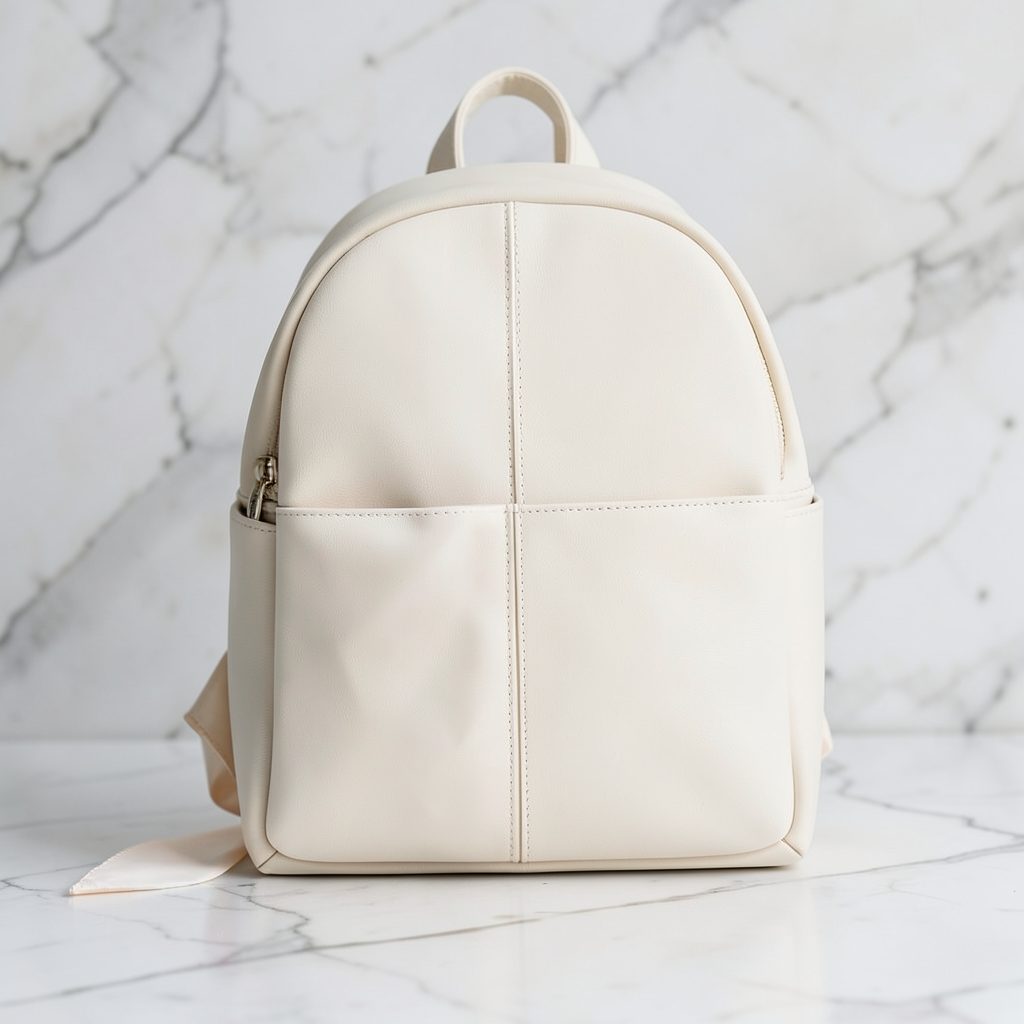
Folding should follow the bag's natural lines. A structured tote has a clean crease along the bottom and along the top; fold along those seams, not across the body. A backpack with shoulder straps should be laid flat with the straps tucked inside the body or wrapped along the back panel. If your bag has a stiffened flap, fold that flap last so it sits on top and is not crushed under weight. Travellers who regularly move between cool southern cities and tropical Cairns often pack an extra dry cleaner bag or two - sliding the bag inside one of these reduces friction and keeps the surface from rubbing against rougher garments.
Nesting the bag inside your suitcase
Where the bag sits inside your case matters more than most people realise. The cushioned centre is the safest spot, with softer items - jumpers, scarves, a beanie for those chilly Melbourne mornings - on either side. Avoid placing your bag at the very top of the case, where checked luggage handlers sometimes stack other bags on top, or directly against the lid, where hard-shell suitcases can imprint buttons and zips into the outer panels.
If you are travelling with a hard case, slip a soft layer between the bag and the case walls so nothing rubs. A pillowcase, a large scarf, or a spare cotton slip will do. Soft cases are more forgiving but can squash contents harder, so the pillowcase trick still helps. Heavies - shoes, books, a stowed laptop - belong at the bottom of the case, closest to the wheels. That keeps the centre of gravity low and prevents anything heavy from forcing its way into your bag during transit.
If you're looking for a bag that already suits being squashed, the crossbody bags range from Travel Starter Pack is built with structured panels that bounce back after a flight, and the slimmer silhouettes sit nicely in a carry-on beside a paperback.
Cushioning against weight and weather
Even with clever packing, an Australian summer brings another pressure: humidity and heat. A suitcase left on a Tullamarine tarmac or in the back of a fourbie driving towards Uluru can reach temperatures that would soften cheap synthetic panels. Try not to check the bag in for long stretches if you can avoid it; carry-on is a safer option for vegan leather, especially the more delicate PU finishes.
For checked items, consider a lightweight packing cube or a thin fabric wrap around the bag itself. Breathable cotton is best, as anything plastic will trap moisture and could leave a faint bloom on the surface. A small silica gel sachet tucked into the bag helps absorb condensation during the humidity shifts between the air-conditioned cabin and the humid arrival hall. Some travellers keep one sachet tucked inside the bag permanently; others throw them in for tropical legs only.
Australian travel realities that affect packing
Australian baggage rules are practical but firm. Qantas, Virgin Australia and Jetstar all allow a carry-on that fits their sizers, and each has its own approach to personal items. Checked weight on most international routes sits around the 23kg mark for economy, with strict enforcement on trans-Tasman and Pacific sectors. A bag that fattens out because it was overstuffed with souvenirs bought at Queen Victoria Market may tip you over the limit, so leave a little space at the packing stage and resist the urge to fill every void.
Domestic travel throws up its own quirks. Regional flights on smaller turboprops to places like Alice Springs or Broome have tight hold sizes, and bags can arrive with straps twisted or buckles pressed into foam. Road transport is even rougher: a backpack thrown on the back seat of a hire car after a long drive down the Stuart Highway will look lived-in by the time you reach Darwin. Slide your bag into a pillowcase and wedge it between seat cushions or under heavier luggage and it will arrive looking closer to the way it left.
Australian biosecurity matters too, particularly if you're mixing outdoor and urban days. Sand, salt and red dust from the outback can cling to textured panels. A quick brush before packing - or before heading into the cabin - keeps the surface from being abraded by the grit caught in zips and seams. If you have just returned from a coastal drive and the bag is faintly sandy, shake it out over a bin before it goes into the suitcase; you'll save the lining and your clean clothes.
Arriving with a bag that still holds its form
Once you've reached your hotel or holiday rental, take the bag out of the suitcase first, before you unpack anything else. Unzip it, remove the stuffing you used, and let it sit open on a chair or hang it on a coat hook for an hour. Gravity and air together do most of the work of restoring shape. If the panels look a little crushed, a cool (not hot) hairdryer held at a distance can coax the surface back, especially on microfibre bags.
For day-to-day wear between trips, rest the bag upright on a shelf rather than wedged on a closet floor. Rotate the handle over the hook occasionally so the same side doesn't crease. A small leather conditioner made for vegan materials, applied twice a year, keeps the surface supple and prevents the panels from drying out and warping. Travellers who use the same bag across multiple trips a year - fly-in fly-out workers, conference regulars, frequent visitors to family in New Zealand - often find that a monthly wipe-down and a quick reshape stops most of the travel wear in its tracks.
Packing habits that protect your bag
- Empty every pocket, including inner zips, before the bag goes into the case.
- Roll soft items like t-shirts and scarves to fill the corners and sides, pushing panels outward rather than stretching them.
- Fold along the bag's natural seams, never across the body, and place stiffened flaps on top to avoid crushing.
- Keep the bag in the centre of the case, cushioned from hard objects and the case walls by a pillowcase or soft layer.
- Use silica gel sachets in humid climates and avoid leaving the case in direct sun on tarmac or ute trays.
For anyone planning a longer haul with multiple stops, the same careful approach can carry over to other trips as well. The team behind this guide has also looked at how to keep a bag comfortable on a long-distance bus ride through Morocco, which covers similar concerns about strap pressure, ventilation and shape retention over many hours on the road. If you're chasing warmer weather and a bit of nightlife alongside your travel research, Vivo Vacations is a useful starting point for curating stays and experiences that frame a trip, and a surprisingly handy reference for spot-checking weather and humidity before you fly.
One last habit worth picking up: time-lapse yourself packing. A camera set up on a shelf, recording the way you fold and place the bag, makes it easy to refine the routine over multiple trips without having to remember every tweak. This step-by-step Brinno walkthrough shows the basics of long-interval recording, which adapts nicely to a packing bench. Catch the brand's newsletter sign-up page and any quirky side features on the insights page before you head to the airport, then check out the latest vegan leather releases and grab a fresh colourway for the trip you've been planning.
Our Backpack Styles
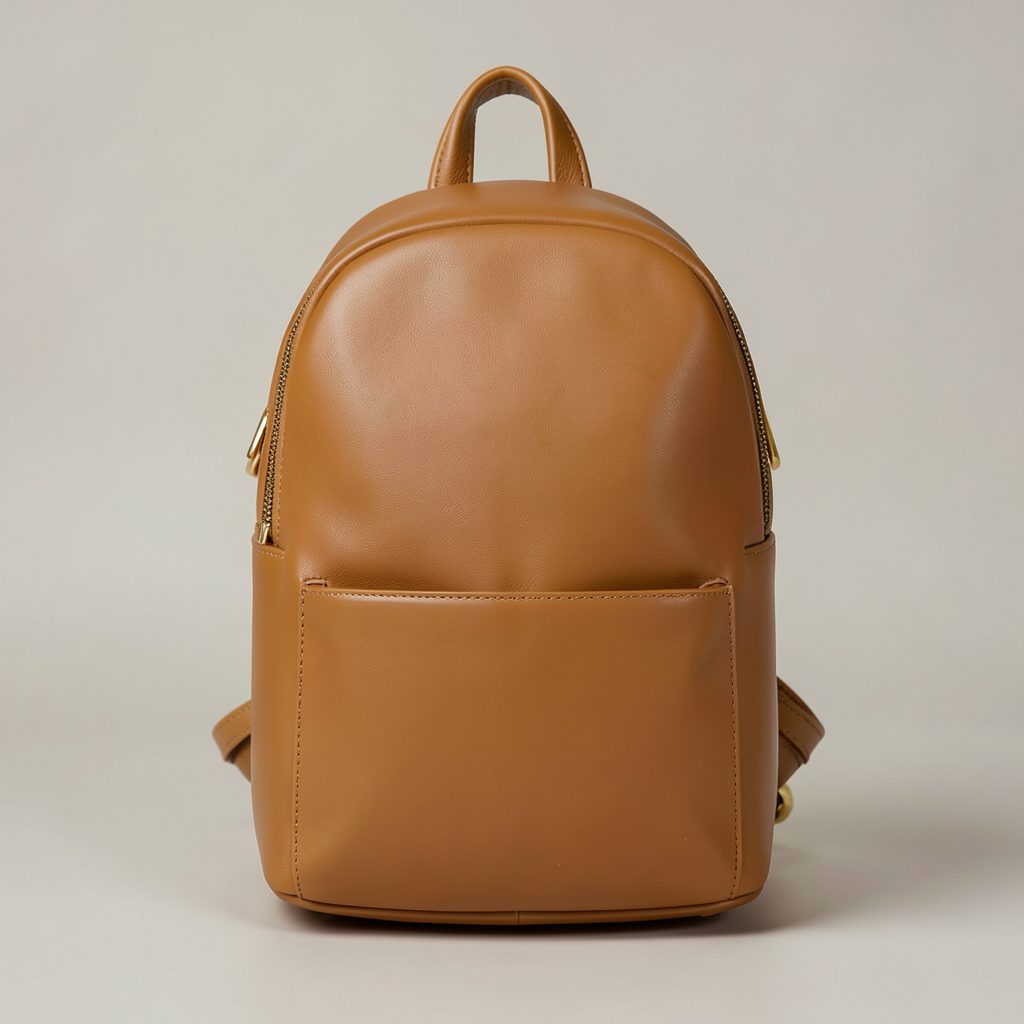
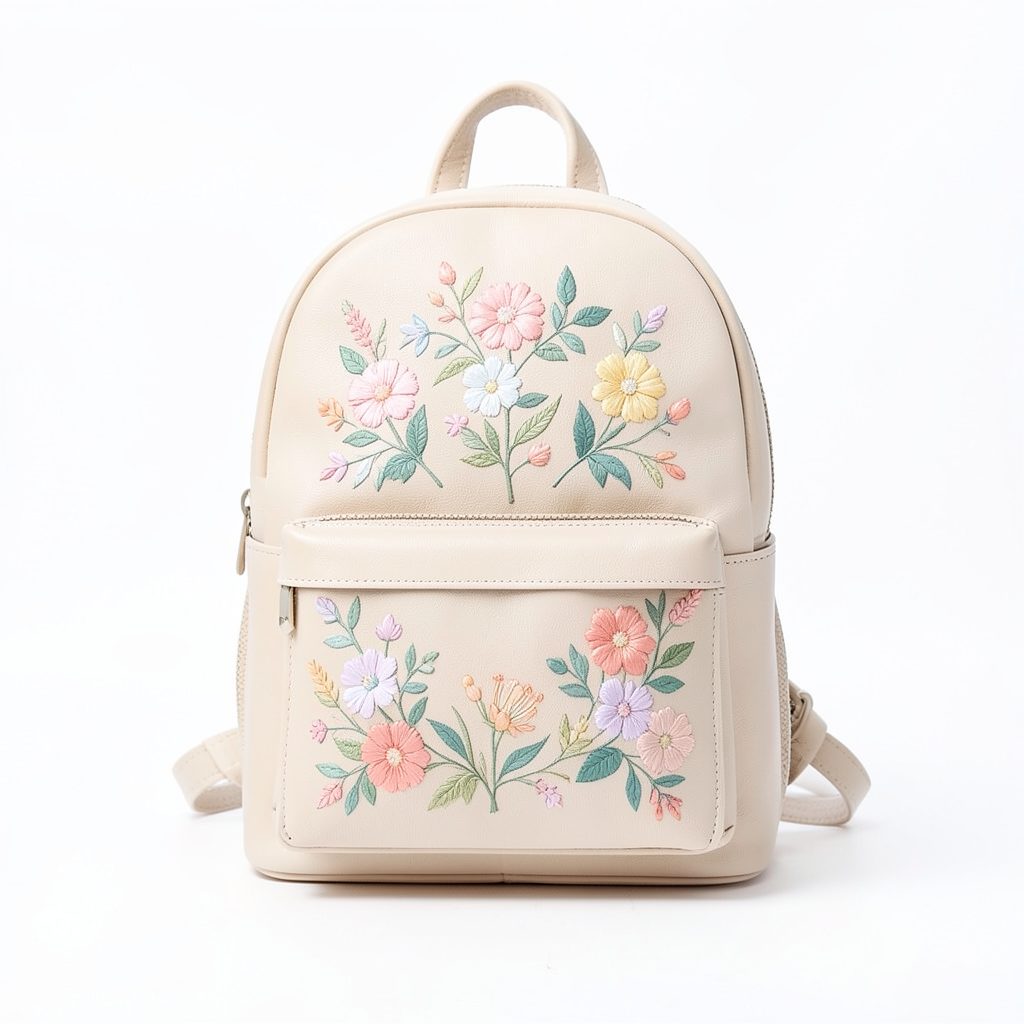
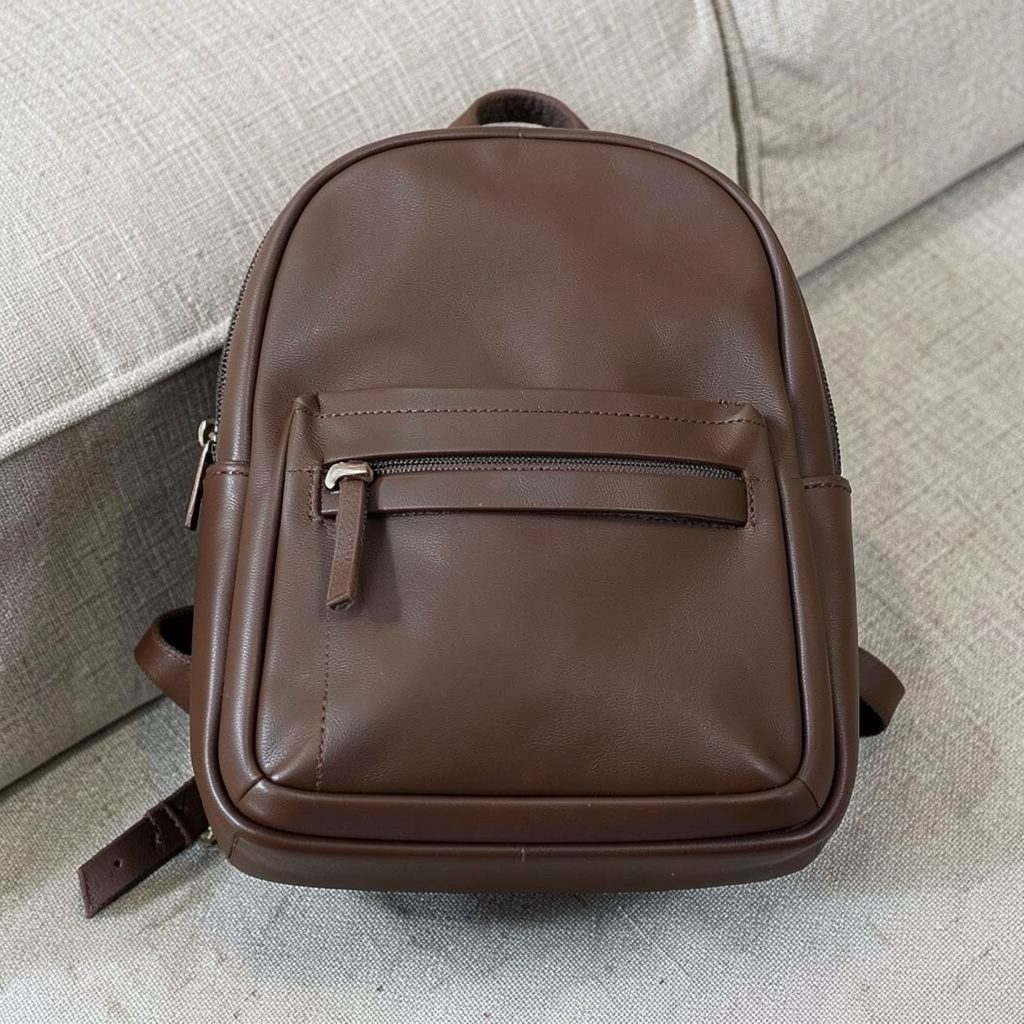
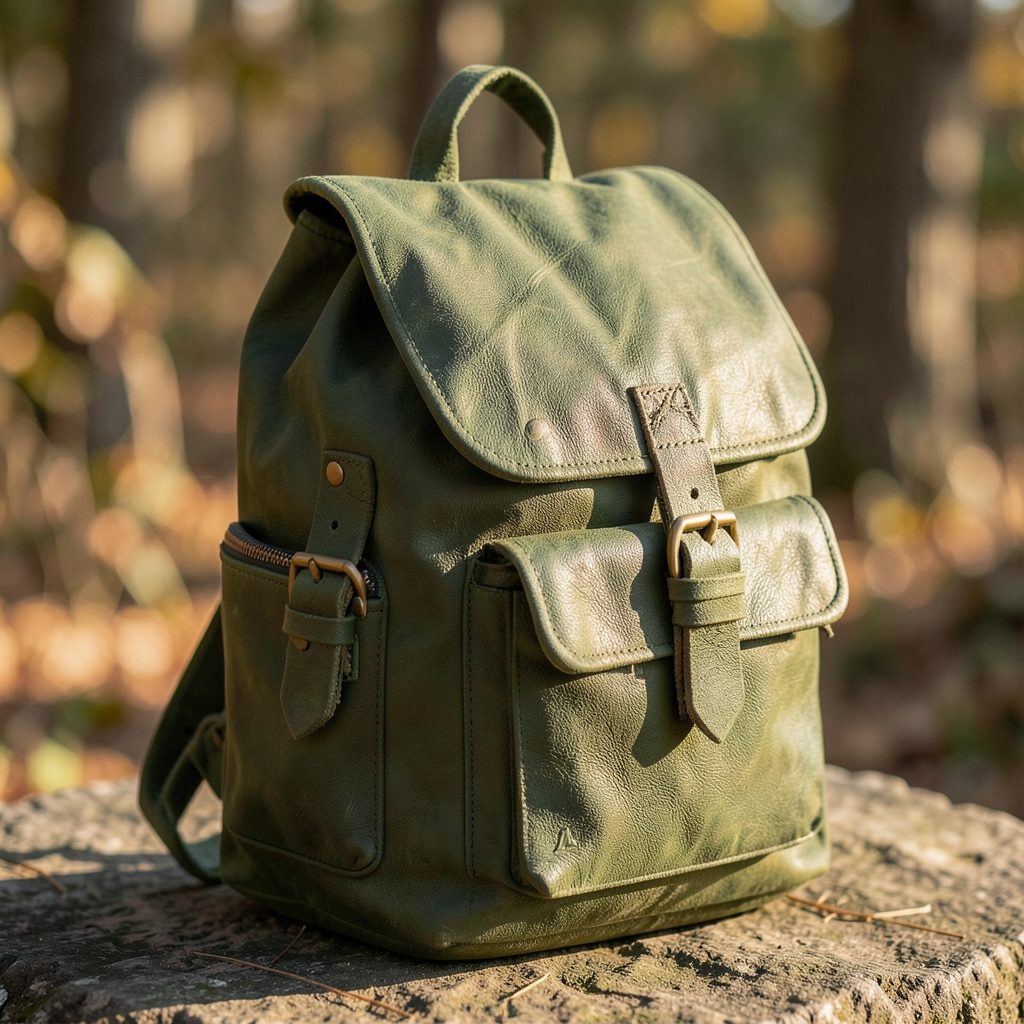
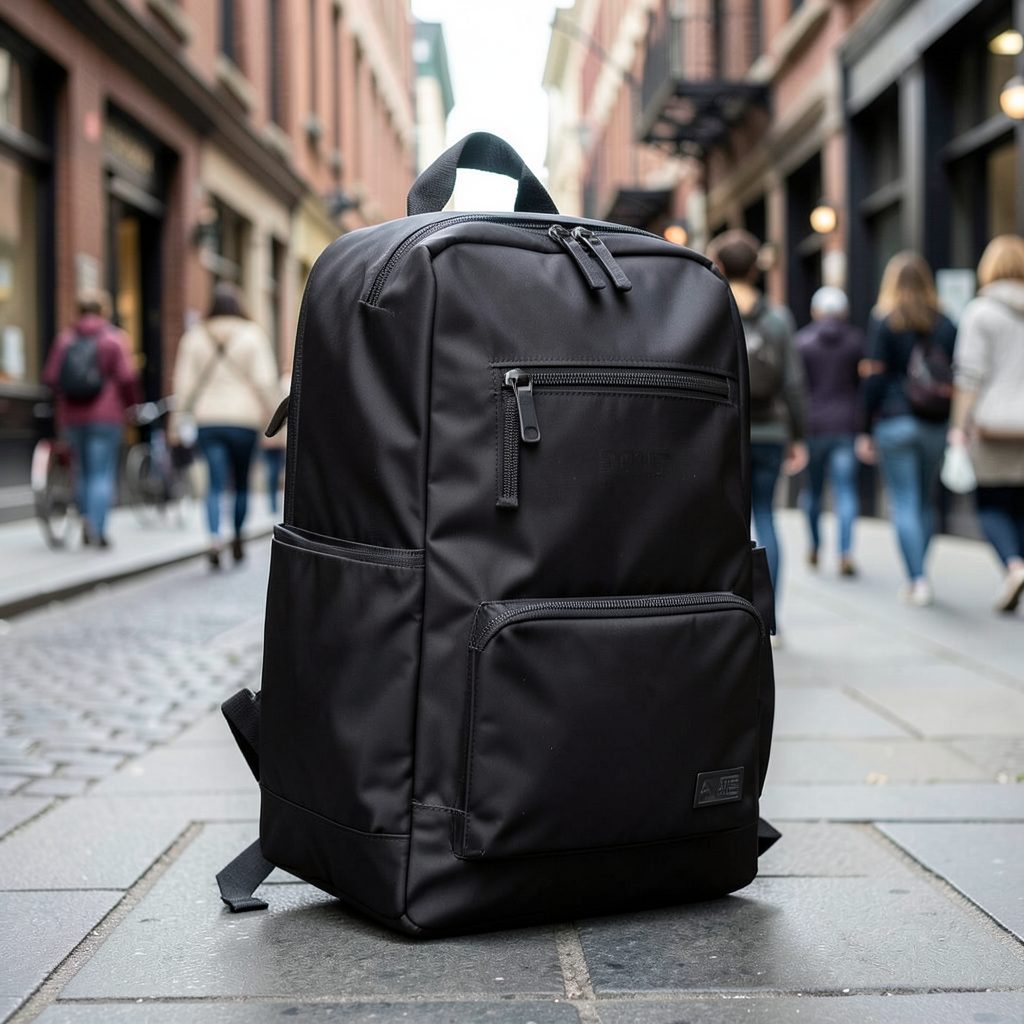
Every backpack is crafted from premium vegan leather with thoughtful details — multiple pockets, removable straps, and colors that work with any wardrobe. Browse the lineup below.