How to Pack a Vegan Leather Bag for a Pool Day Without Getting It Wet
A day at the pool can undo a carefully chosen bag in minutes. Chlorinated water, damp towels, sunscreen and sand gather around zips and seams, while your phone or wallet may sit close to the splash zone. The aim is not to treat the bag as indestructible; it is to separate wet, damp and dry belongings before you arrive. That simple system works for a council pool in Sydney, a YMCA in Melbourne or a holiday resort on the Gold Coast.
Start with construction, not colour. Vegan leather may be PU, coated or another animal-free composite, and some finishes repel a light splash while exposed seams, edge paint and linings absorb moisture. A little preparation protects the appearance and lifespan of the piece. Pack only what you need, keep wet items in a sealed pouch and reserve an easy-to-reach dry area for valuables. These steps matter in Australia’s intense sunshine and sudden summer downpour, when a bag can heat up quickly and meet a second weather event in one afternoon.
Choose a bag for splashes, not storms
Check each product description for the exact material and care instructions. A water-resistant coating can handle an accidental splash, but it is not the same as a waterproof, seam-sealed design. Treat zipped closures, folded edges and unpainted join lines as the most vulnerable points. A structured tote may stay upright better on a pool chair, while a backpack distributes weight comfortably if you are walking from the station or carrying extra beach gear. Choose the shape that matches your actual outing rather than the amount of gear you hope to fit.
If a tote is your preferred shape, browse the travel tote bags and check the lining, handle construction, strap length and care guidance for each option. For a pool visit, look for a wide opening, a flat base and enough internal structure to keep a bottle away from your phone. A wide opening also makes it easier to retrieve a towel without pulling half the bag’s contents onto the ground. Do not assume a dark colour hides damp patches; pigment, texture and edge finishing all affect how water marks appear.
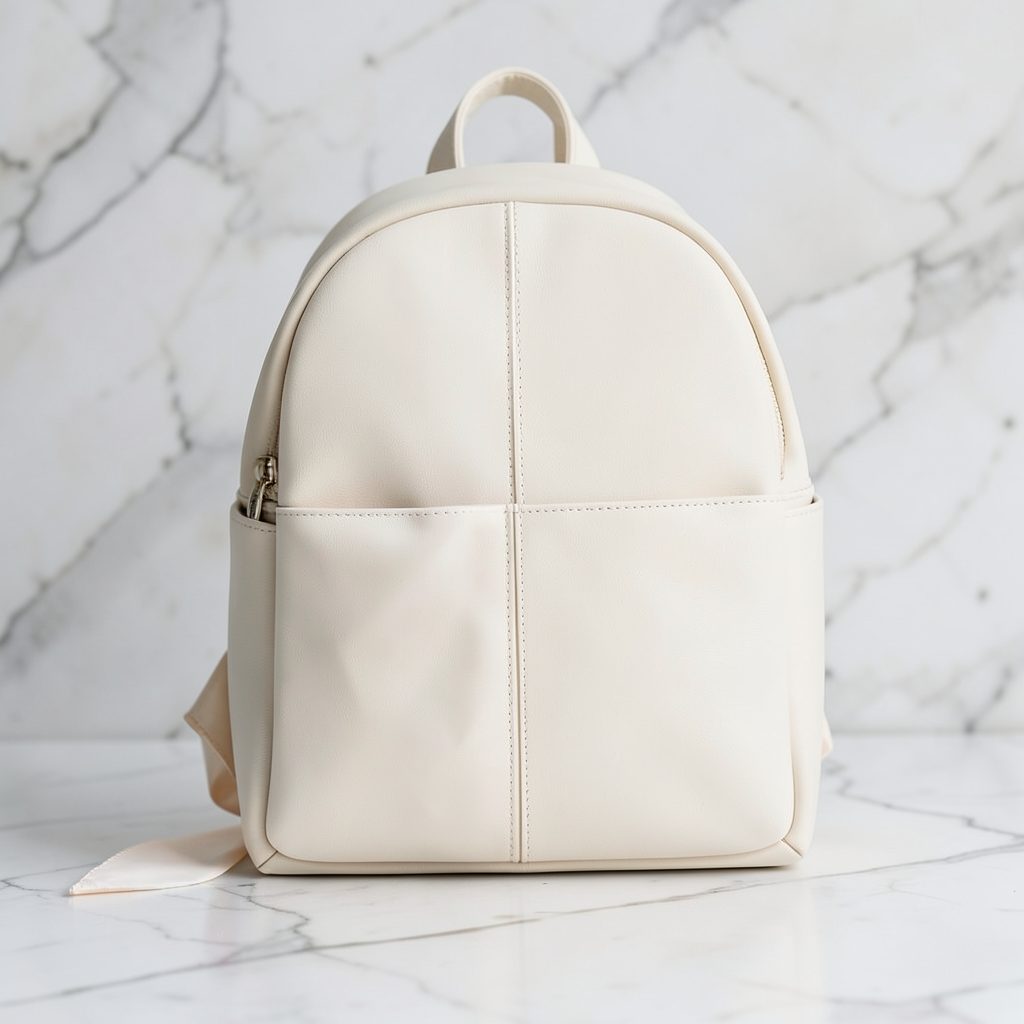
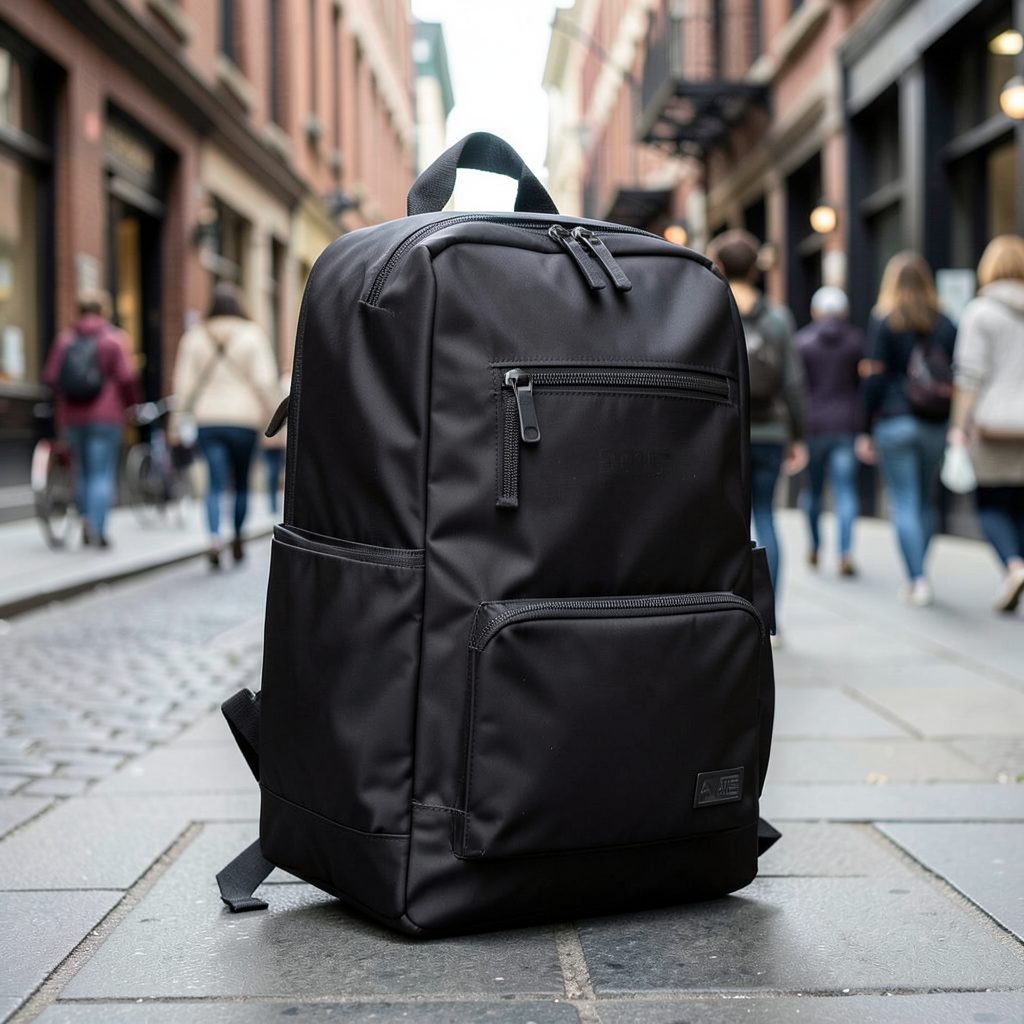
A crossbody bag works well for a short swim when you are leaving most belongings in a locker, but its smaller volume makes organisation more important. Backpacks suit longer days, particularly around Sydney’s Olympic Park or a busy Gold Coast beach, provided you use the zipped main compartment for dry items. Look for adjustable straps that can be tightened if you plan to cycle or walk, and for hardware that will not scratch when the bag rests against a tiled wall.
Build a wet-and-dry packing system
Create three zones before you leave home. Put the phone, wallet, keys and sunglasses in a small waterproof pouch; place the towel, spare clothes or toiletries in a separate sealable bag; and keep sunscreen, a hat and swimwear in the bag’s cleanest section. Colour-coded pouches are useful, but labelling them “wet” and “dry” is clearer after a long day. This prevents a damp swimsuit from transferring moisture to the lining or a sunscreen bottle from staining your belongings.
Roll towels tightly and press out trapped air before sealing them. If you are changing after a swim, a lightweight change of clothes in a zip bag gives wet fabric somewhere to go. Keep a second pair of thongs or a non-slip pair nearby only if you need them; wet soles and sand still find their way into crevices. Use a plastic or reusable waterproof liner as a sacrificial layer, especially if the bag’s inner lining is fabric rather than coated.
Keep electronics away from the pool wall and out of the section you use for damp gear. A padded sleeve protects against knocks, but only a sealed dry pouch protects against spray, condensation and a dropped towel. Carry your pool card, identification and payment card together so you can remove them in one movement. Sunscreen belongs in a wipe-clean section, with the cap closed tightly and a small cloth nearby for fingerprints.
A large reusable drink bottle and a compact umbrella can make the day more comfortable, yet both need designated homes. The store’s water bottle and umbrella guide is a useful reminder to check bottle width, handle clearance and strap attachment before committing to a tote. Stand the bottle upright, away from electronics, and dry the umbrella before packing it. This is particularly handy in Melbourne, where a bright morning can turn into drizzle by lunchtime.
Match your routine to Australian pool customs
Australian pool customs vary slightly by venue. At many council facilities, including Sydney’s Andrew Boy Charlton Pool and pools around Prince Alfred Park, visitors are generally expected to rinse off before entering and to follow posted rules on caps, goggles and glass. Some outdoor pools use salt water while others are chlorinated, so rinsing off after swimming helps remove minerals, sunscreen and chlorine. Keep the rules in mind when packing: leave glass bottles at home and choose swimmers, a towel, goggles and sun protection that meet the venue’s requirements.
Melbourne’s changeable weather deserves a weatherproof outer layer, not just a dry pouch. A lightweight rain shell can fold into the tote on a warm day and protect the bag when showers arrive around an indoor or outdoor pool. Melbourne YMCAs and other booked venues may have lockers, but their sizes and rules differ, so do not rely on one until you have confirmed it. A small packable seat or dry mat is useful beside the lane, and an extra layer handles the walk back through a windy laneway.
On the Gold Coast, humidity and high UV can turn a quick swim into a longer drying job. Apply broad-spectrum SPF 30 or higher before exposure, reapply after swimming as directed, and keep a hat in shade rather than baking it inside a hot bag. Drink bottles should remain sealed and shaded. Choose factory-sealed snacks rather than loose fruit, especially if the pool trip is part of an interstate journey, because Australian biosecurity and customs rules can restrict fresh produce.
Before settling on a colour, use Commune di Labro as a separate style reference, then return to the practical features that affect protection at the pool.
Protect the finish before and after the swim
Prepare the bag before the wet part of the day. Empty the compartments, brush away grit and wipe the exterior with a soft, slightly damp cloth. Let it dry fully, then add a thin layer of suitable conditioner only if the manufacturer recommends it. Conditioners can alter colour or make surfaces slippery, so patch-test first and avoid products containing alcohol or unknown solvents. The goal is an even, protected finish, not a heavy shine.
At the pool, place the bag on a clean chair, dry towel or mat rather than a wet tiled bench. Never stand it in a puddle, and keep it closed when you are not using it. Salt water and chlorine can leave pale mineral or chemical marks if they dry on the surface. After the swim, remove damp contents, wipe the outside again and open the bag in a shaded, ventilated place. Avoid a hair dryer or direct heater; intense heat can warp edges, loosen glue and make some coatings crack.
Do not leave the bag in a parked car during the day. Australian summer temperatures can climb quickly, and heat damage may not be obvious at first. Store it upright, unbuckled and lightly filled so the shape can recover. If it gets damp, air-dry it before putting it in a wardrobe. In the Australian market for vegan leather accessories, clear care information, repairability and accurate material descriptions are just as valuable as a low price, so check those details before buying.
Make your final pool-day choice
Compare the setups by how much gear you carry, not simply by the bag’s appearance. A tote with a waterproof insert is convenient for towels and a full change of clothes, a backpack gives you the most flexible storage, and a crossbody suits a compact swim with a locker. Whichever option you choose, the phone pouch and wet-item bag should remain separate.
| Bag setup | Best for | Packing method | Main watch-out |
|---|---|---|---|
| Vegan leather tote with a waterproof liner | Towels, a full change of clothes and a drink bottle | Keep damp gear in a sealed bag and dry valuables in a separate pouch | Exposed seams and edge paint can still admit moisture |
| Vegan leather backpack | Longer days, walking or cycling to the pool | Use the main compartment for dry items and a lined pocket for electronics | Heat and dampness can collect around the base and straps |
| Vegan leather crossbody | A short swim with most belongings in a locker | Carry only compact essentials in sealed pouches | Limited capacity makes bulkier items likely to affect the closure |
| Any bag with two reliable pouches | Protecting small essentials and separating wet items | Label one pouch for wet gear and keep valuables in the other | Pouches must be properly closed to provide reliable protection |
Make a final sweep before leaving: empty drink bottles, check that wet items are sealed, keep sunscreen accessible and confirm that your valuables are in the protected compartment. At the venue, move the dry pouch first when you unpack, then place damp gear in one corner of a locker or mat. On the way home, keep wet fabric away from the phone and refillable bottle, and never zip a damp towel into a dry section. These small habits prevent a minor splash from becoming a soaked interior.
When you are ready to pack lighter and smarter, explore the vegan leather backpacks, totes, crossbody bags, wallets and accessories at Travel Starter Pack, then choose the shape that suits your next pool day. The store promotes animal-free materials, durable designs, free worldwide shipping and order tracking, while its sale collection and newsletter can help you follow new arrivals and offers. Pick one reliable bag, add two well-sealed pouches and make your next trip to the pool a dry-day success.
Our Backpack Styles
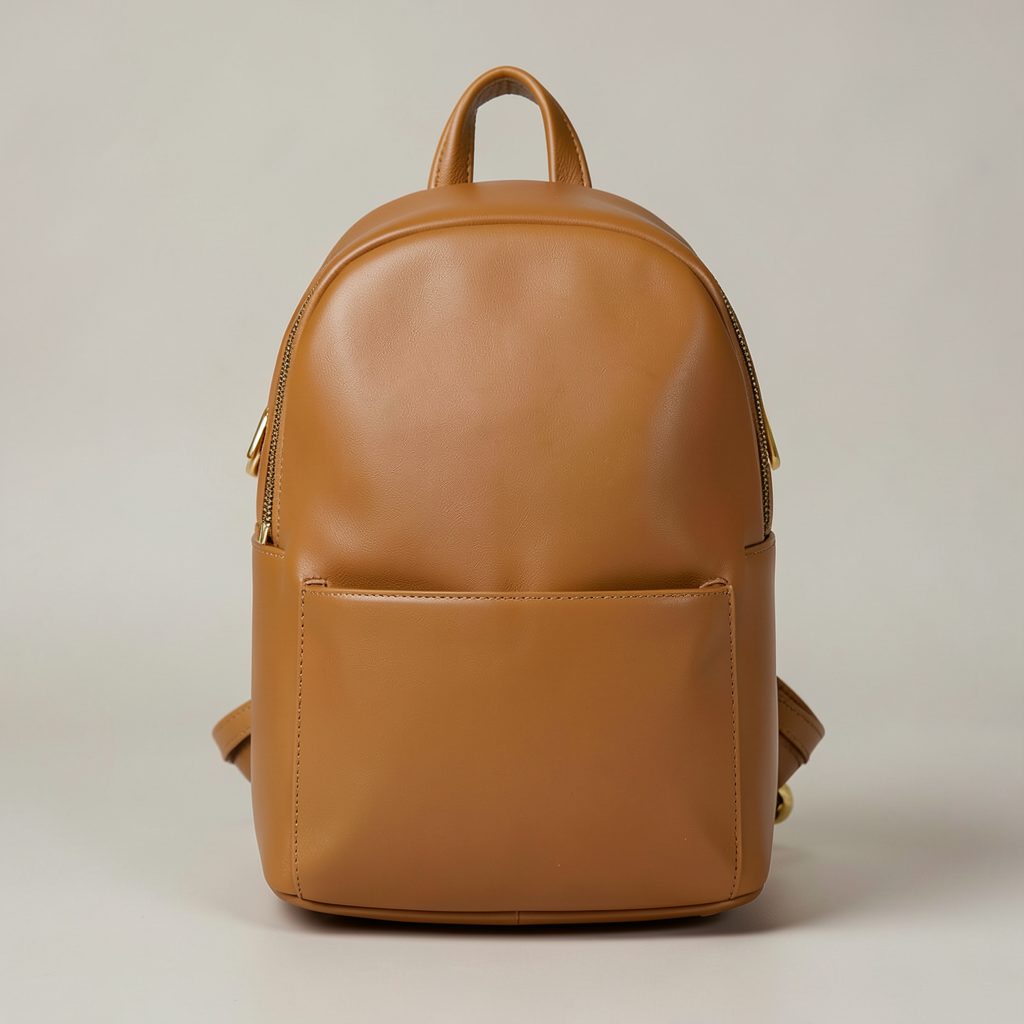
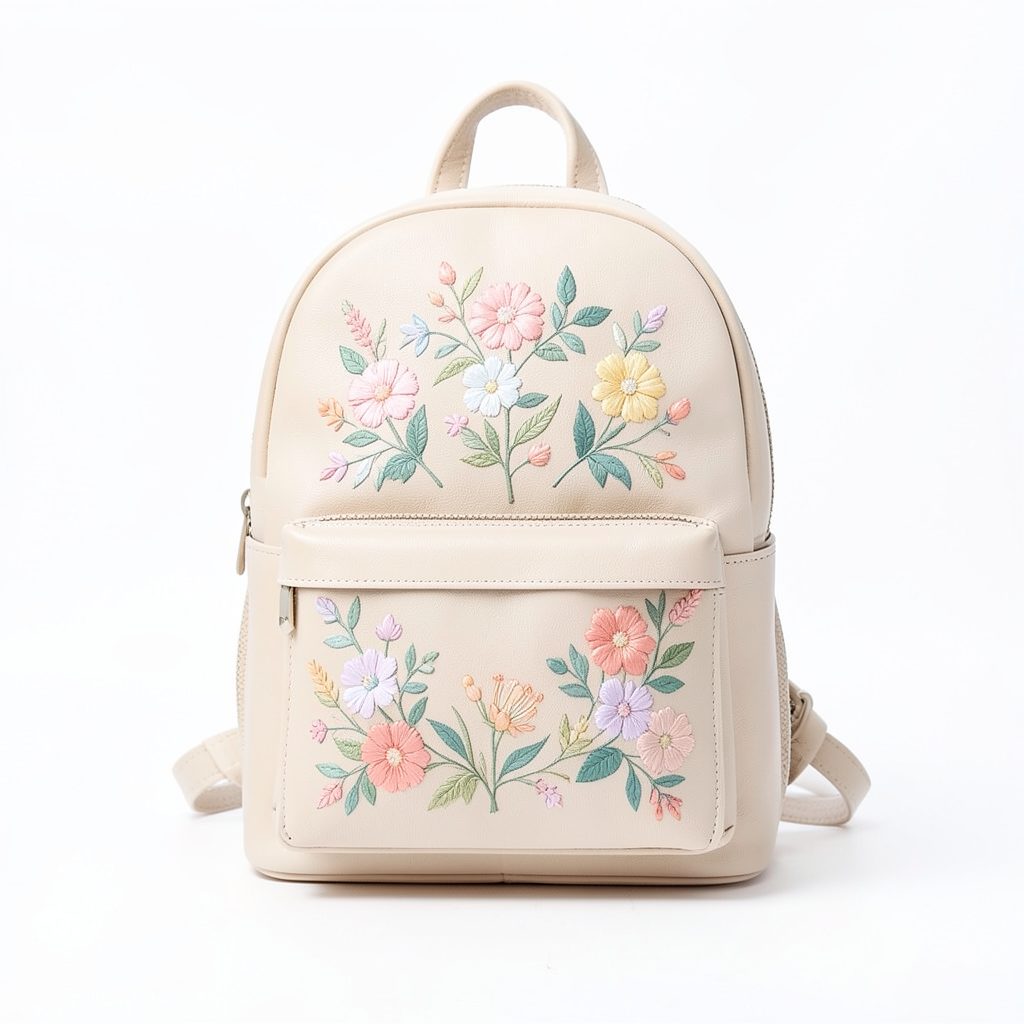
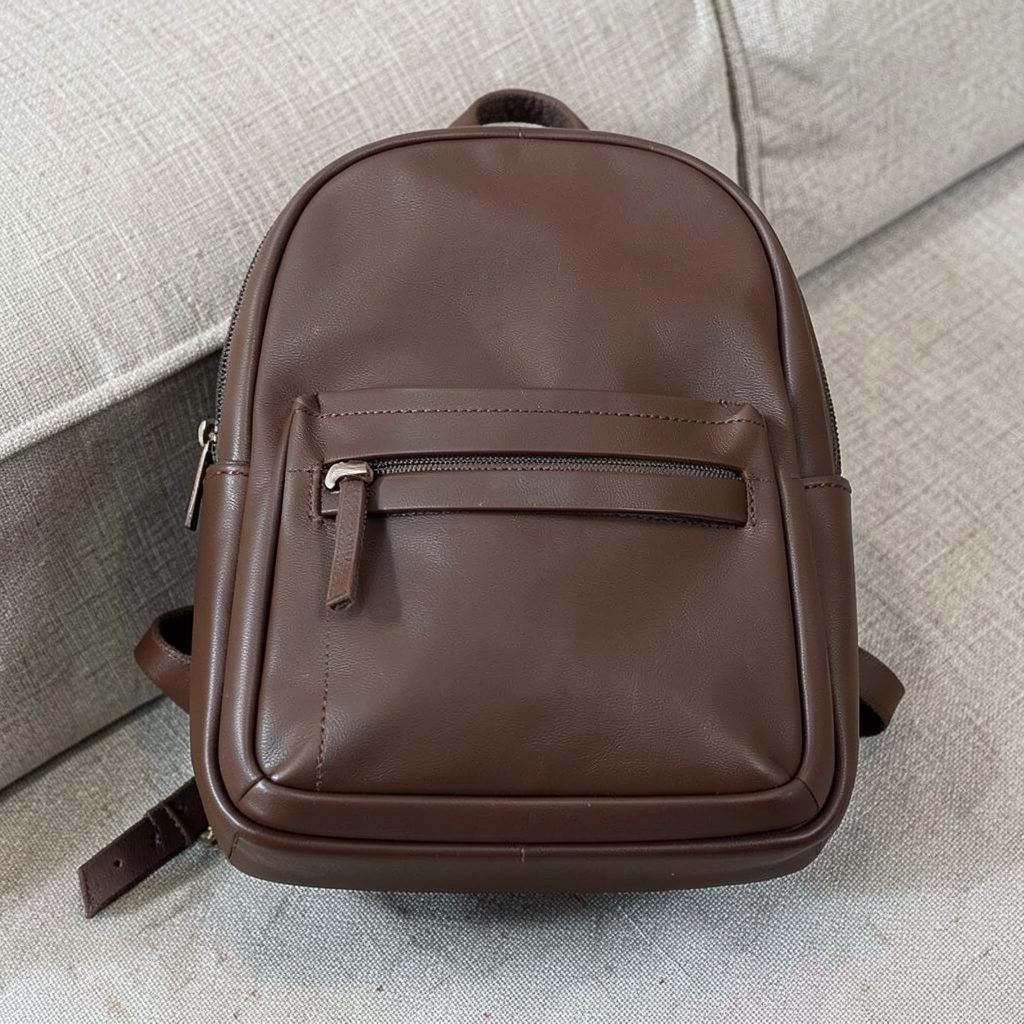
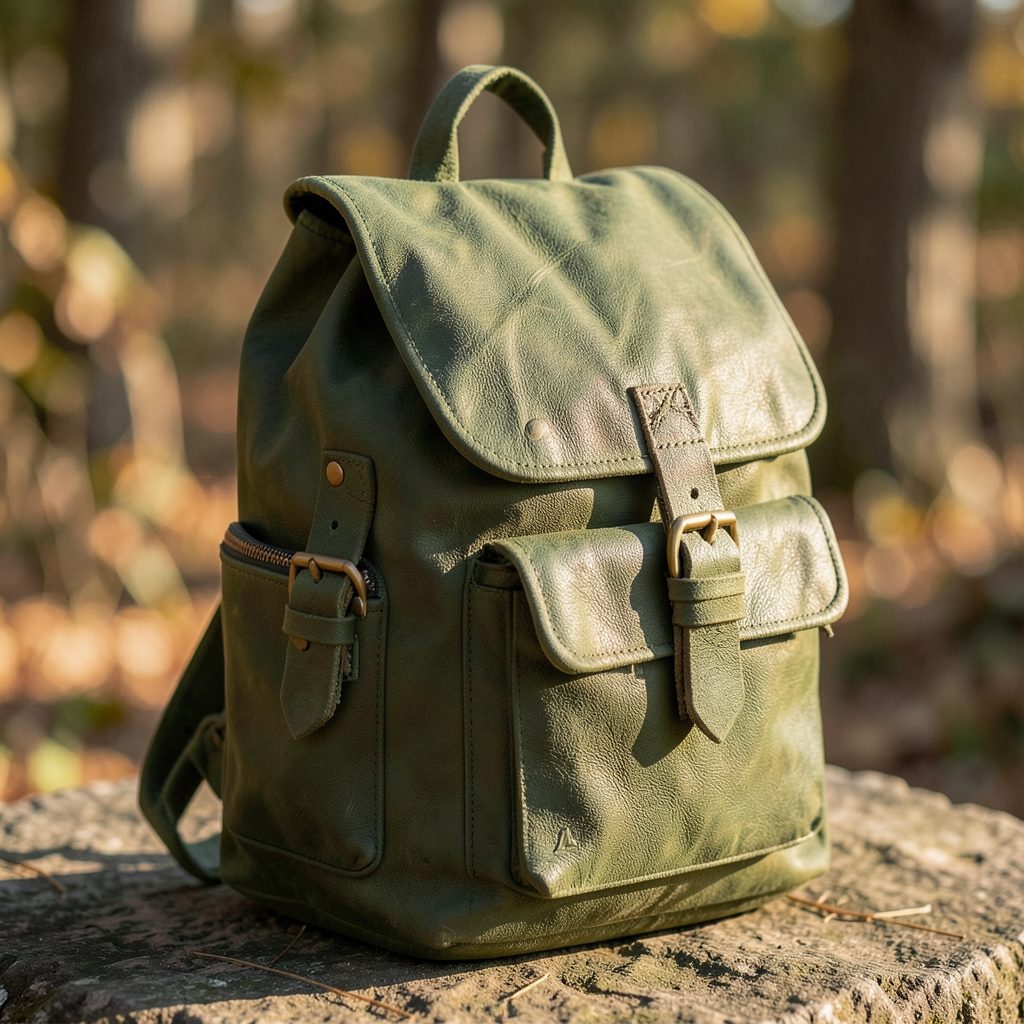
Every backpack is crafted from premium vegan leather with thoughtful details — multiple pockets, removable straps, and colors that work with any wardrobe. Browse the lineup below.