How to Pack a Crossbody Bag Without Overstuffing It
A crossbody bag is designed to keep everyday essentials close while leaving your hands free. That convenience disappears when the bag becomes bulky, difficult to close, or heavy enough to pull against your shoulder. A well-packed bag should feel organized rather than crowded, with enough room for what you need and little space wasted on duplicates.
The key is to treat a small shoulder bag as a carefully edited carry system. Instead of packing for every possible situation, choose items that serve several purposes, arrange them according to how often you use them, and remove anything that has been sitting inside untouched for days.
Vegan leather crossbody bags are especially useful for city walks, travel days, shopping trips, and casual evenings. Their compact shapes encourage lighter packing, while practical compartments can help separate valuables from quick-access items. With a few simple habits, you can carry more comfortably without giving up the essentials.
Start With A Short Essentials List
Before placing anything inside your bag, decide what you genuinely need for the outing. Most people can manage with a phone, keys, cardholder or wallet, identification, and a small amount of personal care equipment. Depending on your destination, you may also need sunglasses, medication, earbuds, or a compact reusable shopping bag.
Lay these items on a table or another flat surface. Seeing everything together makes duplicate items easier to spot. You may discover that you have packed two lip products, several receipts, multiple charging cables, or a full-size lotion that could be replaced by a travel-sized version.
Think in categories rather than individual objects. Your “payment” category might contain a slim wallet and one transit card. Your “personal care” category might include lip balm, tissues, and hand sanitizer. This approach limits the number of loose objects and makes it easier to decide what belongs in the bag.
The purpose of a small bag is to support your plans, not to act as a portable storage drawer. If an item is included because you might need it someday, leave it at home unless the day’s activity makes it genuinely useful.
Match The Bag To The Day
Different crossbody styles suit different packing needs. A slim envelope-shaped design works well for dinner, concerts, or errands when you only need a few essentials. A medium structured style gives you space for sunglasses, a compact umbrella, or a small notebook. A wider casual crossbody can accommodate travel documents and a few comfort items without feeling like a full backpack.
Pay attention to the bag’s shape as well as its stated capacity. A soft bag may expand, but overfilling it can distort the silhouette and place pressure on the zip or seams. A structured vegan leather bag maintains its form, so items need to be selected and positioned more carefully.
For a practical example, a woven crossbody bag can add visual interest to a travel outfit while encouraging a lighter load. Its compact profile is best used for essentials that you can reach quickly, rather than bulky extras that belong in checked luggage, a backpack, or a hotel room.
The strap also affects comfort. Adjust it so the bag rests around hip or upper-thigh level, depending on your height and preference. Wearing it across the body distributes weight more securely than carrying it on one shoulder, but a crowded interior can still cause strain.
Use A Simple Packing Order
Place the heaviest flat item against the side of the bag closest to your body. This might be a small wallet, passport holder, or phone power bank. Keeping weight near your center of gravity helps the bag hang neatly and reduces swinging as you walk.
Next, add medium-sized items that you may use during the day. Sunglasses should go into a protective sleeve, while tissues, hand sanitizer, or medication can be grouped in a small pouch. Soft items can fill narrow spaces, but avoid using them to force the bag beyond its natural capacity.
Small objects should occupy internal pockets or a single organizer pouch. Keys, earbuds, coins, and lip balm tend to disappear when they are dropped into the main compartment. A dedicated pocket makes retrieval faster and prevents you from repeatedly emptying the bag to find one item.
Keep the items you use most often near the top or in an exterior pocket. Security-sensitive belongings, such as identification and payment cards, should stay in a zipped internal compartment. If the bag has one large open interior, use a slim pouch to create structure without taking up much space.
| Item Category | Best Location | Packing Tip |
|---|---|---|
| Phone | Quick-access pocket | Keep it separate from keys to prevent scratches |
| Cards and identification | Zipped interior section | Use a slim wallet instead of a large purse |
| Keys | Clip, key sleeve, or small pocket | Remove bulky keychains and old keys |
| Sunglasses | Protective case near the top | Choose a compact case with a flat profile |
| Personal care items | Small pouch | Carry travel sizes and avoid duplicates |
| Charger or power bank | Interior side against the body | Bring one cable suited to your device |
| Receipts and loose paper | Temporary outer pocket | Empty this pocket at the end of the day |
Reduce Bulk With Smarter Alternatives
The easiest way to make room is to replace oversized versions with compact equivalents. A full bottle of hand cream can become a small refillable tube. A thick notebook can be exchanged for a folded note card or a phone memo. A large wallet can often be replaced with a cardholder containing only the cards you use.
Look for items that combine functions. A phone case with a card slot may eliminate the need for a separate wallet on a short outing. A small scarf can provide warmth, act as a hair accessory, or protect delicate items inside the bag. A foldable tote can be useful for unexpected purchases without taking up the space of a rigid shopping bag.
Packaging is another common source of unnecessary volume. Remove cardboard sleeves, duplicate instruction leaflets, and bulky retail packaging before leaving home. Keep essential medication in its proper labeled container, but consider whether other products can be carried in smaller approved containers.
Choose accessories that complement the bag’s proportions. A large metal keychain, oversized sunglasses case, or thick cosmetic pouch can consume more room than its contents. Lightweight vegan leather wallets and slim organizers are particularly useful because they provide structure without adding excessive bulk.
Create A Routine For Everyday Organization
A crossbody stays manageable when it is reset regularly. At the end of each day or trip, remove receipts, wrappers, used tissues, and items that belong elsewhere. This takes less than a minute and prevents clutter from building into a permanent second layer beneath your daily essentials.
Use a weekly check to review what you carry most often. If an item has not been used for several outings, question whether it needs to remain in the bag. Seasonal changes may also require a reset: replace winter gloves with sunglasses, exchange a heavy moisturizer for a lighter option, or remove travel documents after returning home.
Small pouches can help, but too many organizers create their own problem. One slim pouch for personal care or cables is usually enough for a compact bag. If every category has a separate case, the empty space between those cases may become larger than the items themselves.
A consistent home for each belonging makes packing faster. Keep keys in the same pocket, cards in the same wallet section, and emergency items in the same pouch. When you know where everything goes, you can identify missing essentials before leaving and avoid adding unnecessary backups.
Pack For Comfort And Security
Weight matters as much as volume. A bag may close easily while still being uncomfortable after several hours of walking. Place it on your shoulder or across your body before leaving and notice whether the strap digs in, the bag swings, or one side feels heavier than the other.
Aim to keep the contents balanced. If all the weight sits in an exterior pocket, the bag may tip away from your body. Heavy items should rest low and close to you, while light, soft objects can fill the remaining spaces. Avoid carrying a water bottle unless the bag is specifically designed to support its weight.
Security is part of efficient packing when you are traveling. Keep zips closed in crowded places and position the bag in front of your body on public transport. A crossbody design offers a secure carrying method, but an overfilled bag can make the closure harder to operate and may signal that it contains valuable items.
When traveling, separate the essentials you need during transit from items that can remain in a larger suitcase or backpack. A travel-friendly crossbody should hold your passport or identification, payment method, phone, medication, and perhaps a small comfort item. Documents should lie flat, while valuables should remain in a secure internal compartment.
Adjust Your Carrying Kit By Activity
A workday may require a cardholder, access pass, compact notebook, earbuds, and charging cable. A sightseeing day may call for sunscreen, sunglasses, a transit pass, and a foldable tote. An evening out usually needs far less. Building several small packing combinations prevents you from carrying the largest possible load everywhere.
For a short trip, plan around the environment rather than packing for every hypothetical event. Check the weather, consider how long you will be away, and identify whether shops, cafés, or transport stations will be available along the route. This helps you make practical decisions about water, layers, snacks, and personal care products.
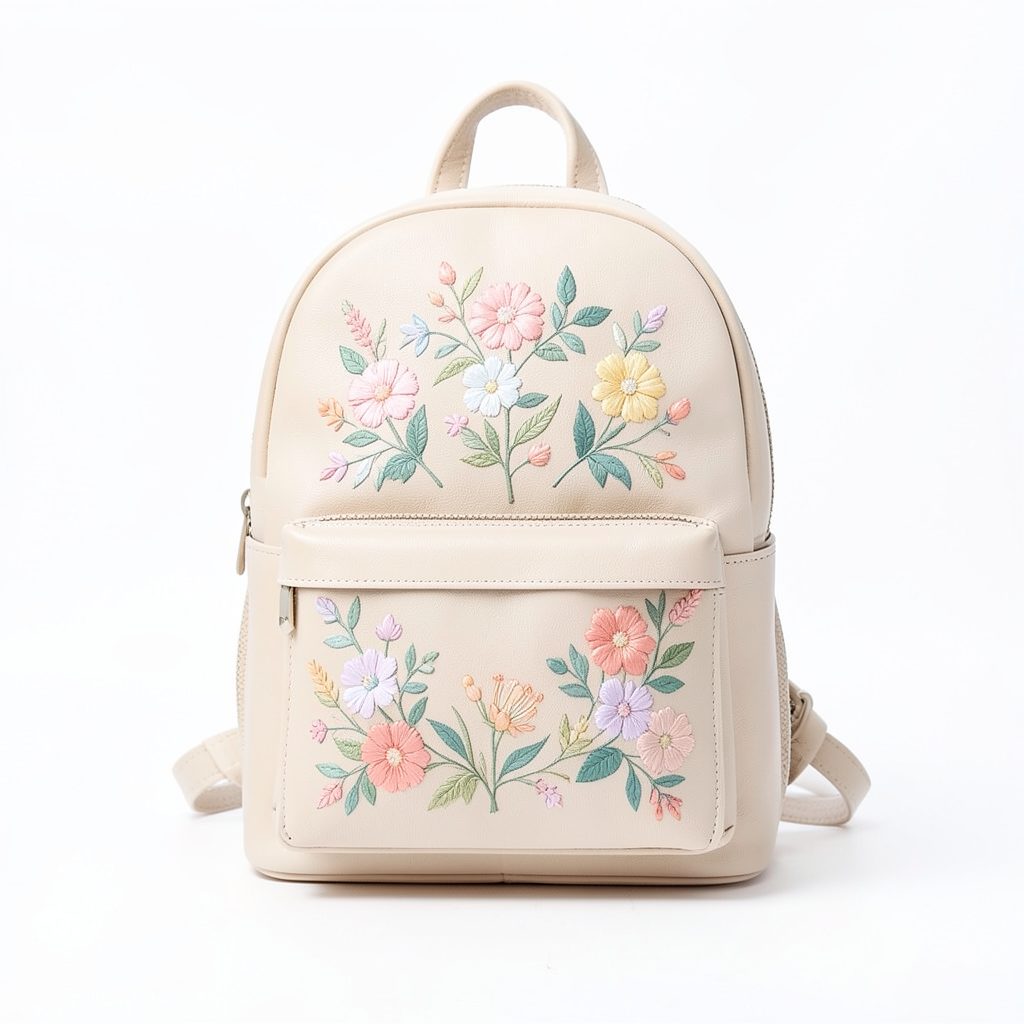
A coordinated travel set can also make organization easier. For instance, someone carrying a floral design backpack may reserve the backpack for bulkier items while using a smaller crossbody for documents and valuables. This division keeps the floral embroidery backpack from becoming overloaded and gives the crossbody a clear, manageable purpose.
For daily use, keep a small core kit permanently ready, then add only activity-specific items. This method is faster than repacking from scratch and protects you from the familiar habit of filling every available pocket simply because it exists.
Keep These Packing Habits In Place
A few consistent choices make overstuffing much less likely:
- Choose a bag size that matches the essentials you carry most often.
- Remove duplicate products, old receipts, loose change, and unused cables every evening.
- Use one slim pouch to group small items instead of several bulky cases.
- Place heavy belongings close to your body and reserve quick-access pockets for light essentials.
- Leave enough room for the zip to close naturally without stretching or distorting the bag.
The right stopping point is reached when the bag closes without pressure, hangs comfortably, and lets you find each essential within seconds. Empty space is useful: it protects the bag’s shape, leaves room for a small unexpected purchase, and keeps the contents from becoming a tangled mass.
A compact crossbody can support a surprisingly broad range of activities when every item earns its place. By editing your essentials, choosing smaller alternatives, and arranging the interior with purpose, you create a lighter everyday carry that feels polished and practical.
Explore Travel Starter Pack’s vegan leather bags and accessories to find a crossbody style suited to your routine, whether you are preparing for a city break, a daily commute, or a relaxed weekend outing. Choose a design that fits your essentials, pack it with intention, and make comfortable hands-free travel part of every journey.
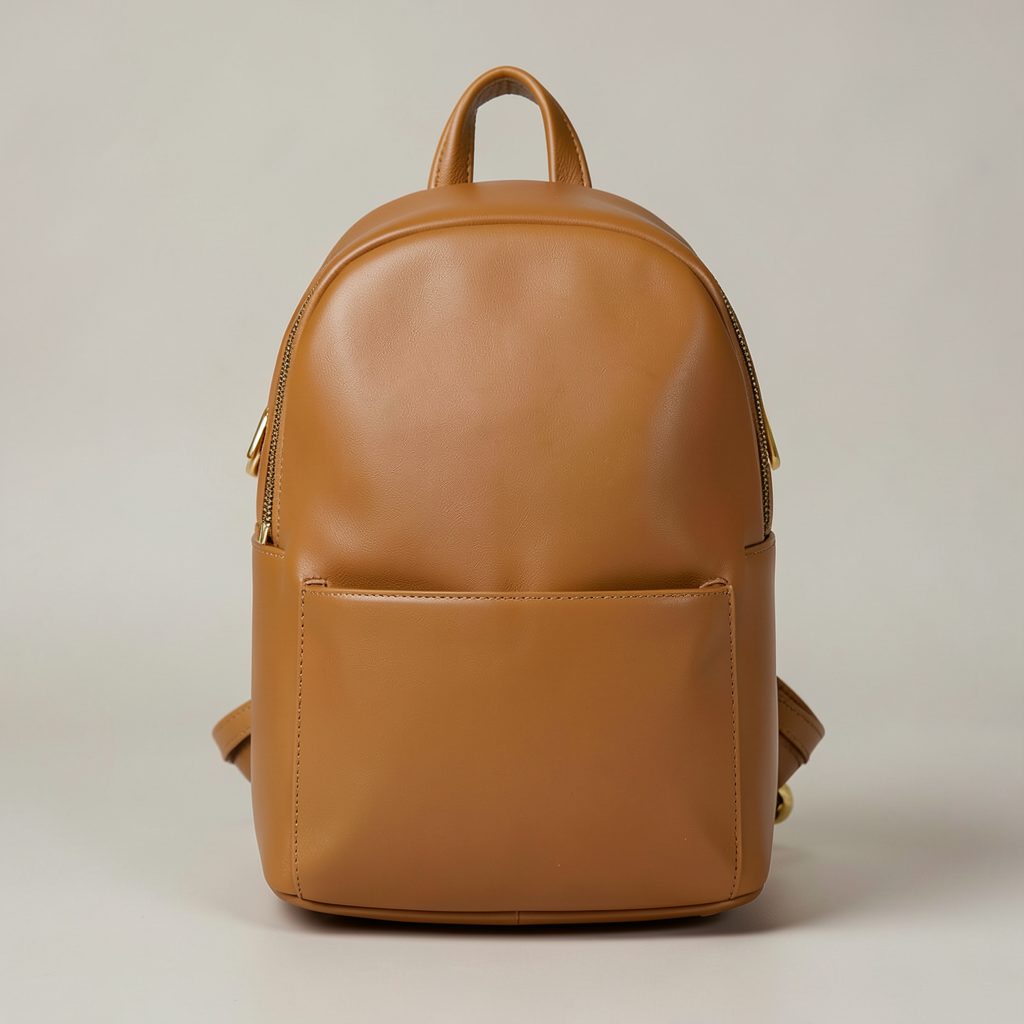
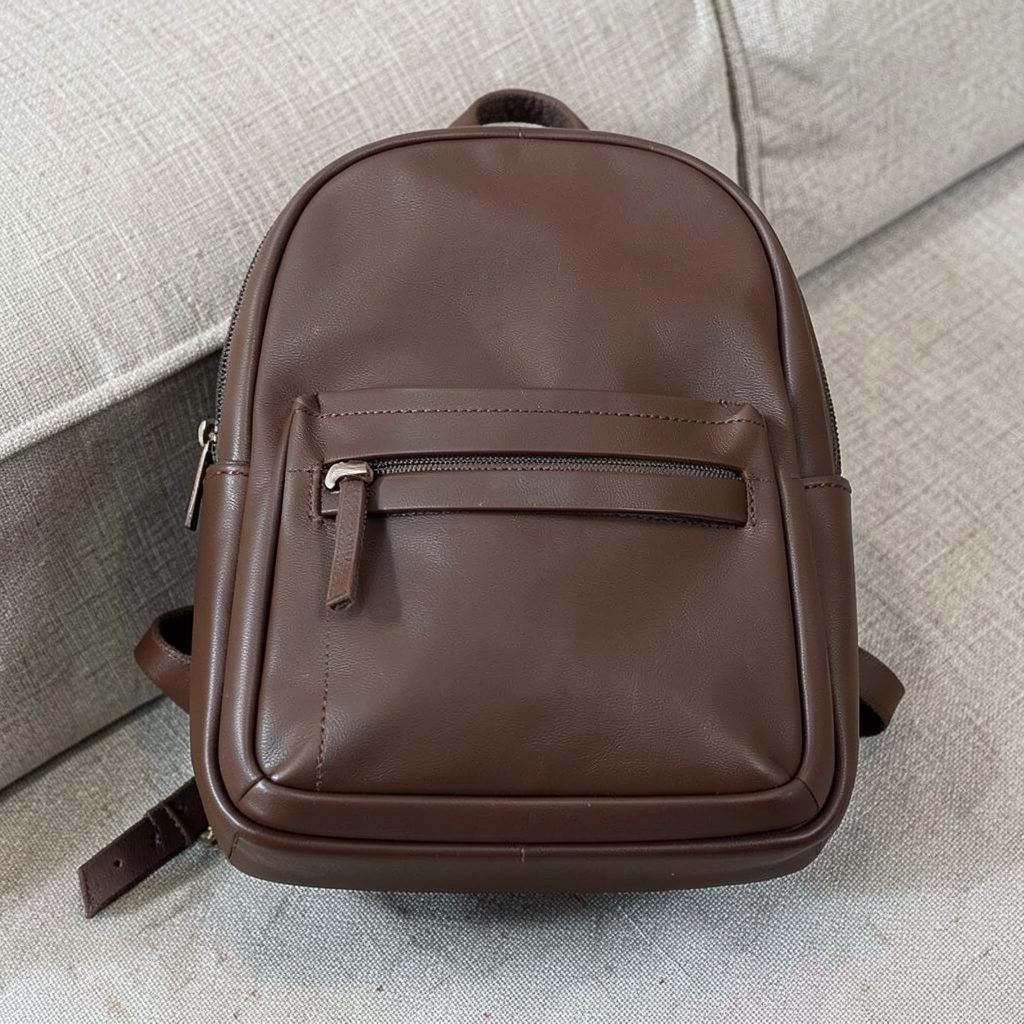
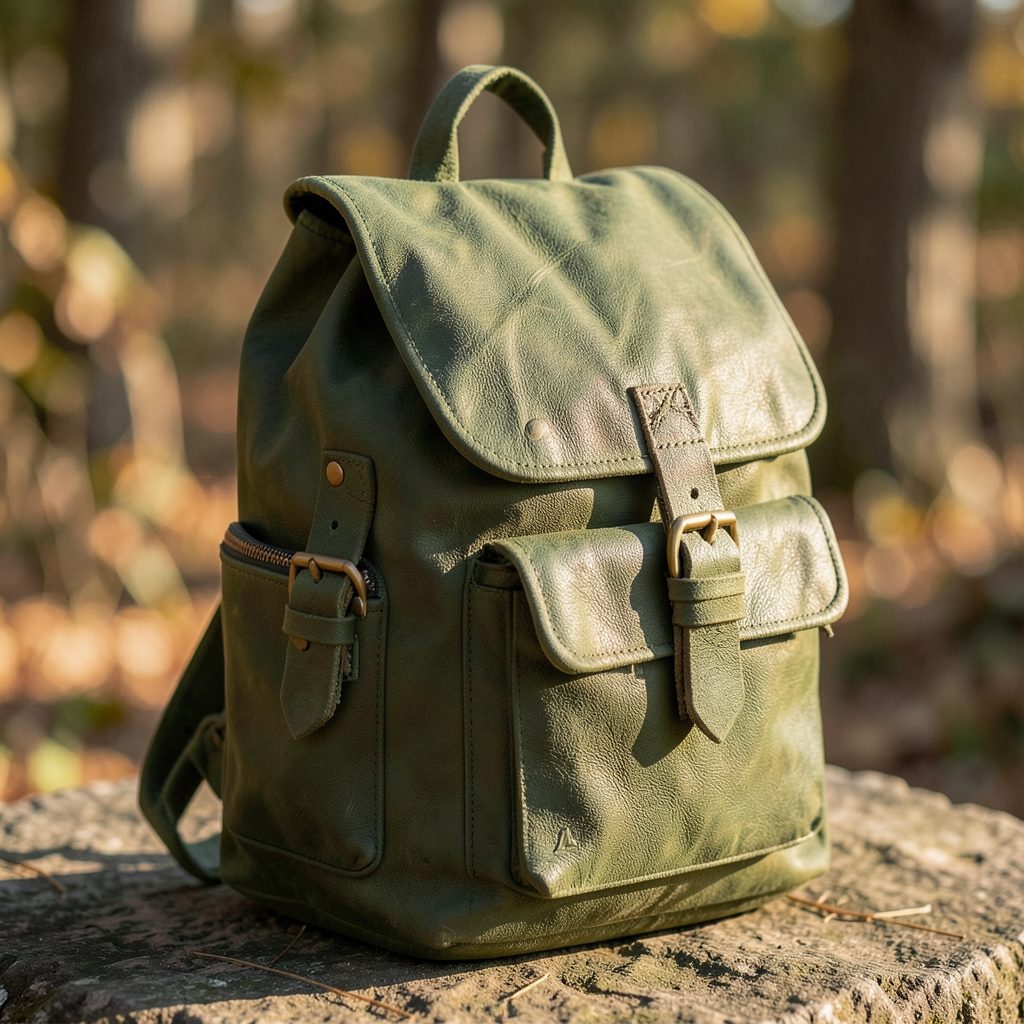
Our Backpack Styles
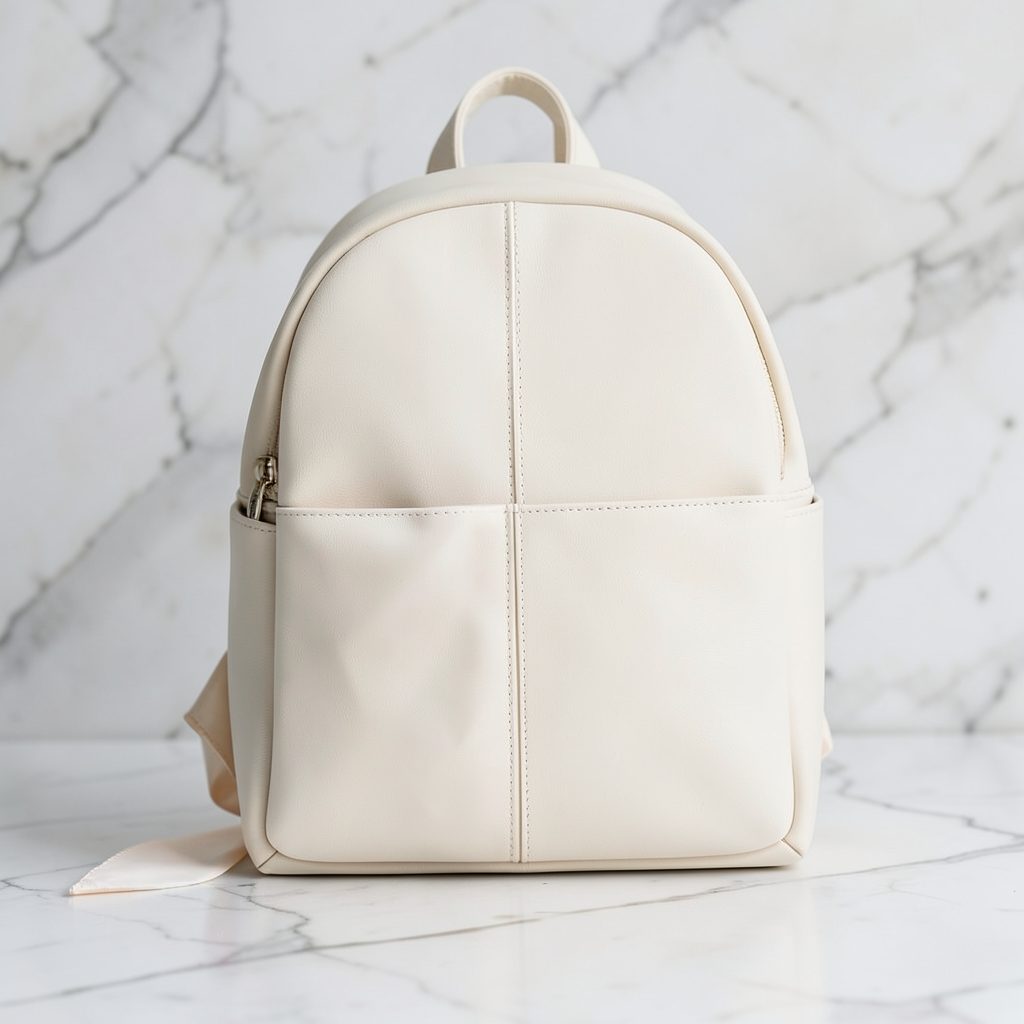
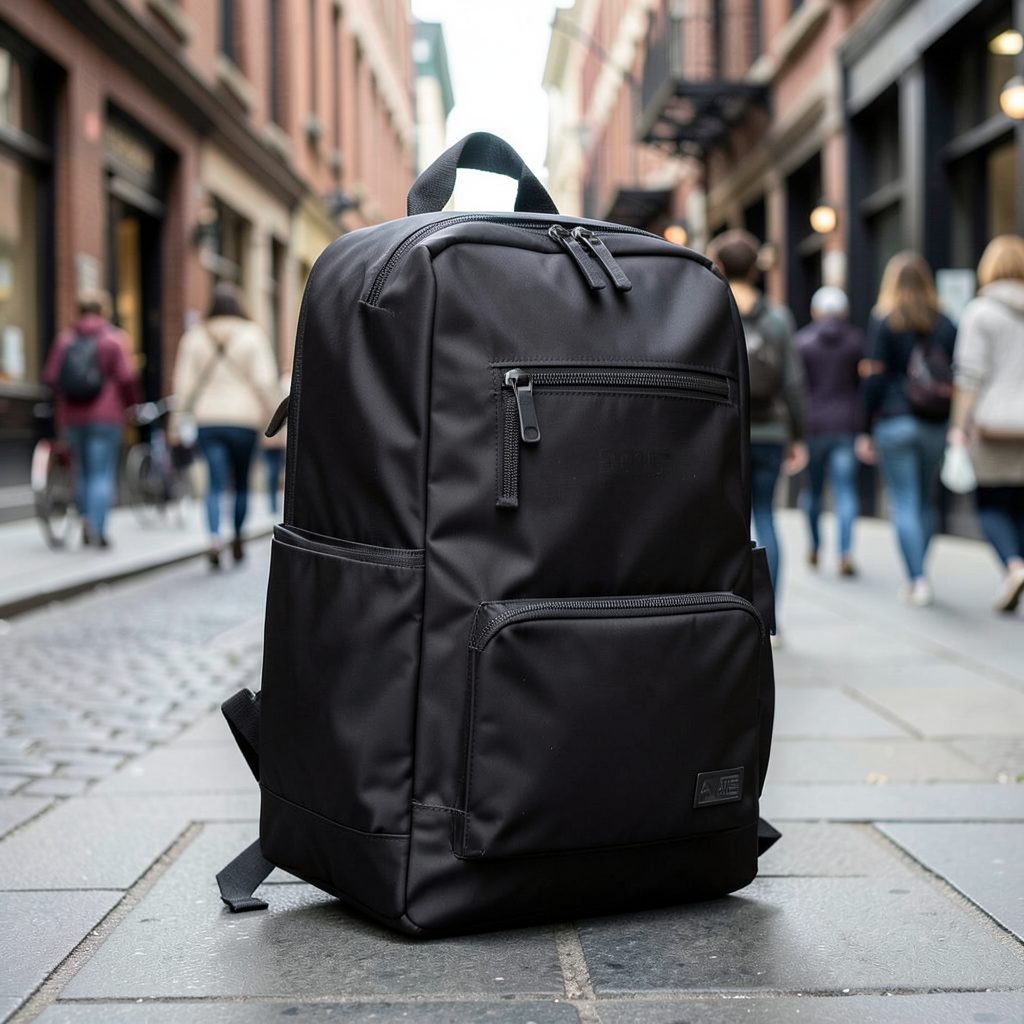
Every backpack is crafted from premium vegan leather with thoughtful details — multiple pockets, removable straps, and colors that work with any wardrobe. Browse the lineup below.