Pack Smart: Organise a Vegan Leather Tote and Travel Pouches for a Day Trip
A quick lap from Bondi to Bronte, a tram ride into Melbourne's laneway scene, or a slow arvo wandering through the rocks around Fremantle — these are the kinds of days that ask very little of your bag and very much of your organisation. The tote on your shoulder has to carry a thermos, sunscreen, a spare layer, your keys, your phone, perhaps a paperback, and a snack grabbed from a servo on the way out of town. Without a system, the whole thing turns into a black hole by lunchtime.
A well-thought-out vegan leather tote paired with a small set of travel pouches changes that completely. Each pouch has one job, the tote keeps them contained, and you can swap pieces in and out depending on the day. The setup works whether you are heading into the city for a meeting, catching a flight to Hobart, or doing the Byron Bay lighthouse loop. Below is a practical, climate-aware guide to building that system, plus a few pointers drawn from how travellers in this country actually move.
Picking the Base Tote and the Right Kind of Pouches
The tote is your foundation, so it pays to start there. A roomy, soft-structured vegan leather tote around 35 to 40 centimetres wide gives you space for a 13-inch tablet, a folded jumper, and three or four pouches without straining the handles. Look for reinforced stitching at the strap joins, an internal zip pocket for valuables, and a wipe-clean interior lining because sunscreen and iced coffee have a way of escaping at the worst moment. Vegan leather has come a long way in recent years, and the better versions handle humidity, salt air, and a sudden coastal shower far better than older PU blends.
Pouches are the engine room. Aim for three to five pouches in complementary sizes: a flat zip pouch around 18 by 12 centimetres for documents and cables, a mid-size cube for beauty and self-care items, and a small washable pouch for snacks or rubbish. Colour-coding helps when you are digging around in low light, say at a sunset flight into Cairns. Many travellers here also keep a slim pouch reserved for the bits you grab on the move, like the receipt from a roadhouse pie or the stub from a parking meter, so the main bag stays tidy.
Comparing Pouch Styles for Different Day Trip Setups
| Pouch style | Best for | Material | Travel advantage |
|---|---|---|---|
| Flat zip pouch | Passport, cards, cables | Vegan leather or recycled nylon | Slim profile fits at the bottom of the tote |
| Mid zip cube | Beauty, sun care, first aid | Water-resistant canvas | Stands upright on a café table |
| Wet/dry pouch | Swimwear, towel, sweaty gear | Coated recycled fabric | Keeps moisture away from electronics |
| Insulated mini pouch | Snacks, baby items | Lined vegan leather | Holds temperature for an hour or two |
Choosing the right pouch combination comes down to the kind of day you have planned. A coastal walk from Coogee to Maroubra calls for a wet/dry pouch and a solid sun-care cube, while a city day bouncing between galleries and a long lunch in Surry Hills only needs a flat zip pouch for cables and a mid cube for touch-ups. The wet/dry pouch is the piece that surprises most travellers — even on a dry day, a towel after a swim, a damp jacket, or a leaky water bottle can ruin an otherwise tidy tote.
The Five Pouch Method for a Smoother Day
This is the system most frequent travellers settle on once they have tried everything else. One pouch per category, kept in the same place every time you pack, so muscle memory takes over.
The first pouch handles tech: phone charger, power bank, earbuds, and a short cable. The second is for daily essentials, meaning wallet, sunglasses, keys, and a folded tote bag for spontaneous shopping. The third holds beauty and self-care, with a lip balm, SPF 50 stick, hand cream, and a few hair ties. The fourth is a snack and hydration pouch, particularly useful for kids or long drives where a servo stop is not always around the corner. The fifth is a small clear pouch for receipts, parking tickets, and any rubbish you collect on the way, because leave-no-trace etiquette is taken seriously in national parks from Wilsons Prom to Kakadu.
Stack the pouches upright in the tote so each one is easy to grab. Place the heaviest pouch, usually the tech one, against the back panel so it does not slump forward when the bag is set down. Keep the clear pouch clipped to the inside D-ring if your bag has one, so it is the last thing you remember before leaving a café or a trailhead.
Building Around Local Climate and Australian Travel Habits
Australian weather can flip from pleasant to punishing in the space of a single morning, and that has a real impact on what you pack. UV levels reach extreme in summer across most of the country, so a mineral SPF stick that fits inside a beauty pouch is non-negotiable. A compact refillable water bottle also earns its place because taps at many regional rest stops and trailheads are unreliable, and buying bottled water adds up fast across a long drive.
Local habits also shape the kit. Australians tend to carry a keep-cup for a flat white, pack swimmers ("bathers") in case a beach stop appears out of nowhere, and keep a light layer in the bag even in November. A reusable tote folded into a pouch is also a quiet hero, particularly in states with container deposit schemes, where popping into a Coles or Woolworths for a quick drink means an extra ten cents back per bottle if you have somewhere to stash the empties. Slipping a slim card holder and some coins for parking meters into the daily essentials pouch saves the usual hunt through the bottom of the bag.
A small first-aid pouch is worth including as well. Blister plasters, a couple of paracetamol, antihistamines, and a sting-soothing cream cover most of the surprises you will run into on a day out. If you are heading into the bush or along the coast, add a tick-removal card and a small snake bandage, both of which take up almost no space.
Mixing Wears with the Rest of Your Travel Wardrobe
The beauty of a pouch-based system is that it slips easily between bags. The same pouches that live in your tote can move into a larger backpack for an overnight, a crossbody for an evening out, or a weekend duffel for a domestic flight. If you want a single piece for those in-between moments, something like the crossbody bags range from Travel Starter Pack works well as a secondary carry for the times when you leave the tote in a hotel room or at the car.
For travellers who want even more versatility, there is a clever guide on turning a sling into an evening crossbody, which is worth a read if your day finishes with a stroll through the city. Transform a sling into an evening crossbody explains how a few simple adjustments can take a casual day bag into a smarter setting without needing to pack a second piece.
Quick wins to make the system last longer on the road:
- Empty and air out the tote every evening, especially after beach days
- Wipe vegan leather with a damp cloth, never a harsh solvent
- Rotate pouches so the same one does not always sit at the bottom and wear out faster
- Keep a small repair kit (safety pin, mini sewing kit, spare button) in one pouch
Pouch ideas to consider if you are starting from scratch:
- A recycled nylon set in matching colours for a calm interior
- Transparent zip pouches for airports and security checks
- A dedicated snack pouch with a wipe-clean lining for parents
- A slim RFID-blocking wallet pouch for crowded markets and festivals
Browse the Travel Starter Pack collection today and start building the day-trip system that suits the way you actually travel, from a quick Sydney harbour loop to a slow week along the Great Ocean Road.
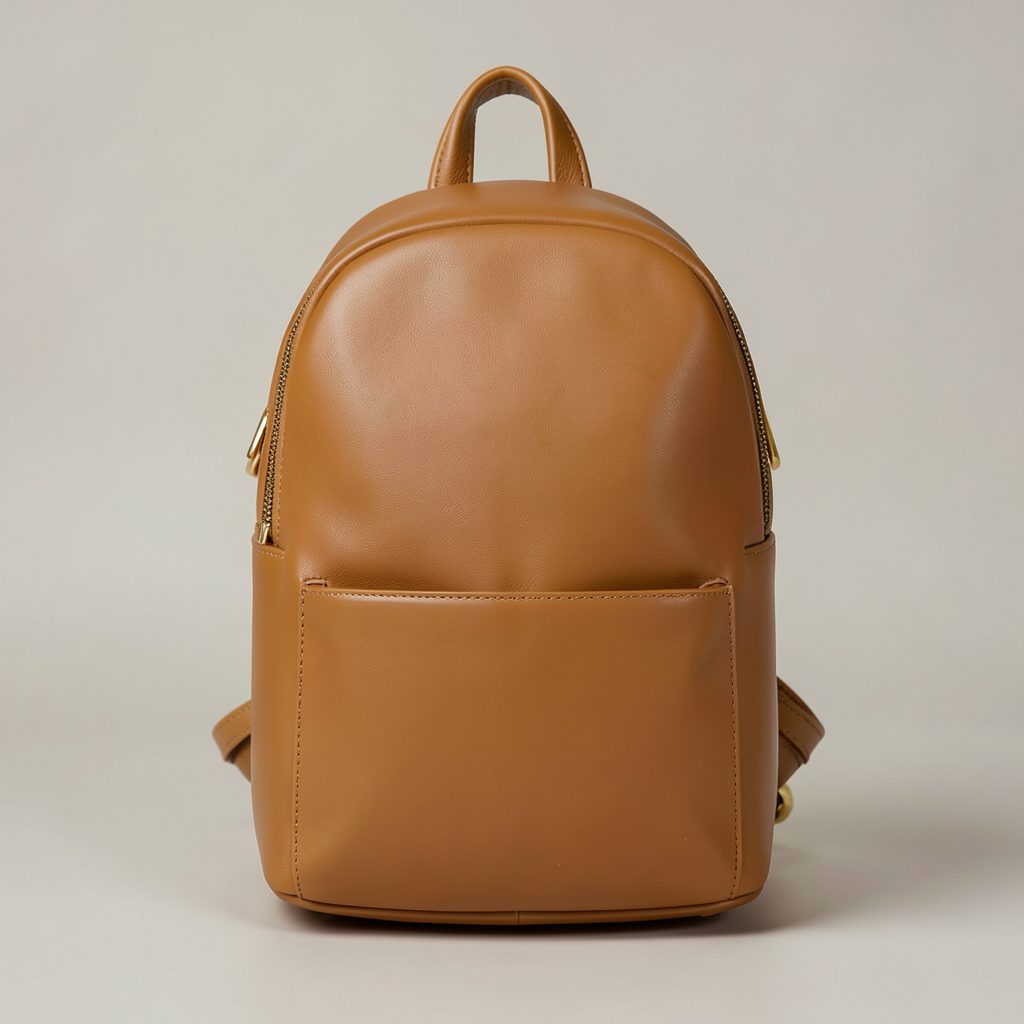
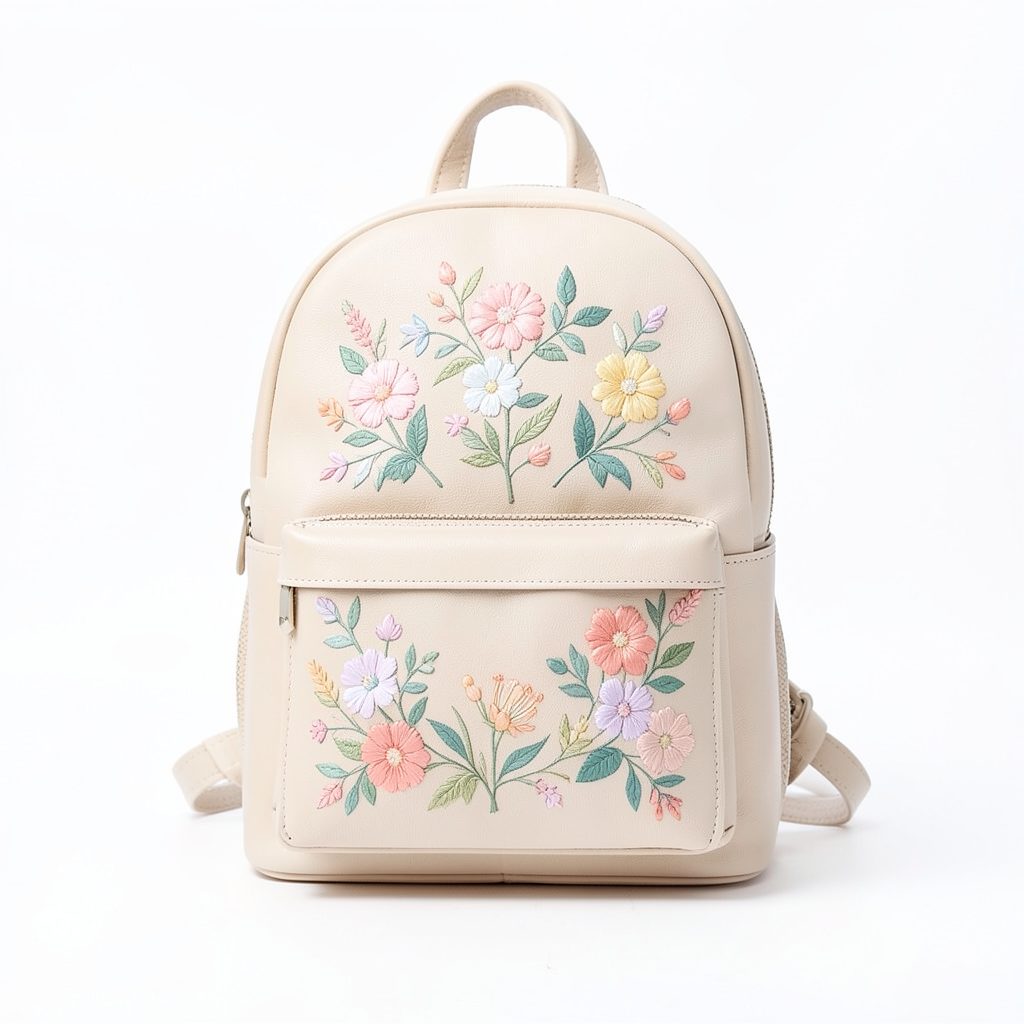
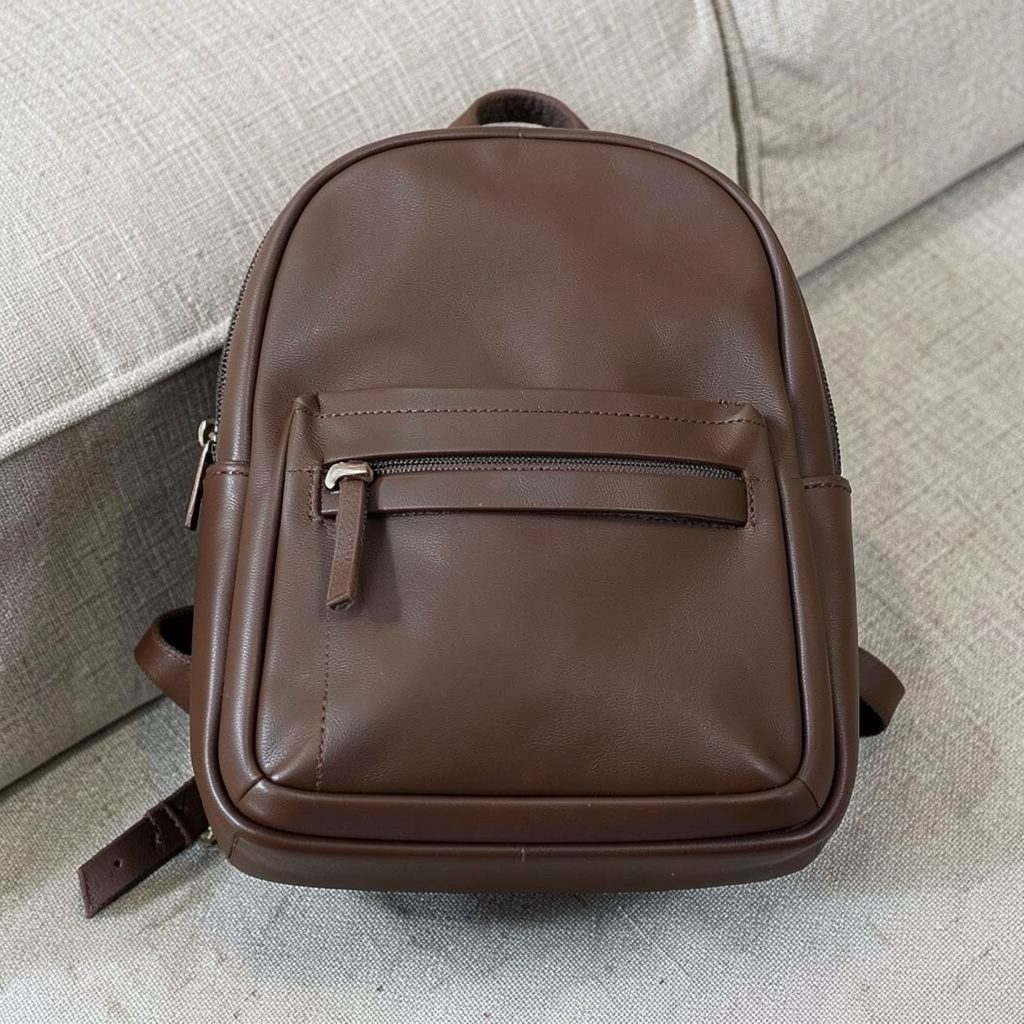
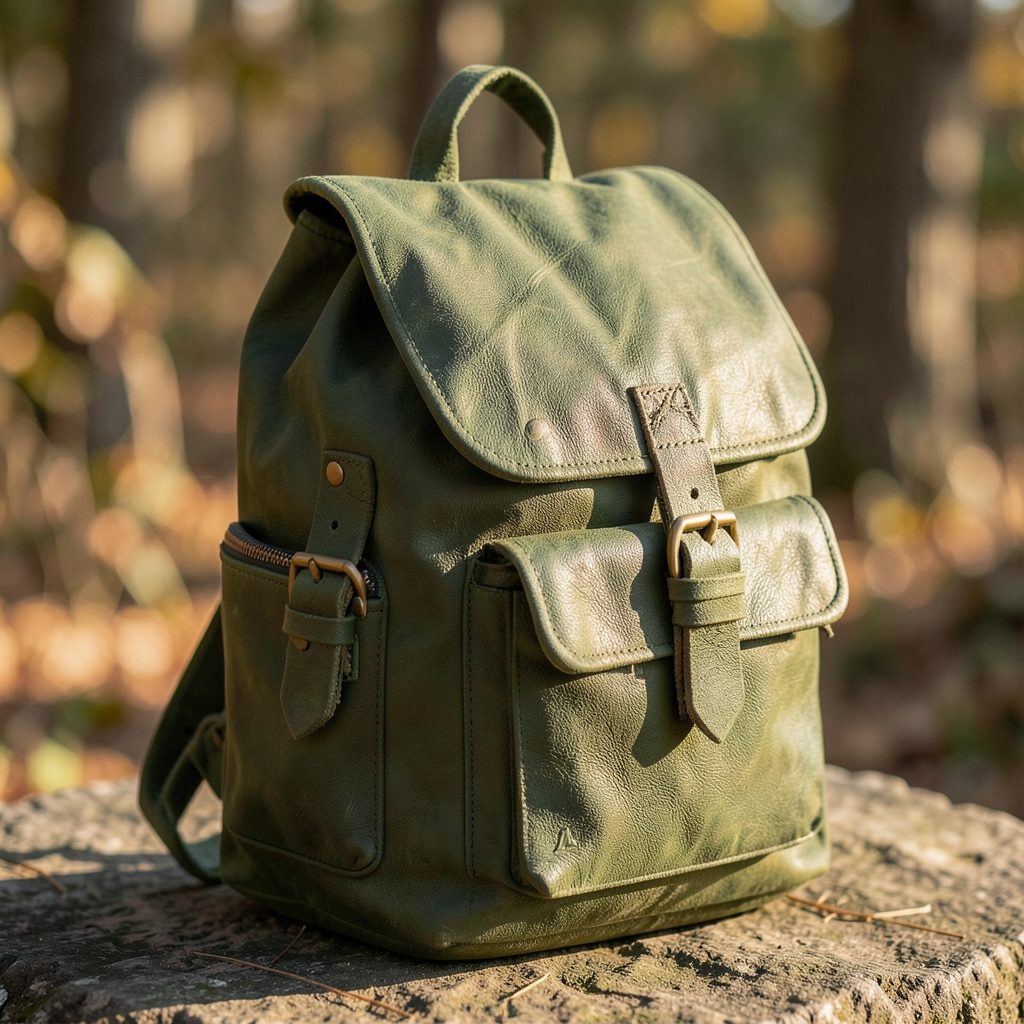
Our Backpack Styles
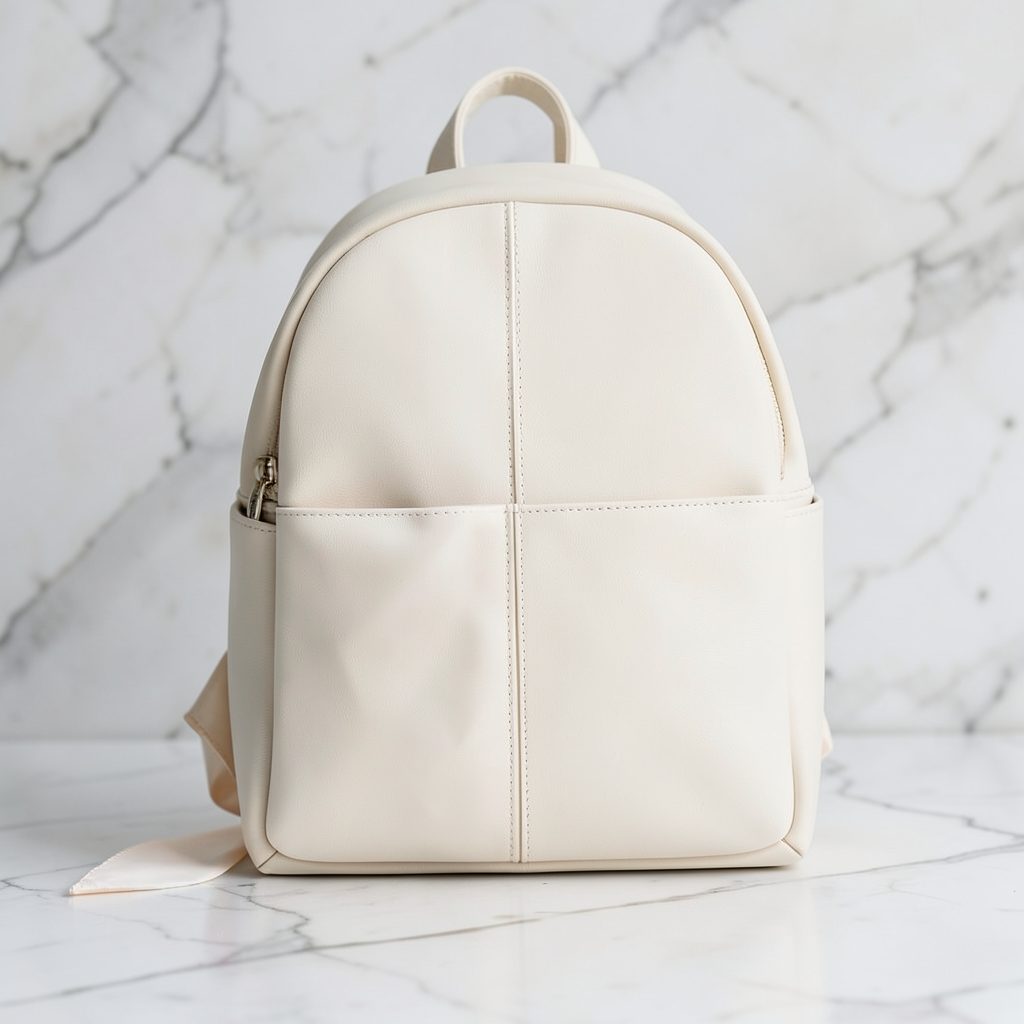
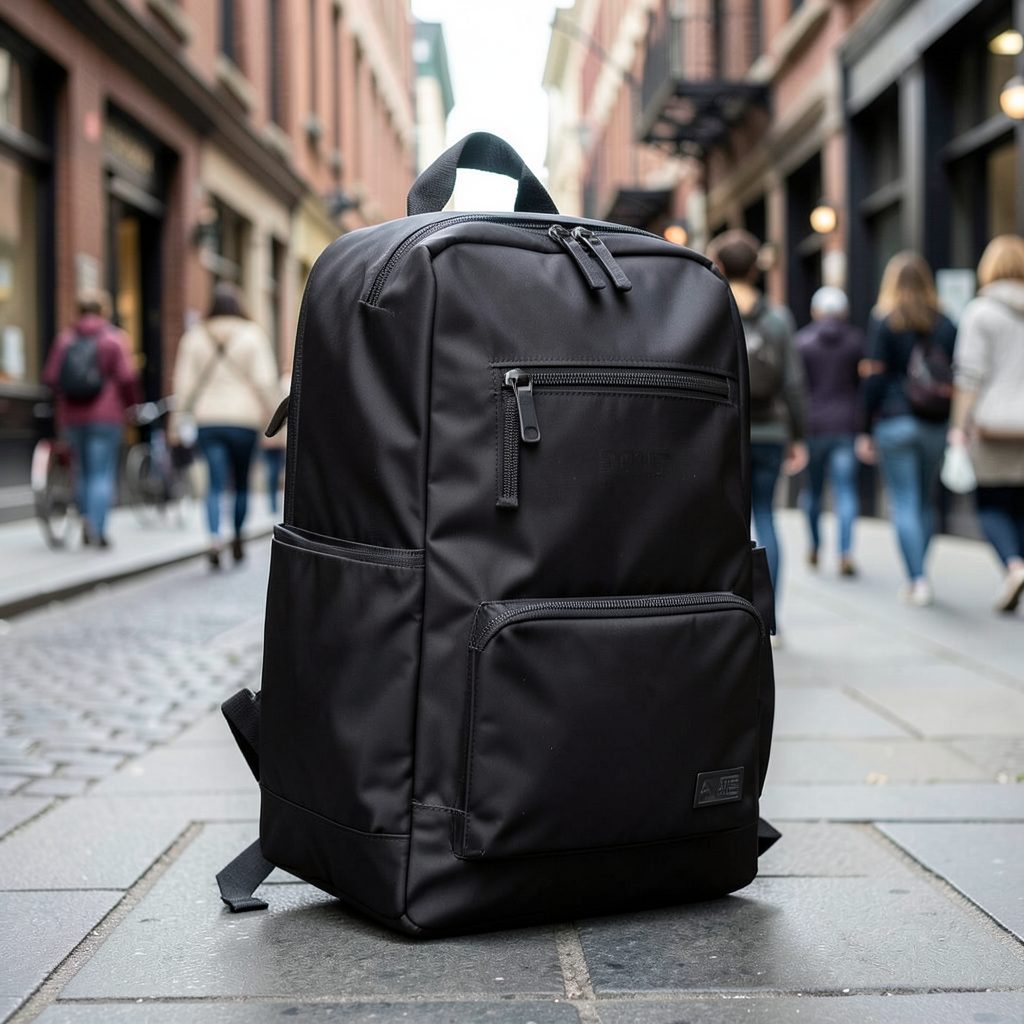
Every backpack is crafted from premium vegan leather with thoughtful details — multiple pockets, removable straps, and colors that work with any wardrobe. Browse the lineup below.