Keep your vegan leather bag secure on a scooter seat
You can barely walk five blocks through Fitzroy or Surry Hills these days without spotting someone weaving through traffic on a hire e-scooter, a privately-owned e-moped, or one of those brightly coloured Lime and Neuron rides that line up outside the train stations. The convenience is obvious: no parking stress, no Uber surge at 5pm, and a quick way to grab a flat white from the laneway café before the barista even knows you've arrived. The only annoying part is what happens when you stop. The bag you've slung across your back has a habit of sliding off that curved, vinyl scooter seat and landing in a heap on the bitumen — often while you're still dismounting.
Vegetable-based and PU-based vegan leathers are particularly prone to this exact scenario. The smooth surface that makes them wipe-clean after a Sydney downpour or a Brisbane humidity spike is the same texture that turns a scooter seat into a kind of slippery slope the moment you brake. Smooth against smooth means nothing holds the bag in place, and most seat designs lean slightly rearward, which actively encourages anything resting on them to migrate toward the tail-light. Add some weight from a packed lunch, a jacket for the arvo chill, or a laptop, and you've got a recipe for a cracked phone screen and a bag scraping along the path.
Why vegan leather slips more than other materials
The friction coefficient of a polyurethane or cactus-based leather against a typical scooter seat vinyl is genuinely low. Both surfaces are slick by design — one for easy cleaning, the other for exactly the same reason — and they meet at an angle that gravity works with rather than against. A canvas tote, by comparison, has a textured weave that grips even the slipperiest vinyl. The same goes for waxed cotton and most nylon backpacks. Plant-leather alternatives have come a long way in feel and durability, but the surface still behaves like a coaster on a polished bar table.
Scooter seats aren't flat, either. Even budget hire models in Brisbane and Melbourne curve upward at the rear, which is the part your bag naturally wants to sit on because that's where there is a tiny flat patch before the bodywork rises. Once the bag begins to slide, that curve acts as a ramp. Compounding the issue, the typical one-to-two degree rearward tilt of most stock seats means your bag is starting its journey from a position that already wants to leave. A small rear ridge on the seat can act as a barrier, but only if it's tall enough to clear the bag's bottom edge — most aren't.
Pick a strap setup that locks down the load
The strap system matters more than people realise. A long crossbody strap that lets the bag hang loose is the worst setup for scooter commuting, because the bag is essentially pendulum-mounted over the seat and will swing onto the curve at the first stop. Shorter crossbody adjusters, or a bag designed to sit high under the arm — what many brands now call a ride-friendly profile — keeps the centre of gravity above the seat rather than behind it. The bag and the rider become one unit, and the bag stops being a passenger.
A bag with a sturdy D-ring or anchor tab on one side lets you clip it onto the scooter's own frame, and reinforced mounts work well for this purpose. If you already own a bag without an anchor point, an aftermarket swivel snap hook from a hardware shop in QLD or a marine chandlery in Sydney is a $6 fix that turns almost any strap into something you can tether to the bike. Just remember that any clip you add should be rated for at least triple the loaded weight of the bag, because a 6kg laptop plus a falling bag is a worst-case combination that will test every part of your setup. Resist the urge to find out which clip to buy by scrolling through product reviews on your phone while you're moving — there's plenty of time to research everything from new-tab shopping carts to low-wagering bonuses once you've parked and locked up. Both distract you about as effectively as a bag falling on your front wheel.
Add grip between the bag and the seat
Sometimes the simplest answer is friction. A thin silicone mat cut to the size of the seat base acts like a non-slip liner between the bag and the vinyl. Some riders swear by shelf liner drawer mats, the rubber-grid kind, slipped between the bag and the seat. They add almost no height, can be removed for passengers, and stand up to a Melbourne southerly without sliding around themselves. They're also dirt cheap and easy to replace when they wear out.
Another option is to add texture to the bottom of the bag itself. A small patch of grip fabric — the kind used on yoga mats or stair treads — adhered to the underside of the bag is invisible from above and dramatically increases grip against the seat. If your bag came with a dust bag, keep that flannel pouch on the bottom of the bag during rides; it's a rough weave that grips the seat, takes up no extra room, and folds neatly away when you arrive at work. This trick is particularly handy if you're parking your scooter on a wet café patio after a sudden coastal squall — wet vinyl is far less forgiving than dry vinyl, and you'll appreciate the redundancy when the path is slick.
Anchor the bag to the bike itself
Most commuter scooters in Australia, including rental fleets and private e-mopeds registered for road use, have a small luggage hook under the seat or behind the rider's backrest. This is the obvious attachment point. Threading your bag's strap through that hook, then buckling the bag back onto itself, locks the load in place regardless of seat angle. If your scooter doesn't have a hook — and many budget models don't — a rear rack with built-in cargo nets is a smart upgrade that pays for itself the first time it stops an accident.
A bag designed with anchor points in mind makes all of this much easier. When riders ask us for the most versatile vegan leather bag that works for work and travel, they usually mean one with dedicated D-rings on each end, reinforced strap seams, and a flat side panel that compresses neatly under a cargo net — all features that pay off on a scooter. Whatever bag you ride with, helmet hooks are another underrated accessory. The kind you hang on a flat surface to hold your helmet when parked work just as well when clipped under the seat lip. You can use one to hold the bag's top handle in place, which keeps the bag from sliding backward even if the seat surface is slick. For longer rides, especially weekend loops down the Brisbane River path or coastal runs between Bondi and Coogee, it's worth a moment at the start of the journey to make sure the bag can't travel along its own axis. Anything that can shift forward under hard braking is a real safety concern, not just a convenience issue, and a bag sliding into the handlebars mid-corner is a scenario worth avoiding.
Smarter riding habits for bag stability
A bag is only as secure as the rider. Smooth inputs matter: gentle acceleration off the lights keeps weight from shifting backward, and progressive braking keeps the bag from launching forward toward the handlebars. Both motions affect how the bag settles on the seat, and harsh inputs amplify everything else. If you're carrying anything heavier than a light jacket, repositioning it before you set off keeps the bag centred over the widest part of the seat rather than perched on the rear curve.
Mind the road rules wherever you ride. In Queensland, e-moped riders can lane filter at low speed, which gives you a real reason to be patient and methodical with bag positioning rather than rushing through traffic. In NSW and Victoria, the rules are tighter — and so are the fines. Either way, don't let your phone pull your attention off the road. Save the scrolling for when you've parked and locked up — that's the right time for planning anything from your next getaway to your next coffee run, knowing your bag will still be on the scooter where you left it.
A few small habits make all the difference once you've got the gear sorted. Wipe down the seat before every ride — sunscreen residue and insect repellent both turn into a slippery film within a couple of hours under an Australian sun. Re-check the strap tension after the first kilometre, because straps relax as the bag settles into its final riding position. And if you do everything right but still feel the bag creeping, don't ignore it. Pull over, even briefly, and re-seat the bag before the slow creep becomes a fast slide. The goal is to arrive with everything where you put it.
Browse the crossbody bags at Travel Starter Pack to find a slim, low-profile style that sits flat against your back and stays put on the seat. Pair that with a simple clip, a quick grip-pad install, and a habit of smooth inputs, and your bag will arrive where you do — contents intact, surface unscratched, and ready for whatever the rest of the day throws at you.
Our Backpack Styles
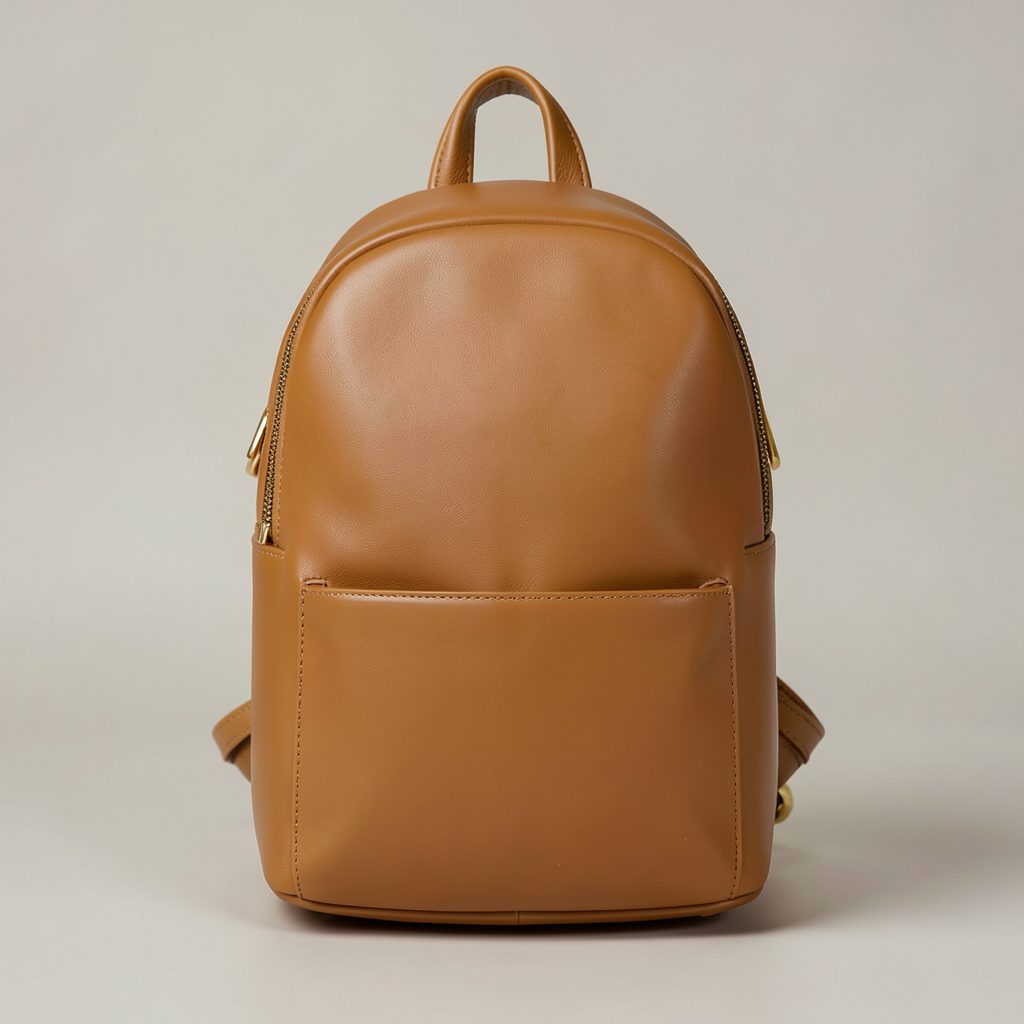
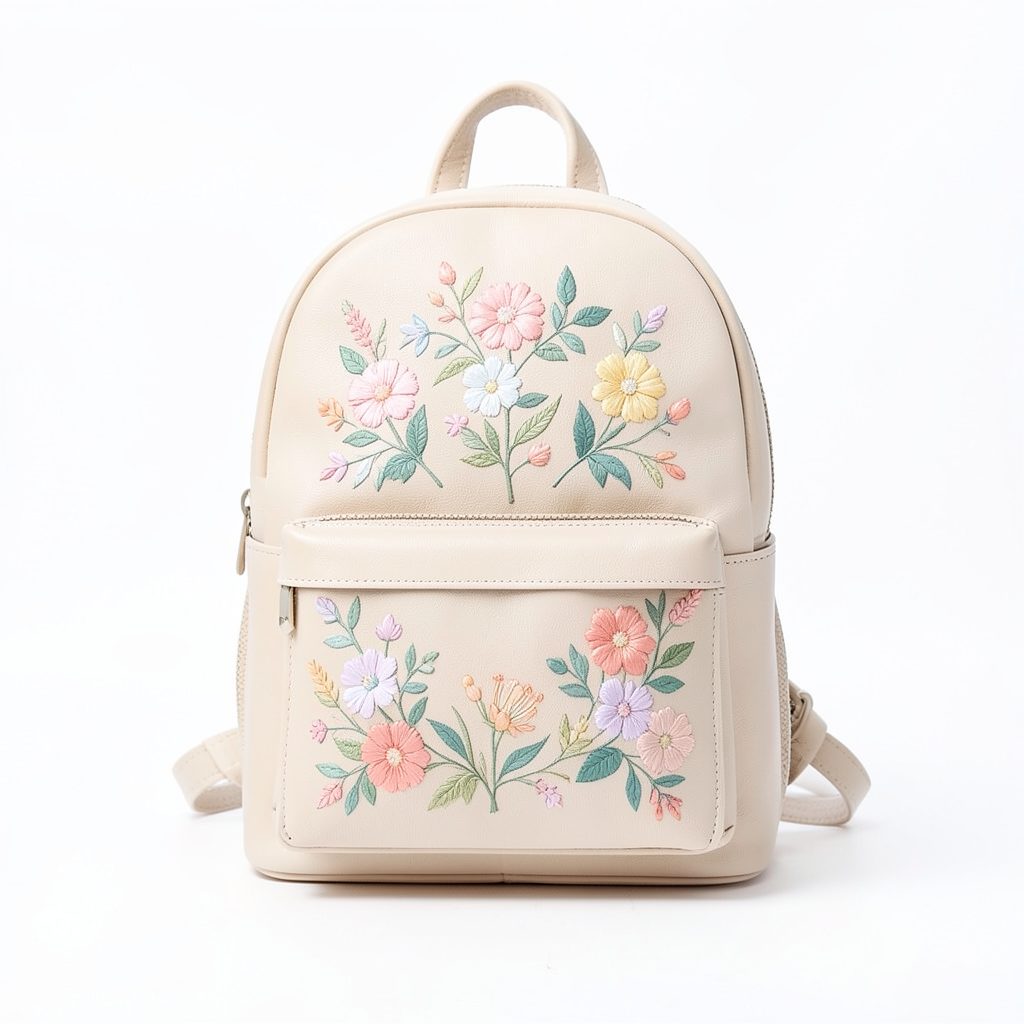
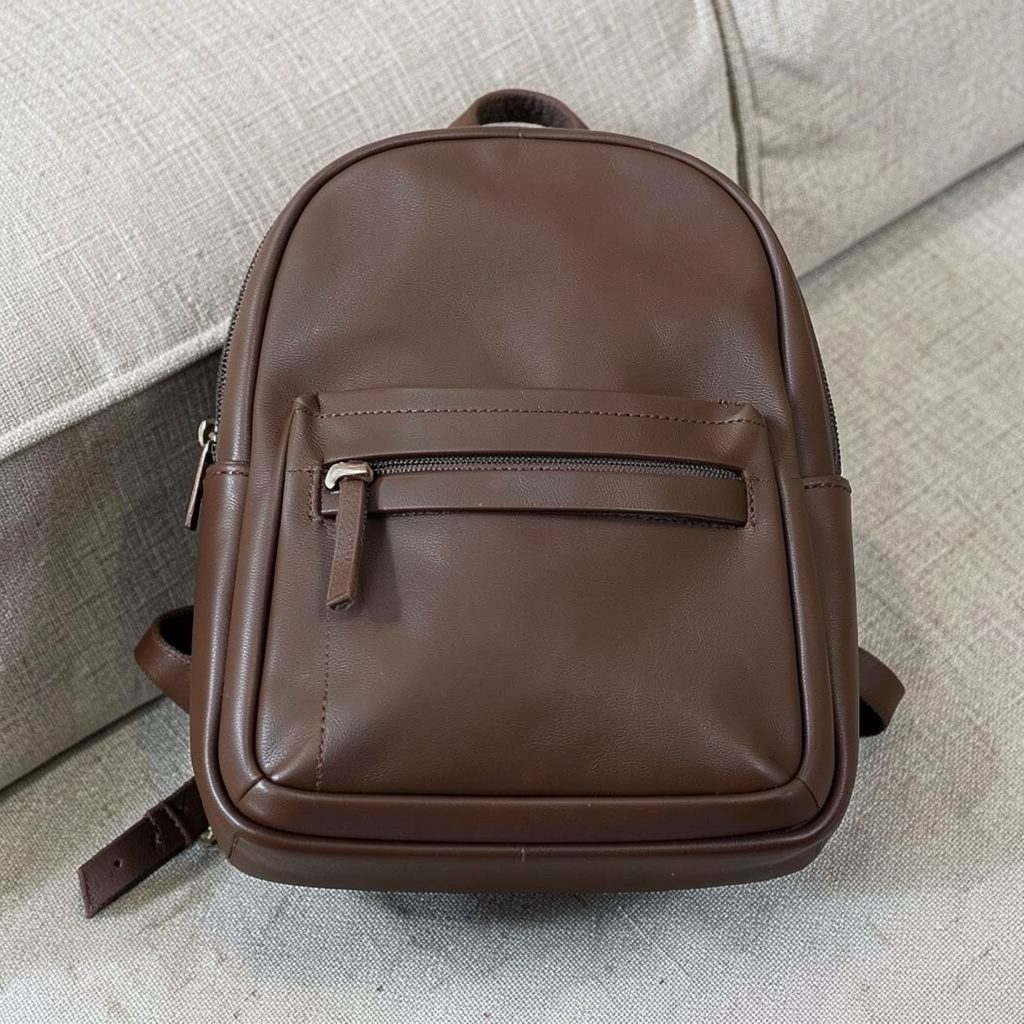
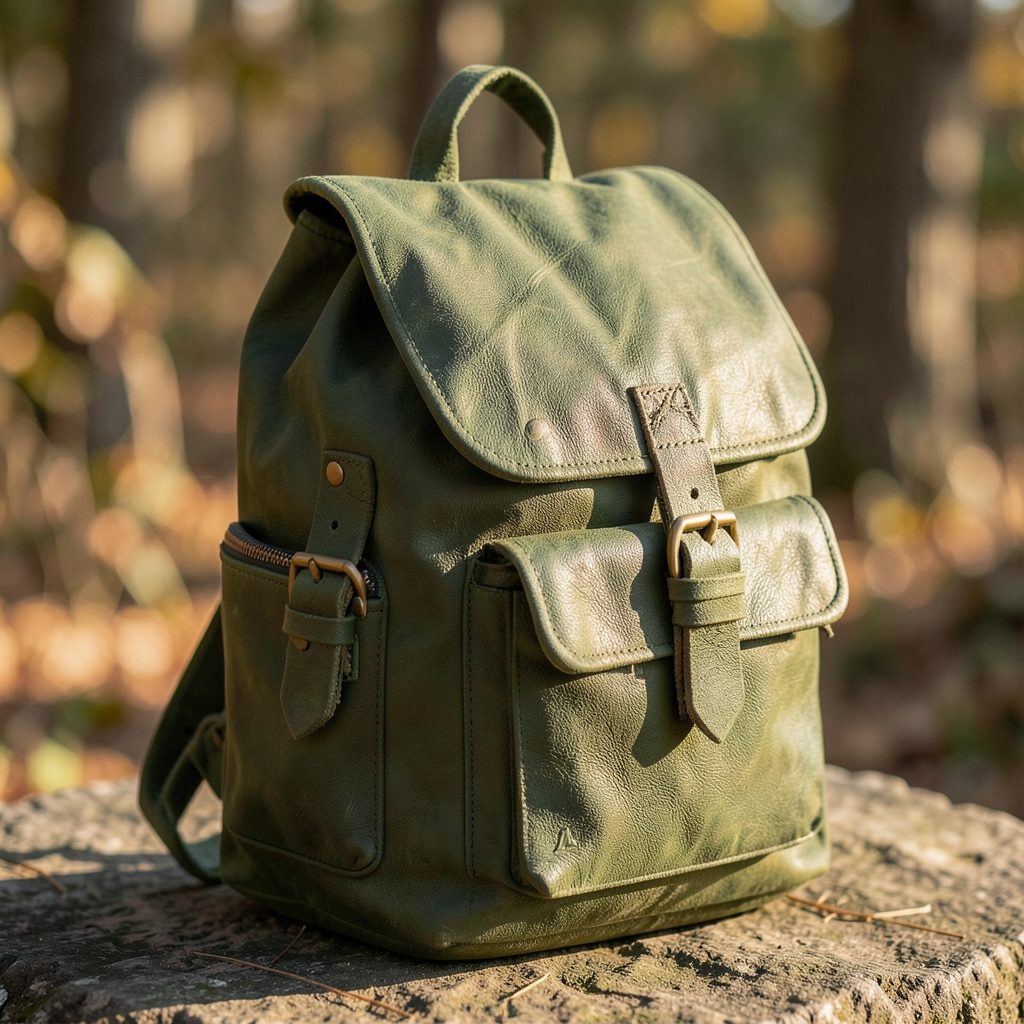
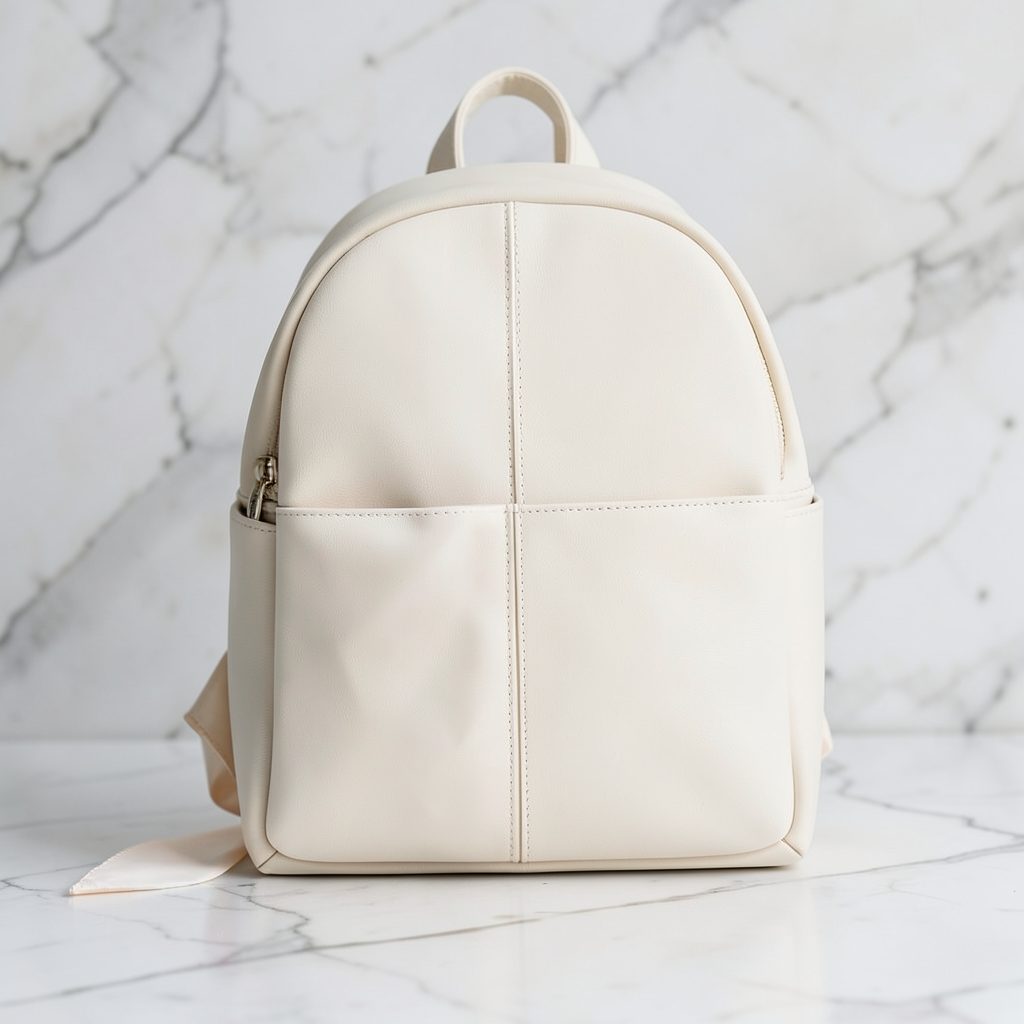
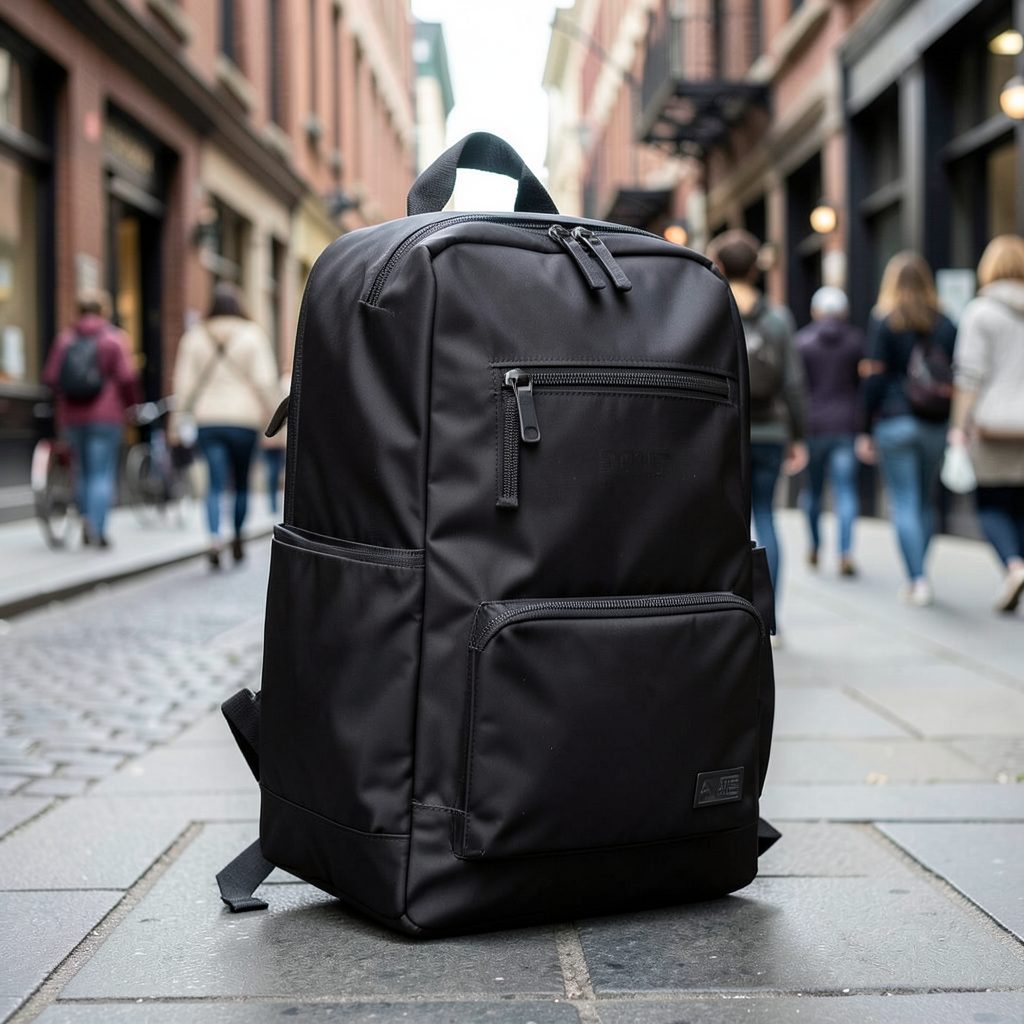
Every backpack is crafted from premium vegan leather with thoughtful details — multiple pockets, removable straps, and colors that work with any wardrobe. Browse the lineup below.