How to keep a vegan leather bag clean while riding a motorbike through Australia
Riding a motorbike across Australia means dealing with red centre dust, sudden coastal rain, fierce UV and the constant buffet of road spray. Your vegan leather bag is sitting right behind you catching most of it. A short, realistic cleaning routine keeps the surface supple, the colour true, and the buckles and zips working smoothly from the first servo stop to the last.
Vegan leather behaves a little differently to the animal hide your grandfather might have used. Most options are PU or PVC coated fabrics, while newer plant-based versions use pineapple leaf fibre, cork or apple peel. They react to heat, body oils and abrasion in their own way, which is worth understanding before you head out on a long ride through the bush.
why vegan leather reacts the way it does
The PU coating that gives vegan leather its smooth, uniform look is essentially a thin plastic film bonded to a fabric backing. That film is tough against rubbing but vulnerable to high heat, which softens it and can leave permanent marks from buckles or helmet straps pressing against a hot exhaust pipe on a summer ride through the Pilbara. Genuine leather absorbs sweat and softens with use; PU tends to stay rigid and then crease sharply once it finally gives way.
Plant-based vegan leathers made from cork or pineapple leaf are more breathable but more porous, so red dust from the Tanami Track works into the weave rather than sitting on top. PVC is the most water-resistant but also the least breathable, meaning your back gets sweaty against the bag and the moisture has nowhere to go. Knowing which material you own changes how you clean it.
choosing a bag that handles Australian conditions
Before any cleaning happens, the bag itself should be matched to the ride. A small, structured crossbody sits close to your body, which protects it from wind blast, while a backpack distributes weight across your shoulders and keeps the surface away from the exhaust. The wider the contact area with your jacket, the less dust gets sucked under the bag on a gravel road past Uluru.
Look for welded seams rather than stitched ones, because stitched seams absorb water on those surprise storms off the Tasman. Hardware matters too: matte black metal or coloured plastic zips and buckles cope with salt air on the Great Ocean Road better than shiny chrome, which pits quickly. A bag with a removable inner liner is also easier to vacuum when you finally get to a motel in Alice Springs.
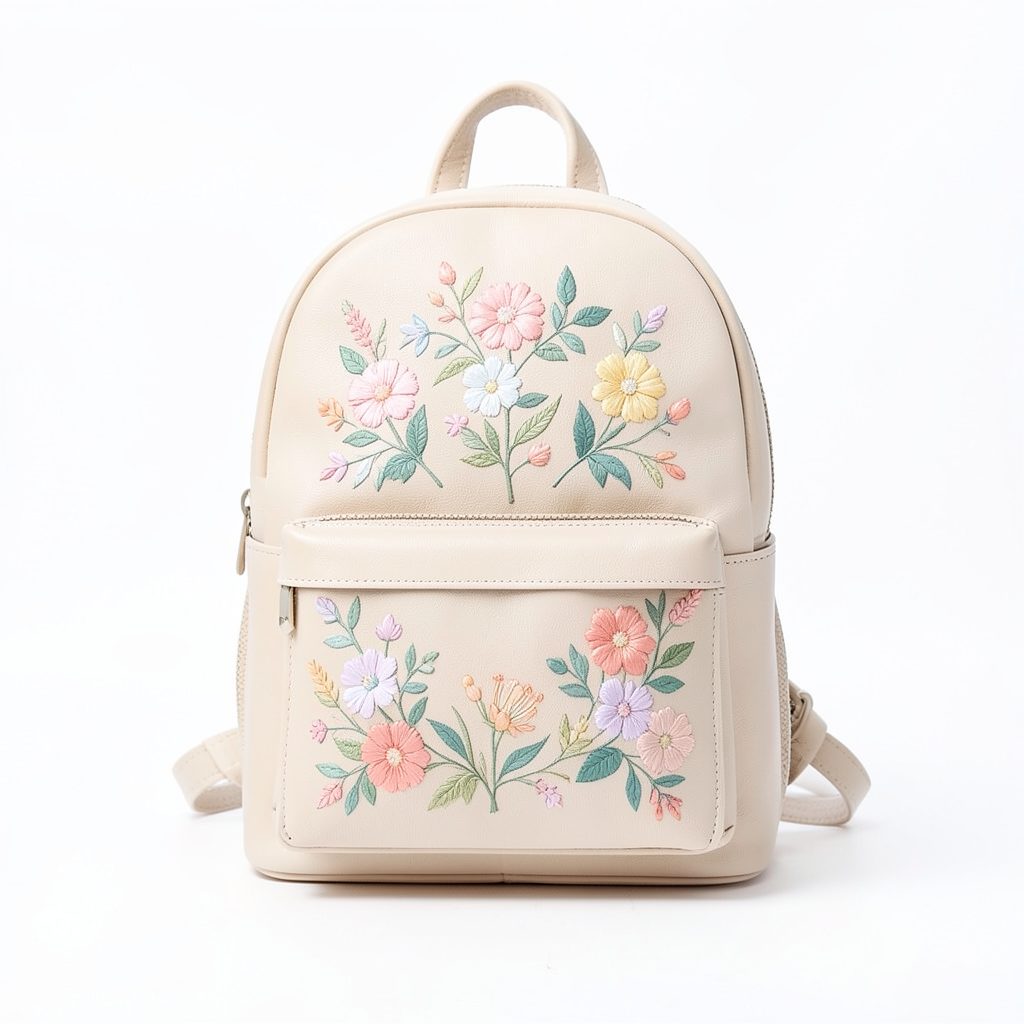
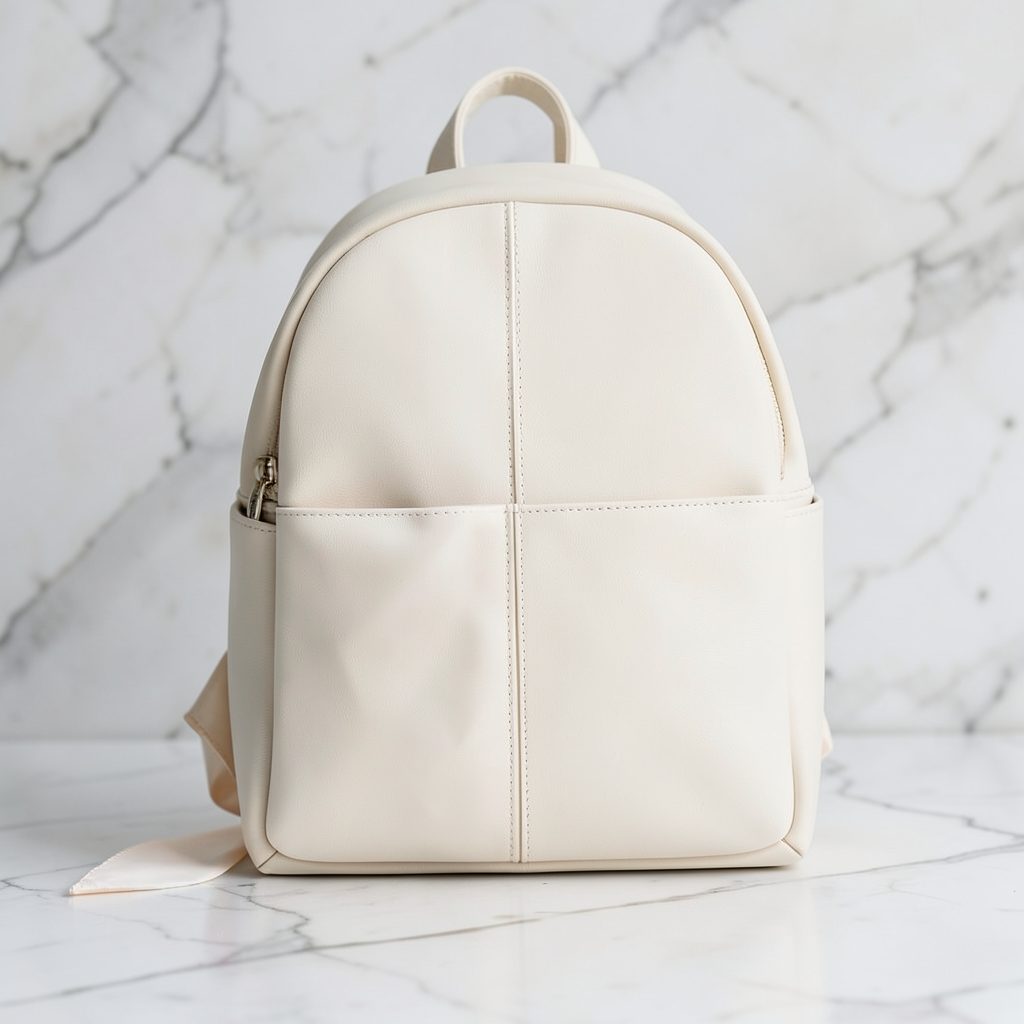
The floral embroidery backpack has a coated PU shell and a wipe-clean lining, which makes it forgiving when the dirt starts flying on the inland routes. Smaller items like a slim wallet or toiletry pouch can ride in a tank bag where they stay dust-free and easy to grab at a roadhouse.
dealing with red dust and outback grime
Red dust is the unofficial national colour of Australian motorbike travel. It sticks to sunscreen, sweat and any moisture on the bag, then sets like terracotta. The trick is to remove it dry first; water alone turns it into a pink paste that stains light vegan leather permanently. Keep a soft microfibre cloth in a sealed zip bag and wipe the surface in one direction, not in circles, otherwise the grit scratches the coating.
When the dust is thick, a few gentle shakes beat brushing, especially on embroidered panels where bristles can snag the stitching. A soft artist brush works for the embroidery itself, lifting dust from the threads without pulling them. Avoid baby wipes on long road trips, because the alcohol and fragrance in many brands dry the PU out within a few days.
If you are riding from Adelaide to Darwin along the Explorer Way, plan a proper clean at a major town rather than hoping it brushes off. Most roadhouses have an outdoor tap where you can lay the bag flat, brush off the loose dirt, then wipe with a barely damp cloth. Let it air dry in the shade, never on the engine of the bike, no matter how convenient it looks.
rain, road spray and tropical humidity
Australia throws every climate at a rider within a single trip if you are unlucky. A morning fog in the Blue Mountains turns to a wet descent through the Megalong Valley, then the road opens out to clear skies east of Lithgow. Vegan leather handles brief showers well, but extended wet weather, especially in Far North Queensland during the wet season, can push water into seams and linings.
The first rule is to never use a hairdryer or heat gun on a wet vegan leather bag. The coating softens above about 70 °C and a hot dryer will leave shiny patches or even warp the shape. Instead, shake off the excess water, wipe with a dry microfibre cloth, and hang the bag somewhere with airflow. A breezy verandah at a Cairns backpackers is ideal.
For road spray, prevention beats cleaning. A small packable rain cover that lives in a pannier saves hours of work later. If the bag has absorbed salt spray from a coastal run down the Great Ocean Road, wipe it down with a cloth lightly dampened with fresh water as soon as you stop. Salt crystals left to dry on PU or PVC turn cloudy and feel sticky within hours.
sunscreen, sweat and repellent marks
Every Australian rider wears sunscreen. The problem is that the same zinc and chemical filters that protect your skin react with PU and plant-based vegan leathers, leaving a dull film or, worse, an orange stain on cream-coloured bags. Sweat adds salt and body oil to the mix, which then traps more dust against the surface of the bag.
Apply sunscreen and let it dry fully on your skin before you put on your jacket, and the bag will stay cleaner for longer. Avoid touching the bag with sunscreen-coated hands at fuel stops, where you might be juggling a wallet, phone and a pie from the servo bakery. Use a small wet bag or zip pouch for sunscreen, insect repellent and lip balm so they never sit loose against the bag lining.
For repellent marks, plain water rarely works. A tiny amount of mild dish soap on a damp cloth lifts most formulas without stripping the coating. Test on a hidden spot first, like the underside of a strap or the inside of a pocket. Strong solvents, eucalyptus oil and tea tree-based cleaners all look tempting but will dry PU out within minutes and turn a beloved bag into something that flakes at the edges.
a five-minute roadside cleaning routine
Long trips need a short routine you can do at every major stop. The aim is to stop grime setting rather than to make the bag look new each time. Keep a small cleaning kit in a soft pouch inside your tank bag: a microfibre cloth, a soft brush, a tiny bottle of mild soap, and a couple of zip bags for wet cloths on the way home.
At each fuel stop, lay the bag on the seat or a clean part of the concrete apron. Brush off the loose dust, flip the bag over and tap the bottom to dislodge grit that has settled into the seams. Wipe the surface with the microfibre cloth, checking buckles and zips for sand. If you have been through rain, pull the bag open and dab the lining with a dry corner of the cloth.
A small inner pouch keeps the cleaning kit easy to find and stops wet wipes or a damp cloth from touching everything else. Five minutes at a roadhouse in Tennant Creek or a servo near Port Augusta is usually enough to reset the bag before the next stretch of unsealed road.
care after the ride
Once you stop for the night, the bag deserves a bit more attention. Empty it fully, including the hidden pockets where keys and coins scratch the lining. Vacuum the inside with a soft brush attachment if you have access to one, or shake it over a balcony at a Sydney hotel. Wipe the outside with a cloth dampened with a teaspoon of mild soap in a litre of cool water, then a second wipe with a clean damp cloth to lift any residue.
Dry the bag away from direct sunlight and any heat source. Australian UV is strong enough to bleach coloured PU within a single afternoon on a north-facing windowsill, and the heat can warp the structure of the bag. Stuff the body with clean dry towels to hold the shape while it dries overnight.
For storage between trips, keep the bag in a breathable cotton dust bag, never plastic. Plastic traps moisture and can cause mildew on the lining, especially after a humid ride up the coast from Brisbane to Noosa. Pop a couple of silica gel sachets inside, the ones that come in vitamin bottles or shoe boxes, and your bag will be ready to strap on next time you fire up the bike.
Riders planning their next route can browse the crossbody range for compact options that handle daily wear, while a slim wallet or a small pouch can live inside a larger backpack to keep valuables easy to reach on the road. Subscribe to the newsletter for fresh drops, seasonal sale items and packing tips tailored to Australian riders, and check the sale section before you head off for any discounted travel companions ready to strap to the bike.
Our Backpack Styles
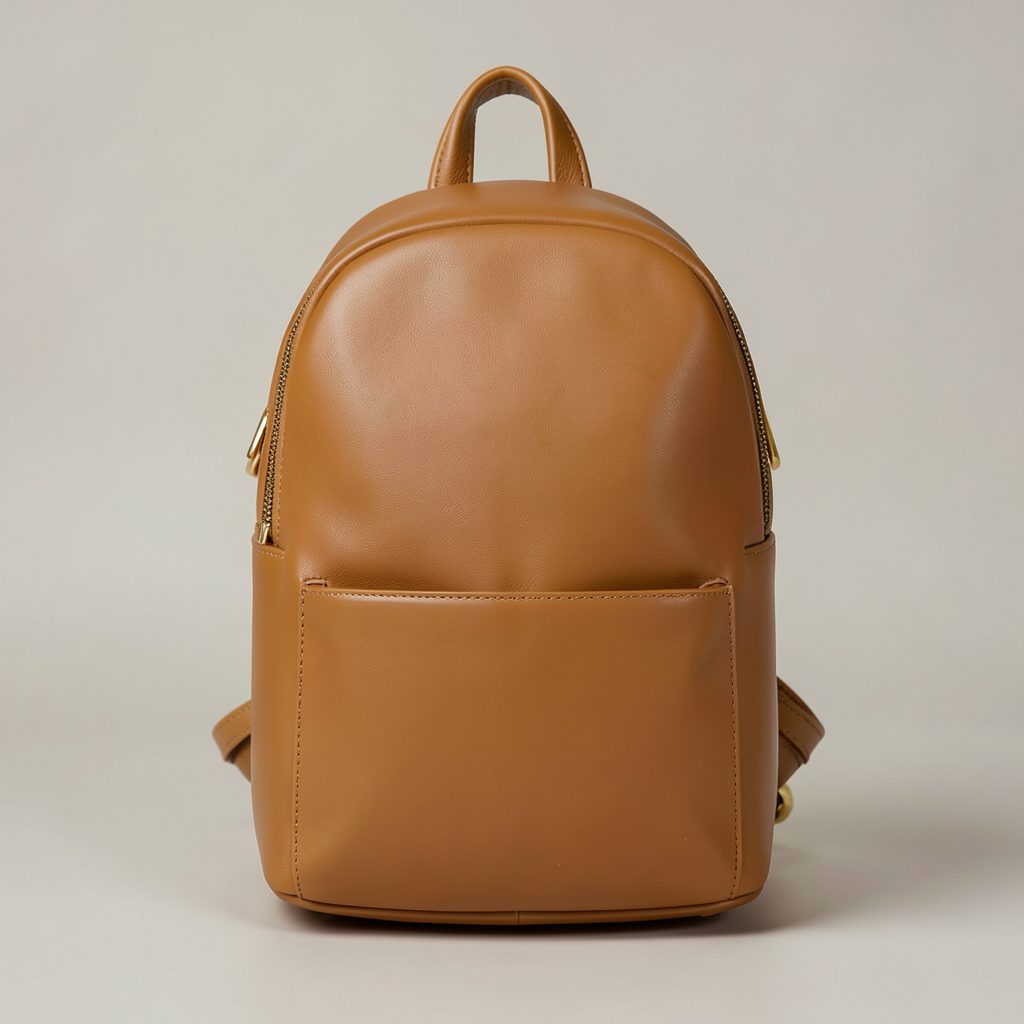
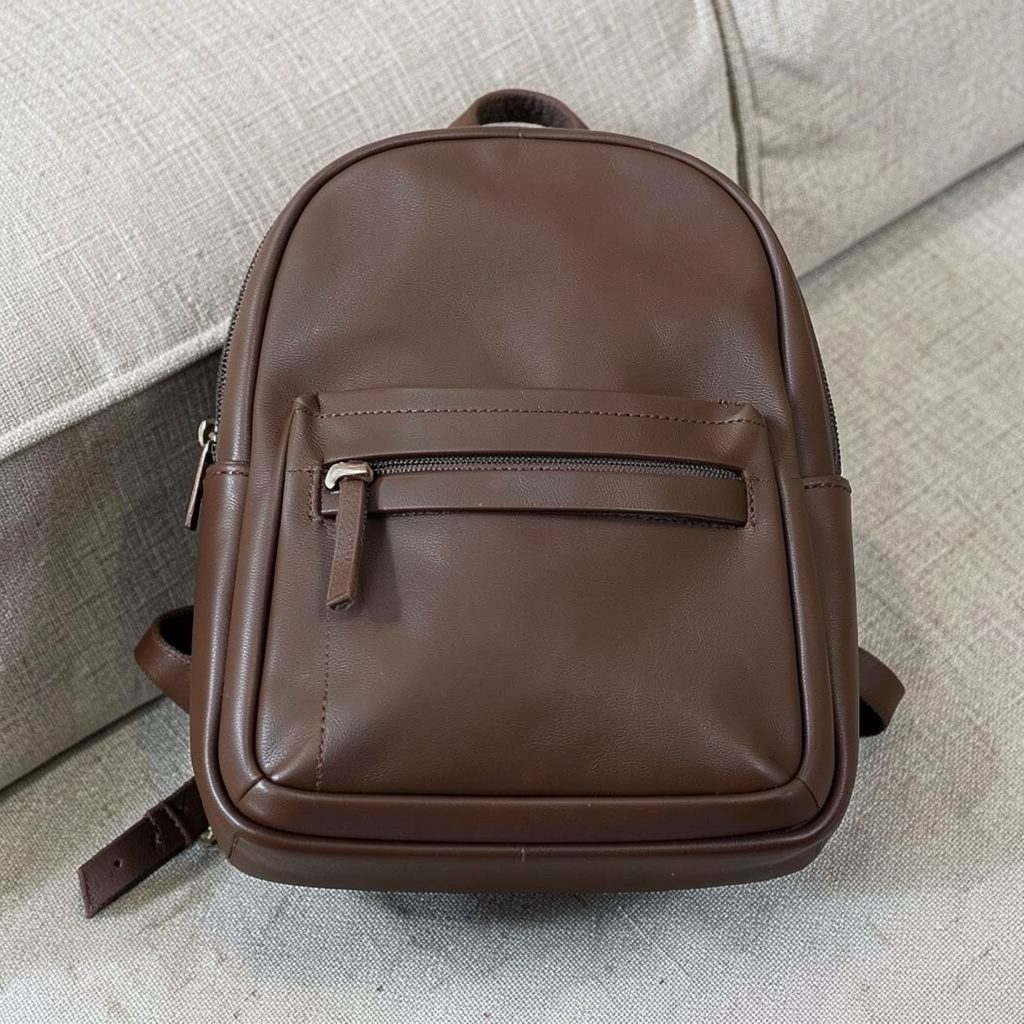
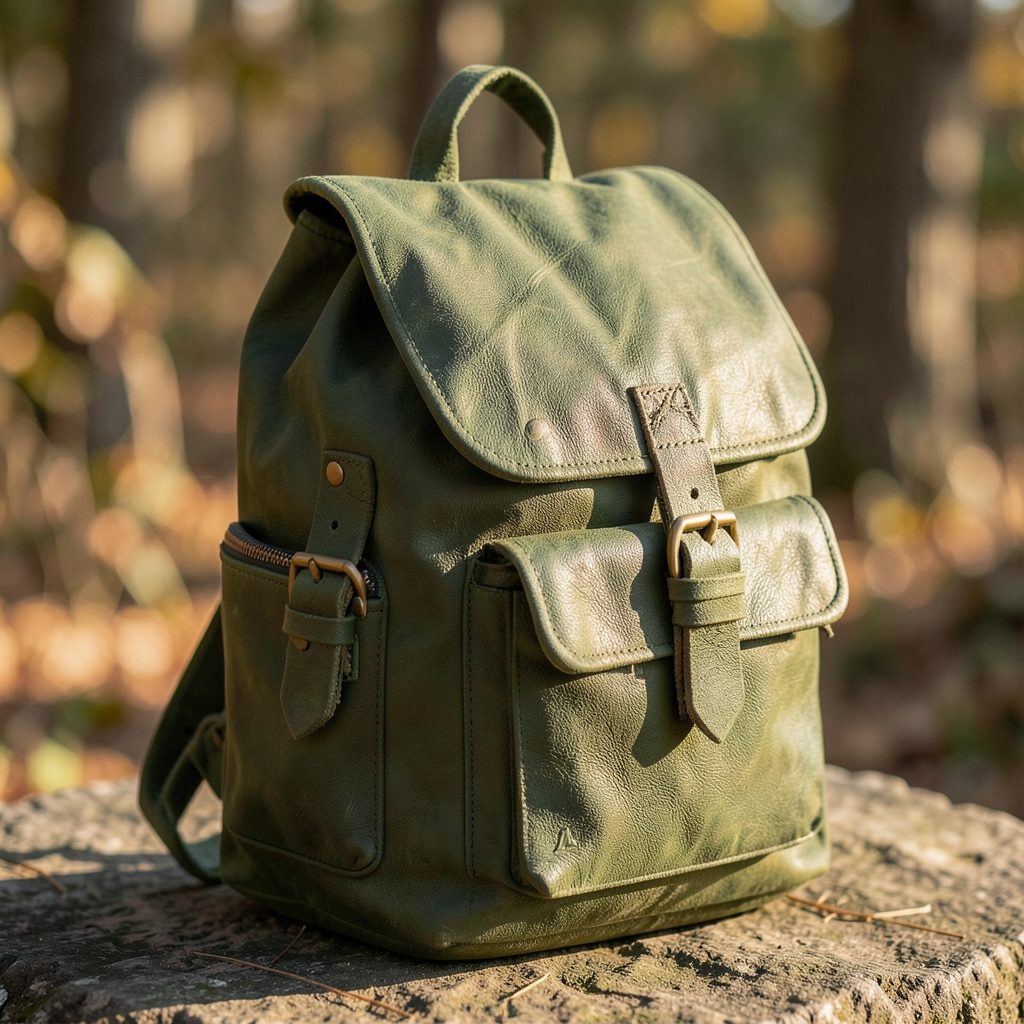
Every backpack is crafted from premium vegan leather with thoughtful details — multiple pockets, removable straps, and colors that work with any wardrobe. Browse the lineup below.