Finding the right vegan leather bag for hassle-free bus travel
Catching the 6:15am Greyhound out of Sydney's Central Station, or hopping on the Brisbane City Council's Route 222 along the river, means you need a bag that doesn't fight back. The ideal commuter piece opens wide, sits flat against your body, and lets you grab your Myki or Go Card without fumbling through a maze of buckles. Australian bus routes are long, often winding, and frequently packed during the morning peak, so a bag that holds its shape while you rummage for headphones, sunscreen, or your refillable water bottle keeps the whole journey calmer.
For travellers who refuse to compromise on ethics, vegan leather has stepped up. Today's plant-based and recycled materials look and feel the part, and they weather a Melbourne winter squall as well as they handle a Perth summer scorcher. Choosing one that works on a bus, though, means thinking beyond colour and brand. Strap length, closure type, and pocket layout decide whether your bag becomes a daily ally or a recurring frustration.
Why bus travel demands a specific bag style
Buses are not trams, and they are certainly not trains. When the driver brakes hard at a red light on Adelaide's North Terrace corridor, or when a commuter squeezes past you on the inbound 200 in Sydney, your bag needs to stay closed, stay put, and stay out of the way. A bulky backpack shifts your centre of gravity every time you stand, while a stiff tote swings against the seat in front and threatens your laptop.
The most reliable designs for this setting share a few traits: a wide opening that doesn't require two hands, a single main compartment rather than multiple rigid dividers, and a strap that adjusts without slipping. People often overlook the strap, but on a packed Brisbane bus heading toward the cultural centre, a strap that loosens halfway through the trip means your bag slides off your shoulder every time the bus accelerates.
You'll also want to consider the boarding process itself. Australian buses are mostly low-floor now, but the gap between kerb and door still forces a brief shuffle. A crossbody style with a wide, flat strap stays planted across the back rather than catching on the handrail, and that subtle difference saves a lot of awkward readjusting at every stop.
Key features that make access easy
Wide openings are worth prioritising. Magnetic snaps, fold-over flaps, and zips that run almost the full length of the bag let you see everything at once. On a quiet Sunday service heading from Surfers Paradise to the hinterland, that visibility turns a frantic search for your concession card into a two-second glance. Zips with oversized pulls are easier to operate one-handed than tiny metal teeth, especially when you're gripping a grab rail with the other hand.
Pocket layout matters just as much as the main closure. A flat slip pocket on the front or back, large enough for your phone and Opal card, removes the need to open the main compartment for every tap-on. Some designs tuck a hidden zip pocket behind the front panel for cash, which is helpful on regional V/Line services where Wi-Fi is patchy and you can't always rely on your phone's wallet function.
Closure security is the third piece of the puzzle. Flap bags with concealed magnets close cleanly but still let you slide your hand in for a quick grab. Drawstring tops look romantic but collapse on themselves, which makes fishing for a snack awkwardly fiddly. For a bag that needs to perform on peak-hour routes across Brisbane, Sydney, and Melbourne, a structured top-zip or a strong magnetic flap is the safer call when the arvo commute hits.
Material matters: what vegan leather should offer
Vegan leather has come a long way since the plasticky early versions, and the good news is you don't have to choose between ethics and durability. PU-based options are now soft, supple, and breathable enough to wear against bare arms on a hot Darwin afternoon. Microfibre blends hold their colour through UV exposure, which matters when your bag spends half the day in an uncovered luggage rack on a long-distance coach.
Look for materials with a fabric backing rather than a fully synthetic sheet. The woven crossbody bag from Travel Starter Pack uses a textured plant-based finish that holds its shape without cracking at the folds. A back that flexes slightly will outlast a rigid sheet that creases the first time you sit down with it.
Maintenance is also part of the equation. Real leather needs conditioner; vegan leather needs a damp cloth and the occasional wipe-down. For Australian conditions, where red dust from the outback or salt spray from a coastal route can settle into fibres, that easy-clean quality is a quiet luxury. If your bag picks up a mark from the ferry-bus interchange at Circular Quay, a quick wipe is usually all it takes.
Sizing and strap considerations for buses
Carry-on rules for most Australian bus operators don't apply in the way airline restrictions do, but a bag that overflows the seat beside you will quickly draw a polite request to move it. Aim for a main compartment around the size of a slim bookend: large enough for a water bottle, a folded jumper, and your wallet, but not so large that it eats into your neighbour's space.
Strap width is often underrated. A strap thinner than two centimetres digs in after a thirty-minute ride on the L94 in western Sydney, while a strap three centimetres or wider distributes weight more comfortably. Adjustable straps with a sliding buckle let you shorten the bag for crowded peak hours and lengthen it for casual weekends at the markets. The buckle should sit close to the bag body so it doesn't bounce against your hip every time the bus turns onto a side street.
Length is another quiet factor. A crossbody bag should sit at hip level when you stand, but rise slightly when you sit so the strap doesn't press into the back of your neck. If you often commute along Adelaide's free connector loop or the Brisbane City Hopper, try the bag on while seated. Many designs hang perfectly when you walk but become uncomfortable once you settle into a moulded plastic seat.
Styles that work best for Australian commuters
Crossbody bags are the obvious front-runner. They stay close to the body, leave both hands free for a tap card or a handhold, and shift your weight minimally when the bus brakes. The right crossbody design handles most of these practical demands without looking overly sporty, and it stays comfortable whether you're on a quick shuttle to the airport or a two-hour ride out to the suburbs.
Structured totes have their place too, especially for travellers who swap between bus and tram around Melbourne's CBD. Tote bags with a firm base stand upright on the seat beside you and stop everything inside from sliding into one corner. If you'd like a closer look at the current range, browse the tote bag collection for several styles with reinforced bottoms and hidden internal clips that keep keys and cards from disappearing.
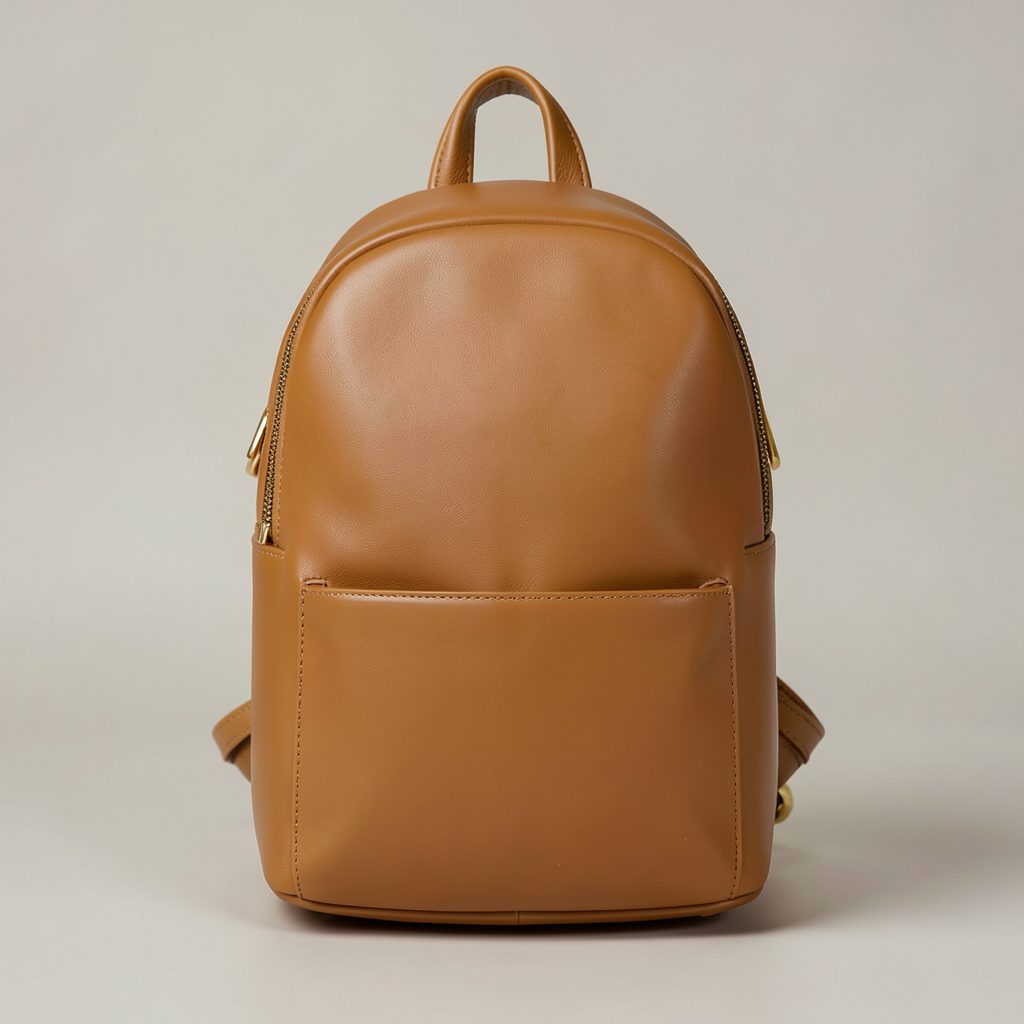
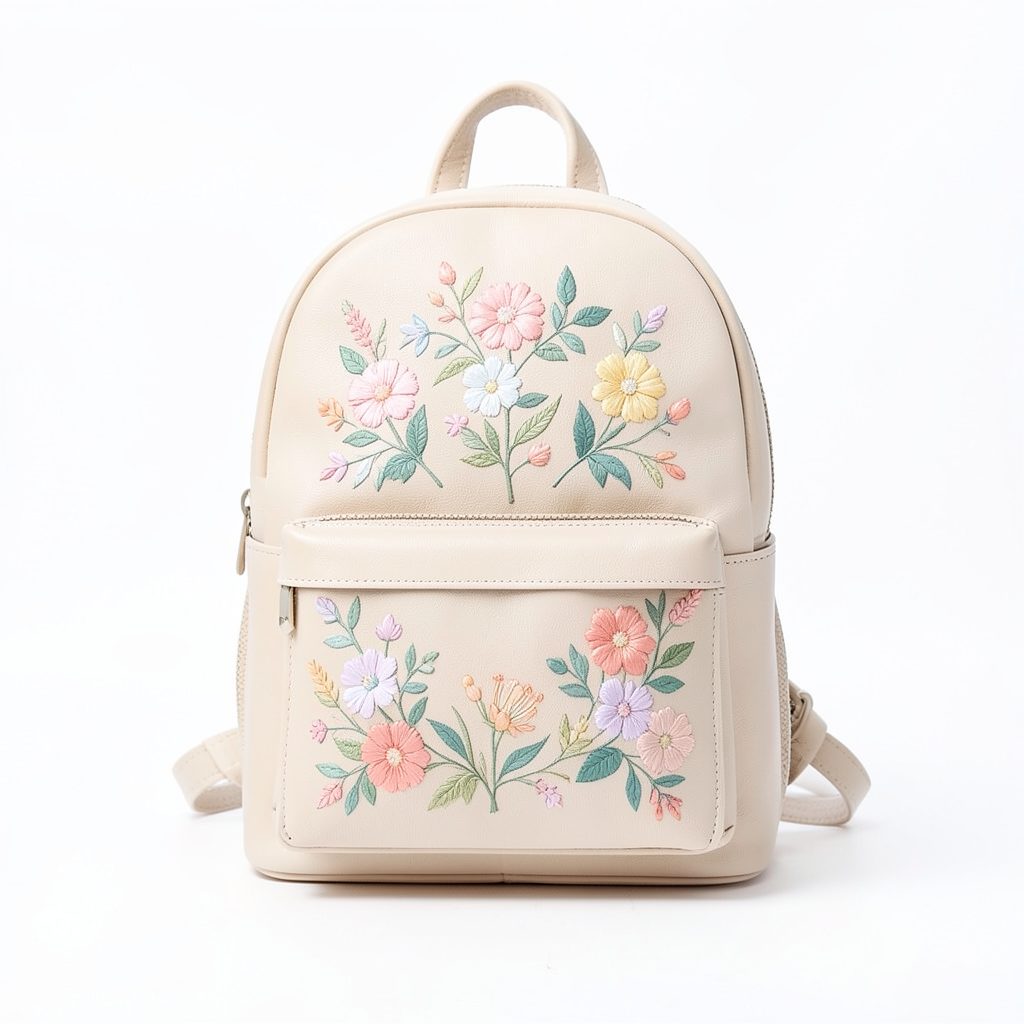
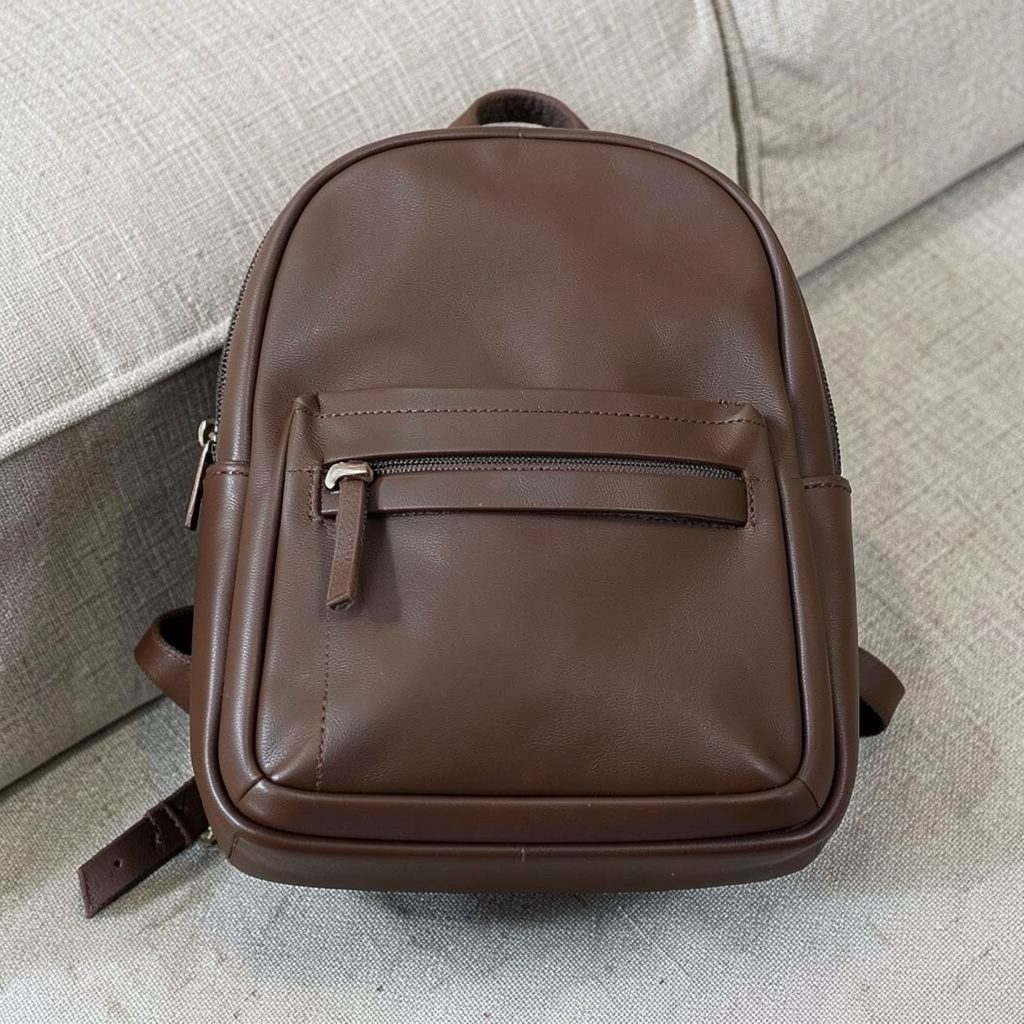
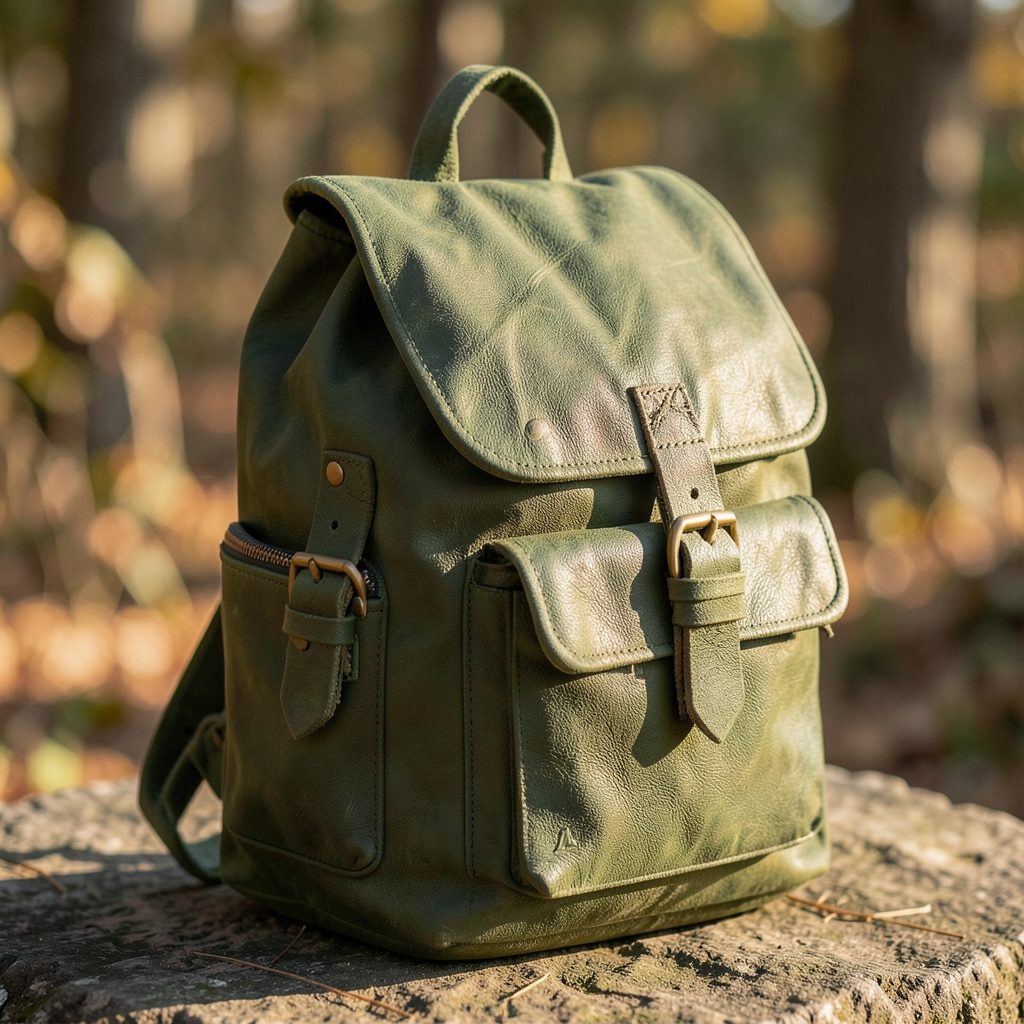
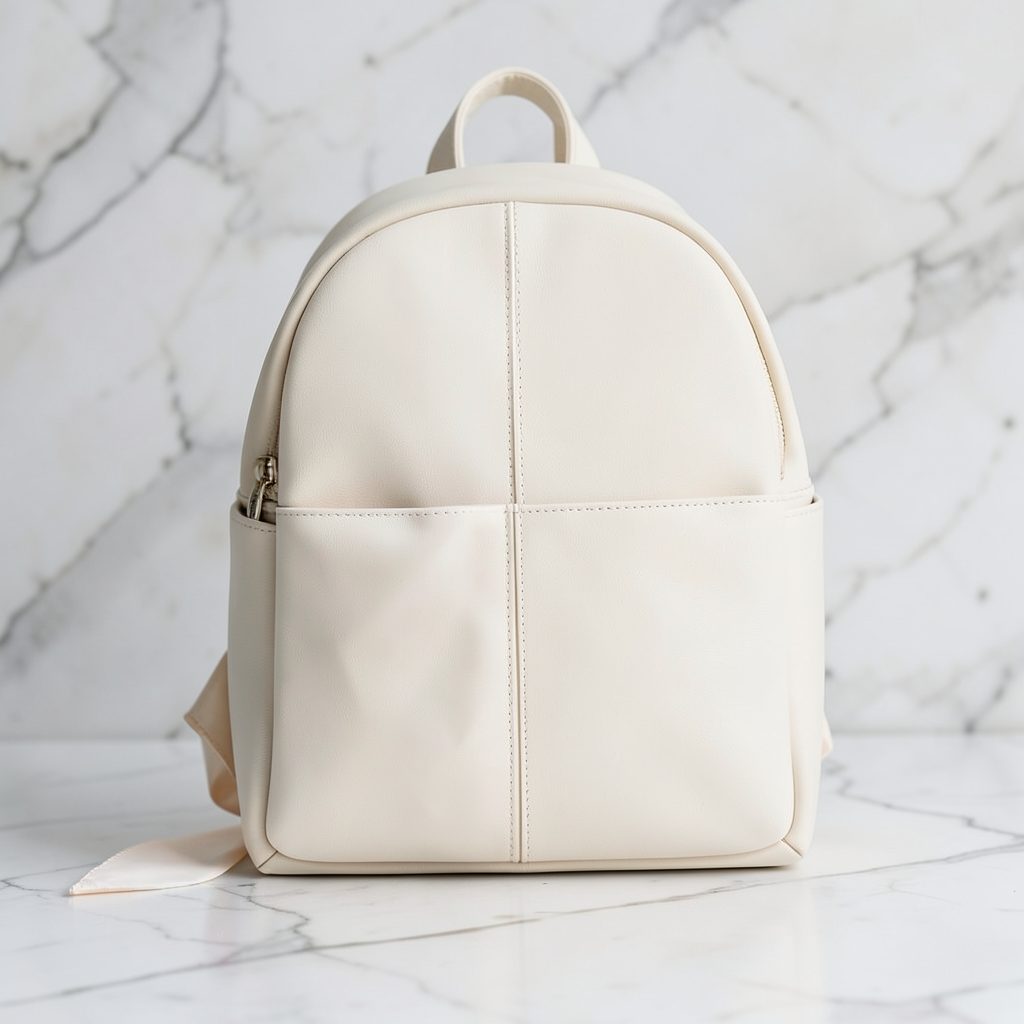
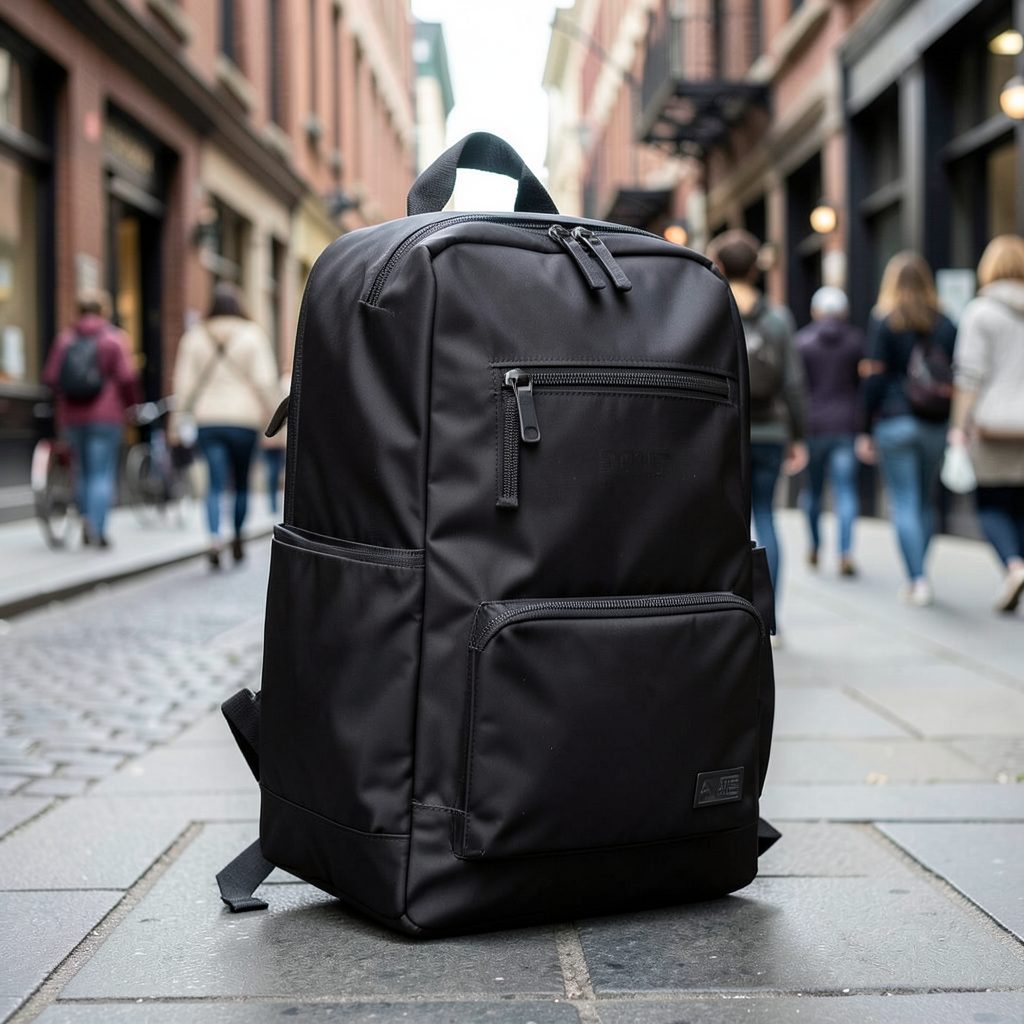
Backpacks, surprisingly, can still work if the design is slim and the straps are contoured. The key is avoiding the school-kid silhouette and choosing something that hugs the back rather than bowing outward. For longer Greyhound trips across the Nullarbor, this style distributes weight better across the shoulders, but for daily commuting, the crossbody remains the more graceful option.
What to look for when you're choosing
- A top-zip or strong magnetic closure that opens wide enough to see the entire interior at a glance
- A front slip pocket sized for a phone, Opal card, or folded sunglasses
- An adjustable strap wider than two centimetres with a buckle that stays in place
- Vegan leather with a fabric backing and a wipe-clean surface
- A main compartment that fits a 500ml bottle and a light jumper without bulging
- Hardware in muted tones that won't scratch against bus seatbelts or grab rails
- A subtle dark colour that hides the inevitable red dust from regional travel
Looking up detailed ranked insights, similar to casino app rankings, helps put marketing claims into perspective. The same critical eye that picks the best option from a crowded chart will help you sort the truly practical bags from the overhyped ones. Heading out to the nearest bus stop is the simplest test of all: load your everyday essentials into the bag, wear it for a full return journey, and notice how often you have to remove it from your shoulder, fight with a buckle, or dig past three layers of pockets to reach something simple. If the bag handles all of that without complaint, you've found a piece that will quietly serve every commute from Bondi to Bunbury, with no worries along the way.
Our Backpack Styles
Every backpack is crafted from premium vegan leather with thoughtful details — multiple pockets, removable straps, and colors that work with any wardrobe. Browse the lineup below.