How to Clean the Inside of a Vegan Leather Bag After a Spill
A drink tipped across the lining of a favourite bag can create more than a visible mark. Liquid may soak into seams, pockets, padding, or the base panel, leaving behind stickiness, odour, discolouration, or mildew if it is not dealt with promptly. The right response depends on what spilled and whether the interior is fabric, microsuede, nylon, or another synthetic material.
Vegan leather is generally made from polyurethane or other coated materials rather than animal hide. The outer surface is easy to wipe in many cases, but the inside of a bag needs a gentler approach. Too much water can spread the stain, while strong solvents may damage the lining or weaken the adhesive holding the bag together.
Australian conditions can make a small spill more troublesome. A bag left in a hot car in Perth or Adelaide may dry quickly on the surface while remaining damp underneath. In Brisbane and coastal Queensland, warm humidity can encourage lingering smells. Sunscreen, iced coffee, takeaway sauce, and red dust from a weekend outing are common causes of interior marks.
With a few household supplies and a calm, methodical process, most fresh spills can be managed at home. The aim is to remove the liquid, lift the residue, dry every layer thoroughly, and preserve the shape and finish of the bag.
What Makes Vegan Leather Different
Vegan leather is designed to resemble leather while avoiding animal-derived materials. Polyurethane-coated fabrics are common because they are flexible, lightweight, and available in many colours. Some bags use plant-based coatings or recycled fibres, so care instructions can vary between products.
The coated exterior usually responds well to a soft damp cloth, but the lining may be woven polyester, cotton, nylon, or a brushed synthetic fabric. These materials absorb liquid differently. A smooth lining can often be wiped clean, whereas a pale fabric lining may hold onto coffee, makeup, or food oils.
Before using any cleaner, check the care label, product instructions, or the brand’s guidance. Test a small amount on an inconspicuous area, such as beneath an interior pocket or near a seam. Avoid assuming that a product safe for genuine leather, canvas, or clothing will also suit vegan leather.
Do not reach immediately for bleach, acetone, methylated spirits, abrasive powders, or concentrated disinfectant. These can cause colour loss, cracking, rough patches, or a permanent chemical smell. Mild soap and water are usually a safer starting point.
Act Quickly Before The Spill Spreads
Remove the bag from the source of the spill and take out everything inside. Open all zips and turn the bag so the affected area is easy to reach. If the liquid is still pooling, tilt the bag carefully over a sink or towel and let gravity remove as much as possible.
Blot rather than rub. Press a clean, absorbent cloth or paper towel against the wet area, lift it, and repeat with a dry section. Rubbing can push liquid deeper into the lining and spread coloured drinks across a wider patch. It can also roughen a brushed interior or transfer dye from a printed cloth.
For a thick spill such as yoghurt, sauce, or foundation, lift solids with the edge of a spoon or a blunt card. Avoid scraping firmly against the lining. If a sharp object, broken cosmetic container, or leaking battery is involved, use care when emptying the bag and keep the contents away from skin.
A quick response is especially useful after a ferry ride across Sydney Harbour, when a bag may have been packed tightly and left without ventilation. The sooner excess moisture is removed, the less chance it has to settle into the base and corners.
Empty And Assess The Interior
Once the immediate liquid has been blotted, inspect the bag carefully. Check the base, side panels, slip pockets, zip compartments, stitched labels, and the area beneath removable inserts. A spill can travel further than the original mark, particularly when the bag has a padded structure.
Separate items that may have contributed to the mess. A leaking hand sanitiser, lip balm, sunscreen tube, or drink bottle should be cleaned before it goes back into the bag. Washable fabric items can be treated separately, while electronics should be switched off and dried according to their own instructions.
If the lining is removable, take it out only if the construction allows this without forcing clips or stitching. Lay it flat on a towel and blot both sides. For a non-removable lining, pull it gently away from the outer shell with one hand while cleaning so moisture does not sit between the lining and vegan leather.
At this stage, decide whether the bag needs simple spot cleaning or a broader interior wash. A small amount of water from a sealed bottle may need only blotting. Milk, sweetened coffee, wine, oil, and sauces usually require mild cleaning because their residue can attract dirt and cause odours.
Clean The Lining Without Overwetting
Mix a small amount of mild, colourless dishwashing liquid or gentle laundry detergent into lukewarm water. The mixture should be weak and lightly soapy, not foamy. Dip a clean microfibre cloth into it, then wring the cloth almost completely dry.
Dab the affected lining from the outside of the stain towards the centre. Work in short sections and rinse the cloth often in clean water. Avoid pouring the solution directly into the bag, as excess moisture can soak through seams and padding.
After lifting the residue, use a second cloth dampened with plain water to remove soap. This rinsing step matters because leftover detergent can leave a tacky film that attracts dust. Keep the cloth controlled around zips, magnetic closures, metal fittings, and leather-look trim.
For a pale fabric lining, repeat gentle dabbing rather than applying a stronger solution. A faint shadow may become less visible as the material dries. Test any stain remover first, and do not use oxygen bleach unless the manufacturer specifically approves it for that lining.
For greasy marks, place a small amount of cornflour or talcum-free absorbent powder over the dry spot for several hours, then brush or vacuum it away gently. Follow with a barely damp cloth if needed. Do not use powders on wet surfaces, as they can form a paste and become harder to remove.
Treat Odours And Specific Stains
Sweet drinks and dairy can leave a smell even after the visible mark has gone. Once the lining is nearly dry, place the open bag in a well-ventilated room with a bowl of bicarbonate of soda nearby. Keep the powder in the bowl rather than scattering it inside, since loose particles can settle into zips and seams.
For persistent odour, a dry sachet of activated charcoal can help absorb smells. Do not spray perfume, essential oils, air freshener, or vinegar directly onto the lining. These products may mask the smell briefly, create another stain, or react poorly with synthetic coatings.
Makeup and sunscreen are oil-based, so repeated light treatment is safer than aggressive scrubbing. Use a tiny amount of diluted mild detergent on a cloth and blot from the edge inward. Ink is more difficult; stop if the colour begins to spread and seek professional advice rather than applying alcohol without testing.
If mould or dark spotting appears after the bag has stayed damp, isolate it from other belongings. Wipe only if the care instructions allow it, wear gloves, and dry the bag completely in a ventilated area. Extensive mould, a strong musty smell, or moisture trapped inside padding may require a specialist cleaner.
When travelling through Australia, a leak can go unnoticed inside a packed backpack during a humid Queensland birdwatching trip or a long drive through the Northern Territory. Inspecting the bag at the end of each day helps catch moisture before it becomes a larger problem. Planning an outing around birding travel ideas can also be a useful reminder to pack washable pouches for wet or dusty equipment.
Dry The Bag Completely
After cleaning, press a dry towel against the lining to remove as much moisture as possible. Leave every pocket open and place the bag upright or on its side so air can circulate. Remove detachable straps and inserts if they are damp.
Use a fan or a cool, gentle airflow to speed drying. Keep the bag away from hairdryers, heaters, radiators, direct midday sun, and hot car interiors. Excessive heat can warp synthetic coatings, soften adhesives, fade colour, and cause vegan leather to become brittle.
A shaded balcony may work in mild weather, but avoid leaving the bag outside overnight, particularly in areas where evening condensation is common. In Melbourne, sudden weather changes can re-dampen a bag, while in Darwin or coastal Queensland, humid air may make air-drying take longer.
Do not close the zips or store the bag until the lining, corners, seams, and base feel fully dry. If it still smells damp after a day, continue ventilating it and inspect the inner construction. A cool, dry room is usually better than a sunny windowsill.
Once dry, restore the shape with clean towels or acid-free paper. Avoid newspaper because ink can transfer to light linings. Check the outer shell with a dry cloth, then wipe any cleaned vegan leather panels gently if moisture or residue reached them.
Prevent Future Spills While Travelling
A small organiser or washable pouch can keep cosmetics, snacks, cables, and liquids away from the main lining. Bottles should stand upright with secure caps, and toiletries are best placed in a sealed travel bag. This is particularly useful when carrying sunscreen for an Australian beach day or a water bottle on a bushwalk.
Use a reusable bottle with a reliable seal and keep it in a separate compartment where possible. Before leaving, turn the bottle upside down over a sink to test for leaks. A zip-top pouch is helpful for wet swimmers, umbrellas, or muddy items after a walk.
Regularly empty receipts, crumbs, sand, and dust from the bag. Fine red dust from an outback stop or beach sand from the Gold Coast can work into the lining and make later spills harder to remove. A soft brush or low-suction handheld vacuum can clean dry debris without stressing the fabric.
For trips where a polished bag needs to move from daytime sightseeing to dinner, choose a design with a wipeable outer surface and practical compartments. A cruise-ready bag guide offers ideas for carrying essentials between a cabin, the pool deck, and evening venues without overloading the interior.
Store the bag loosely filled when it is not in use. Keep it in a breathable dust bag or pillowcase rather than sealed plastic, and avoid placing heavy items on top. Inspecting it before a journey gives you time to clean small marks before they become set stains.
Keep The Bag Fresh For Longer
A clean interior is easier to maintain when the bag is treated as a collection of separate surfaces. Wipe the exterior with a soft damp cloth, clean the lining only where needed, and dry all components independently. This avoids the deep soaking that can affect structure and hardware.
If a bag receives frequent use on Melbourne trams, Sydney commutes, or busy Brisbane shopping trips, schedule a quick weekly empty-out. Remove loose debris, check for leaking pens and cosmetics, and air the bag for a few minutes. Regular care takes less time than dealing with an old, sticky stain.
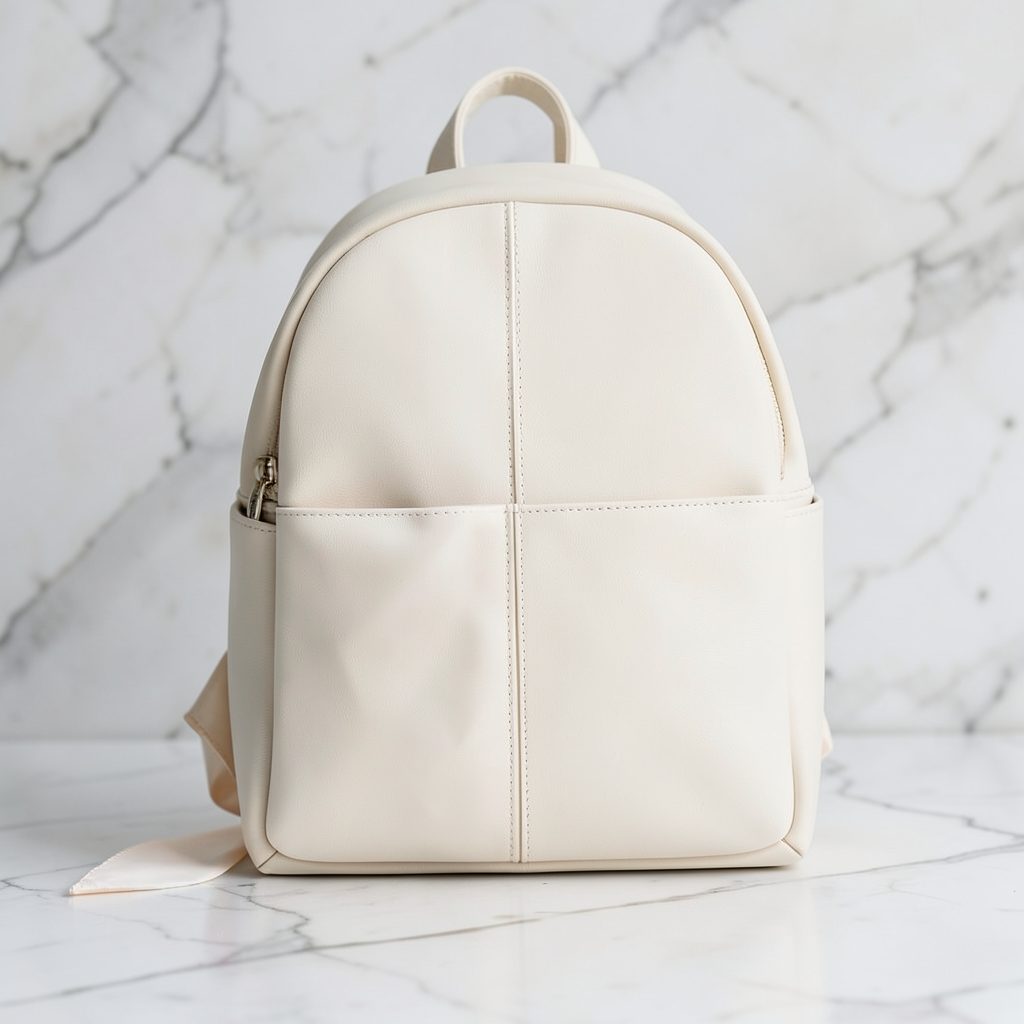
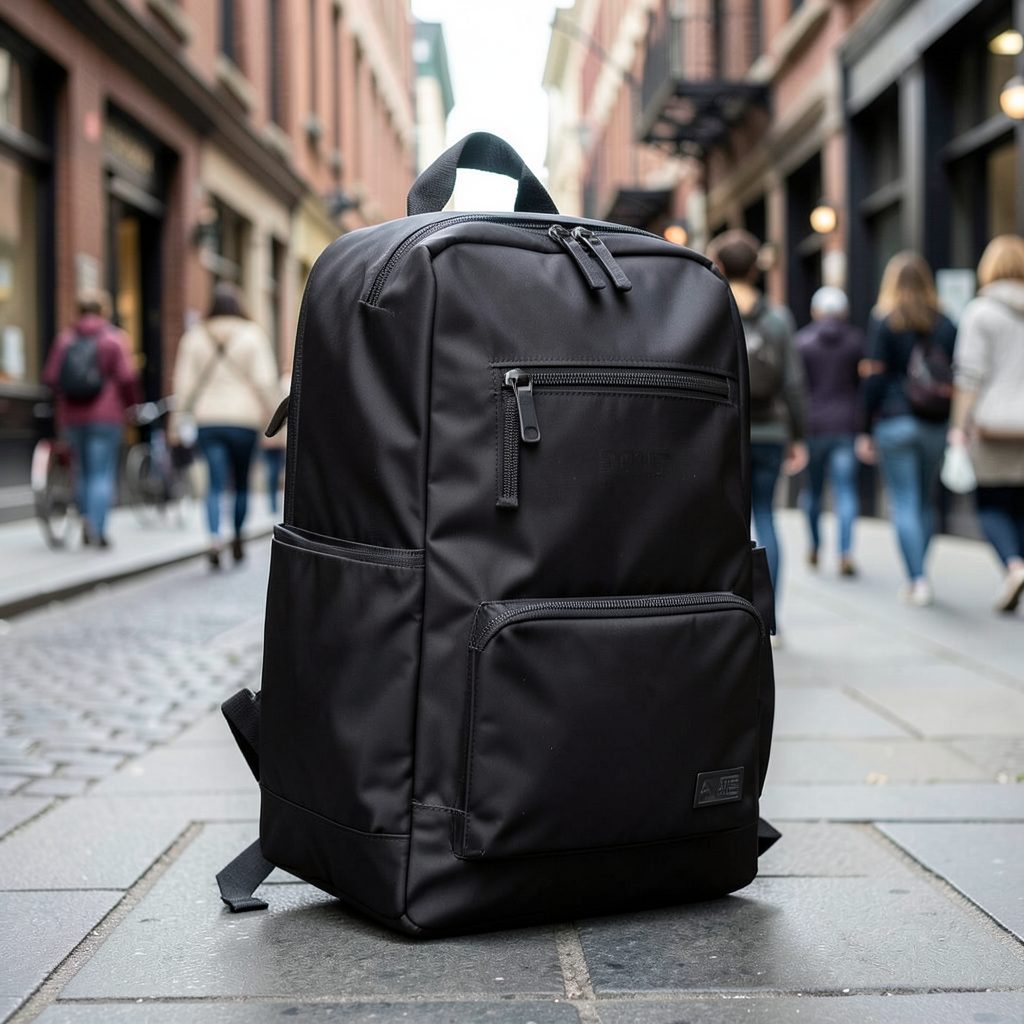
Travel Starter Pack’s vegan leather range includes backpacks, crossbody bags, totes, wallets, and accessories designed for everyday use and travel. A compact wallet or organiser can separate small items from the lining, while a larger tote may suit work, markets, or a weekend away. Useful gift options are collected in vegan travel accessories.
When choosing cleaning supplies, keep them simple: absorbent cloths, mild detergent, a soft brush, and a breathable storage bag are usually enough. A small travel-friendly cleaning kit can be packed with other essentials if you prefer to keep a dedicated cloth and care items ready for unexpected spills.
Prompt blotting, gentle spot cleaning, careful drying, and sensible storage will protect the bag’s lining and help preserve its shape. Browse durable animal-free bags and accessories at Travel Starter Pack, with free worldwide shipping and order tracking available for your next everyday or travel companion.
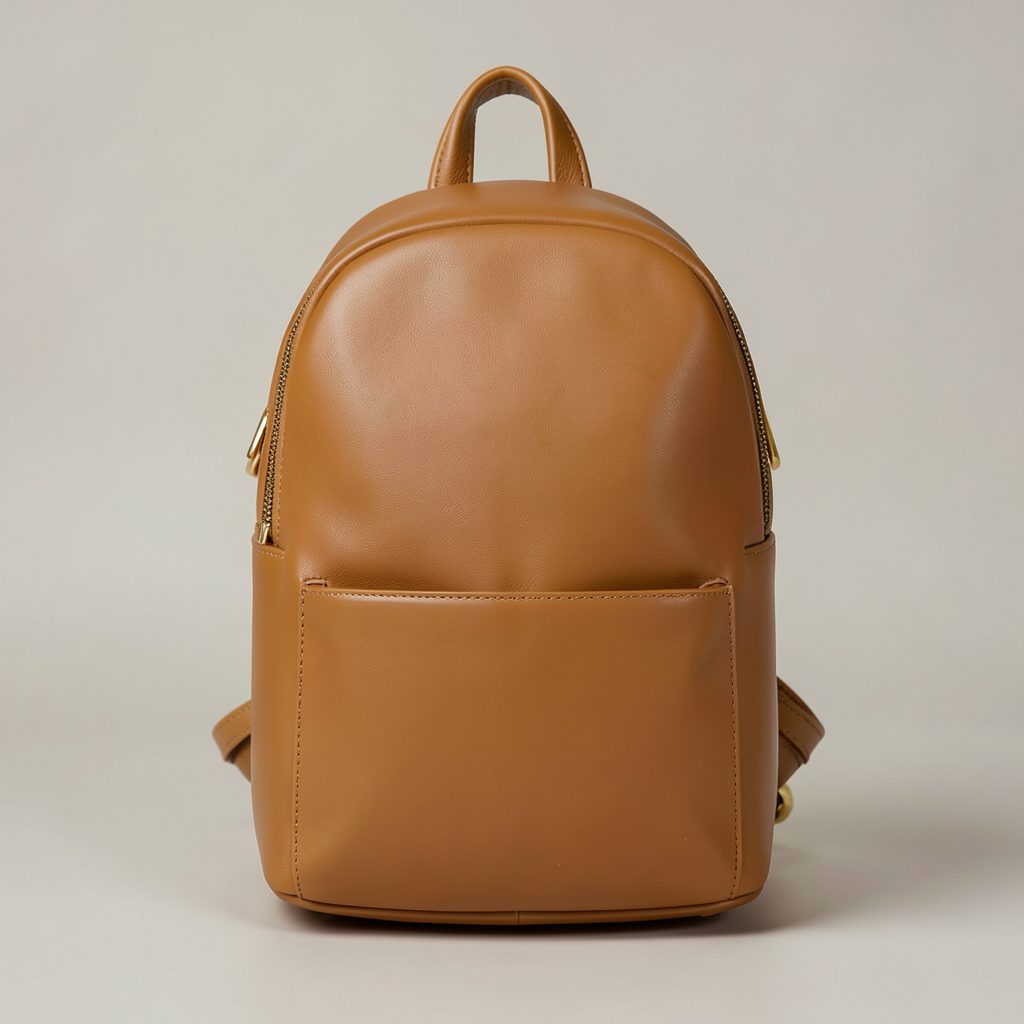
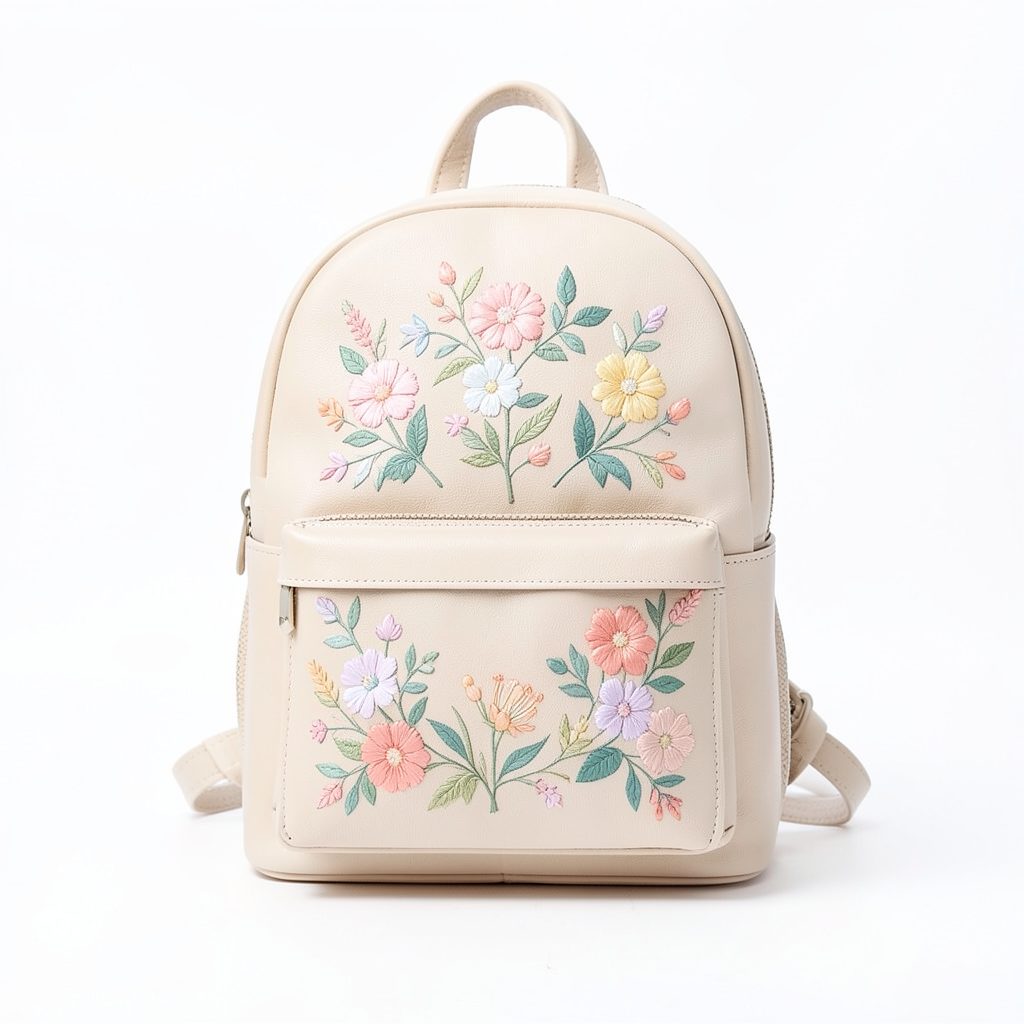
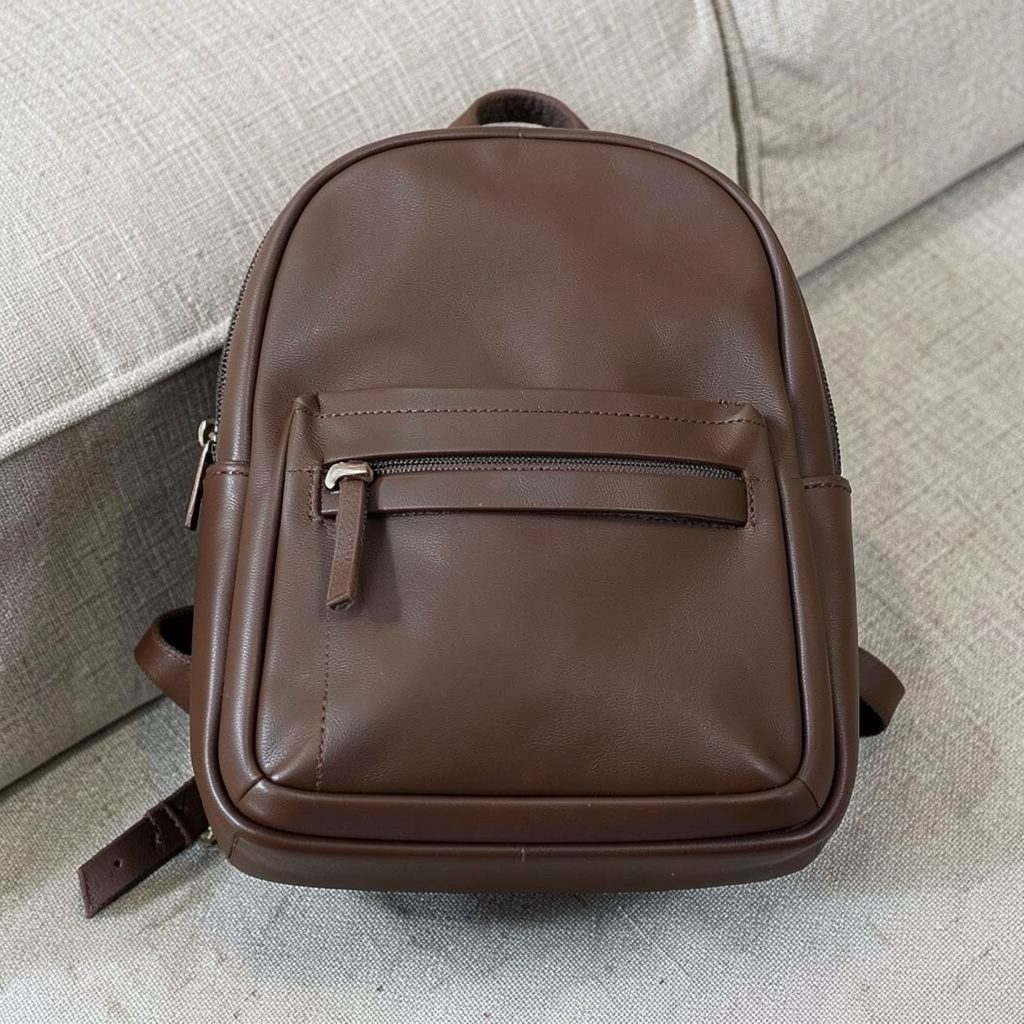
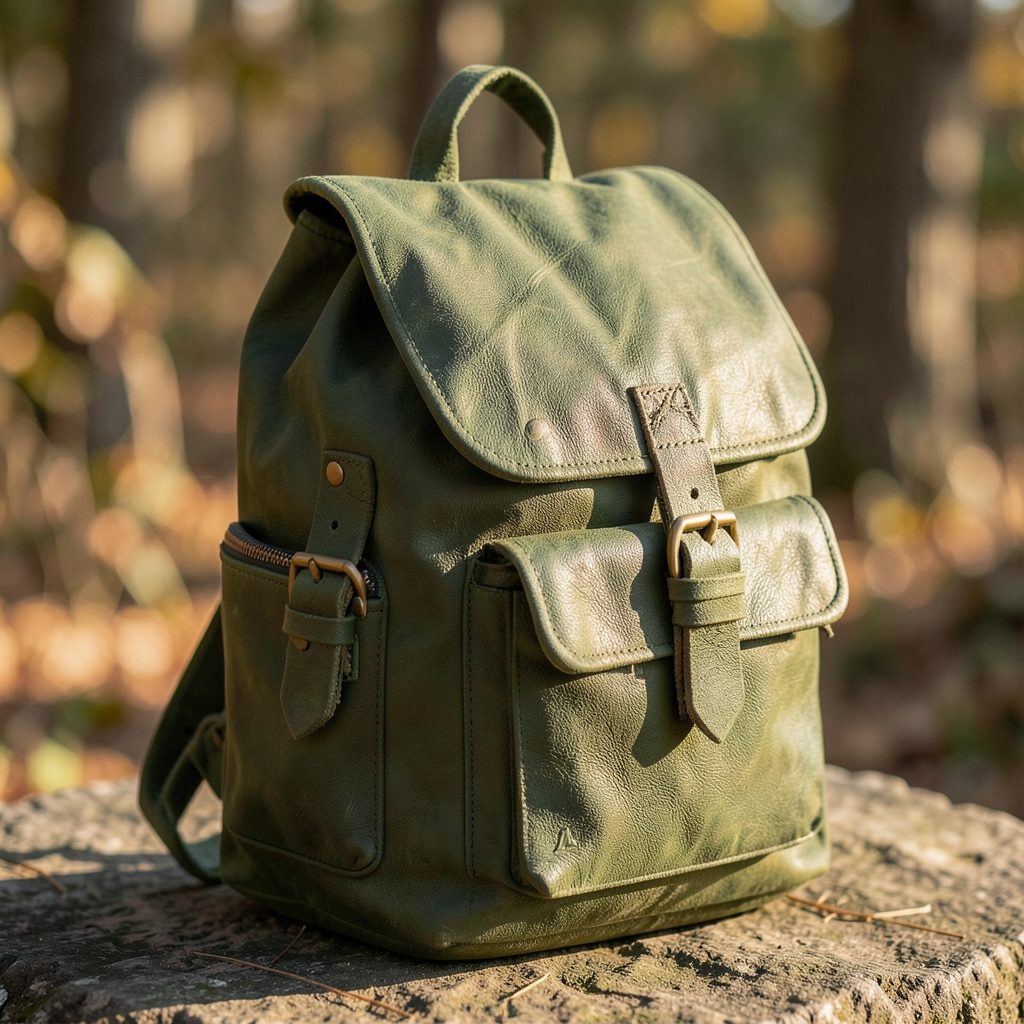
Our Backpack Styles
Every backpack is crafted from premium vegan leather with thoughtful details — multiple pockets, removable straps, and colors that work with any wardrobe. Browse the lineup below.