How to Clean Street Food Stains From a Vegan Leather Bag
A quick lunch from a food truck, market stall or busy laneway can leave more than a good memory on your bag. A splash of laksa, a smear of hot-chip seasoning or a drip of oily dumpling sauce may settle into the surface before you notice it. Vegan leather is practical and easy to maintain, but it still needs the right treatment to avoid dull patches, colour transfer and peeling.
Most vegan leather bags are made with a polyurethane coating over a fabric base, while some use PVC or other synthetic finishes. The coated surface resists light moisture, yet strong rubbing, excessive water and harsh household cleaners can damage the finish. The safest approach is to remove the food residue promptly with gentle products and limited moisture.
Australian conditions can make small marks harder to manage. A bag carried through a sunny Sydney afternoon may heat up quickly, while humidity in Brisbane can make residue feel sticky. Dust in Perth, sunscreen at the beach and frequent outdoor dining at Melbourne markets can all add to the mess. A simple cleaning routine helps keep a favourite everyday bag looking polished for longer.
Identify the stain before cleaning
Begin by checking what is on the bag and where it has spread. Use a dry, clean cloth to lift crumbs, herbs, flour or spice powder without dragging them across the surface. If a solid piece of food has dried onto the material, loosen it gently with the edge of a plastic card or your fingernail. Avoid knives, metal tools and rough scrubbing pads, which can score the coating.
Greasy foods need a slightly different approach from watery sauces. Oil from fried chicken, chips or satay may leave a translucent patch, while tomato, curry or beetroot can create stronger colour marks. Dairy, mayonnaise and sweet sauces can become tacky as they dry. Identify the residue first, but do not wait for a perfect diagnosis before removing the excess. The longer a stain sits, the more likely it is to migrate into seams, embossing or textured areas.
Read the care label and inspect the bag’s finish before applying anything. Metallic effects, printed designs, pale colours and soft-touch coatings may react differently from smooth black or brown vegan leather. Test any cleaning mixture on a hidden section, such as the underside of a flap or the back of a strap. Give the patch several minutes to dry before deciding whether it is safe for the visible area.
Use a mild cleaning solution
For most fresh food stains, mix lukewarm water with a small amount of gentle, colour-free liquid soap. A mild hand wash or a tiny drop of unscented dishwashing liquid can help break down oil, but the solution should be weak rather than bubbly and concentrated. Strong laundry detergent, bleach, eucalyptus oil, acetone and alcohol-based products can strip colour or make synthetic leather sticky.
Dampen a soft microfibre cloth, then wring it out until it is almost dry. The cloth should feel moist, not wet enough to release drops when squeezed. Dab or wipe the mark from the outside towards the centre, using short, light movements. Rinse the cloth often in clean water so you are lifting the food away instead of redistributing it over the bag.
For oily residue, place the diluted soap on the cloth rather than pouring it onto the bag. Work in small sections and pause to inspect the result. A second pass is safer than applying pressure. If the stain has disappeared, use another barely damp cloth to remove soap residue, then pat the area dry with a clean towel. Keep water away from unsealed edges, decorative trim and the inside of the bag.
Treat sauces, oil and colour transfer carefully
Red curry, tomato relish and chilli oil can leave a combination of pigment and grease. Start with the mild soap solution and allow it to sit on the cloth for a few seconds while you dab, never soaking the surface. If a trace remains, repeat the process after the first area has dried. Several gentle applications usually cause less damage than one aggressive attempt.
Fresh oil marks may respond to absorbent powder, but use caution. A small amount of plain cornflour can be left on the spot for a short period, then brushed away with a very soft cloth before normal cleaning. This method is more suitable for a smooth, light-coloured finish than a heavily textured or embossed one. Do not use talcum powder containing fragrance, coloured powder or gritty kitchen ingredients.
Colour transfer from a napkin, paper bag or dark denim may be more difficult than food itself. Avoid household stain removers unless the manufacturer specifically approves them for vegan leather. Products designed for fabric, suede or genuine leather may contain solvents, oils or waxes that change the synthetic coating. If colour has penetrated the finish, a professional bag repairer is less risky than repeated home experiments.
A structured bag can benefit from prevention as much as treatment. If you often carry takeaway meals, gardening supplies or market produce, keep food in a sealed container and place the bag on a clean chair rather than a pavement or damp bench. Practical advice about handling fresh produce and outdoor messes can also be found through vegetable growing tips, especially if your bag travels between a weekend market and a community garden.
Dry the bag without damaging it
Once the stain has been removed, drying matters. Blot the cleaned section with a soft towel and leave the bag open in a shaded, well-ventilated room. Keep it away from direct Australian sun, heaters, hairdryers and car dashboards. Heat can warp synthetic panels, cause adhesive to soften and accelerate cracking in finishes that are already dry or worn.
Do not hang a wet bag by a narrow strap, because the extra weight can distort the handle attachments. Instead, support the base on a towel and reshape the body gently with clean, colourfast paper or a dry cloth. Avoid newspaper, which can transfer ink, and do not pack the interior tightly while the exterior is still damp.
Humidity deserves extra attention in coastal areas and during Brisbane’s warmer months. A bag that is stored damp may develop an unpleasant odour, particularly around lining, pockets and piping. Let it dry fully before closing it in a wardrobe. If the lining is affected, empty the bag, turn it out as far as the construction allows and wipe it separately with a lightly damp cloth.
Match care to the bag’s design
Different shapes collect street-food residue in different places. A bucket bag may catch crumbs around its drawstring and base, whereas a crossbody bag can pick up sauce on the flap from a crowded table. A roomy tassel bucket bag should be cleaned with attention to its tassels and hardware, as moisture trapped around decorative pieces can leave marks or tarnish.
For daily commuting, a crossbody style is often exposed to clothing dye, sunscreen and contact with public seats. Keep the bag off wet surfaces on trains, trams and ferries, and wipe high-contact areas such as the strap and flap more frequently than the rest. Browse crossbody bag styles with maintenance in mind, particularly if you prefer a light colour or a textured finish that may hold crumbs.
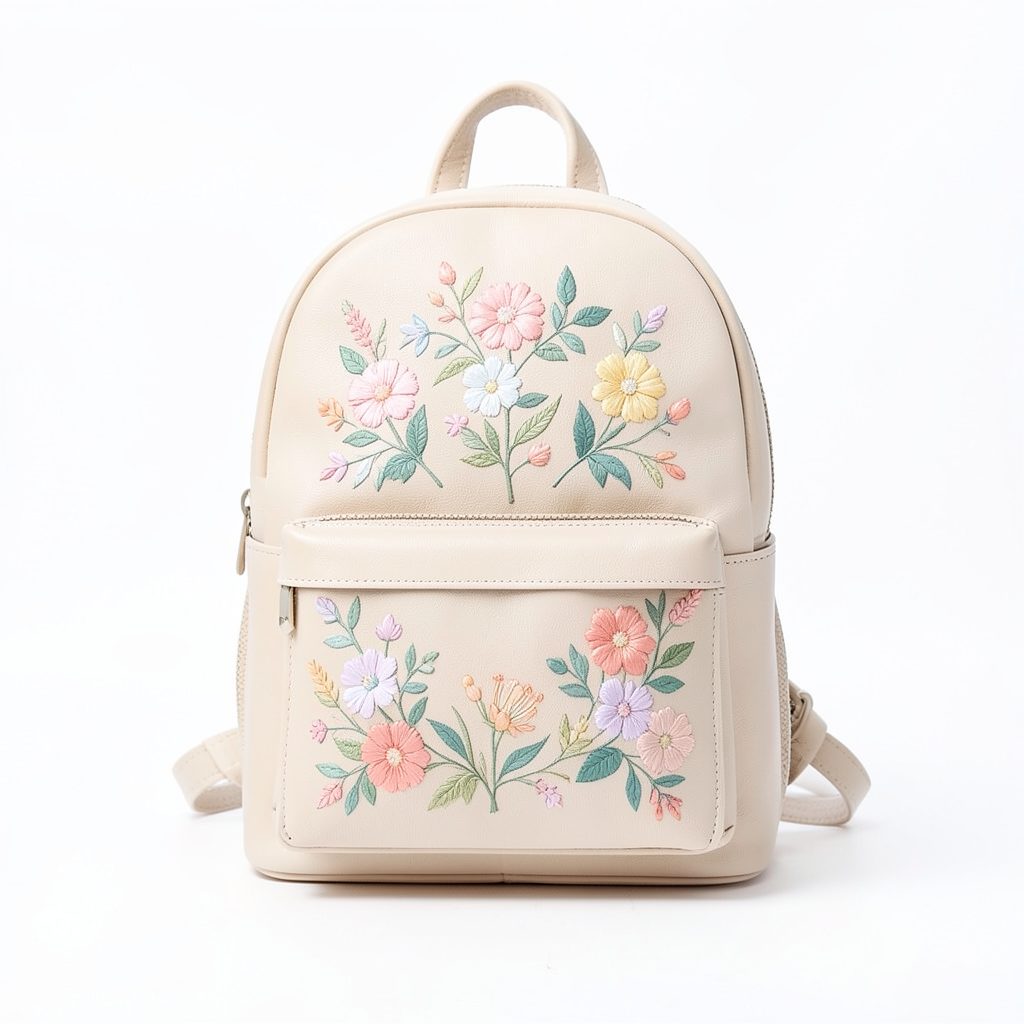
Backpacks have additional seams, zips and shoulder straps that can trap food particles. A floral or printed panel may require more conservative cleaning than a plain surface, since repeated rubbing can fade the artwork. For a design with decorative detail, such as a floral embroidered backpack, dab around the embroidery and avoid saturating the thread or backing fabric.
Hardware also needs care. Wipe metal buckles and zip pulls with a dry cloth after cleaning the nearby surface, then check that no moisture remains in the zip teeth. Never use metal polish on the vegan leather itself. If a bag has a removable charm, tassel or strap, detach it before cleaning when the construction permits; this reduces the chance of water reaching the attachment points.
Build a routine for Australian travel
A small care kit is useful when you eat on the move. Keep a soft microfibre cloth and a few unscented tissues in an interior pocket, but use the tissue only to blot fresh spills. Carrying a small reusable pouch for messy takeaway items can protect the bag from leaking containers and is a better option than relying on disposable plastic bags. Many Australian councils have different waste and recycling rules, so reusable protection also avoids adding confusing soft-plastic waste to the household bin.
At a Sydney night market, Melbourne food festival or Adelaide farmers’ market, inspect your bag when you finish eating rather than waiting until you get home. In hot weather, a stain can warm and spread inside a parked car. In cooler conditions, grease may become less visible but still remain in the coating. A quick blot followed by a proper clean later is preferable to scrubbing a dried mark with force.
Daily habits also make a difference. Apply sunscreen before putting the bag on, allow hand sanitiser to dry completely and keep pens, cosmetics and sauces in separate pouches. In Darwin or other humid environments, avoid storing the bag against damp clothing. For dusty trips around Perth or regional areas, brush off dry grit before using any damp cloth so particles do not act like sandpaper.
Australian consumers are protected by the Australian Consumer Law, which generally requires goods to be of acceptable quality, fit for purpose and accurately described. Those guarantees do not cover ordinary marks, misuse or damage caused by unsuitable cleaning chemicals. Keep proof of purchase and follow the brand’s care instructions if a finish begins peeling or a seam separates. A retailer may be able to assess a manufacturing issue, but stain removal damage caused at home can be difficult to reverse.
Recommended care habits
- Blot fresh spills immediately instead of rubbing them into the coating.
- Use a nearly dry microfibre cloth with diluted mild soap.
- Test every cleaning mixture on a hidden area first.
- Keep vegan leather away from direct sun, heaters and hairdryers while drying.
- Store takeaway food in a sealed container or reusable protective pouch.
- Clean straps, flaps, seams and hardware as well as the main panel.
- Follow the care label and contact the retailer before attempting solvent-based treatment.
If a mark remains after two or three gentle cleaning attempts, stop and let the surface dry completely. Persistent pigment, peeling, bubbling or a change in texture may indicate that the coating has been affected rather than simply stained. Photograph the area, note what caused it and contact the retailer or a bag repair specialist for advice. A careful response protects the finish, reduces waste and gives your vegan leather bag a better chance of accompanying you through future markets, commutes and travels.
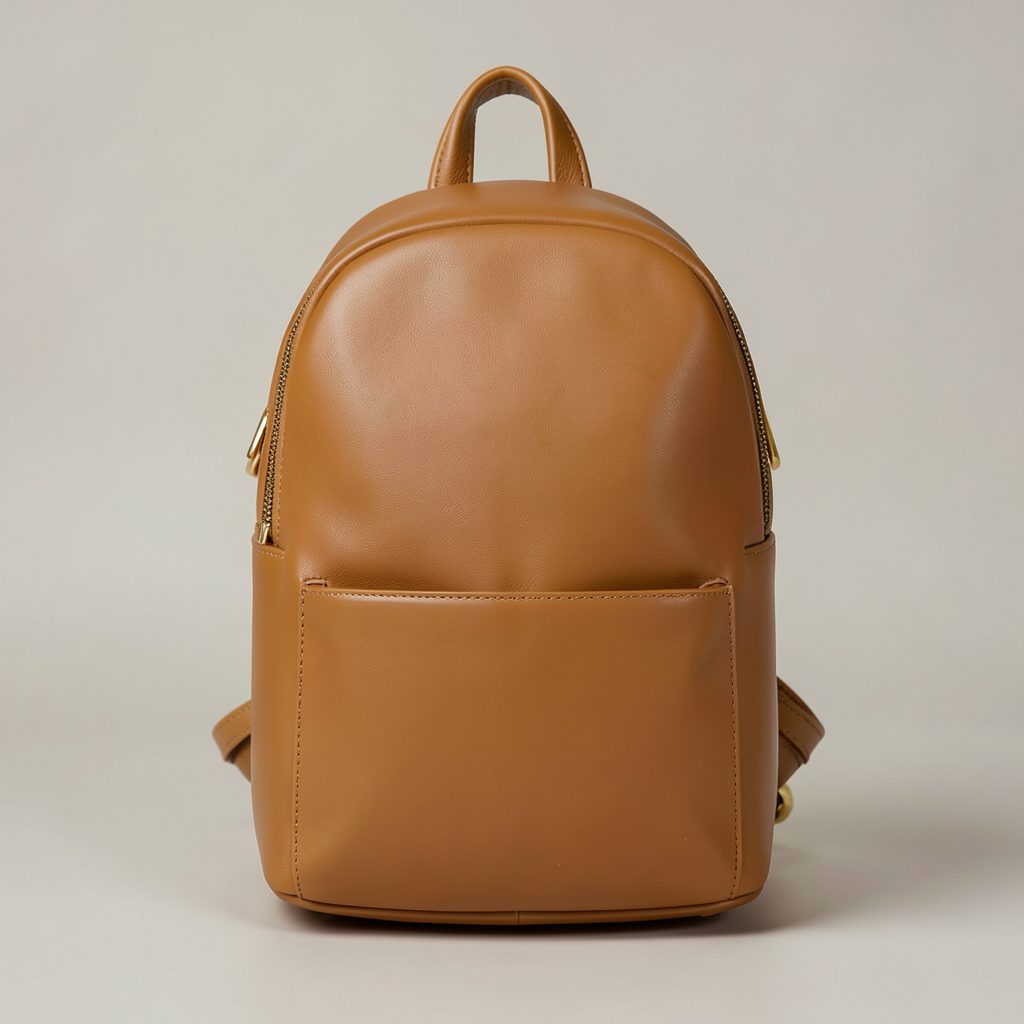
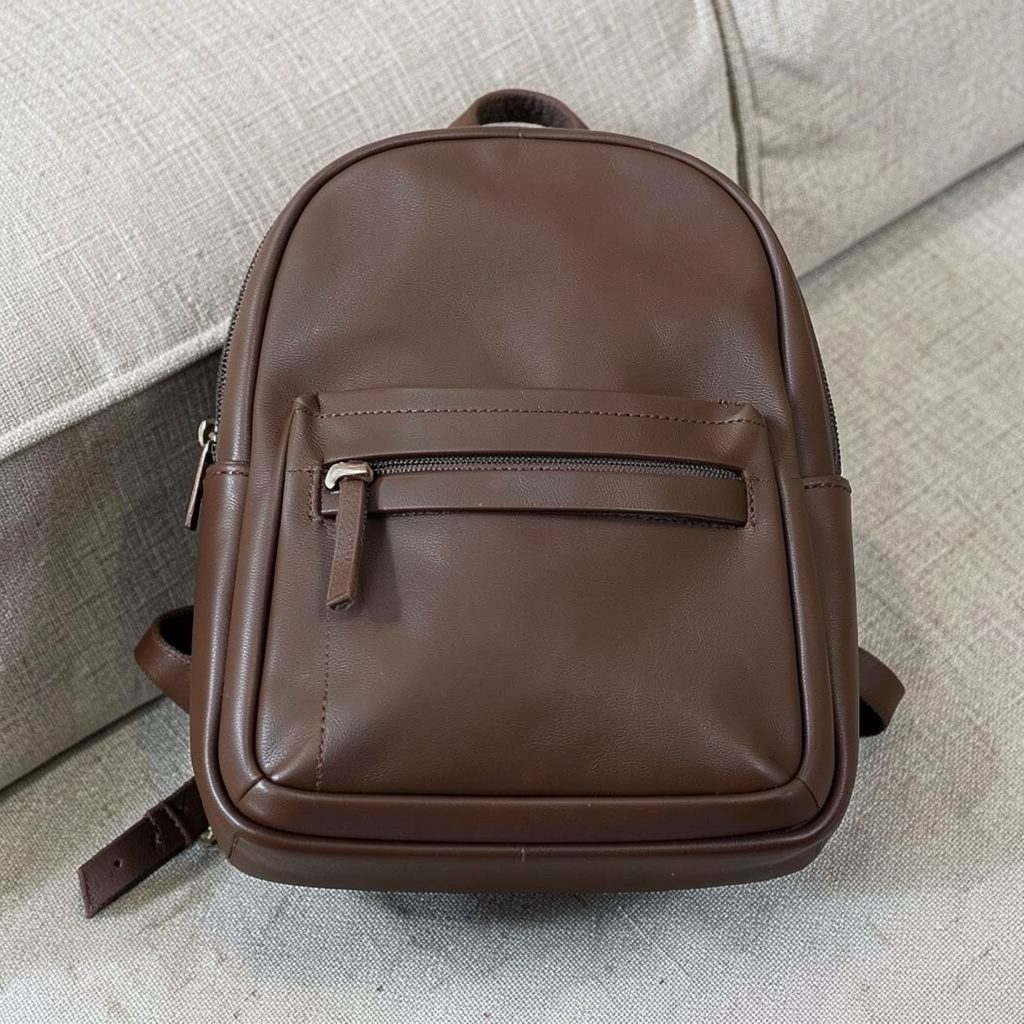
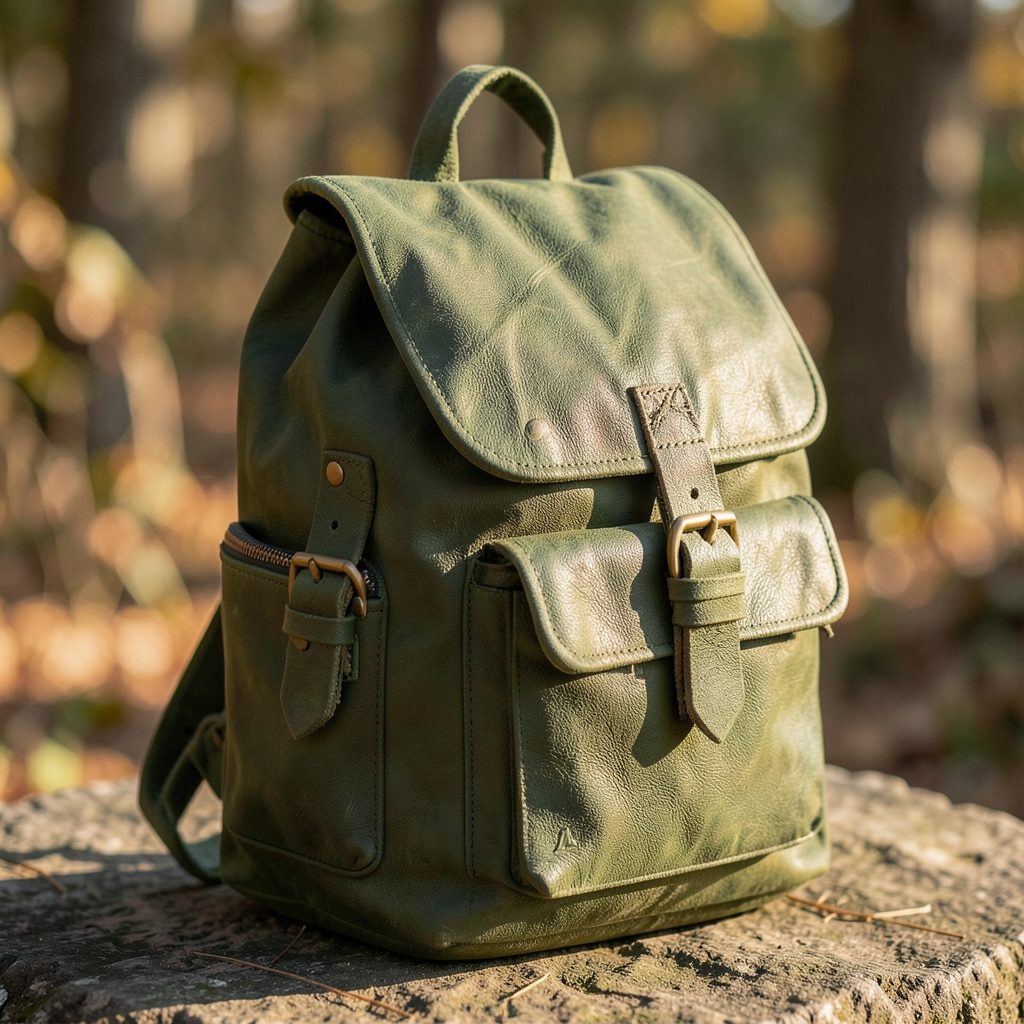
Our Backpack Styles
Every backpack is crafted from premium vegan leather with thoughtful details — multiple pockets, removable straps, and colors that work with any wardrobe. Browse the lineup below.