How to Clean a Vegan Leather Crossbody Bag After a Coastal Road Trip
A coastal road trip leaves more than sand in the tread of your shoes. Salt spray stiffens straps, sunscreen leaves an oily film, and fine grit works itself into zips and seams. By the time you reach home, the bag may look tired even when the colour is intact. Giving a vegan leather crossbody bag a careful clean is usually enough to restore it without specialist equipment.
The important word is usually. Vegan leather can mean polyurethane, PVC, coated fabric or a suede-style synthetic, and each behaves differently around water. A method that is safe for one surface can leave tide marks, stiffen a finish or damage adhesive on another. The safest response is to identify the material, check the maker’s care instructions and test any cleaner on a hidden section.
Start with damage control rather than a deep clean: let the bag dry, remove loose grit and treat oily marks gently. From there, a controlled wipe, careful drying and sensible storage will bring the crossbody back into daily use. The same routine also protects the investment when another warm, salty day is waiting along the coast.
Check the material before you clean
Begin by checking the care label, product page or paperwork supplied with the bag. Look for the upper material, lining composition and any warnings about water, solvents or heat. Polyurethane can tolerate a damp cloth but may stain or swell if flooded. PVC may resist moisture more effectively, while suede-style microfibre can develop pale patches when cleaned too aggressively. The manufacturer’s instructions should outrank generic cleaning advice.
Australian shoppers encounter these materials across online marketplaces, fashion retailers and specialist luggage stores. Under the Australian Consumer Law, claims about composition, durability and environmental benefits must be accurate and properly substantiated, with the Australian Competition and Consumer Commission able to investigate misleading claims. Calling a bag vegan does not automatically mean it is plastic-free, more sustainable or built to last, so it helps to choose cleaning products that suit the stated finish.
If the material is unknown, begin with the least intensive option: a dry microfibre cloth followed by a barely damp white cloth. Test it inside a lower seam and leave the area to dry before treating the visible exterior. If you are choosing a replacement for another trip, a vegan leather buying checklist can help compare material, care requirements and useful features before purchase.
Empty the bag and remove loose grit
Empty every pocket, including the main compartment, zipped sections and small organiser loops. Remove receipts, lip balm, sunscreen sachets and loose coins so nothing can rub against the lining during cleaning. Open the bag fully and gently shake it over a bin or outdoors, then lift away visible crumbs with a soft-bristled brush. Avoid vigorous brushing, which may scratch coated surfaces or drive grit deeper into the seams.
A drive from Sydney towards Byron Bay may include a stop near Coffs Harbour, where a breeze can carry salt and sand into an open vehicle. Australia drives on the left, so a convenient roadside stop can also create unexpected hazards. Use a formal rest area, pull completely out of traffic and keep the crossbody with you rather than leaving it visible in an unattended car.
Before applying any cleaner, blot damp areas with a clean, dry cloth. This matters if the bag has carried a beach towel, swimsuit or wet jacket. Separate damp items in a sealed pouch until they can be dried. Even the lid of a takeaway coffee can leave a sugary mark if it tips, so blot such spills promptly rather than letting them set into the finish.
Treat salt, sunscreen and sand separately
Salt, sunscreen and sand respond to different cleaning methods, so identify each mark before treating it. Salt usually appears as a pale, gritty film or concentrated ring around a zip. Sunscreen often creates a translucent or greasy patch, particularly where a strap rests against the shoulder. Sand tends to sit on the surface but can work into stitching and abrade the material when rubbed.
For salt, use a clean white microfibre cloth lightly dampened with filtered or distilled water. Blot the mark without scrubbing and work from the outside of the stain towards the centre. Change sections of the cloth frequently so dirt is not pushed back into the bag. Repeat with a dry cloth, then address any remaining residue with the mild soap method described below. Using filtered water can reduce the mineral rings sometimes left by hard tap water.
For sunscreen, first press a dry cloth against the area to absorb as much oil as possible. Follow with a barely damp cloth and, if needed, a small amount of diluted mild soap. Sand should be allowed to dry completely before it is lifted, because damp grains clump and scratch. Use a soft brush or clean toothbrush around stitching, then remove the residue with the damp-cloth method. Never mix household cleaners into a homemade paste, as the combination may dull the finish or attack the adhesive.
Wipe the exterior with controlled moisture
Once loose dirt is gone, prepare a gentle cleaning solution unless the care label specifies another product. Mix about five millilitres of mild, preferably fragrance-free liquid soap with 500 millilitres of lukewarm water. Stir lightly and test the solution on a concealed section, allowing it to dry fully. Colour changes, stiffness or a patchy sheen mean the mixture is too harsh for that material.
Dip a clean white microfibre cloth into the solution and wring it until it is almost dry. Wipe the bag in small sections, using light pressure rather than circular scrubbing. Follow each section with a second cloth dampened only with clean water to remove soap. Pay attention to seams, the base and areas around hardware, but avoid saturating the edges where liquid can seep between layers and weaken glue.
Keep the bag away from running water, dishwashers and washing machines. Do not use bleach, alcohol, acetone, nail-polish remover, oven cleaner or household disinfectant sprays. A conditioner intended for genuine leather can be too rich or sticky on PU or PVC, and it may not suit a strictly vegan buying preference. Use it only when the manufacturer confirms that the exact product is compatible with the synthetic surface.
Build a simple care routine for every part
The body of the bag usually receives the most attention, but straps, zips and fittings need separate care. Work over a clean table and keep products away from food, children and pets. A ventilated outdoor area is useful for scented or aerosol treatments, although the bag should always be dried indoors away from direct sunlight.
Use this practical routine to make cleaning repeatable:
- Separate small belongings before cleaning, including keys and lip balm that may have transferred dye. Travel Starter Pack’s wallets with coin pockets can keep loose coins away from the damp lining while the crossbody dries.
- Run a clean, soft toothbrush along zip teeth and around the zip pull, moving debris outwards. Use a manufacturer-approved lubricant if the zip feels stiff, and avoid forcing it with force.
- Wipe the shoulder strap separately, following its length and paying attention to the underside where sunscreen and skin oils collect. Do not saturate the edge or strap adjustment hardware.
- Clean metal buckles with a dry soft brush, adding metal polish only after confirming that it is safe for both the hardware and adjacent synthetic material. Wipe away residue immediately.
Reshape, dry and store the crossbody
Pat the cleaned bag dry with a soft towel and allow every part to air-dry naturally. Place it in a shaded, ventilated room with the main compartment open. A light stuffing of clean tissue paper can help the body retain its shape, provided the bag is no longer damp. Newspaper is unsuitable because its printed ink can transfer.
Heat is particularly damaging to synthetic leather. Do not place the bag on a radiator, beside a heater or under a hair dryer, and avoid strong sunlight, which can fade the colour and make some surfaces feel sticky. This matters in Australia, where a parked vehicle can heat up quickly even during a mild winter afternoon. Carry the bag inside when leaving it in the car rather than storing it in the boot or on the roof.
Once completely dry, store the crossbody in a breathable cotton dust bag inside a cool, dry cupboard. Keep the strap extended rather than tightly folded, and leave the bag away from perfume, cleaning chemicals and oily residue. After roughly 24 hours, inspect the base, seams and strap edges. If a musty smell appears, keep the bag uncovered and seek professional advice rather than sealing it with moisture inside.
Ready the bag for its next road trip
Good care after the journey makes the next departure easier. Shake out sand before it reaches the interior, keep wet towels and swimwear in a separate zip pouch, and wipe off sunscreen as soon as you notice it. After every beach day, give the bag a quick dry wipe and let it breathe overnight. These few habits prevent minor coastal marks from becoming permanent.
Visit Travel Starter Pack to choose a travel-ready crossbody, backpack, tote or companion wallet for the next journey. Compare the available colours and styles, check the material and care information, and explore sale items or new arrivals before ordering. The store offers free worldwide shipping and order tracking, so the right bag can be selected and followed from checkout to arrival. Choose the crossbody that suits your route, complete the order and begin the next coastal drive with a clean, dry and ready-to-use bag.
Our Backpack Styles
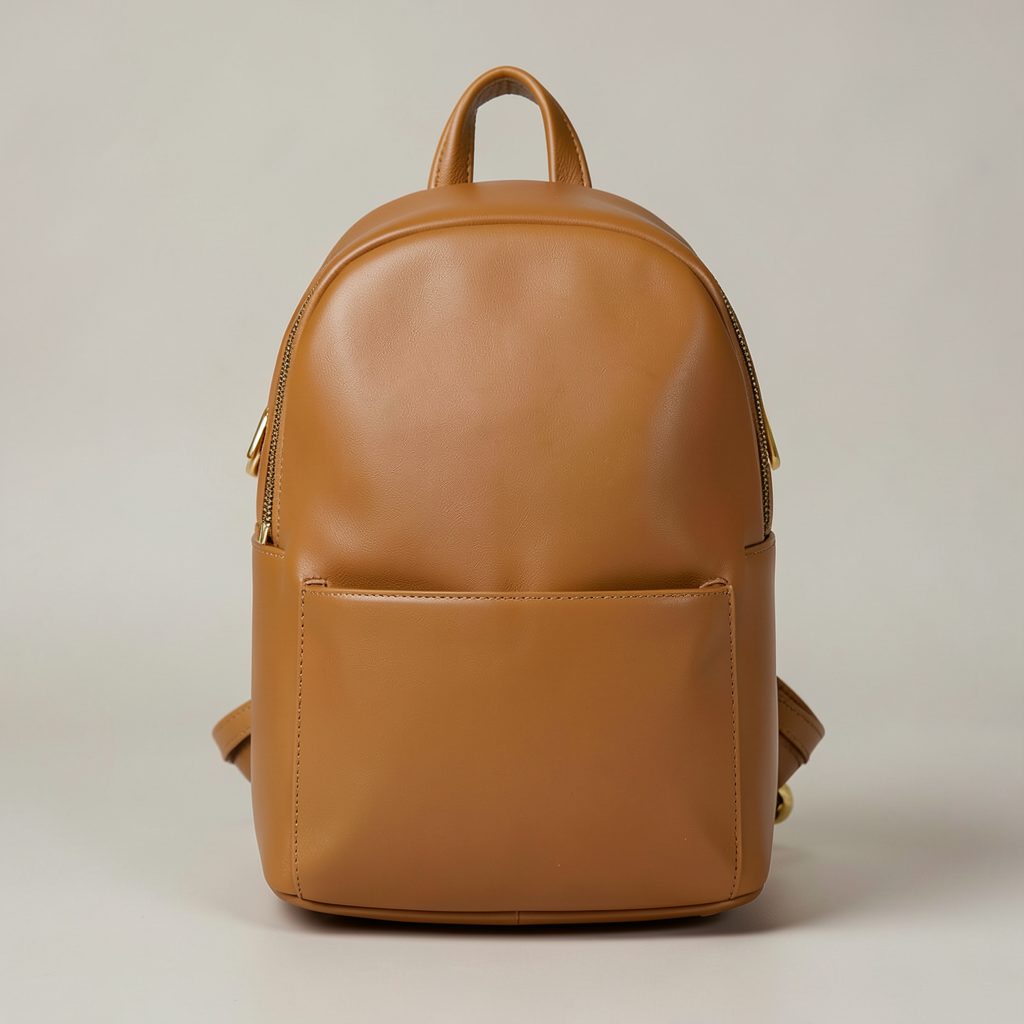
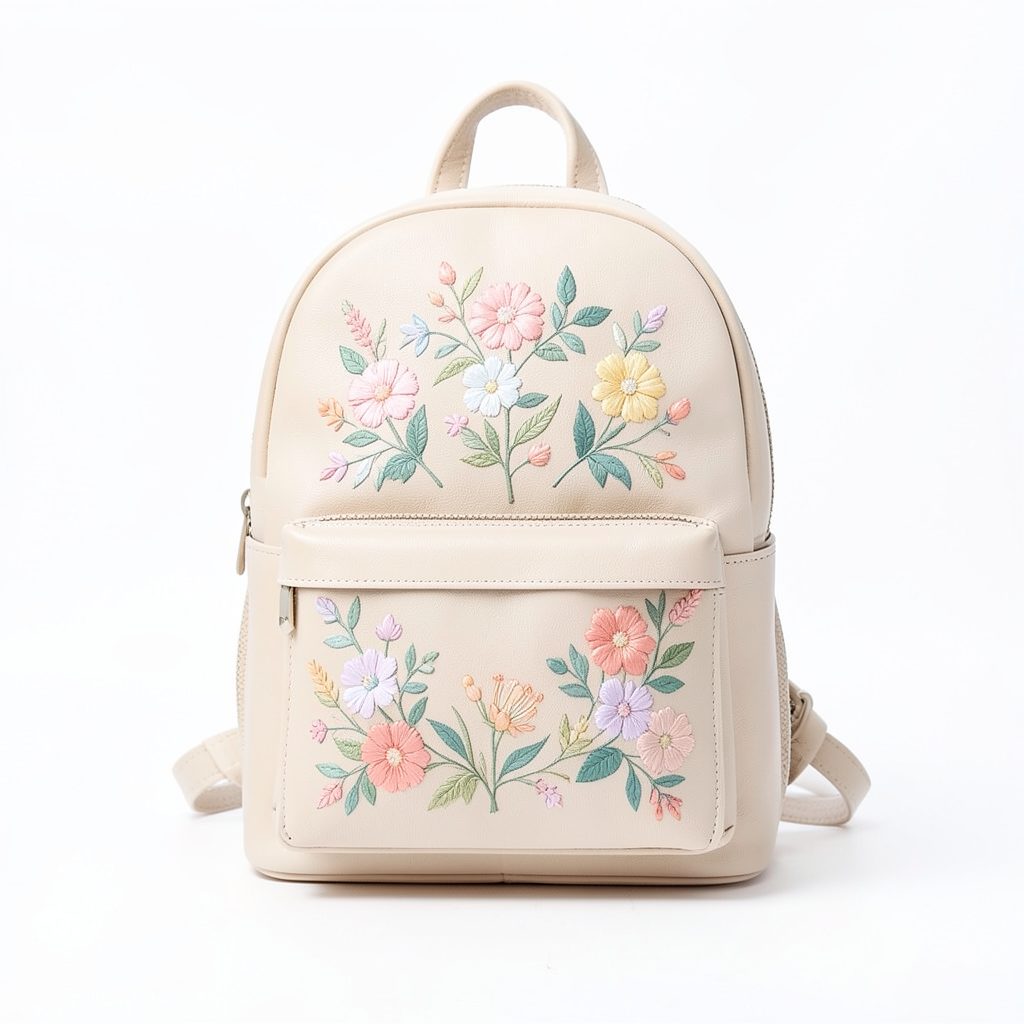
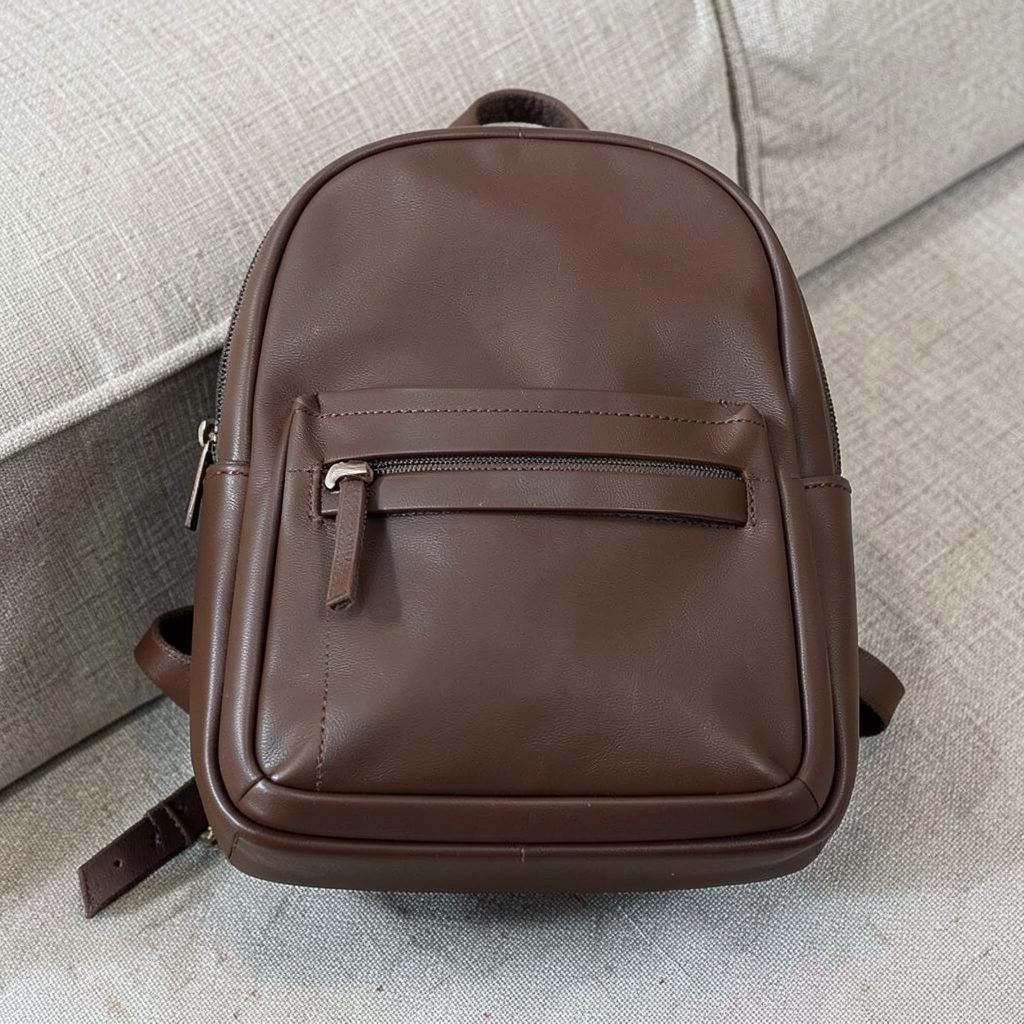
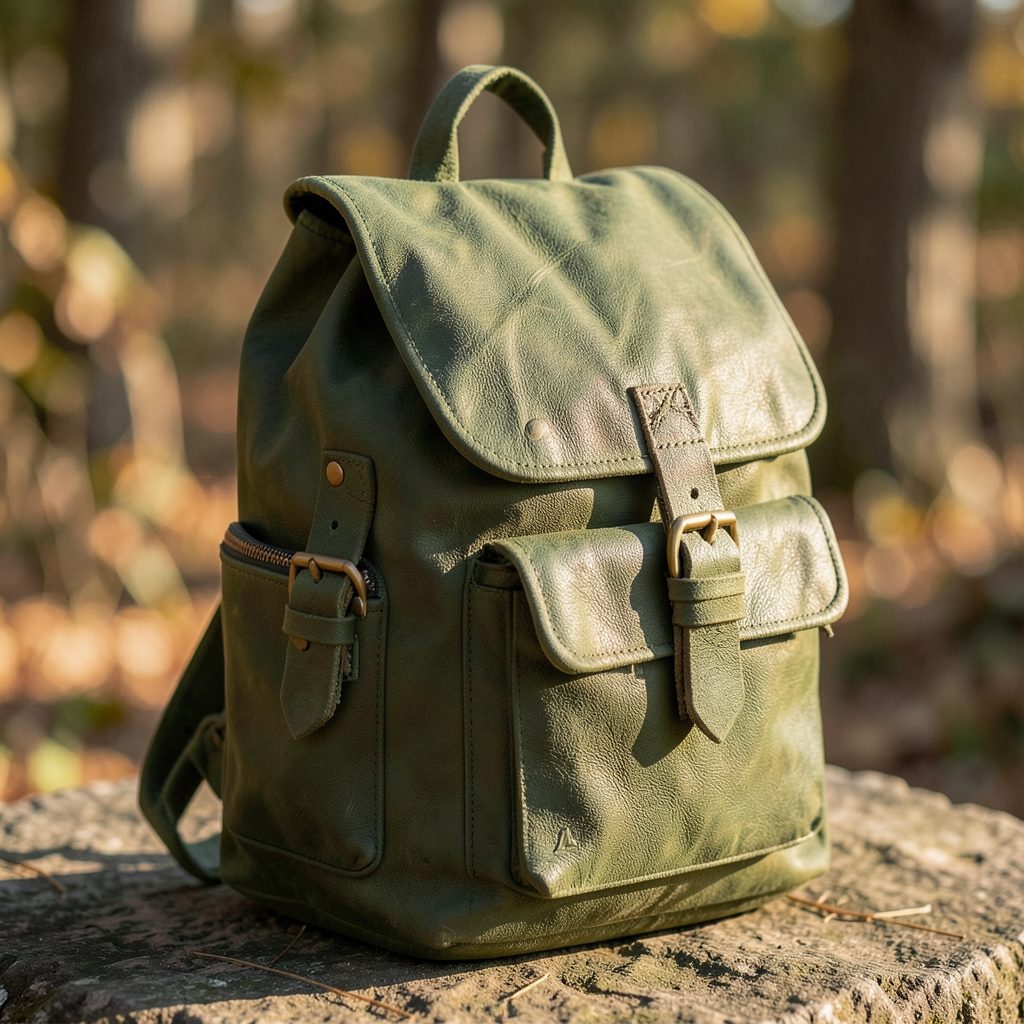
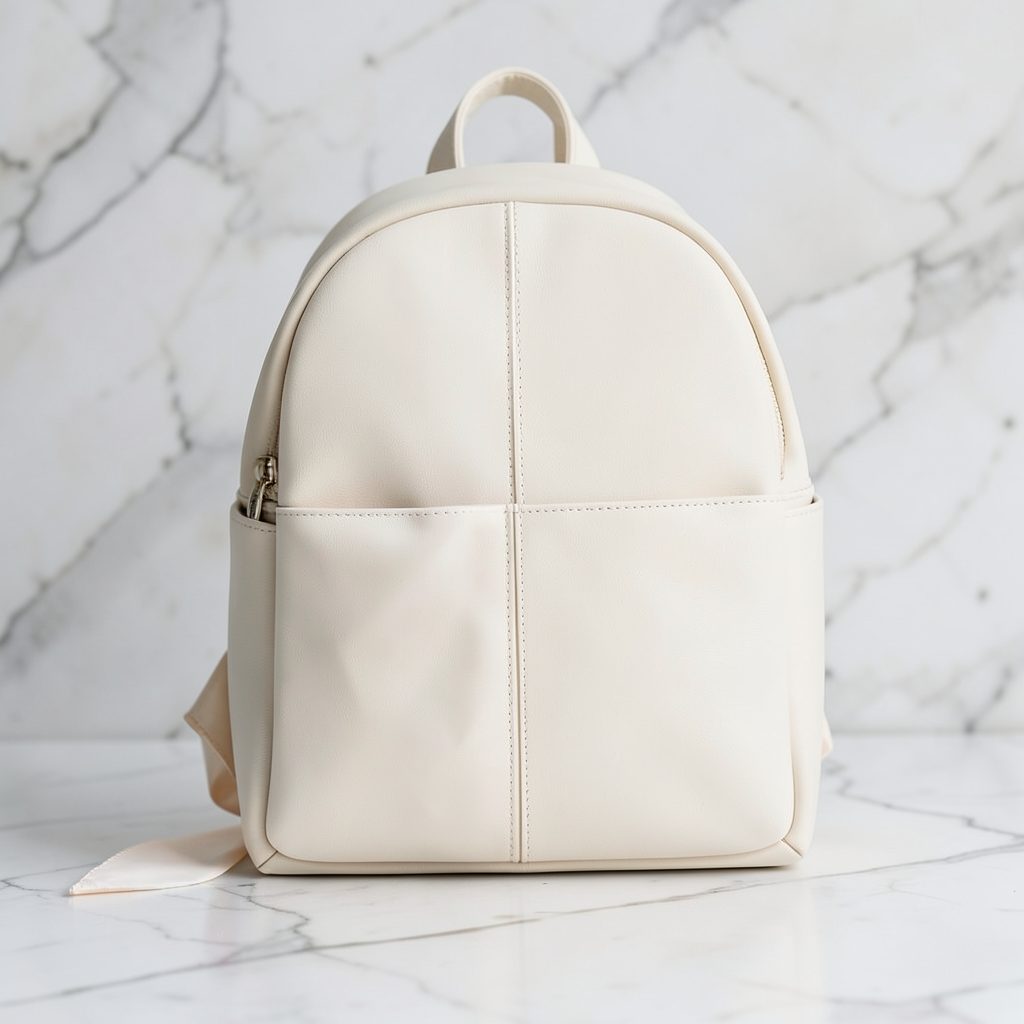
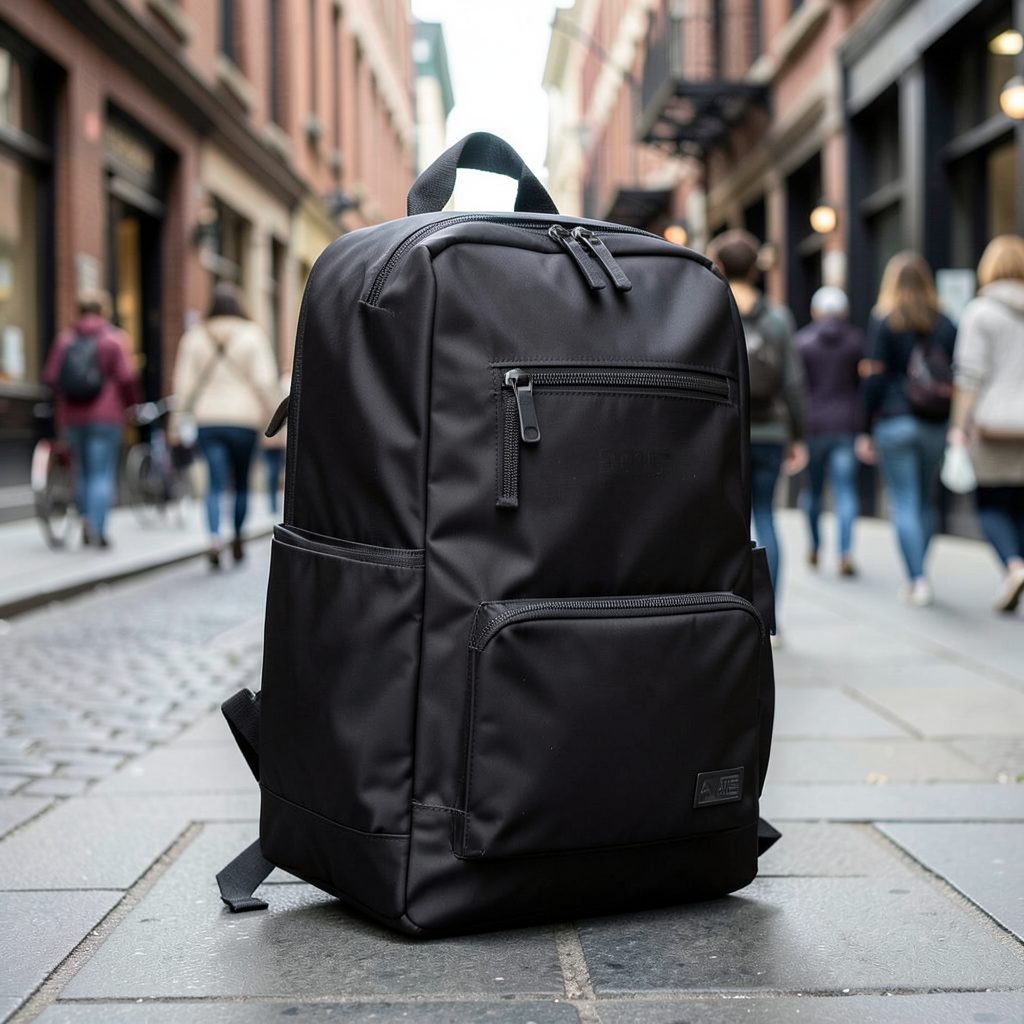
Every backpack is crafted from premium vegan leather with thoughtful details — multiple pockets, removable straps, and colors that work with any wardrobe. Browse the lineup below.