How to clean a scuff on your vegan leather bag after airport handling
Airport belts, trolleys, security trays and crowded overhead bins can rub colour from a vegan leather bag. The mark may be loose dust, a shallow abrasion, transferred dye, or a tear where the coating has begun to lift. Cleaning starts by telling those apart: treating a dusty bag as though it has an oil stain can spread the problem, while scrubbing a surface scuff can remove more finish than the mark itself. For Australian travellers passing through busy terminals in Sydney or Melbourne, that quick diagnosis is the first line of defence.
Most light marks can be improved at home if you first check the bag’s care instructions and identify whether the vegan leather is polyurethane (PU), PVC, or another coated material. A safe approach to an airport scuff on vegan leather depends on working gently, testing every cleaner in a hidden area, and stopping if the surface becomes tacky, dull, or patchy. A pale, dusty mark needs dry removal; a dark, greasy mark needs careful blotting. Missing pigment or a lifted edge is a repair issue, not a cleaning issue.
Identify the scuff before cleaning
Start by holding the bag in bright, indirect daylight and wiping the mark lightly with a clean, lint-free cloth. If the mark disappears, it was probably surface dirt. If it remains but the coating looks intact, it may be a shallow abrasion. A colour change that transfers to the cloth suggests dye transfer, while a rough edge, split, or flap of material signals deeper damage. Photograph the area before cleaning so you can compare the result and have a useful record if the bag is still under warranty.
Next, read the product label or product page for the exact material and approved care method. PU and PVC-coated leather can behave very differently, and a strong household cleaner may permanently dull the finish. Generic leather oil or conditioner designed for animal hide should not be applied unless the manufacturer explicitly recommends a vegan-safe equivalent. If you are also choosing a bag for leisure trips, the weekend bag guide shows how the same vegan leather styles can suit a quiet reading trip.
Before applying anything, remove loose grit with a soft-bristled brush, working from the outer edge towards the mark so debris does not travel inward. A vacuum with a low suction setting and brush attachment can collect dust from seams and zip tracks, but keep the nozzle away from vents and hardware. Do not use a stiff brush, which can scratch a soft coating and turn a small scuff into a larger matte patch.
Clean the surface with the least risk
Empty the bag and place it on a clean, flat surface. Open pockets and undo zips so you can reach dust trapped in corners, but avoid pulling hard on a strained fastener. Brush the whole exterior first, including the base and piping. Hold the bag rather than resting its full weight on a bench, and use white paper beneath the area if the colour is shedding; this keeps transferred dye off your work surface and makes it easier to see whether the mark is still active.
For a mark that remains, use a white microfibre cloth barely dampened with filtered water. Press and blot rather than rubbing, then follow with a dry section of the cloth. A small drop of dilute, unscented mild soap may help some PU surfaces, but only after the care instructions allow it and only after a patch test. Keep water away from the lining, zip teeth, and raw edges, and never soak the bag. Too much moisture can lift adhesive, create water spots, or leave the vegan leather stiff.
Plan to clean at home, not at the airport. Australian airport security generally limits carry-on liquids to 100 mL unless an item is approved and separately screened, so check current requirements rather than trying to take a full-size cleaner through the terminal. Before buying a replacement, browse Toufie’s collection to compare practical styles and decide whether a smaller bag or coordinated accessory would suit your trips better.
Treat stubborn marks one step at a time
Oil, grease, and ink need a different approach from dust. Blot fresh marks with a clean white cloth, changing the cloth after each press so the stain is not spread. For a stubborn spot, use only a cleaner approved for the bag’s specific coating; apply it to the cloth rather than directly to the bag. Work in small sections and give the surface time to respond. A mark that has soaked deeply into the material may never disappear completely, but careful treatment can reduce the halo around it.
Avoid alcohol, acetone, nail-polish remover, petroleum-based liquids, toothpaste, and magic erasers. They may make an oil mark vanish for a moment while also stripping colour, clouding the finish, or making the surface slippery. Baking soda can leave residue, and baby wipes may contain ingredients that damage coated leather. Apply any approved cleaner to a hidden seam first, wait as directed, inspect under side lighting, and stop at the first sign of swelling, peeling, or tackiness.
Dry and reshape without flattening the finish
Let the bag dry naturally at room temperature after any damp cleaning. Keep it away from heaters, car dashboards, and direct sun, because rapid heat can warp panels, soften adhesive, and fade colour. Gently reshape soft areas with clean tissue paper or acid-free paper, placing light, even stuffing inside the bag rather than packing it tightly. Let the material relax before zipping everything closed, and check the base and side seams for damp patches that could develop mildew.
Clean metal hardware separately. A soft jewellery polishing cloth can brighten a dull zip pull or buckle, but keep polishing compound away from the coated surface, and wipe the hardware afterwards with a dry cloth. If an edge is peeling or a handle has split, do not stretch it, glue it, or press it flat. Heat and household adhesives can make a small failure look worse and may interfere with a repair warranty.
Finish changes are easiest to judge in neutral daylight rather than under a terminal’s yellow lighting. A design-focused graphic design reference can help you compare how colour reads under different light. Brisbane’s humidity calls for the least moisture possible, and Melbourne’s sudden showers call for prompt drying. These are good reasons to inspect a bag after a trip, not to clean it harder.
Prevent another airport scuff
Reduce the chance of another scuff by distributing weight evenly inside the bag and keeping hard objects away from coated panels. A padded folder around a tablet or book can prevent a sharp edge from rubbing the lining, while a luggage sleeve can protect a handle from trolley rails. Use the bag’s designated trolley sleeve if it has one, and avoid dangling it from a strap that has already started to fray. At the carousel, lift the bag with both hands and check the base, corners, and zip track as soon as you collect it.
Airports are only part of an Australian bag’s life. At Paddy’s Markets in Sydney or Queen Victoria Market in Melbourne, a tote can collect flour, sauce, or damp produce packaging, so separate food from the lining and wipe spills promptly. Australia’s customs and biosecurity rules focus on plant, soil, food, and animal material; wipe heavy mud from footwear and bags, and declare relevant items rather than concealing them. A clean bag is also easier to inspect and repack for the next trip.
Run a quick check before leaving home: empty pockets, close loose velcro, tighten zips, and photograph any existing wear. If a later European trip takes you to the Netherlands, the site’s guide to legal online gaming can provide local context while you plan. Keep the same practical rhythm for luggage: inspect after handling, clean with the least intervention, and give the bag time to dry before storing it.
Repair limits and your next step
Some damage should go straight to the maker or a qualified repairer. Seek professional help when the coating has separated across a seam, a cut exposes the backing, a handle or buckle is loose, or moisture has entered the core. Do not try to hide lifted edges with coloured pen, superglue, or a hot iron. Take close-up photos, record the airport or location where the damage occurred, and contact the seller with the bag’s order details. Early support may preserve a repair option that DIY treatment would rule out.
If the airport tumble also marked a small card holder, keep cards and travel documents in a separate compartment rather than cleaning the entire bag unnecessarily. The travel wallets collection provides another option if the companion piece no longer protects its contents or matches the bag. Replace a broken zip pull before it catches on clothing, and store a cleaned bag upright with its handles relaxed so new creases do not set in.
Travel with a bag you can maintain. Choose from Travel Starter Pack’s sustainable, animal-free backpacks, crossbody bags, totes, and related accessories, then select a durable style and colour that suits your regular trips. The store highlights sale items, free worldwide shipping, and order tracking, while its newsletter keeps you informed about new arrivals and offers. Shop the collection today and choose a favourite piece ready for your next flight.
Our Backpack Styles
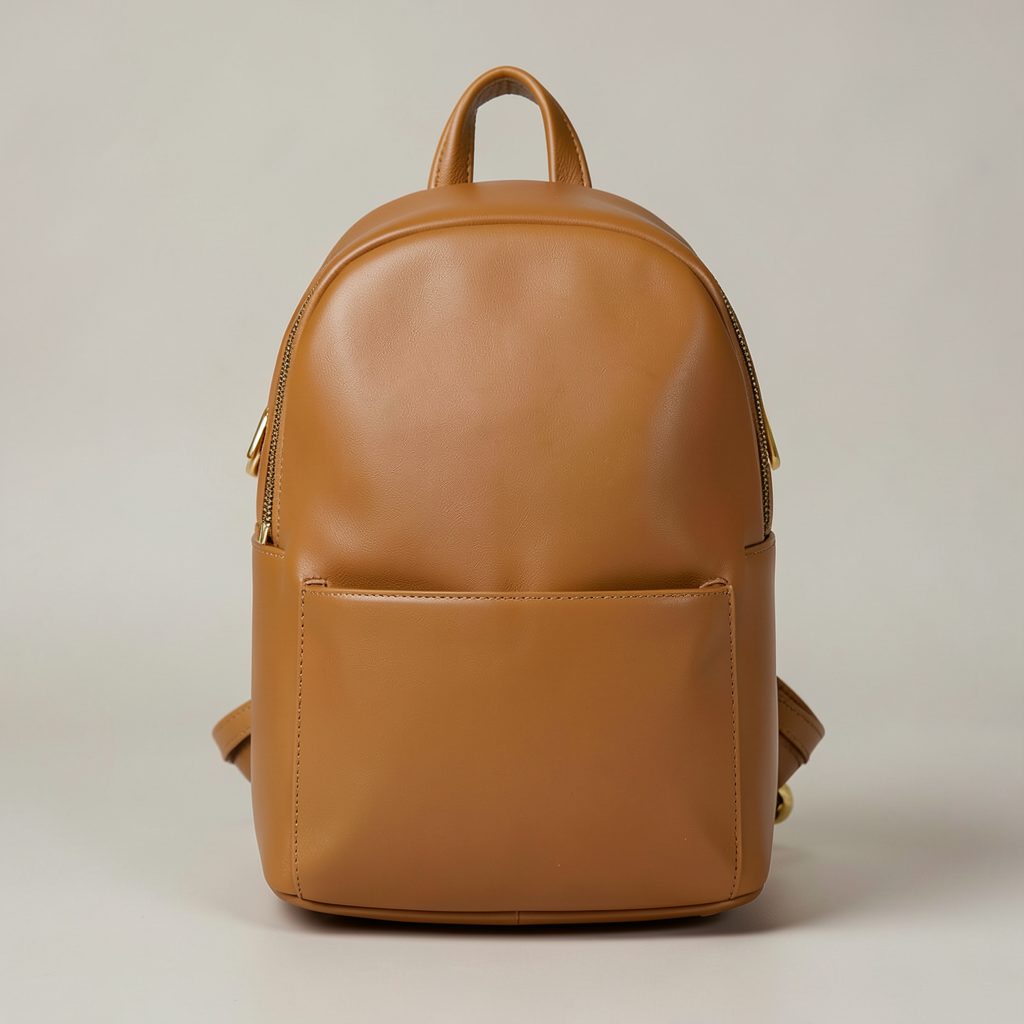
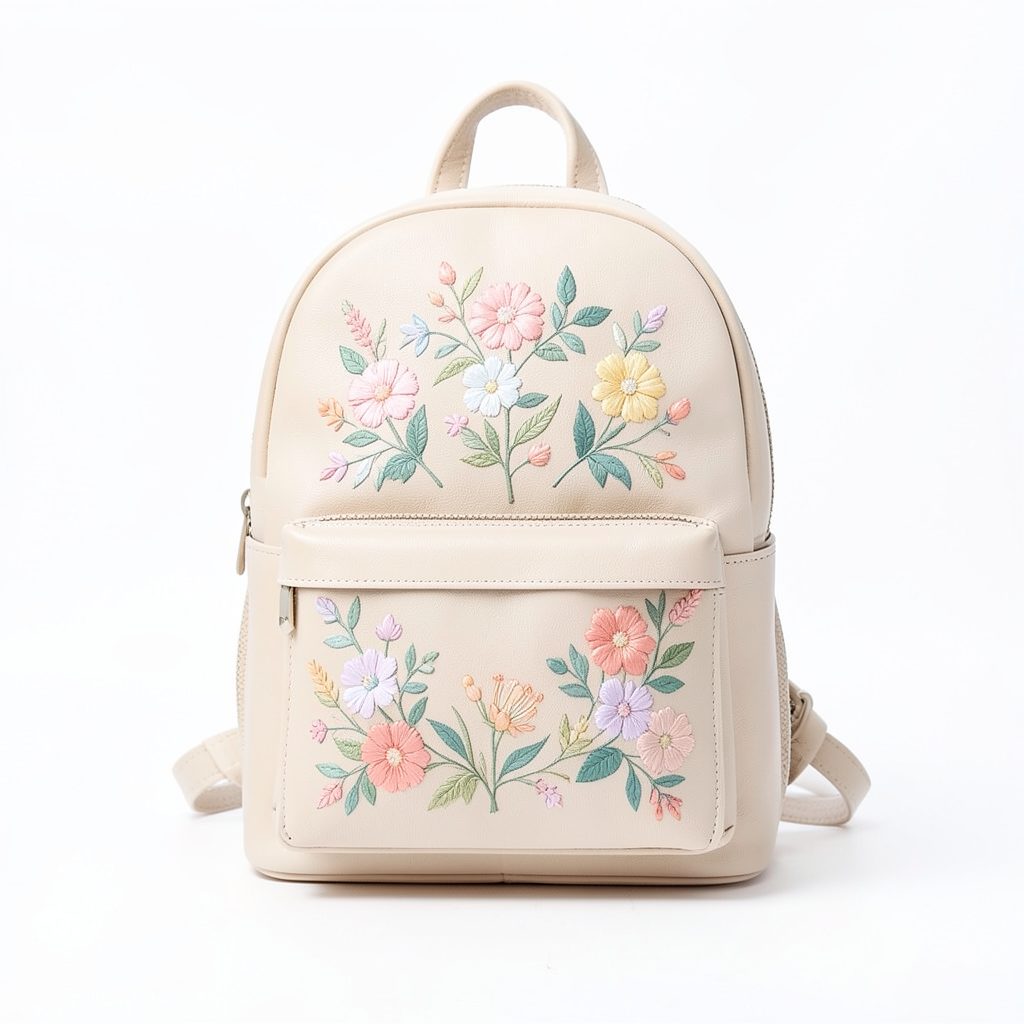
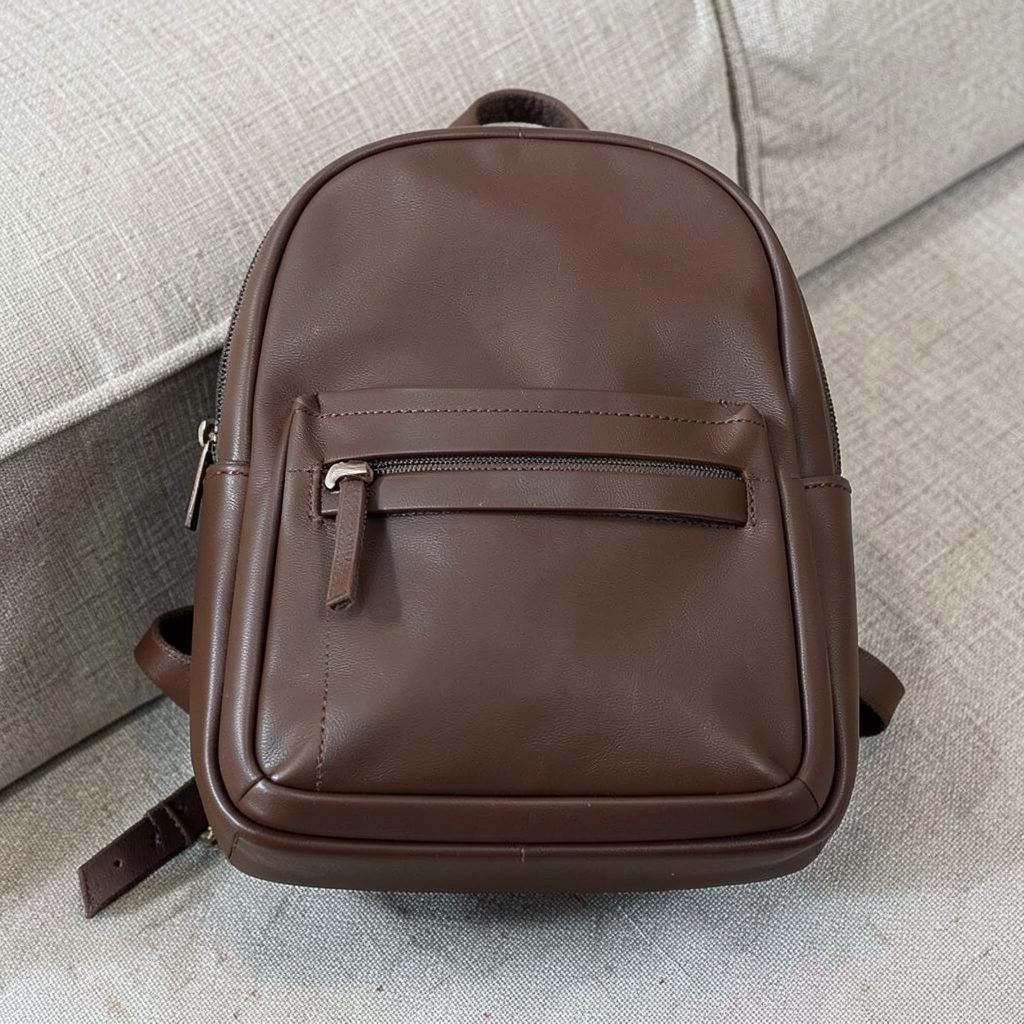
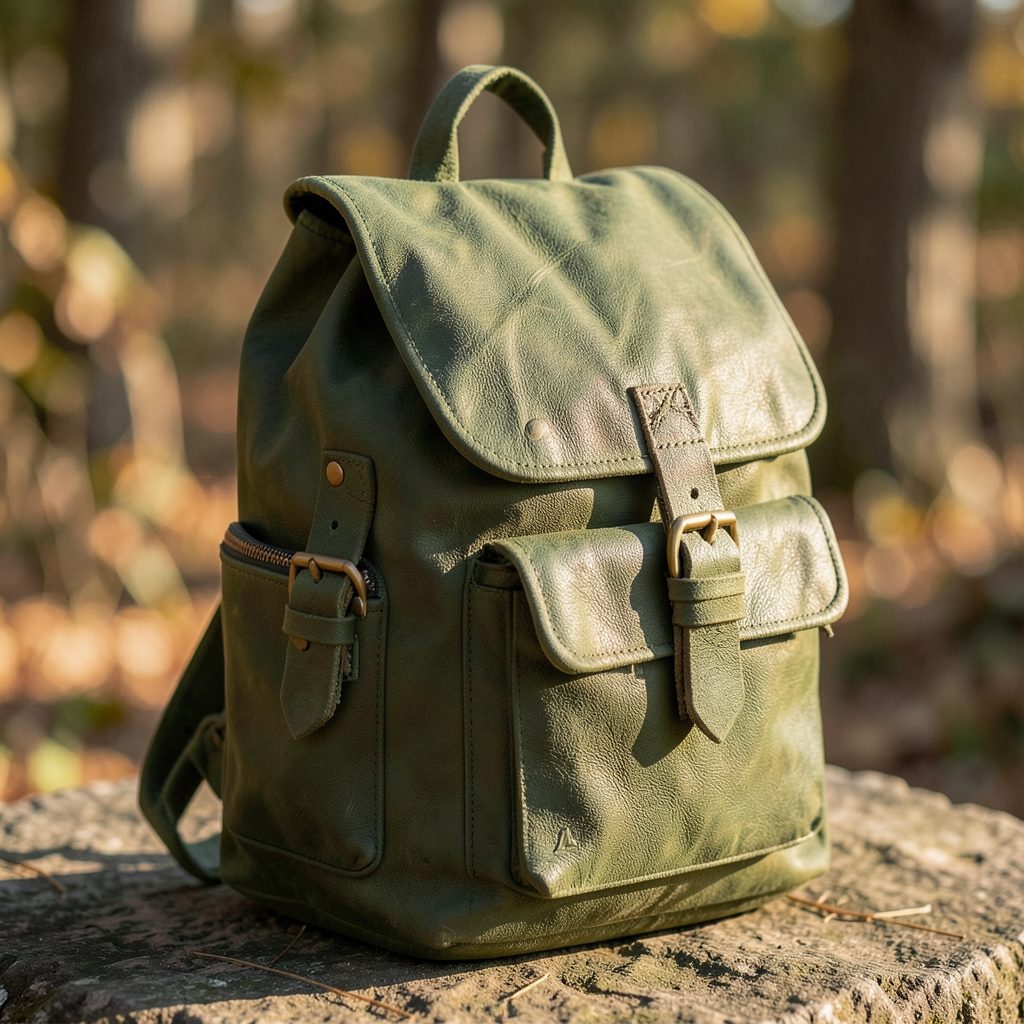
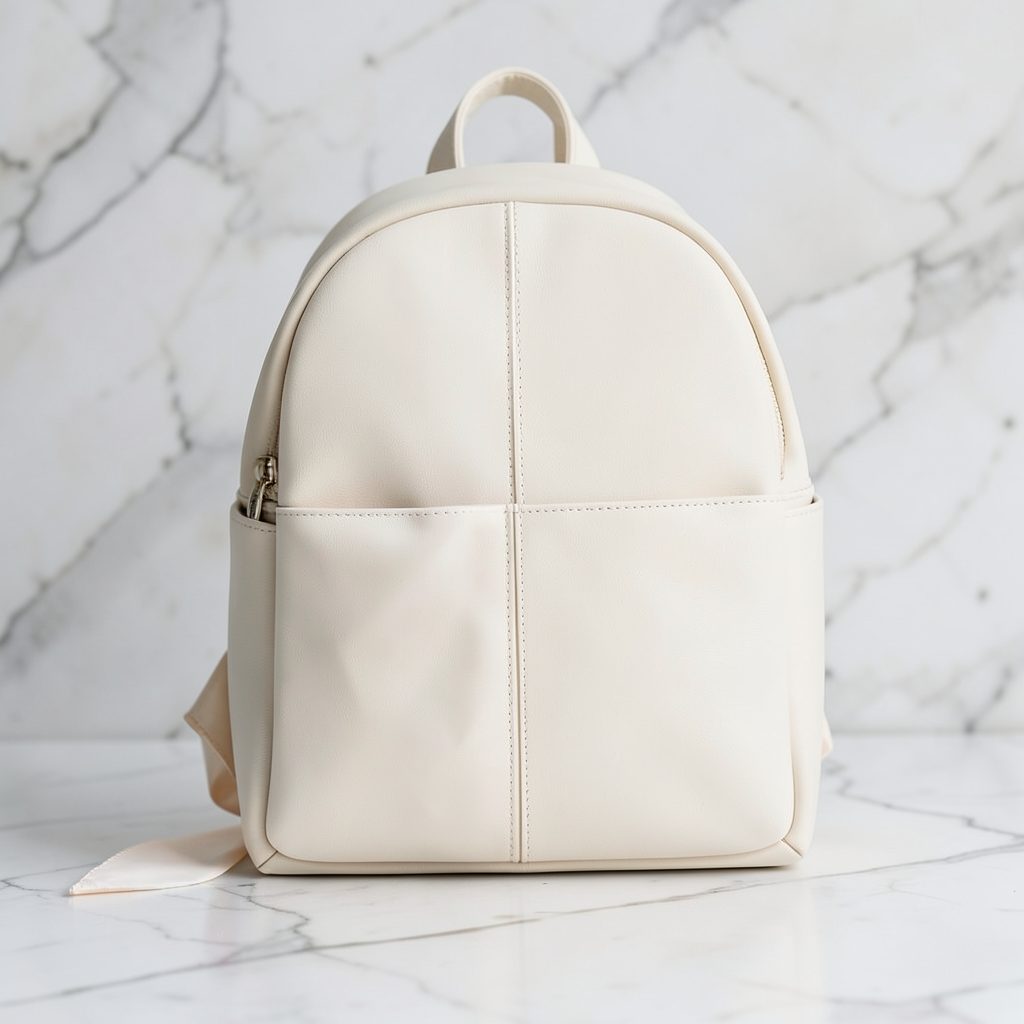
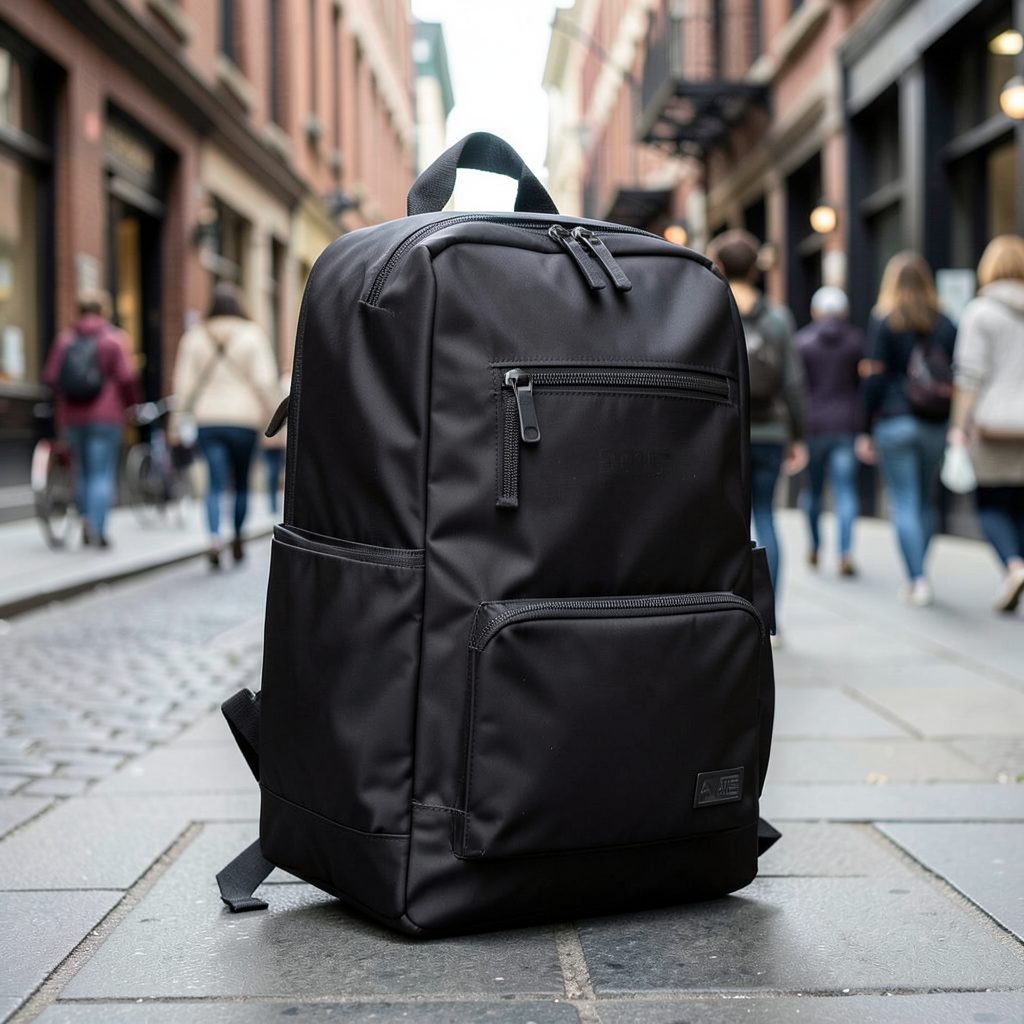
Every backpack is crafted from premium vegan leather with thoughtful details — multiple pockets, removable straps, and colors that work with any wardrobe. Browse the lineup below.