How to choose a vegan leather bag with hidden pockets for travel security
Travel bags have to do several jobs at once. They need to carry passports, phones, cards, sunglasses and daily essentials while staying comfortable through airport queues, train journeys and long walks. A well-designed hidden-pocket bag adds another layer of organisation by keeping important items less visible and harder for opportunistic thieves to reach.
For Australian travellers, the right choice depends on more than appearance. A compact crossbody may suit a day in Sydney, while a structured backpack could be more practical for commuting in Melbourne or moving between terminals at Brisbane Airport. Climate, transport habits, trip length and the type of valuables you carry all influence the best design.
Vegan leather is also available in a wide range of finishes, from smooth minimalist surfaces to soft suede-like textures. Quality varies, so it is worth examining the material, stitching, hardware and lining instead of choosing a bag based only on colour or price. A durable animal-free bag should be easy to maintain and versatile enough for travel and everyday use.
Security features should support sensible travel habits rather than create a false sense of protection. Keep copies of key documents, use device passwords, avoid displaying large amounts of cash and stay alert in crowded areas. A hidden compartment works best when combined with thoughtful packing and a bag that remains close to your body.
Start with the way you travel
Think about your usual itinerary before comparing styles. If you often fly with only carry-on luggage, a lightweight backpack or crossbody bag can hold your passport, phone, charger, medication and travel documents without taking up valuable space. For weekend trips, a tote with an internal security pocket may provide a useful balance between easy access and concealed storage.
A city traveller may need a different shape from someone taking regional road trips. Sydney visitors often move between trains, ferries and busy streets, where a zippered crossbody worn across the body is convenient. Melbourne’s tram network and walkable inner suburbs favour a bag that stays stable while you are standing or navigating crowded platforms. In Brisbane, a breathable strap and a material that can be wiped clean are useful during humid weather.
Consider how often you need to access each item. Your transport card, phone and lip balm belong in an easy-access compartment. Your passport, spare bank card and emergency cash should sit in a concealed section that is still reachable without emptying the entire bag. The goal is controlled access, not a bag with so many compartments that finding anything becomes frustrating.
Examine the hidden-pocket design
A hidden pocket should be genuinely discreet, securely closed and positioned where a stranger cannot easily reach it. Internal back-wall pockets, compartments beneath a zip panel and sections against the body are generally more useful than a small visible pouch labelled as “secret”. Look for zips that sit beneath a fold, a flap or the main opening, as these details make casual access more difficult.
The pocket should fit the items you actually want to protect. A passport compartment needs enough width to avoid bending the document, while a card sleeve should hold cards firmly without making them difficult to remove. If you carry Australian dollars, remember that notes vary in size, so a narrow pocket may not accommodate a small wallet comfortably.
Check whether the concealed compartment is padded or separated from the rest of the bag. A phone stored beside keys can quickly become scratched, and a power bank should not be crushed under heavier belongings. Some travellers prefer two secure areas: one for documents and payment cards, and another for a phone or spare battery. This separation makes the contents easier to organise and reduces the need to reveal everything at a checkpoint.
Choose materials and construction carefully
Vegan leather is a broad category rather than a guarantee of performance. Many products use polyurethane-based materials, while others may contain PVC or plant-derived components. Read the product description for information about the outer material, lining and care instructions. A smooth surface can be particularly practical for travel because dust, light rain and accidental spills are usually easier to remove.
Inspect the areas that receive the most strain. Strong stitching around handles, reinforced strap attachments and smooth-running metal or coated zips are signs of considered construction. The bag should keep its shape without feeling rigid, and the base should provide enough structure to protect the contents when placed on a café floor or airport seat.
Colour can affect everyday practicality. Black, tan, brown and deep green tend to disguise marks and coordinate with different outfits, while lighter shades may show scuffs sooner. If you prefer a pale or bright colour, check whether the finish can be cleaned with a damp cloth and whether the care instructions prohibit common products. Avoid using harsh solvents, as they can damage a coated surface.
A responsible buying decision also considers lifespan. A bag that remains attractive and functional for several years is less wasteful than a cheap item that needs replacing after one holiday. Look for clear material descriptions and honest product photography. In Australia, the Australian Consumer Law provides consumer guarantees that products will be of acceptable quality, fit for a stated purpose and match their description, so retain your order details if a product does not perform as represented.
Match the size to your essentials
Security and capacity need to work together. An overfilled bag can strain its seams, distort hidden pockets and make zips easier to force open. An undersized bag may encourage you to carry a second loose pouch, reducing organisation and making important items more visible.
Make a short packing list before buying. Common travel essentials include a passport, phone, cardholder, sunglasses, hand sanitiser, tissues, charging cable and a small water bottle. Australian travellers may also carry sunscreen, a reusable shopping bag, a hat or a compact rain layer, especially when moving between outdoor attractions and public transport.
A crossbody bag is often sufficient for sightseeing and daily errands. Choose one with an adjustable strap that can be worn across the torso, with the main opening facing inward rather than away from you. A backpack provides better weight distribution for a laptop, camera or extra clothing, but a rear-facing hidden pocket is preferable to a front pocket in crowded places.
For longer journeys, assess the bag’s weight when empty. Hardware, thick padding and multiple decorative details can make a small bag surprisingly heavy. A lightweight design leaves more of your personal weight allowance for useful items, which matters when walking around large airports or boarding domestic flights with strict cabin baggage limits.
Consider Australian travel conditions
Australian travel often involves strong sunlight, sudden rain and long distances between destinations. A bag used in Perth may be exposed to intense heat and dust, while a coastal trip around Queensland can involve humidity, salt air and wet surfaces. Choose a finish that can be wiped down and allow the bag to dry fully if it becomes damp. Do not store it in a sealed plastic bag while moisture remains inside.
Public transport is another important consideration. An Opal card is useful around Sydney, and a Myki is common in Melbourne, so an easy-access card slot can save time at gates and readers. Brisbane commuters may use a Go Card, while visitors in Adelaide, Perth or Canberra have their own local ticketing systems. Keep the transport card separate from your passport and bank cards so you are not repeatedly opening the secure compartment.
Australian airports and shops increasingly rely on contactless payments, but carrying a backup payment option remains sensible. Store a spare card in a concealed section and keep only the card you expect to use in an accessible wallet. Enable transaction notifications through your bank and avoid leaving your phone in an external pocket when sitting in a busy terminal or café.
When buying online, check shipping terms, returns and the final price in Australian dollars where available. Australian businesses generally display consumer prices inclusive of GST, while international orders may involve different tax or import arrangements. A retailer that provides tracking and clear customer support makes it easier to follow a parcel and resolve delivery problems before a departure date.
Balance style, access and everyday versatility
A secure travel bag should still look and feel appropriate after the holiday. Neutral colours and simple lines can move from an airport outfit to a workday, while a textured finish can add interest without relying on prominent logos. If you prefer a softer, relaxed shape, explore a suede crossbody bag with enough internal organisation for daily essentials and secure items.
Think about strap width and adjustability. A narrow strap may look elegant but become uncomfortable when carrying a full bag for several hours. A wider, smoothly finished strap distributes pressure more evenly. Check that the adjustment hardware stays in place and that the attachment points do not rub against clothing or expose the stitching to unnecessary strain.
Easy access is a security feature in its own right. If you need to open the bag repeatedly, a well-positioned top zip is more practical than a complicated buckle. At the same time, the main opening should close completely, and the lining should be light enough to help you see small items. Dark interiors often make keys, cards and cables disappear.
Use digital awareness alongside physical organisation. Avoid clicking unfamiliar travel promotions or entering payment details into unverified websites; a useful example of checking online information before engaging with gambling-related offers is this blacklist safety guide. The same habit applies when booking transport, accommodation or activities: verify the source, look for secure payment pages and keep receipts.
Travel Starter Pack brings together animal-free bags and accessories designed for travel, commuting and everyday use, including backpacks, tote bags, wallets and compact crossbody styles. You can browse the wider vegan travel collection to compare shapes, colours and practical features, including free worldwide shipping and order tracking where offered.
Before placing an order, measure the items you plan to carry and compare those measurements with the listed dimensions. Confirm that the concealed pocket fits your passport or wallet, check the strap length and read the care instructions. Then choose a vegan leather bag that combines discreet storage, reliable construction and a style you will continue using long after your next trip.
A secure design becomes most valuable when it supports your normal routine. Keep valuables in the hidden compartment, close every zip in crowded places and avoid placing the bag behind you on a chair. With the right layout and materials, one well-chosen bag can make airport days, city exploring and everyday Australian commutes more organised and comfortable.
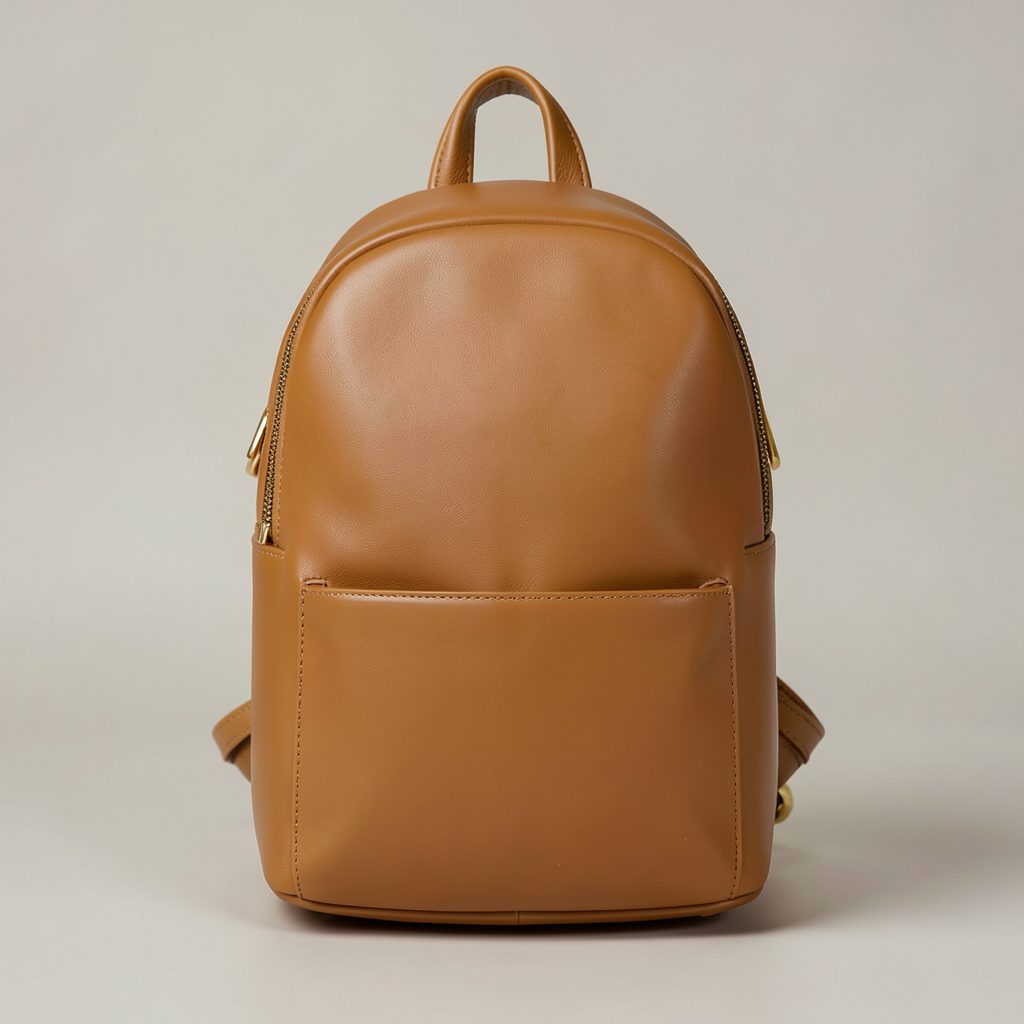
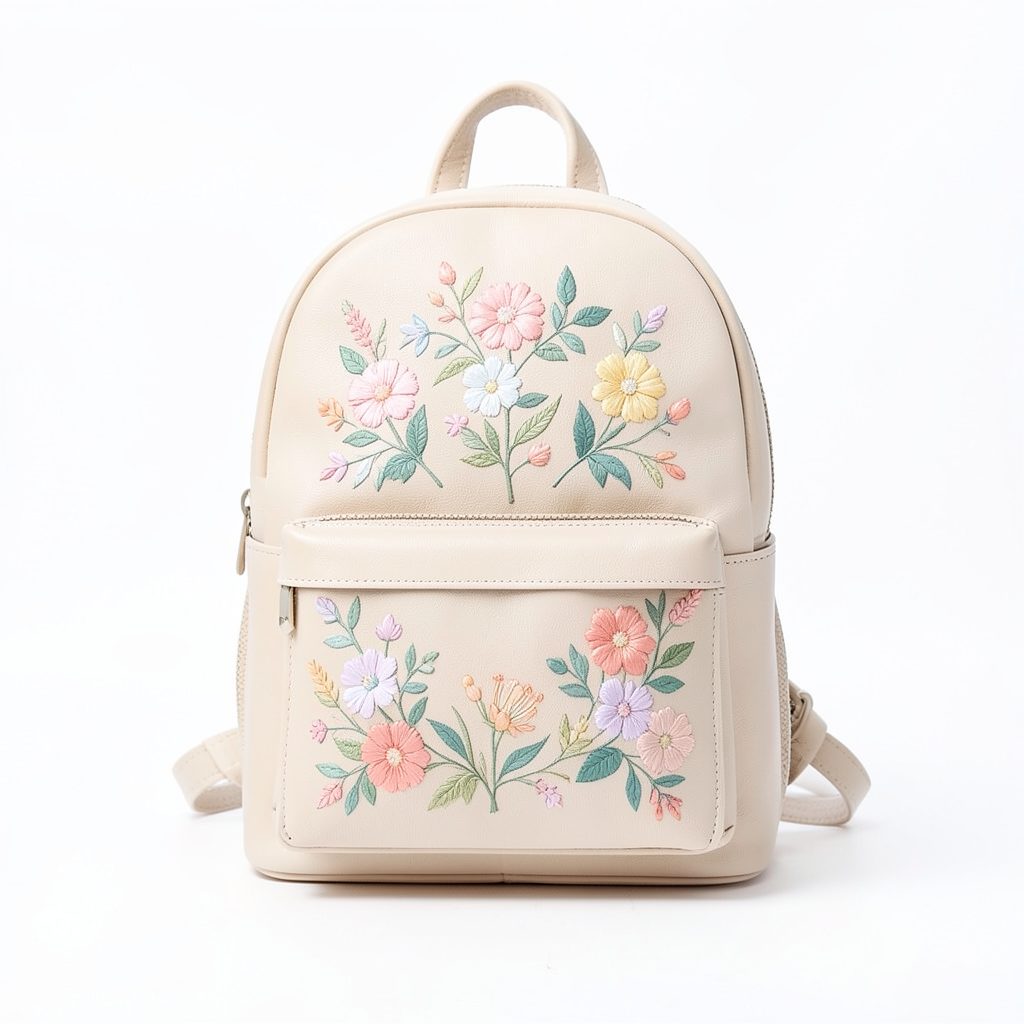
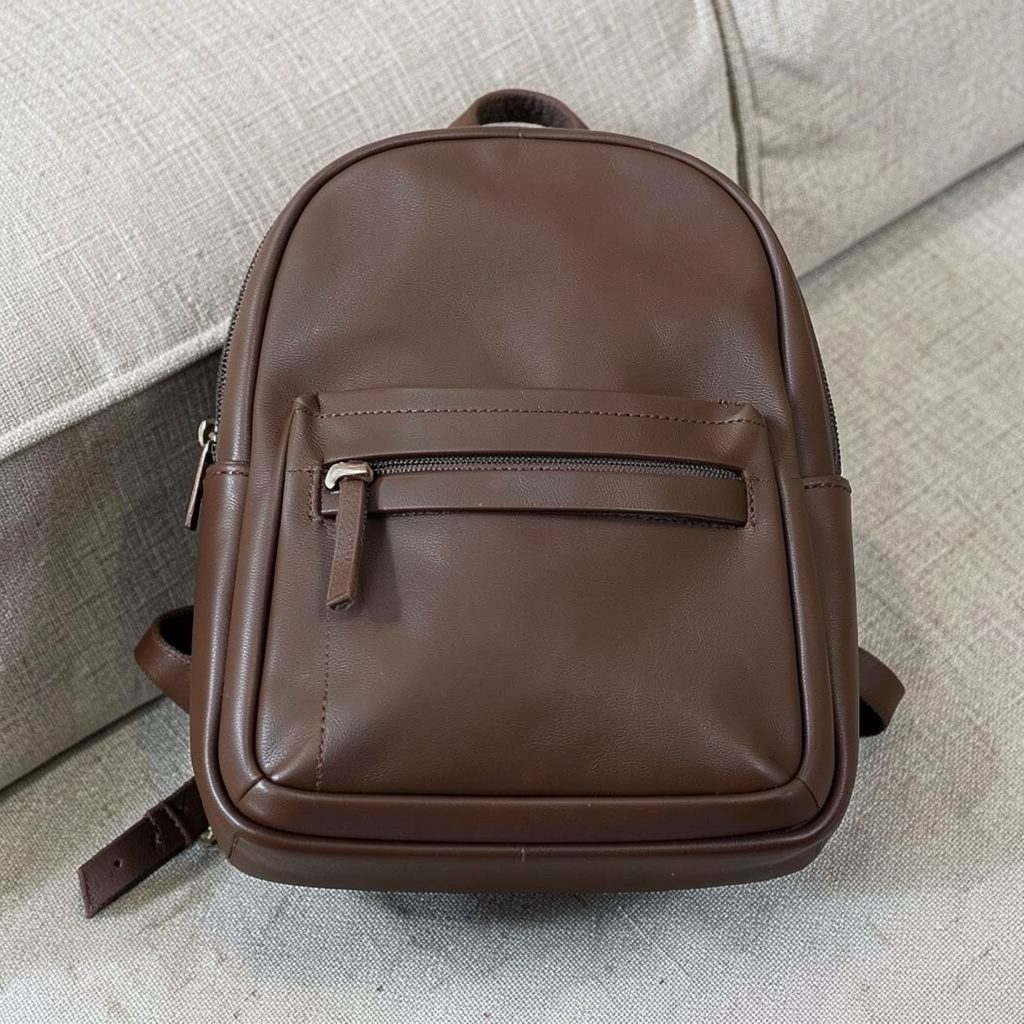
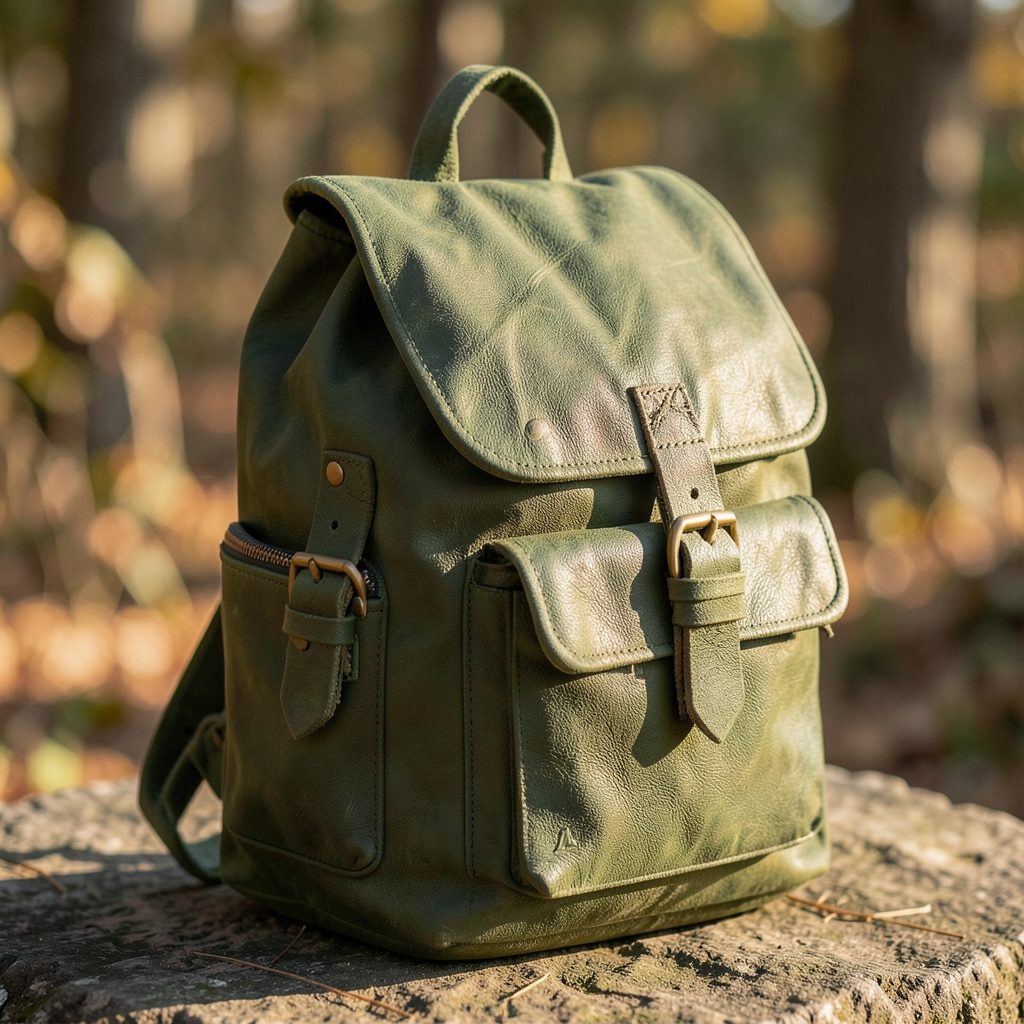
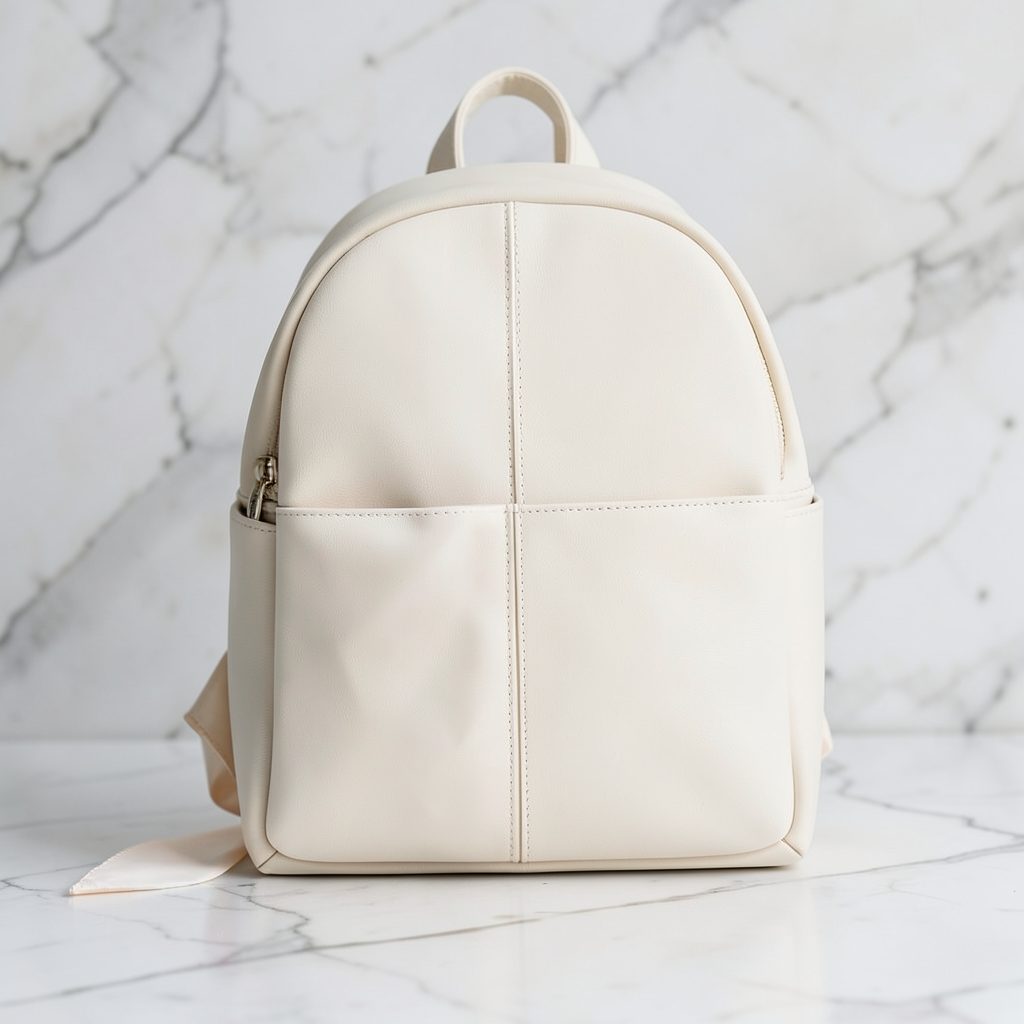
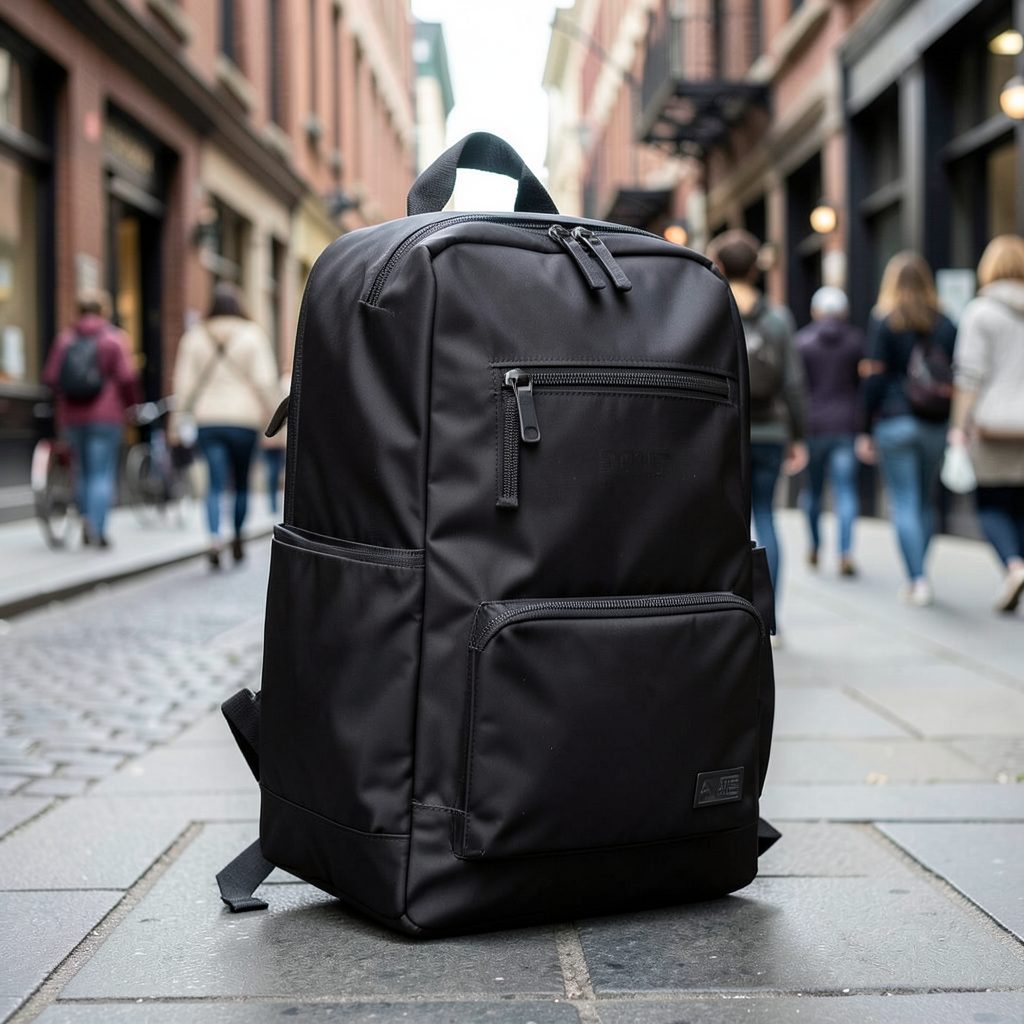
Our Backpack Styles
Every backpack is crafted from premium vegan leather with thoughtful details — multiple pockets, removable straps, and colors that work with any wardrobe. Browse the lineup below.