How to choose a vegan leather bag that doesn't slip from your shoulder
A shoulder bag that starts sliding can turn a quick trip into a constant tug-and-grab routine. One sudden movement may send a phone, wallet or keys across a crowded Sydney bus or a packed Melbourne tram. Vegan leather offers an animal-free, polished look, but colour and finish say little about how securely the bag will sit. Fit, weight balance and strap design decide whether it stays comfortably in place.
Not every material labelled vegan leather behaves the same. It may be PU-coated, PVC-based or microfibre, with differences in grip, flexibility, weather resistance and care needs. A large tote can look roomy yet pull hard on one shoulder, while a small crossbody may stay put but leave your essentials organised poorly. The right choice matches the bag's body, load, climate and daily movement rather than simply following the latest style.
Before checkout, picture your normal load, the clothes you will wear and the trip you actually make. Measure the distance from shoulder to hip, check how far the strap adjusts and imagine walking, sitting and boarding public transport. Those practical checks narrow the field quickly. They also help you compare sustainability claims fairly, since a longer-lasting bag that suits your use is more useful than an attractive one you constantly replace.
Start with the way you carry it
Begin with two separate scenarios: your everyday routine and your travel kit. A work bag may carry a laptop, charger and lunch, while a day at the beach needs a phone, sunscreen, sunglasses and a towel. On a Melbourne tram, a compact bag with a broad strap may feel neater than a heavy tote; on a walking trip through the Gold Coast, a secure crossbody can be easier to manage.
The bag's position on the body matters as much as its category. Tote handles are strongest when the load rests close to your arm, but long handles and a heavy base can rotate the bag away from your side. Crossbody bags should sit near the hip rather than swing at the lower thigh. A backpack addresses weight differently, spreading it across both shoulders, although it still needs well-adjusted straps to prevent awkward movement.
Choose the shape that supports the activity, then test whether it suits your height and proportions. Long travel days also call for a bag you can keep close while waiting at a gate. If downtime includes watching live roulette cameras, keeping valuables zipped and the strap shortened lets you settle in without constantly checking the bag.
Fit the strap to your body
Measure your shoulder-to-hip length while wearing the layers you normally use. A jacket adds bulk, and a smooth synthetic top can offer less grip than cotton. Set a crossbody strap so the bag rests at hip level and the webbing follows a diagonal line without a loose loop. If the bag hangs below the hip, moving your arm may create enough momentum to pull it farther down.
Strap width, padding and adjustability influence both security and comfort. Wide straps spread pressure and are less likely to twist, while thin straps can dig in and slide over a shirt. Check the adjustment range rather than assuming one setting will work. A buckle that locks securely can prevent length changes during a brisk walk, and a detachable strap can be shortened for the train and lengthened for a sightseeing day.
A useful fitting test is to load the bag, wear it over your usual top and move through a normal day. Walk up stairs, lean forward, sit down and lift one arm. The bag should remain against your body, and the strap should not catch under your arm or press into your neck. There is no need to make the strap uncomfortably tight; stable contact and balanced weight do more work than force.
Balance the load and inspect the hardware
Weigh the bag empty, then add your everyday essentials. Extra kilograms near the strap attachment pull harder than the same weight placed low and close to your body. Use the internal pockets for dense items, keep the outer section light and distribute bulky objects across both sides of a tote. If a bag feels wrong in the store with a few objects, it will not improve when you add a full water bottle and a tablet.
Check every point that carries the load. Run your fingers along the stitching where the strap meets the bag, particularly at reinforced patches, rings and swivel clips. Metal buckles and zip pulls generally withstand repeated use better than thin plastic fittings, but the material matters less if the mechanism is loose or poorly aligned. Pull gently on each strap and open and close every zip; anything that feels flimsy needs closer inspection.
Organisation reduces the need to rummage while the bag is open. A quick-access pocket for a transit card and an inner zipped pocket for a passport can keep small valuables secure. During an airport stop, a game guided by online bingo tips might fill time, but your phone and wallet should remain zipped and difficult to snatch. Accessibility matters more than having every pocket visible at once.
Match the material to Australian weather
Australian summers can be hard on synthetic leather. Strong UV, humidity and body heat may soften some finishes, while a cheap coating can feel tacky or develop marks. For a hot arvo around the Gold Coast, warmth often comes with high humidity, and Sydney can see sudden summer showers. Check the maker's care instructions, leave the bag out of direct sunlight in a parked car and avoid leaving it on hot sand at the beach.
Water resistance varies considerably. A PU-coated surface may wipe clean, but exposed seams, zips and raw edges can still let moisture in. Carry a small protective pouch for documents and electronics during coastal trips or unexpected rain. Condition the surface only with the product's approved product, since unsuitable oils can stain or soften it. Store the bag upright in a breathable space rather than squeezed under heavy items in a cupboard.
A secure bag should also feel right during an Aussie road trip. On a drive from Melbourne toward the Great Ocean Road, a bag resting at your hip needs less attention than one sliding around in the footwell. Building a road-trip album through Opus Albums can add to the journey, yet the practical setup still requires a short strap, secure fastenings and a clear place for travel documents.
Test the fit in real conditions
Try a candidate bag with its normal contents, not just the display stock. Stand, turn, bend and walk around the shop for several minutes. Then sit as you would on a train or in a café and check that the bag does not pull into your lap, snag under a chair or press valuables against your back. A shoulder bag should be able to reach without opening the main zip when you need a transit card.
Online shoppers can recreate much of this at home. Measure the strap, load the bag and wear it over the same clothing for at least a day. Use the room to turn or sit, then walk outside if possible. For travel with children, the competing demands increase: snacks, wipes, a spare outfit and a tablet can change the weight balance. A family bag guide is useful for planning shared storage without leaving valuables in an accessible outer pocket.
Pay close attention to the purchase terms as an Australian shopper. Check the size, weight, delivery time, warranty and return process before paying, and compare prices in Australian dollars rather than converting only at the final checkout. A store that provides order tracking and clear delivery updates makes a long-distance purchase easier to manage, particularly when you are coordinating a trip around the arrival date.
Keep your bag secure and ready
Make the first adjustment when you put the bag on, not when it has already begun to slip. Shorten the strap until the bag rests against your hip, centre the weight and keep the fastening at a comfortable point. Check it after standing up on a train or moving through a busy station. A tiny adjustment often prevents the larger problem of repeatedly hauling the bag back up your shoulder.
Give the strap and hardware a quick check each month. Look for flattened webbing, loose threads, scored buckles or zips that stick, and clean marks according to the material's care guide. Do not overload small crossbody bags just because they look sturdy. If a strap is removable, carry the spare in your case and swap it if the original becomes wet or damaged.
At Travel Starter Pack, browse the vegan leather backpacks, crossbody bags, totes, wallets and accessories designed for travel and everyday use. Compare strap width, adjustability, storage and hardware across the range, with sustainable, animal-free materials, durable styling, free worldwide shipping and order tracking included in the buying experience. Check sale items and product highlights for current value, then join the newsletter for new arrivals and offers. Choose your bag, adjust it to your body and step out with your essentials exactly where they belong.
Our Backpack Styles
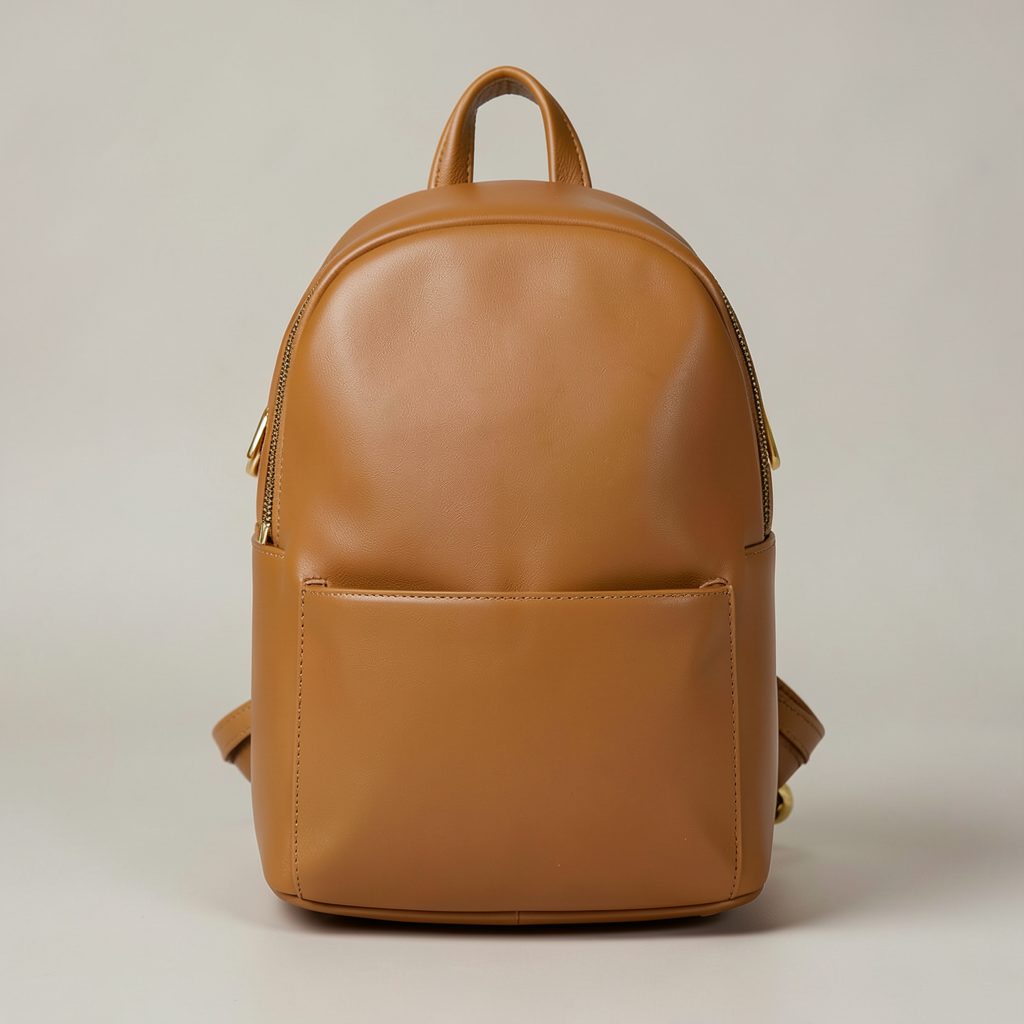
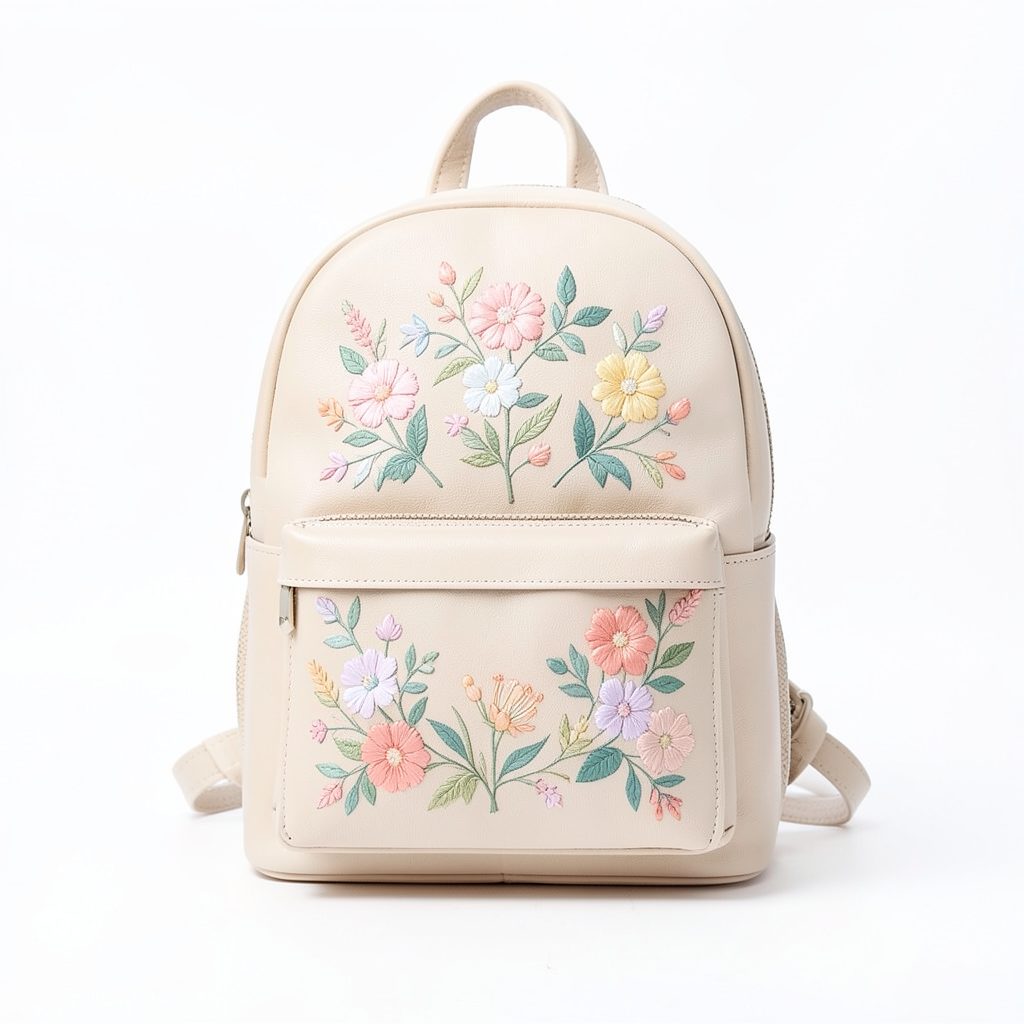
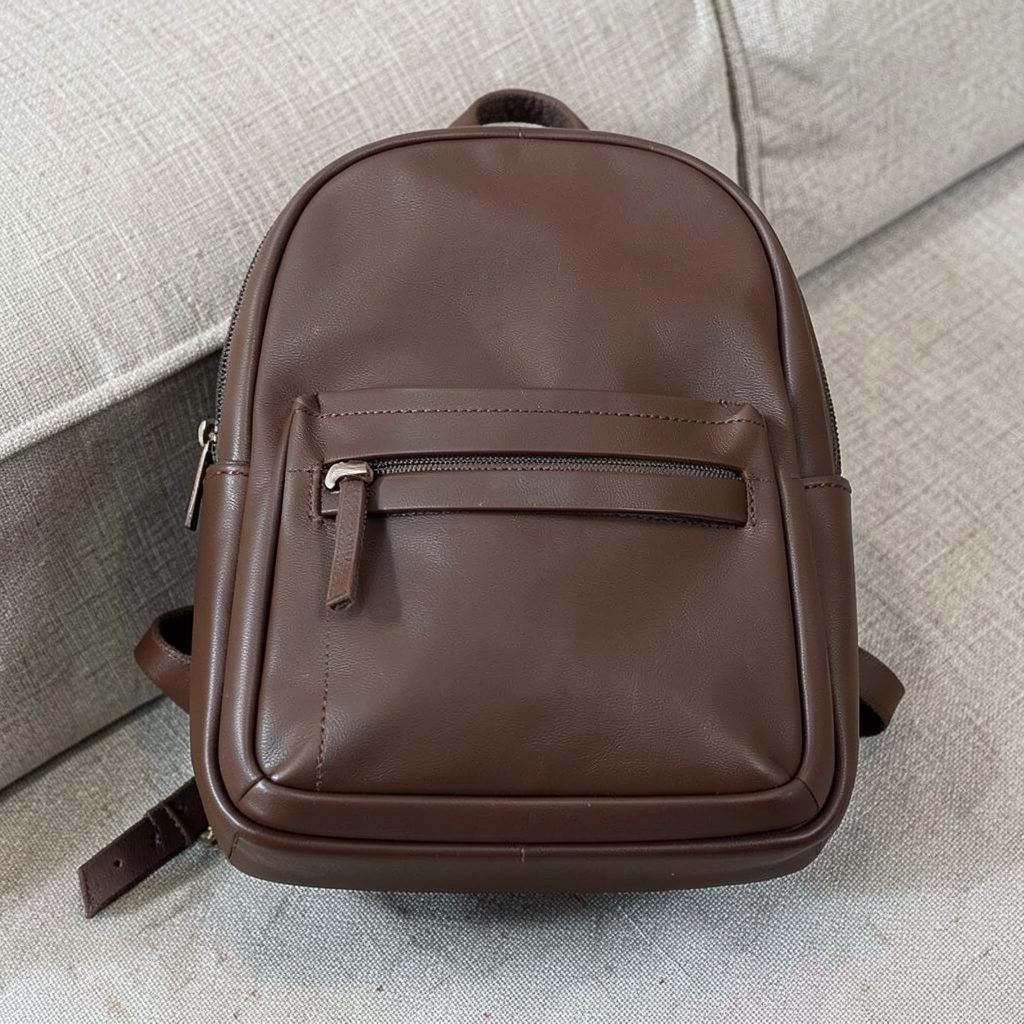
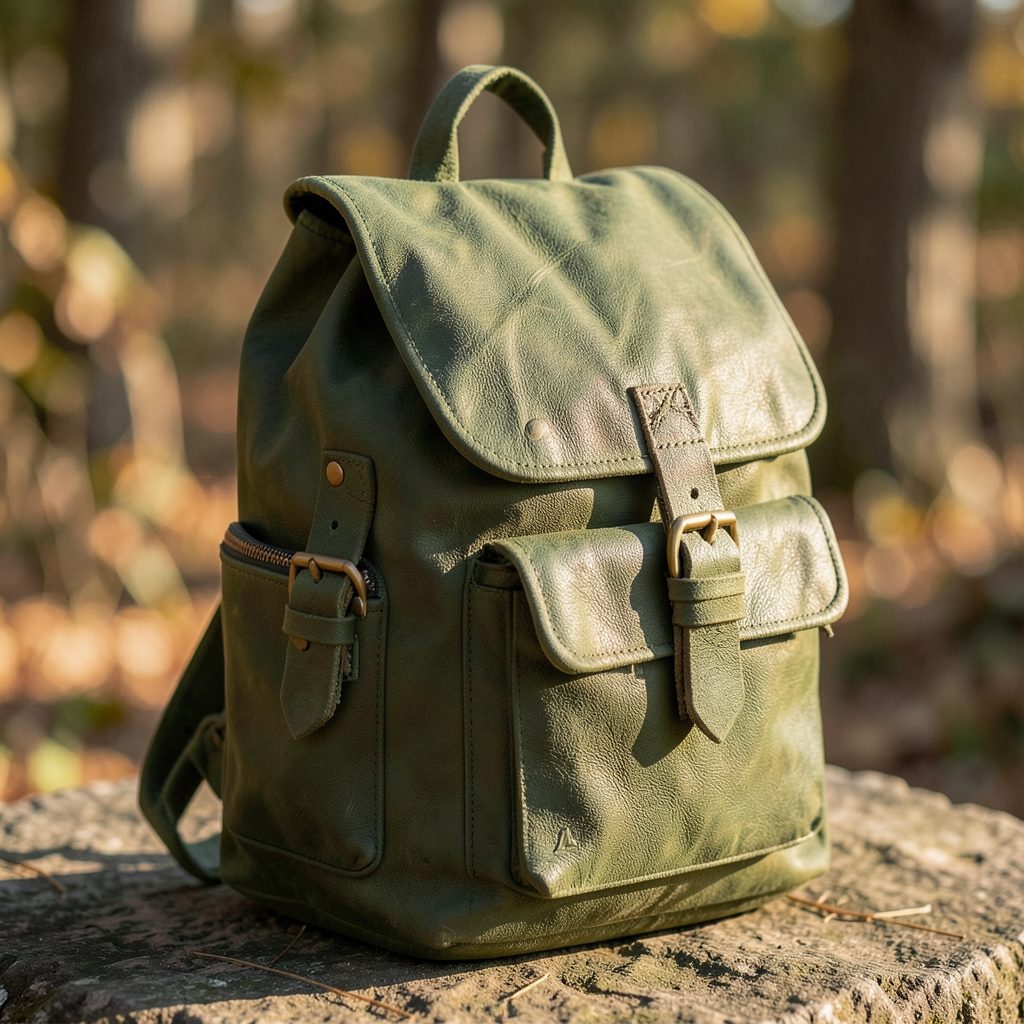
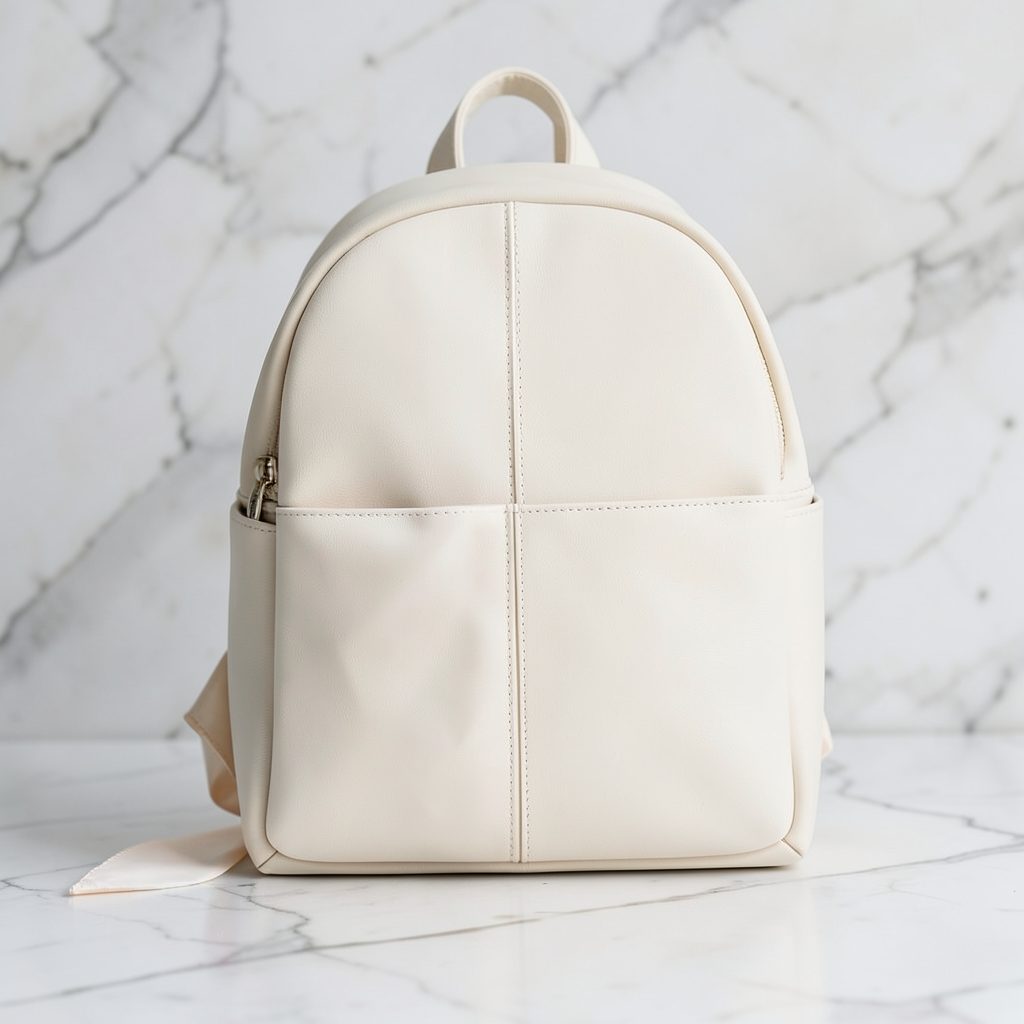
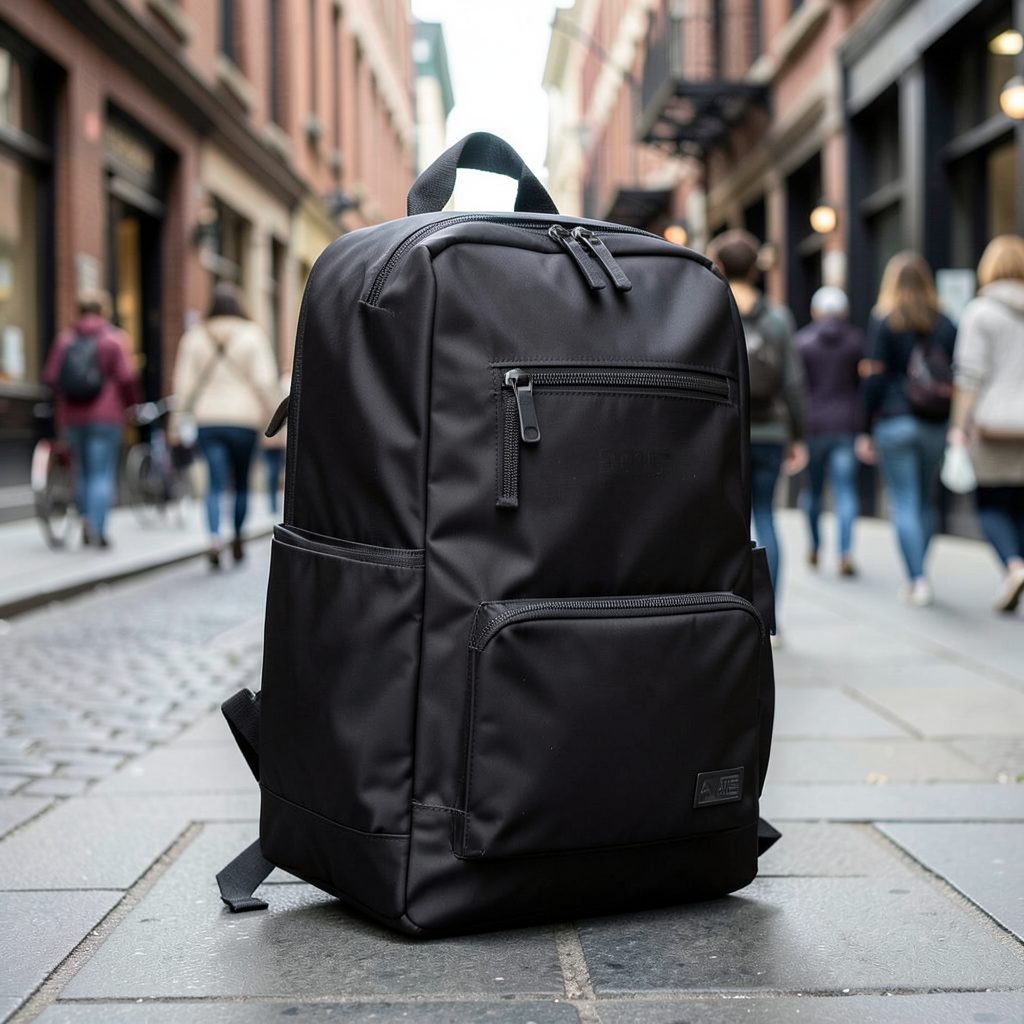
Every backpack is crafted from premium vegan leather with thoughtful details — multiple pockets, removable straps, and colors that work with any wardrobe. Browse the lineup below.