How to Choose a Bag That Fits Under the Seat on Budget Airlines
A small personal item can save a surprising amount on a low-cost flight. When it fits beneath the seat in front of you, you avoid an overhead-bin fee, move through the airport more easily, and keep your essentials within reach during the journey. The right bag needs to balance airline rules, usable capacity, comfort, and a shape that can tolerate a little compression.
Budget carriers use different limits for their free under-seat allowance, and those rules can change between routes or ticket types. A bag advertised as “personal item size” may fit one airline comfortably and exceed another carrier’s limits. Checking the current policy for your booking should always come before choosing a travel bag.
The best option is rarely the largest bag you can find. It is a compact, organized piece that uses the available space efficiently without rigid corners, oversized hardware, or a bulky structure. Vegan leather backpacks, crossbody bags, and soft totes can all work well when their dimensions and packing habits are carefully matched to the aircraft allowance.
Start With The Airline’s Personal Item Rules
Airlines usually distinguish between a personal item and a cabin bag. A personal item must fit under the seat, while a cabin bag generally occupies the overhead compartment and may require an additional payment. Your fare may include only one small item, so confirm exactly what is permitted before traveling.
Look for three measurements: height, width, and depth. Some carriers give a generous width but a shallow depth, while others allow more height but less room from front to back. The stated size is usually the maximum external measurement, including pockets, wheels, handles, feet, and decorative details. A bag that technically matches the main compartment dimensions may still be rejected if an exterior pocket makes it too deep.
Common examples illustrate why a universal size is difficult to define. Ryanair has commonly listed a free small bag allowance around 40 × 25 × 20 cm, while Wizz Air has used approximately 40 × 30 × 20 cm. easyJet has often allowed a slightly larger under-seat item around 45 × 36 × 20 cm. These figures can change, and other budget airlines use different measurements, so treat them as planning references rather than permanent guarantees.
Measure The Bag You Actually Pack
Product dimensions are helpful, but the packed bag is what matters at the gate. Measure the exterior from the widest and tallest points, including the base, zip pulls, shoulder straps, and any front compartment. If the bag has a flexible body, check it when filled with the items you expect to carry rather than when it is empty and flat.
A soft-sided personal item has a practical advantage because it can compress slightly beneath a seat. However, flexibility should not become shapelessness. A bag with no structure can bulge into the aisle, make it difficult to find essentials, and become uncomfortable when loaded. Look for a lightly reinforced base and panels that fold without creating hard pressure points.
Leave a little tolerance beneath the official limit. An allowance of 40 × 20 × 25 cm does not mean a 40 × 20 × 25 cm rigid case is always convenient, especially if the seat structure narrows near the floor. A few centimeters of spare capacity can make insertion easier and reduce the chance of an awkward gate measurement.
Choose A Shape That Uses Every Centimeter
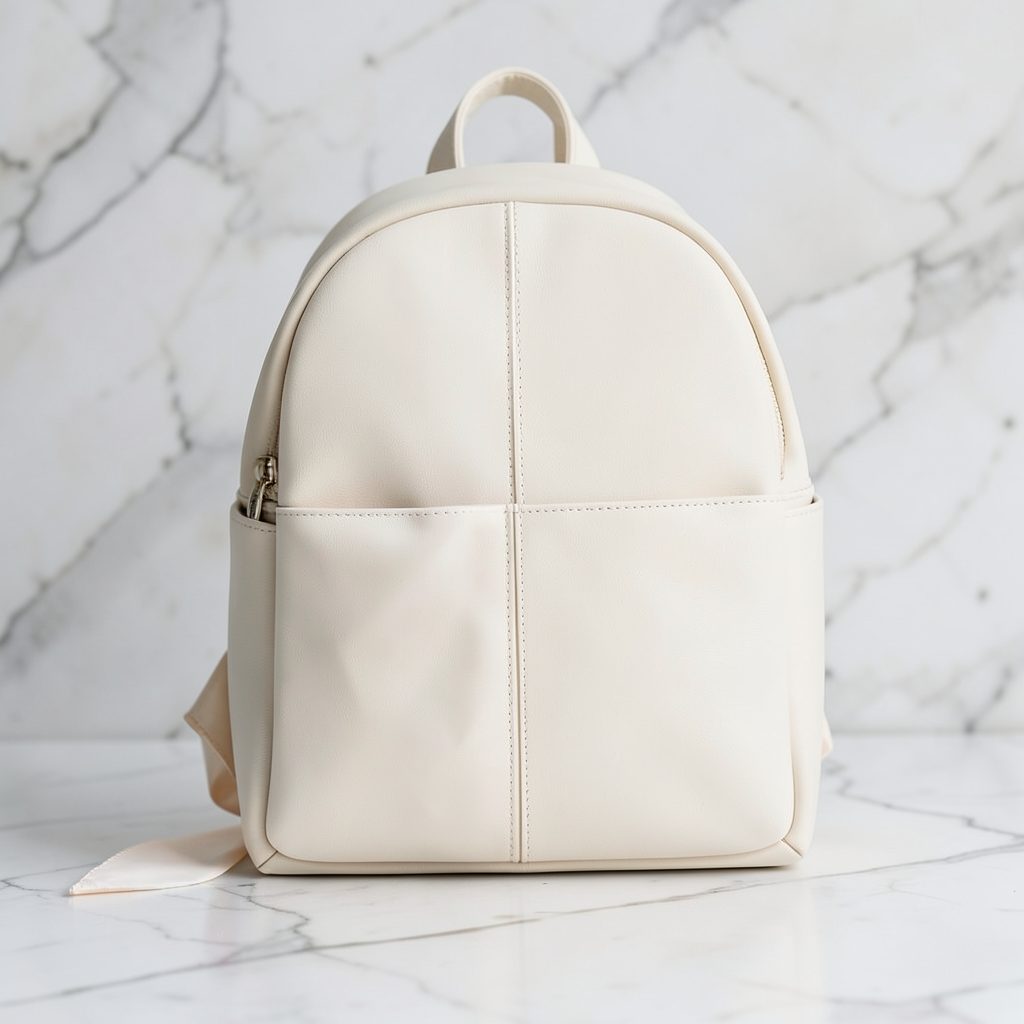
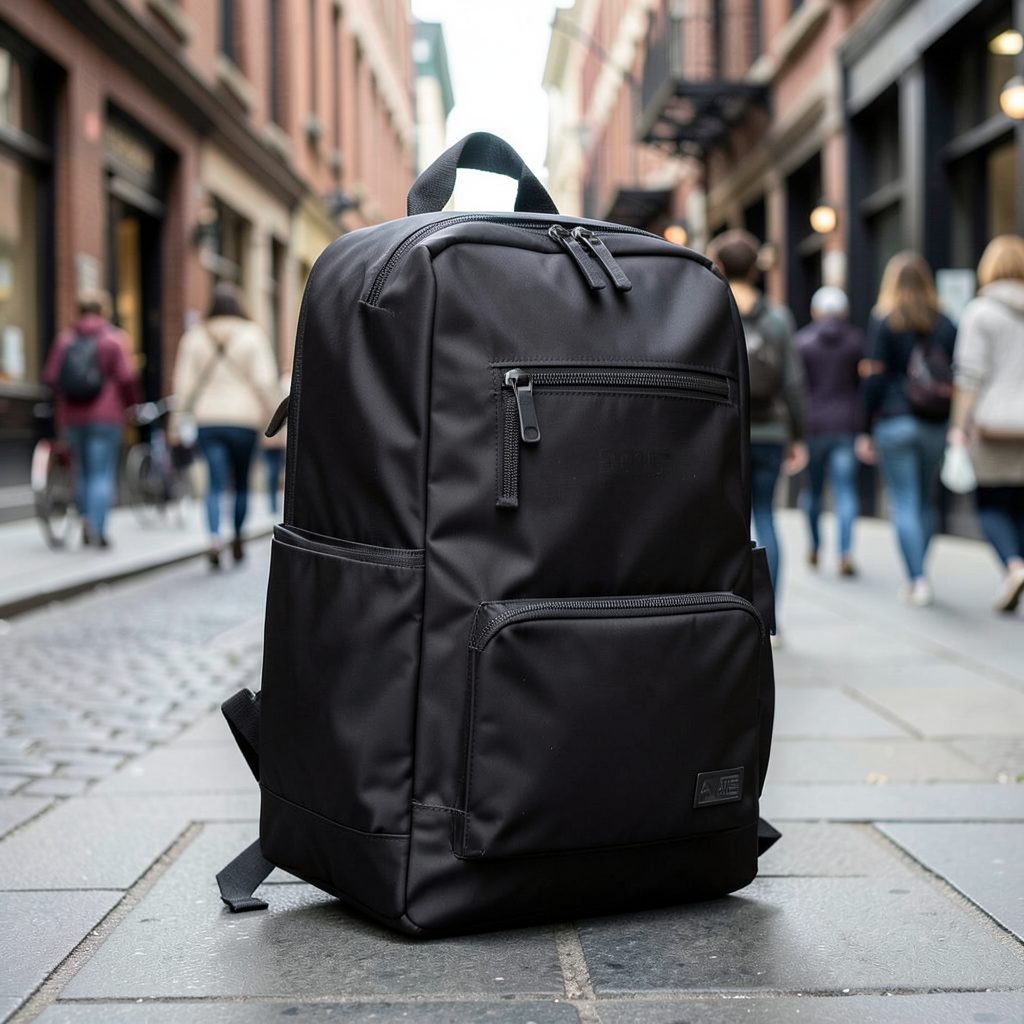
A compact backpack is often the most efficient personal item because it distributes weight across both shoulders and leaves your hands free for documents, coffee, or a rolling suitcase. Slim top-loading designs can slide beneath a seat, while a wide opening makes packing and security checks less frustrating. A useful weekend backpack guide can help compare capacity, compartments, and materials before you decide.
Crossbody bags suit light packers who want quick access to a passport, phone, wallet, and headphones. They are easy to place under the seat and can be worn while walking through a crowded terminal. Their limitation is weight distribution: a loaded crossbody can pull on one shoulder, so it is better for a carefully edited load than for a full weekend wardrobe.
A tote is convenient for flexible items such as a sweater, snacks, and a tablet, particularly when it has a secure zip and a broad base. Avoid very open, unstructured totes for air travel because contents can spill when the bag is pushed beneath the seat. A structured tote may look polished, but check that its handles and base do not add hidden height or depth.
| Bag style | Best for | Main advantage | Watch for |
|---|---|---|---|
| Slim backpack | Clothing, electronics, and daily essentials | Balanced weight and hands-free movement | Thick padding or a rigid frame |
| Crossbody bag | Minimal packing and quick-access items | Easy access and compact profile | Uneven shoulder weight |
| Soft tote | Flexible clothing, snacks, and a tablet | Wide opening and easy loading | Handles, open tops, and weak bases |
| Small personal-item case | Travelers who prefer firm organization | Protective shell and predictable shape | Wheels and corners using valuable space |
Prioritize Lightweight Vegan Leather Construction
The bag’s empty weight affects how much you can carry comfortably. Vegan leather can provide a smooth, polished finish and resistance to everyday scuffs, but a heavily reinforced design may weigh more than a fabric daypack. For a flight personal item, choose practical details over excessive decoration: a durable zip, strong stitching, a stable base, and hardware that does not add unnecessary bulk.
Material performance matters when a bag will be placed on airport floors, under seats, and in crowded storage areas. Look for a surface that can be wiped clean and lining that will tolerate repeated use. Water-resistant finishes are useful for light rain and accidental spills, although they should not be treated as fully waterproof unless the product specifically states that it is.
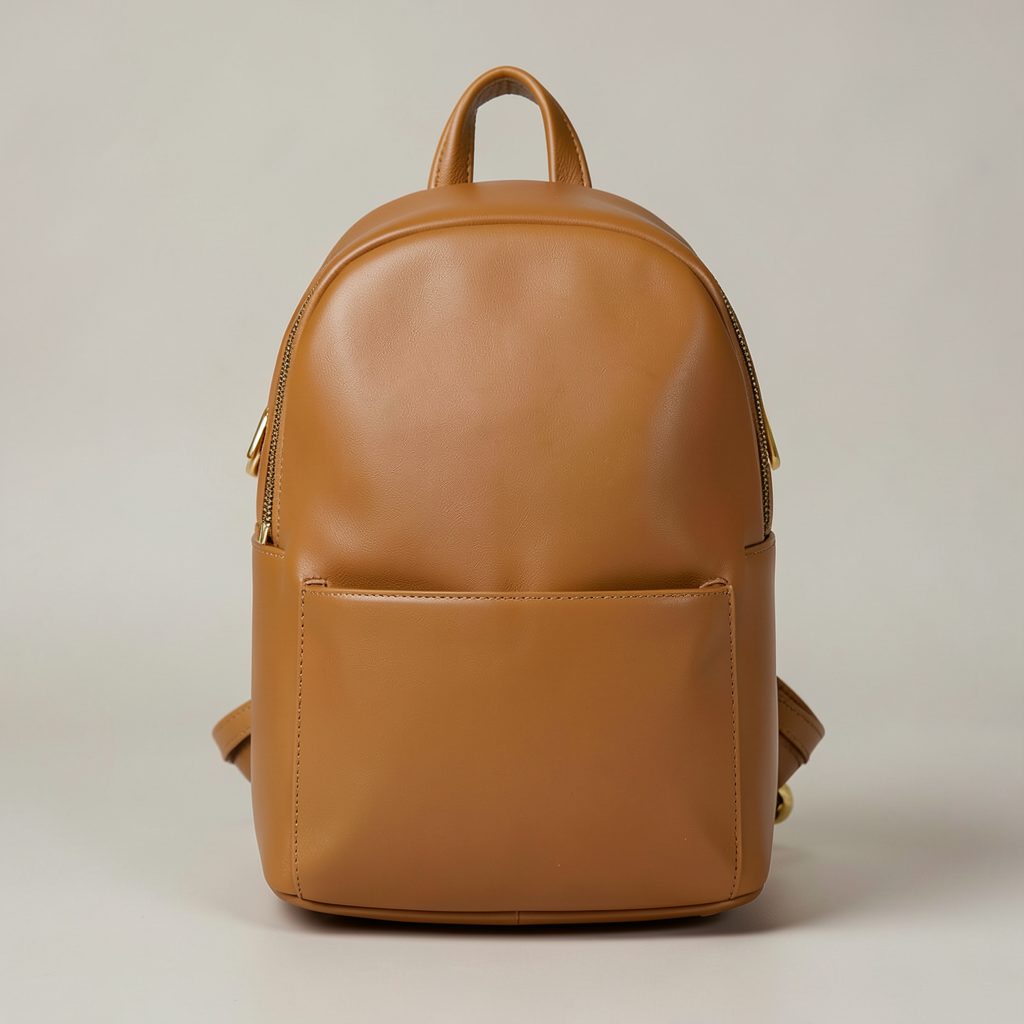
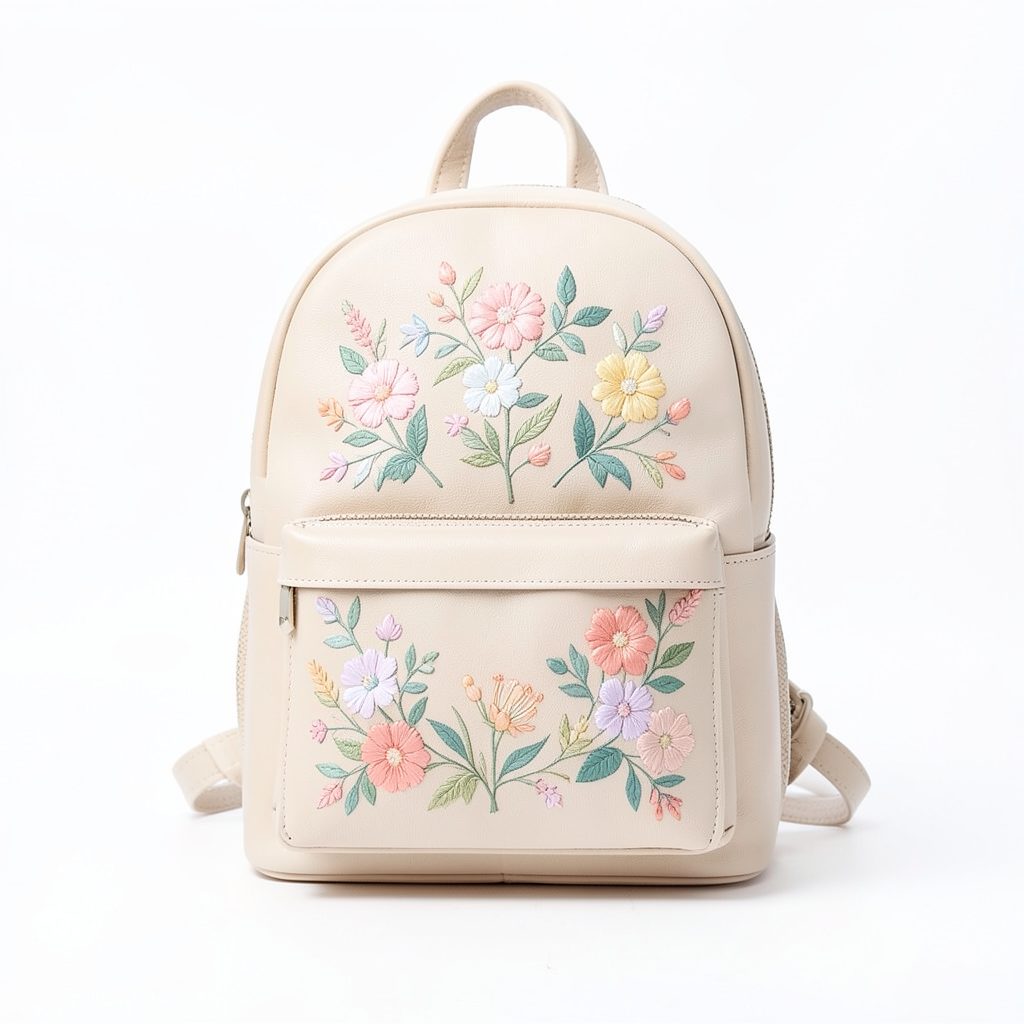
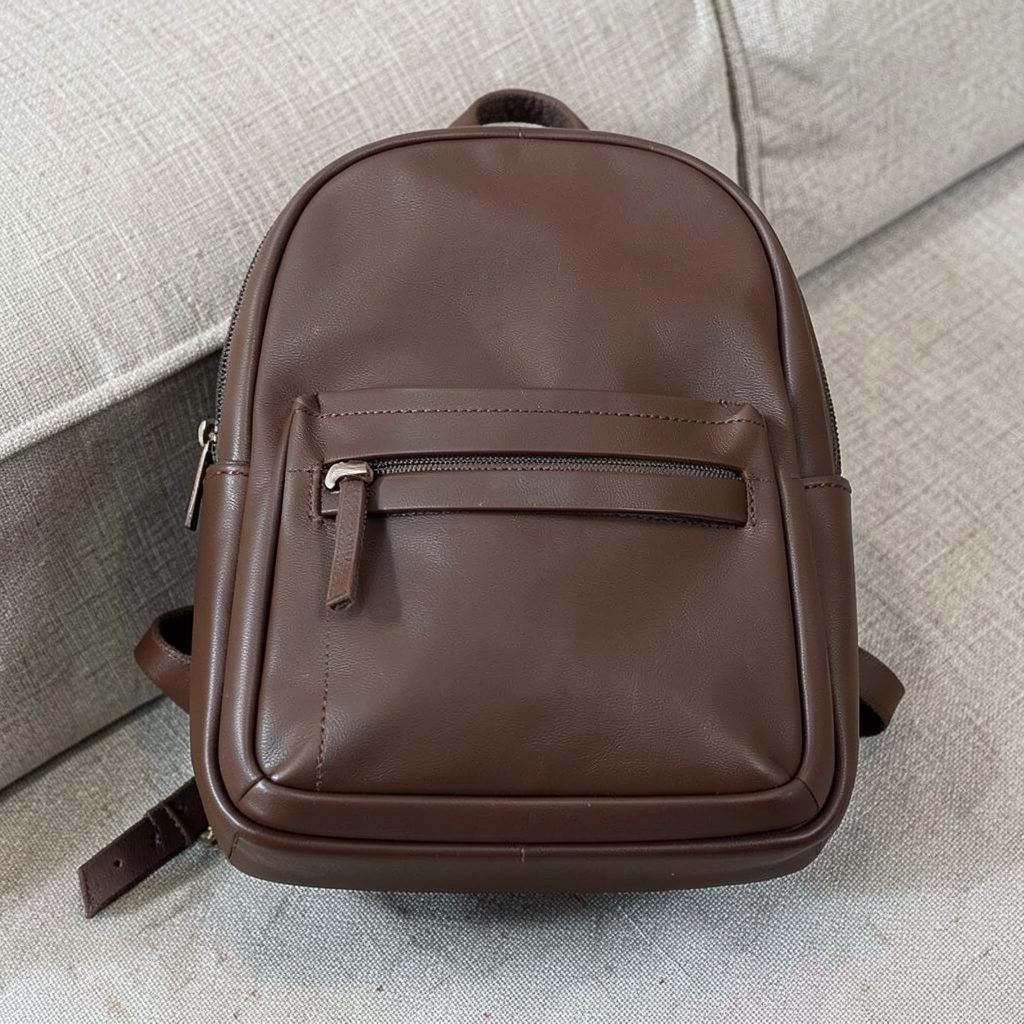
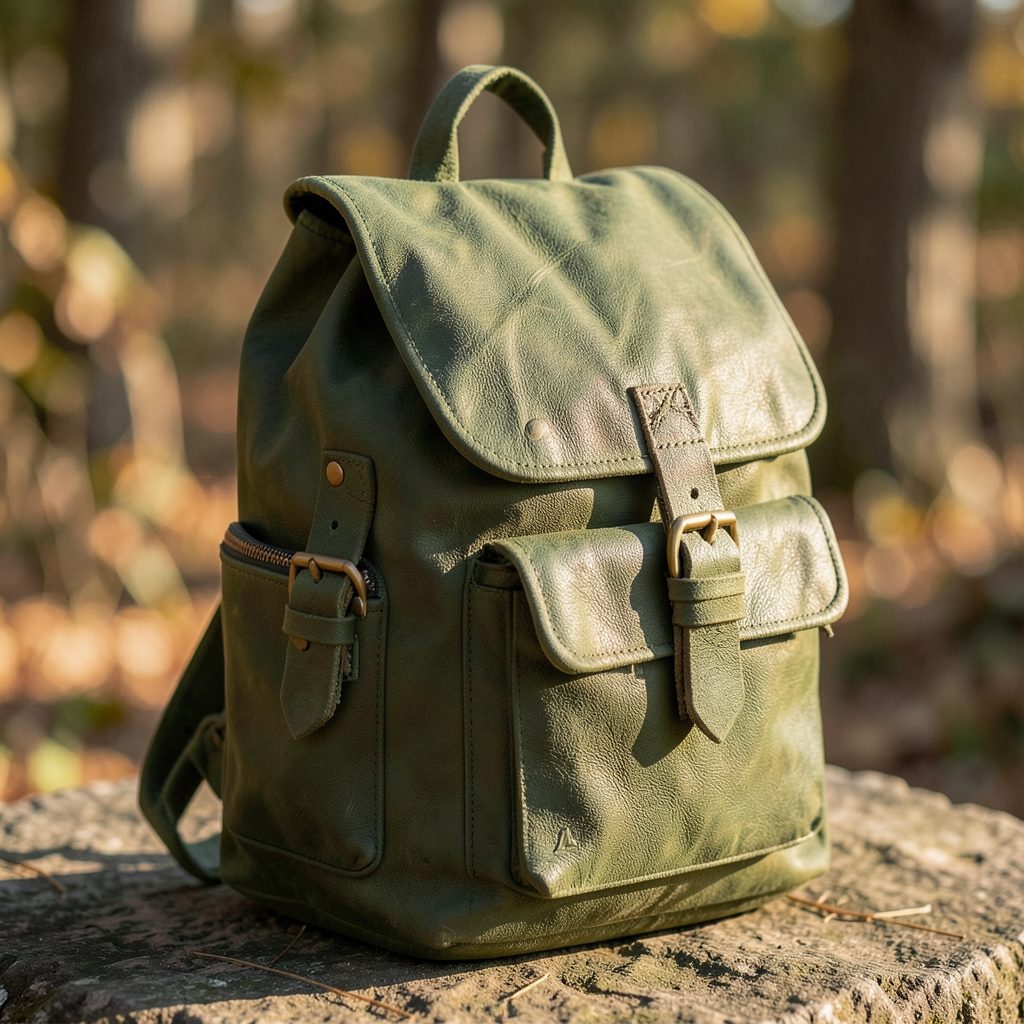
Travel Starter Pack’s vegan leather range is suited to shoppers who want animal-free materials alongside an organized, everyday appearance. Its vegan leather backpacks provide a starting point for comparing shapes, colors, and capacity. A compact model in a darker shade can be especially practical for frequent travel, while a lighter color may make it easier to see items inside.
Pack Around The Under-Seat Space
The position of the seat supports and entertainment equipment can reduce usable room, so pack with the narrowest dimension in mind. Place soft clothing or a small pouch along the bottom, then add flatter items such as a tablet, book, or travel documents. Keep the items you may need during the flight near the top or in an external pocket that does not expand beyond the permitted depth.
Shoes, toiletry bottles, and chargers are common sources of wasted space. Wear your bulkiest shoes, choose a compact toiletry kit, and coil cables into a small organizer. A reusable water bottle should be empty before security and placed where it can be reached quickly. If you carry medication, identification, or valuable electronics, keep them in a secure interior compartment rather than at the bottom of the bag.
Do a trial fit before leaving home. Pack the bag fully, close every zip, and slide it beneath a chair or into a measured space that reflects the airline’s limit. Check whether the straps, side pockets, or base catch on the front edge. This simple test reveals problems that product photographs and empty measurements cannot show.
Features That Make A Small Bag Work Harder
Organization becomes more important as the bag gets smaller. A padded sleeve can protect a compact laptop or tablet without requiring a separate case, while a zipped interior pocket keeps passports and cards from disappearing among clothing. Two or three purposeful compartments are generally more useful than many narrow sections that consume space.
Security should be easy to manage in transit. A full-length zip is safer than an open top, and a discreet rear pocket can hold a phone or boarding pass while you are walking. If you choose a crossbody design, an adjustable strap lets you wear it close to the body in crowded places. For a backpack, padded shoulder straps and a breathable back panel make a noticeable difference during longer terminal walks.
Style also has a practical role. A neutral color and clean silhouette can move from airport to café, while a distinctive shade makes the bag easier to identify. A smaller accessory can add personality without increasing the personal item’s size; for example, a tassel bucket bag may work as a separate everyday option when its dimensions suit your itinerary and airline allowance.
A Practical Buying Checklist
Before ordering or packing a budget-airline personal item, use these checks:
- Compare the bag’s full external dimensions with the current airline allowance, including pockets, handles, and base panels.
- Choose a soft or lightly structured body with a reinforced bottom rather than a rigid case that cannot compress.
- Weigh the empty bag and reserve capacity for a tablet, water bottle, clothing layer, and travel essentials.
- Confirm that the opening, zips, and compartments keep passports, medication, electronics, and chargers accessible.
- Test the fully packed bag beneath a seat-height space before the departure day.
Think about your travel habits as well as the flight rules. A frequent city-break traveler may benefit from a slim backpack with a laptop sleeve, whereas a light packer may prefer a crossbody that doubles as a daily handbag. Someone carrying a camera, work equipment, or bulky clothing should prioritize a broad opening and weight distribution instead of choosing the smallest-looking design.
Buying online also calls for careful attention to the listed measurements and return policy. Read the product details, compare the dimensions with your carrier’s current allowance, and review how the bag is constructed. Travel Starter Pack offers a range of bags and accessories for everyday use and travel, with free worldwide shipping and order tracking available to make delivery easier to follow.
A well-chosen under-seat bag can make a budget flight simpler from check-in to landing. Browse compact backpacks, crossbody styles, and practical totes at Travel Starter Pack, then select the design whose packed dimensions, organization, and weight suit both your airline and your routine.
Our Backpack Styles
Every backpack is crafted from premium vegan leather with thoughtful details — multiple pockets, removable straps, and colors that work with any wardrobe. Browse the lineup below.