How to Soften a Stiff Vegan Leather Bag Before Travel
A new vegan leather bag can look polished straight out of the parcel yet feel rigid when you first use it. The panels may resist folding, the strap can sit awkwardly against your shoulder, and the zip or magnetic closure may need extra effort. That firmness is often part of the bag’s construction, especially when it has structured panels, reinforced seams, or a protective surface coating.
Breaking in a faux leather bag is a gradual process. The goal is to encourage natural flexibility while protecting the finish, lining, stitching, and hardware. With the right preparation, your backpack, tote, wallet, or crossbody can become comfortable before you take it through an airport, onto a Melbourne tram, or along a weekend route on the New South Wales coast.
Check The Material And Construction First
Vegan leather is made from synthetic materials such as polyurethane or PVC, often bonded to a textile backing. Different finishes respond differently to warmth, moisture, pressure, and conditioners. A smooth polyurethane surface may become more pliable with careful handling, while a heavily coated or textured finish may need little treatment beyond regular use.
Read the care information supplied with the bag before applying anything. Look at the seams, edge paint, lining, strap attachments, and closure points. If the bag has a printed pattern, metallic finish, suede-like texture, or woven exterior, treat it as more delicate. A small hidden-area test is worthwhile whenever you use a new product.
Inspect the bag for creases from shipping and allow it to rest at room temperature. Do not begin by forcing folded sections flat or packing the interior tightly. An Australian summer can make a parcel warm during delivery, so leave the bag away from direct sun and let the material return to a normal indoor temperature before you start.
Shape It With Soft, Even Support
The safest first step is to fill the bag lightly with clean, soft items. Folded cotton T-shirts, a lightweight scarf, or a small towel can support the panels without creating sharp pressure points. Fill the main compartment until the bag holds its intended shape, but leave enough room for the material to relax rather than stretch.
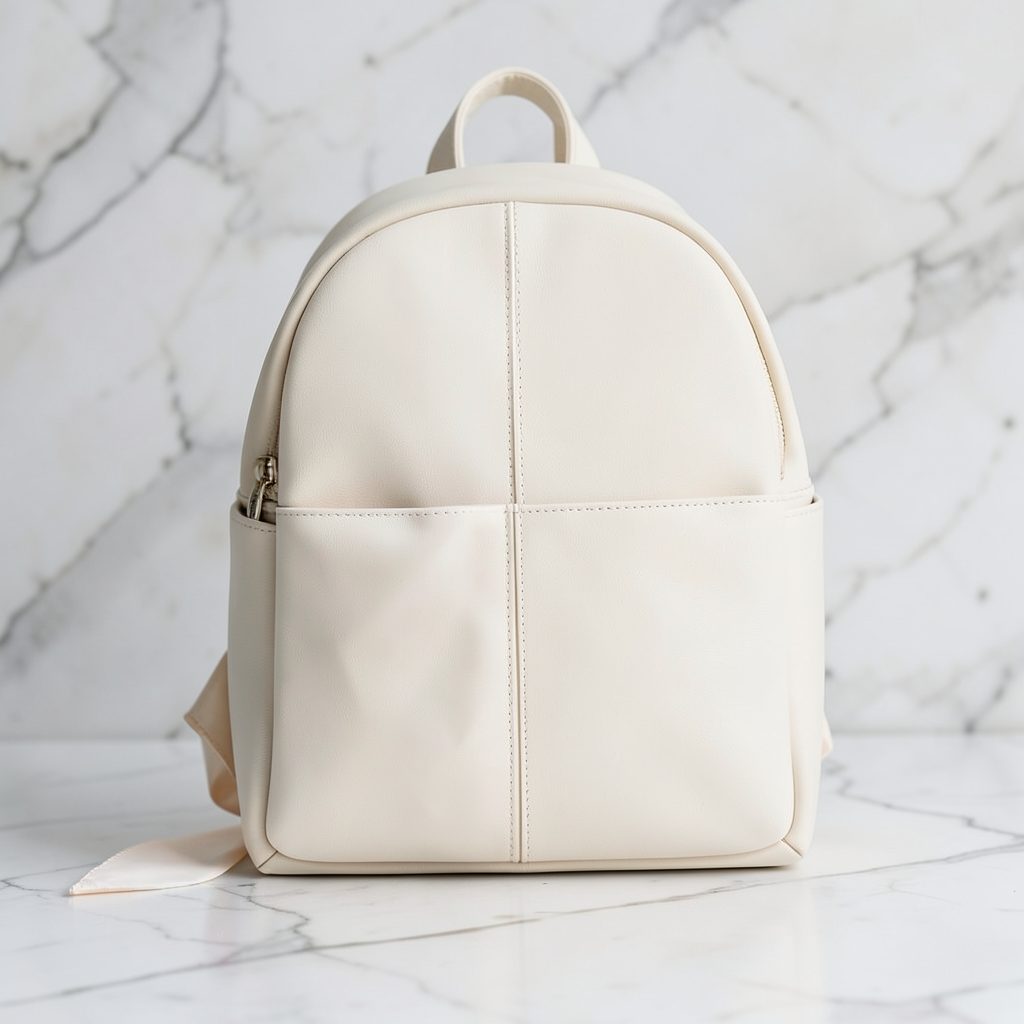
For a backpack, support the body and place a little padding beneath the base. For a tote, fill the corners gently and keep the handles upright. A crossbody should be stuffed with care around the zip line and flap so the closure is not pushed out of alignment. Leave the bag filled overnight, then remove the contents and check whether the panels have softened evenly.
Repeat this process for several evenings if needed. Rotate the position of the soft items so one area does not stay under pressure. This approach is especially useful before travel because it improves the bag’s shape without exposing it to water, harsh chemicals, or intense heat.
Use Movement Instead Of Force
Once the bag is supported, handle it during short sessions. Open and close the zip several times without pulling beyond its natural track. Flex the strap by rolling it loosely around your hand, then release it. Bend broad panels gently between your palms, using slow movements rather than sharp folds.
Carry the bag around the house with a light load for 20 to 30 minutes. Walk up and down a hallway, take it on a short local errand, or wear it while preparing for your trip. This helps the material adapt to the way it will actually move on your body. It also reveals rubbing, strap slippage, or uncomfortable edges before you reach the airport.
Avoid sitting on the bag, twisting it into a suitcase corner, or hanging heavy items from one side. A stiff bag may seem as though it needs aggressive treatment, but sudden creasing can leave permanent lines in the outer coating. Flexibility should develop through repeated, controlled movement.
Apply Gentle Warmth With Care
Mild warmth can help soften a rigid vegan leather surface, but high temperatures can cause bubbling, warping, peeling, or tackiness. If you use a hairdryer, select the lowest warm setting and keep it at least 30 centimetres from the bag. Move the airflow continuously across one small area for no more than a few seconds at a time.
Support the warmed section with your hands or soft stuffing while it cools. Work across the bag gradually instead of heating the entire item. Stop immediately if the surface becomes shiny, sticky, unusually soft, or changes colour. Never place vegan leather directly against a heater, in a clothes dryer, or on a hot car seat.
Australia’s climate makes temperature awareness particularly important. A bag left in a parked car in Brisbane or Perth can become far hotter than the surrounding air, while direct sun on a balcony in Adelaide may affect one panel unevenly. Store and condition the bag indoors, away from windows and strong afternoon heat.
Build A Simple Care Routine
Helpful Items For A Controlled Break-In
- Clean cotton cloths or a soft microfibre cloth
- A small towel or folded T-shirts for gentle stuffing
- Mild, fragrance-free soap for occasional spot cleaning
- A cool, shaded place with good airflow
Wipe the exterior with a dry or slightly damp cloth before you begin. This removes dust that could become embedded when the surface is flexed. If a mark needs cleaning, use a small amount of diluted mild soap on the cloth, never pour liquid directly onto the bag, and dry the area promptly.
Avoid olive oil, coconut oil, petroleum jelly, leather grease, alcohol wipes, acetone, bleach, and household disinfectants. Products designed for animal leather can leave vegan leather greasy, cloudy, cracked, or discoloured. Fabric softener and silicone sprays can create a slippery film that attracts dust and affects how the bag feels.
Use a clean cloth to buff away any faint residue after spot cleaning. Pay attention to handles and the underside of the bag, where sunscreen, hand cream, and city grime often transfer. If the care label recommends a particular conditioner, follow its instructions exactly and test it on an inconspicuous section first.
Pack It For Australian Travel
After the bag has started to relax, test it with the type of load you expect to carry. Add a phone, sunglasses, compact umbrella, wallet, charging cable, and a small water bottle, then wear it for a short walk. Keep heavier objects close to the base or back panel, depending on the design, so the bag does not pull out of shape.
For flights, keep the bag lightly filled rather than compressed beneath hard luggage. A structured tote can be used as a personal item if its dimensions suit the airline’s rules, but check current requirements before leaving. A crossbody is useful for documents and cards in busy areas, while a backpack may distribute weight more comfortably during a longer transfer.
Quick Pre-Trip Checks
- Test every zip, clasp, magnetic snap, and adjustment buckle
- Check that the strap edges do not rub your neck or shoulder
- Confirm that the base stands evenly when the bag is placed down
- Remove excess packaging and keep a small cloth for travel cleaning
Sydney’s humidity can make synthetic surfaces feel warmer and less comfortable against the body, so choose breathable clothing where a strap rests. In Melbourne, a compact umbrella may be practical for changing weather, while a visit to a busy market or festival calls for secure closures and a close-fitting crossbody. For bushwalking or dusty regional travel, use a different purpose-built pack if the route involves mud, heavy rain, or abrasive surfaces.
Keep valuables in internal compartments and avoid overloading decorative pockets. A bag that feels comfortable when empty can become strained once filled with souvenirs, a laptop, or a full drink bottle. Test the real travel load at home, then reduce it until the bag retains its shape and sits naturally.
Know When To Stop Conditioning
A vegan leather bag should feel more cooperative after several gentle sessions, but it should not become excessively soft, distorted, or uneven. Stop if the surface begins to peel, develop pale stress marks, wrinkle around hardware, or separate from the backing. These signs suggest that the finish is reacting poorly to heat, pressure, or a cleaning product.
If a zip catches, check whether the bag is overfilled or the panels are misaligned. Do not force the puller, lubricate it with cooking oil, or tug at an angle. Empty the compartment, realign the contents, and operate the zip slowly. For a stubborn fault, contact the retailer before attempting a repair that could affect a return or warranty assessment.
When planning your trip budget, keep luggage care and replacement costs in mind alongside transport and accommodation; a practical money planning guide can help organise spending before departure. A little preparation is usually kinder to a new bag than trying to correct damage after a rushed packing session.
Choose A Comfortable Everyday Carry
Breaking in a bag should make it easier to use, not change its original character. Some designs are meant to remain structured, and their clean shape can be useful for protecting a tablet, notebook, or travel documents. In that case, focus on loosening the strap, handles, and closure rather than trying to soften every panel.
A flexible woven design may feel comfortable sooner because its surface has more movement built into it. For a compact option that works for sightseeing, dinners, and everyday errands, consider this woven crossbody bag. Its scale and hands-free format can suit a day when you want essentials close without carrying a larger tote.
Choose a size that matches your normal routine. A smaller bag is less likely to become overloaded, while a roomy tote needs careful weight distribution. Colour and finish matter too: lighter shades may show marks more readily, and dark bags can become hot in direct sun. Store any style in a cool, dry place with tissue or soft fabric inside so it keeps its form between trips.
Travel Starter Pack offers animal-free bags and accessories designed for everyday carrying, with options across backpacks, crossbody bags, totes, wallets, and useful travel pieces. Browse the vegan travel collection for a bag that suits your route, then allow time for gentle shaping and short test carries before departure. With careful handling, your new companion can arrive at the airport comfortable, presentable, and ready for the journey.
Our Backpack Styles
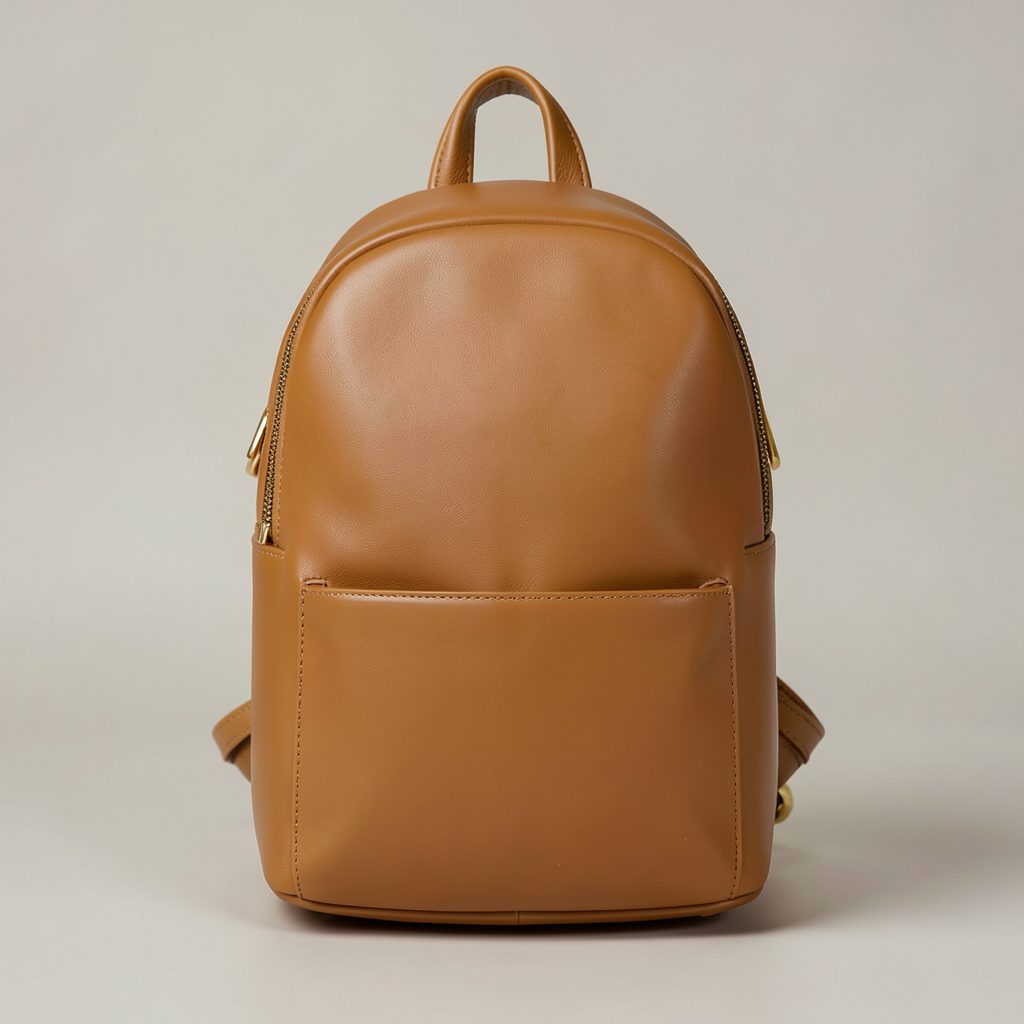
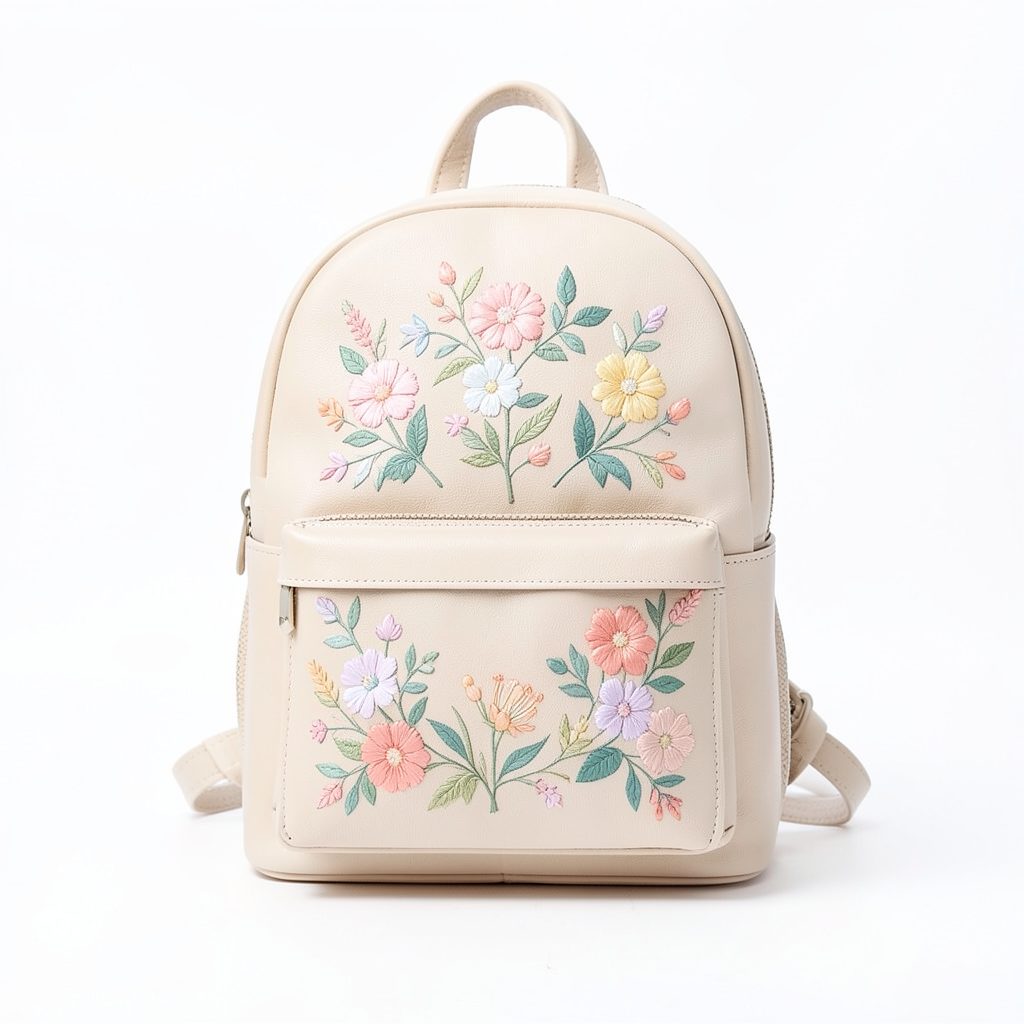
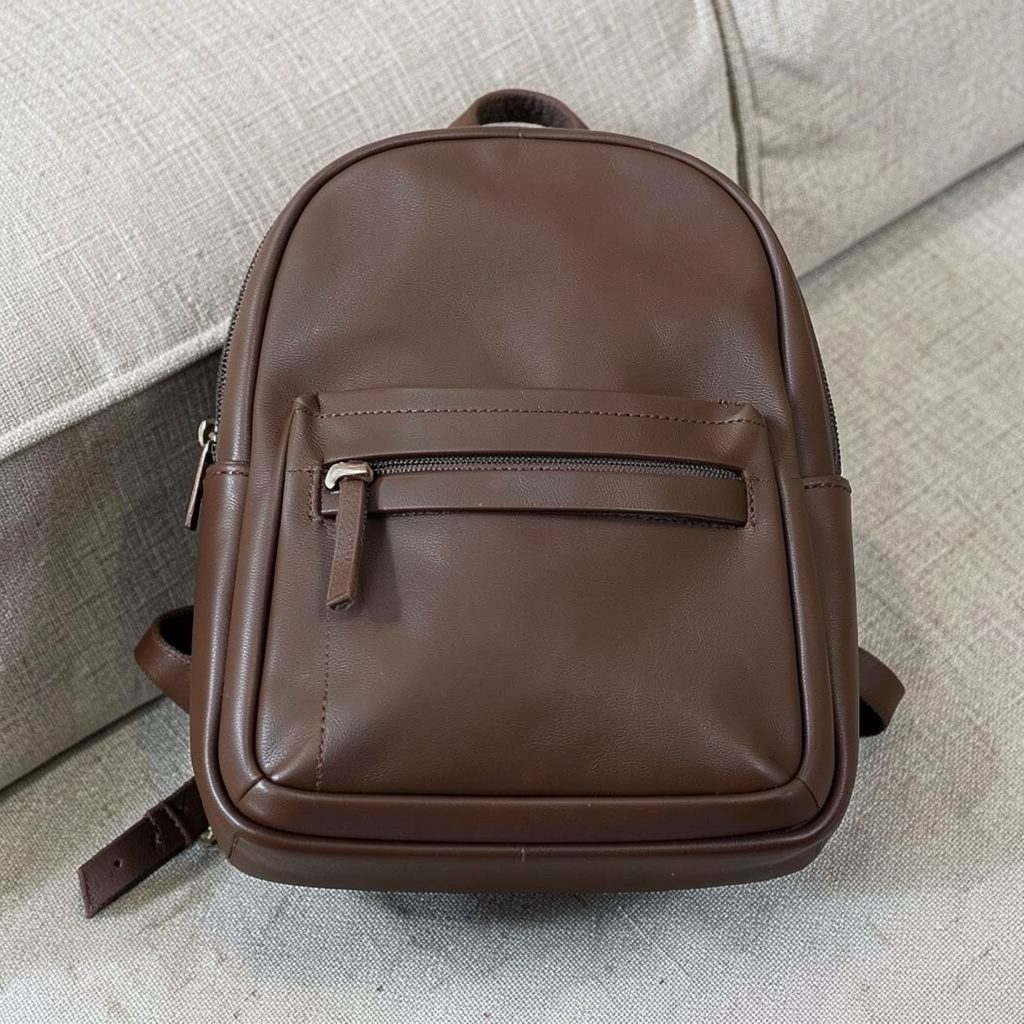
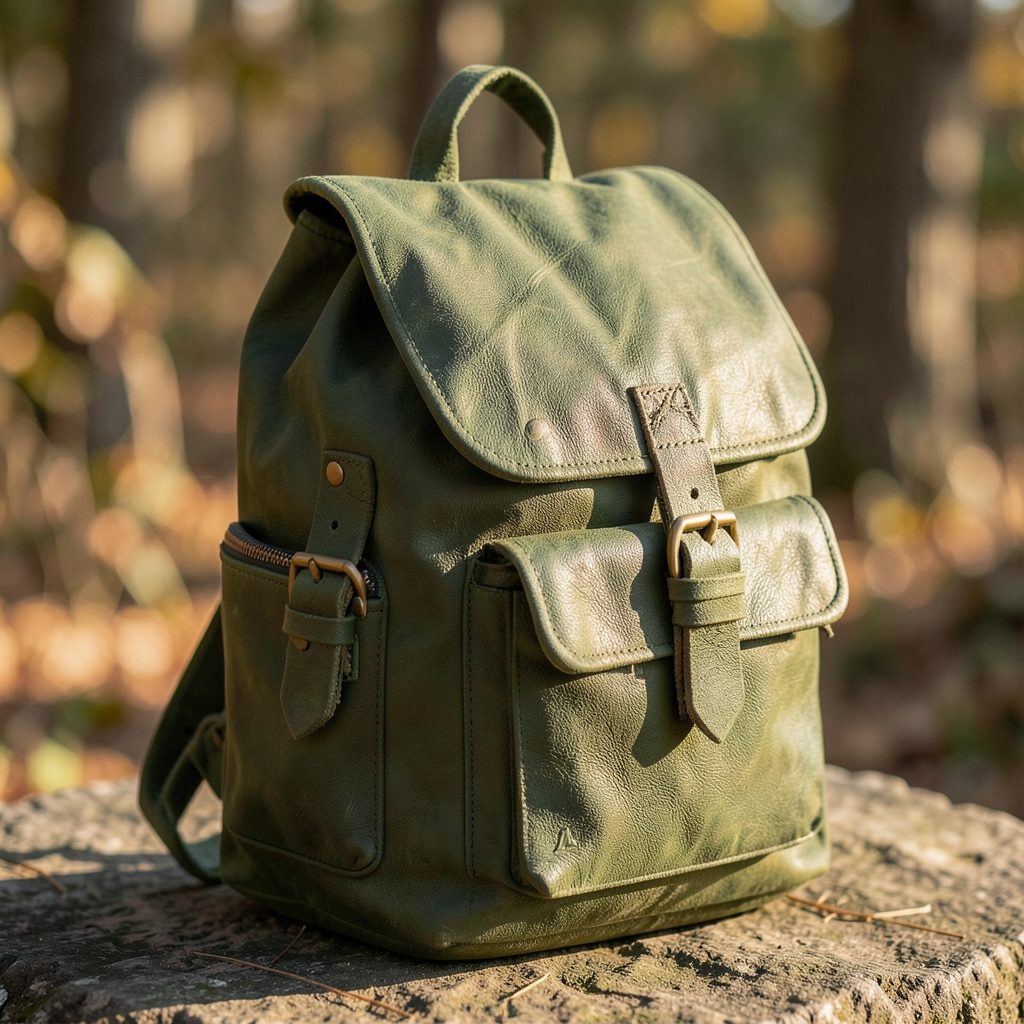
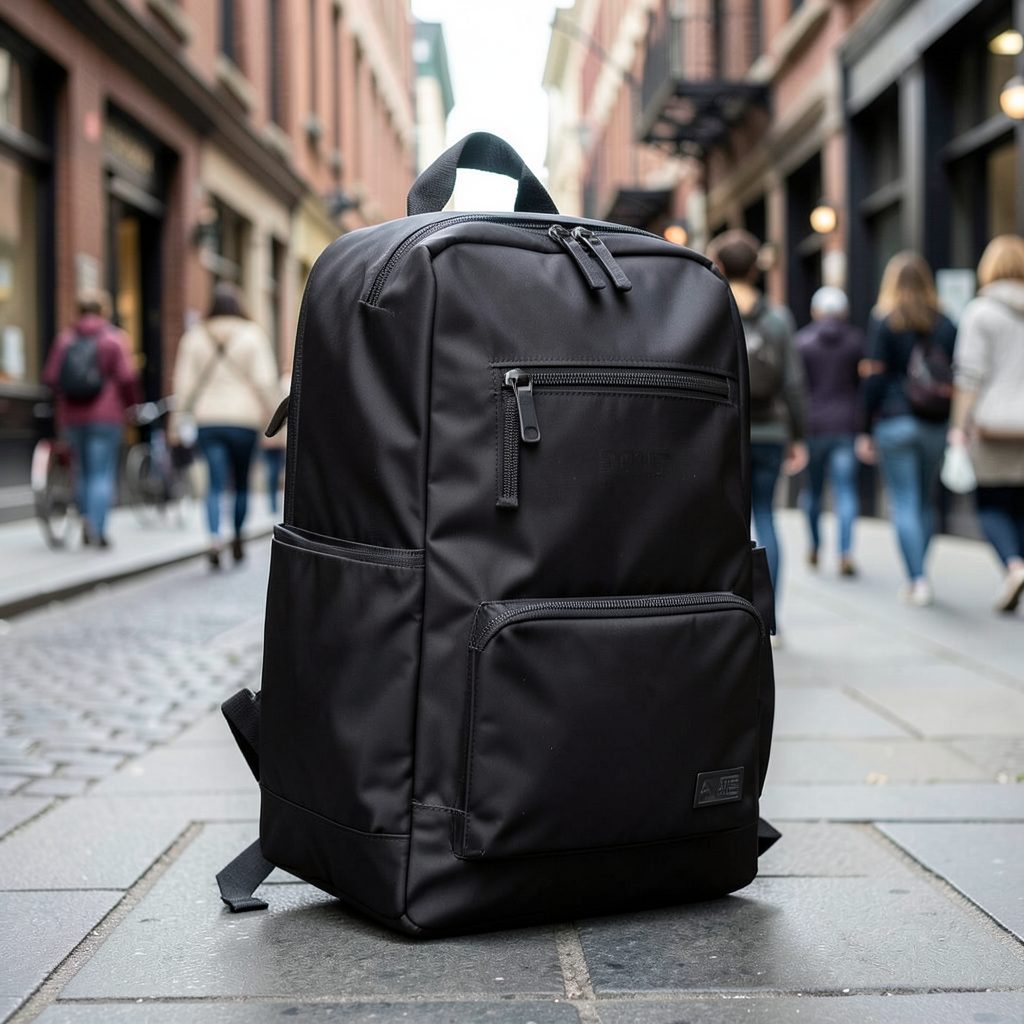
Every backpack is crafted from premium vegan leather with thoughtful details — multiple pockets, removable straps, and colors that work with any wardrobe. Browse the lineup below.