Pack Lightly For A Better Australian Day Trip
A day trip usually needs less than you think. The difficulty is that small items seem harmless: one extra top, a second water bottle, a book, backup makeup, a charger, and a few “just in case” pieces can quickly turn a comfortable vegan leather bag into a heavy, awkward load.
The right approach is to decide what your day actually involves before choosing what to carry. A relaxed wander around Fremantle calls for a different packing list from a ferry ride across Sydney Harbour, a gallery visit in Melbourne, or a bush track near the Blue Mountains.
Vegan leather bags are especially useful for short outings because they combine a polished appearance with practical structure. A well-made backpack, tote, or crossbody can protect your essentials while keeping your hands free for coffee, public transport, or a camera.
The aim is simple: carry what supports the day, arrange it so everything is easy to find, and leave enough room for small changes. A lighter bag feels better on your shoulder, looks neater, and gives you more freedom to enjoy the places you have travelled to see.
Start With The Day’s Real Requirements
Before packing, think through the actual schedule from leaving home to returning. A few hours at a market may require your phone, cardholder, keys, sunglasses, sunscreen, and a water bottle. An all-day outing may add a light layer, portable charger, medication, and a compact snack.
Avoid packing for every possible scenario. If you are heading to a shopping precinct, there is no need to carry a full notebook, large toiletry kit, spare shoes, and multiple entertainment options. If you are visiting a beach, choose one useful cover-up rather than several clothing alternatives.
Australian day trips often involve more walking than expected, particularly when moving between railway stations, cafés, lookouts, and attractions. A bag that feels fine at breakfast can become uncomfortable by late afternoon, so weigh practicality more heavily than the idea that you might need something.
A useful rule is to separate essentials from conveniences. Essentials help you travel safely or comfortably. Conveniences are pleasant extras that can usually stay at home. Pack the first group, then add only one or two items from the second.
Choose A Bag That Fits Your Movement
The bag style should match how you plan to move. A crossbody is convenient for city streets, public transport, and busy markets because it keeps your hands free and stays close to your body. A backpack distributes weight more evenly for long walks, while a tote suits lighter loads and quick trips where you want easy access.
A compact woven crossbody can be a strong choice for a café-to-gallery day, especially when you want something that looks considered without taking up much space. This woven crossbody bag gives you a practical format for the basics rather than encouraging you to fill unused corners.
Pay attention to the bag’s opening and internal sections. A wide main compartment can tempt you to keep adding items, whereas a few well-designed pockets make it easier to assign a place to your phone, keys, cards, and lip balm. A secure zip is valuable in crowded areas such as Queen Victoria Market or a busy tram stop.
The strap also affects how much you carry. A narrow strap may feel uncomfortable when overloaded, while an adjustable strap lets you position the bag securely. For heavier day-trip loads, choose a style that keeps the weight close to your back or distributes it across both shoulders.
Build A Small Essentials Kit
Create a repeatable day-trip kit instead of starting from scratch every morning. Keep your cards, identification, keys, sunglasses, reusable shopping bag, and basic personal items together. When these pieces have a regular home, you can move them between bags without forgetting something important.
For many Australian outings, sunscreen is an essential rather than an optional extra. Choose a small tube or refill a travel-size container instead of carrying a large bottle. The same applies to hand sanitiser, tissues, lip balm, and medication: useful items can still be compact.
A phone, cardholder, and keys often cover most payment and access needs. If you are using public transport, check whether your route relies on an Opal card in Sydney, a Myki in Melbourne, or a local contactless payment option. Carry the relevant card in an easy-to-reach pocket rather than burying it beneath a full day’s supplies.
Keep a small amount of emergency space available. You may need to put away sunglasses, a light layer, or a receipt during the day. A bag filled to its limit becomes difficult to close and can place unnecessary strain on the zip, seams, and handle.
Use A Simple Packing System
Overstuffing often happens when items are added without a plan. Start by placing the largest essential item at the base, then add soft pieces around it. Keep frequently used objects near the top or in an external pocket, and reserve a zipped compartment for valuables.
Group similar items in small pouches. A slim pouch for personal care, a protective sleeve for technology, and a compact wallet can prevent loose objects from spreading through the bag. Pouches should be lightweight; a collection of bulky organisers can create the same problem as carrying too many individual items.
| Item | Sensible day-trip choice | Space-saving approach |
|---|---|---|
| Water | One reusable bottle | Choose a slim bottle that fits the bag |
| Sunscreen | Travel-size tube | Decant into a smaller container |
| Extra clothing | One light layer | Wear the heaviest layer while travelling |
| Technology | Phone and small charger | Use a short cable and compact power bank |
| Snacks | One small portion | Avoid carrying full packets |
| Personal care | A few essentials | Use a slim pouch |
| Shopping items | Foldable tote | Keep it flat against the back panel |
Review the bag once everything is inside. If you cannot see what you have packed, remove the items and rebuild the arrangement. This takes a minute at home and saves time when you are searching for your keys outside a station or trying to pay at a busy café.
Plan For Australian Weather
Weather can change quickly across Australia, and regional conditions vary widely. A warm morning in Melbourne can turn cool and windy by the afternoon, while a sunny day in Brisbane may bring a sudden shower. Check the forecast for the whole period you will be out, not just the temperature when you leave home.
Instead of carrying several clothing options, choose one adaptable layer. A thin overshirt, lightweight cardigan, or packable rain shell can handle a change in temperature without taking over the main compartment. Wear bulky trainers or a jacket during travel rather than packing them.
Sun protection deserves its own priority. Sunglasses, sunscreen, and a hat may be more useful than a second outfit on a bright day around Perth, Adelaide, or the Gold Coast. If your bag cannot fit a hat comfortably, wear one or choose a foldable style that does not lose its shape.
For bushwalks and coastal tracks, consider the route rather than relying on the bag alone. Take enough water, follow local park guidance, and carry a charged phone. A small bag is helpful, but it should never mean leaving behind safety essentials for a longer or more isolated walk.
Keep Weight Under Control
The easiest way to reduce weight is to set a limit before packing. A compact crossbody should carry only daily essentials, while a small backpack can handle a lunch container, extra layer, and water. If the bag already feels heavy when empty, it will become uncomfortable quickly.
Use your phone to replace several separate items where practical. Tickets, maps, booking confirmations, reading material, and a camera may all be available digitally. Keep a charger or power bank only if you expect a long day away from a power outlet, and choose one small enough to justify its place.
Be selective with food. A snack such as a muesli bar, fruit, or a small container of nuts can prevent an expensive purchase when you are hungry, but a full picnic may need a separate lunch bag. If you are travelling by car, leave additional supplies in the vehicle rather than carrying them all day.
Keep an eye on shoulder comfort as you move. If the strap digs in, you are constantly shifting the bag, or you feel yourself leaning to one side, remove something or change the way the weight is distributed. Good packing should support your posture rather than make you compensate for it.
Make Room For The Unexpected
A day trip rarely goes exactly to plan. You may buy a small item at a market, collect a brochure, remove a layer, or need to carry a friend’s keys for a while. Leaving a little empty space makes these ordinary changes manageable.
A foldable shopping bag is one of the most useful additions for Australian travel. It can handle purchases from a farmers’ market, a bookshop, or a bakery without forcing your main bag to expand. Keep it flat in an internal pocket so it does not become a loose object at the bottom.
If your outing includes a lighthouse, beach, or coastal walk, protect the bag from sand and moisture. A small reusable pouch can hold wet swimwear or a damp cloth, while a zippered pocket keeps cards and electronics away from water. For ideas on coastal stops and local travel inspiration, explore lighthouse travel ideas before setting out.
Do not use available room as a reason to add more belongings. Empty space is valuable because it gives the bag flexibility. It also makes it easier to maintain the shape of vegan leather and prevents pressure on the closures.
Maintain Your Bag After The Trip
A few minutes of care can keep a vegan leather bag looking polished. Empty every compartment when you return, remove receipts and food wrappers, and wipe the exterior with a soft, slightly damp cloth if needed. Avoid harsh cleaners, soaking, and abrasive sponges, which can affect the finish.
Allow the bag to air dry naturally if it has been exposed to rain or humidity. Do not place it directly against a heater or use a hairdryer, as sudden heat can damage some synthetic finishes. Store it upright or lightly stuffed with clean paper so it keeps its shape without being stretched.
Inspect the strap, zip, and corners from time to time. Early attention to a loose thread or strained seam is easier than repairing a bag after a busy season of travel. Rotate between suitable bags when possible so one style does not carry every outing.
If you are looking for a practical replacement or a different size, browse the current sale collection for reduced-price vegan leather designs. A new bag should solve a genuine packing need, such as better weight distribution or a more suitable internal layout, rather than simply provide another place to store unused items.
Use this approach before your next arvo in the city, coastal drive, or weekend market visit: check the forecast, select the right style, pack the essentials, and leave space for the day to change. Travel Starter Pack’s animal-free bags and accessories are designed for everyday movement, with durable formats, varied colours, free worldwide shipping, and order tracking to make your next light, organised outing easier to carry.
Our Backpack Styles
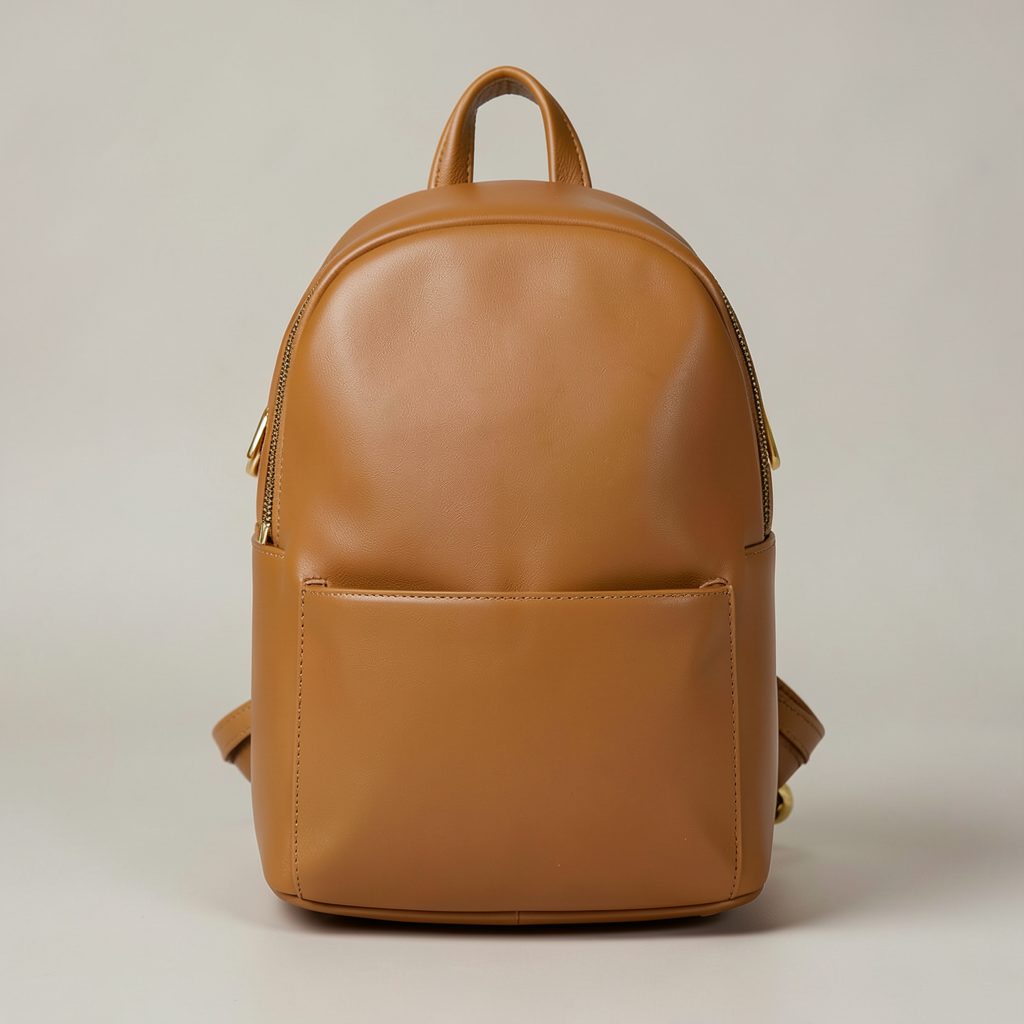
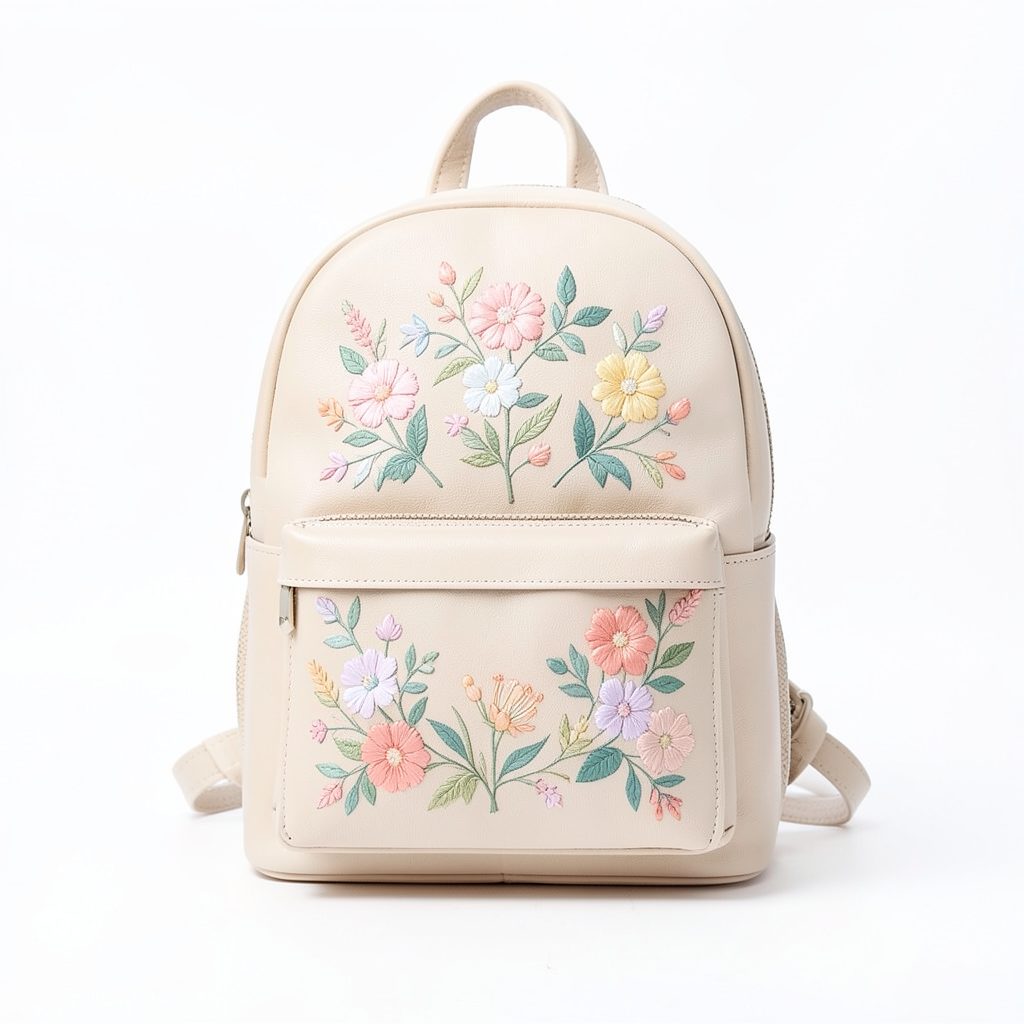
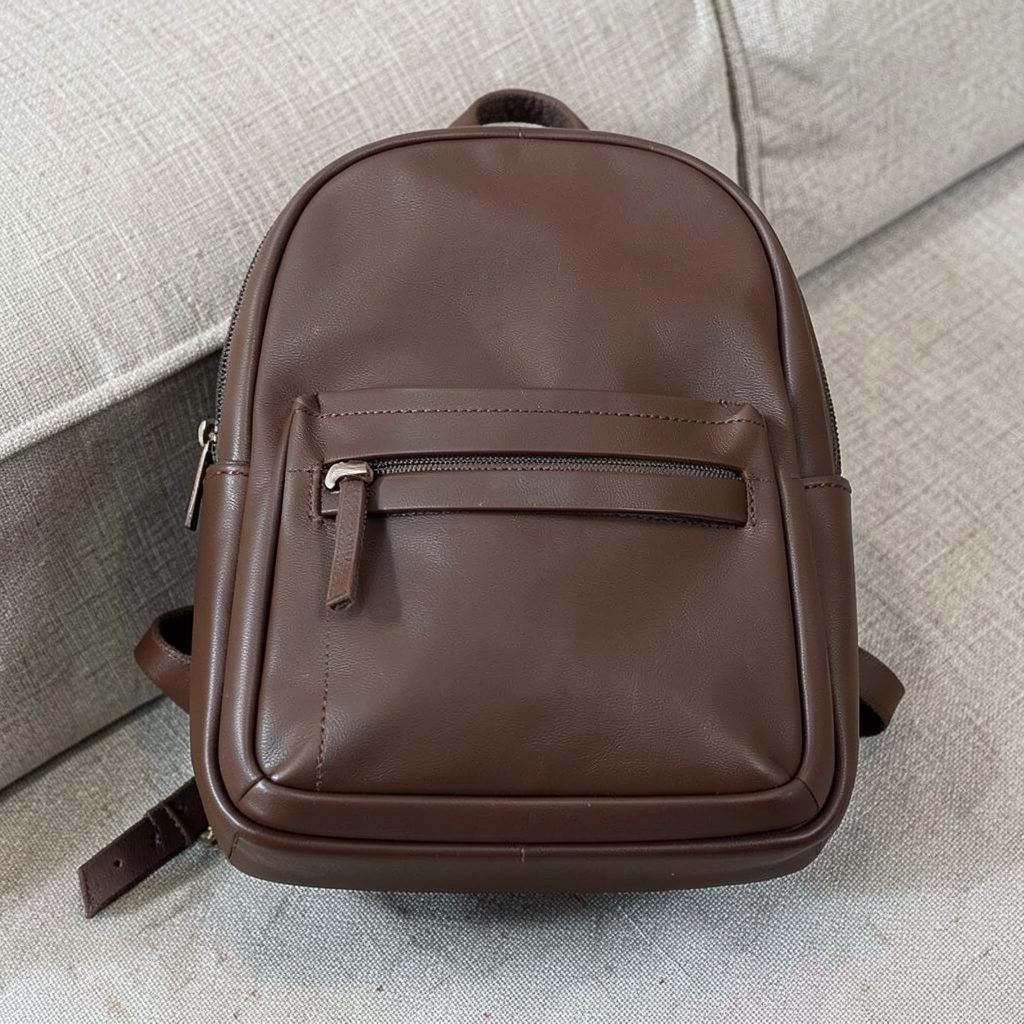
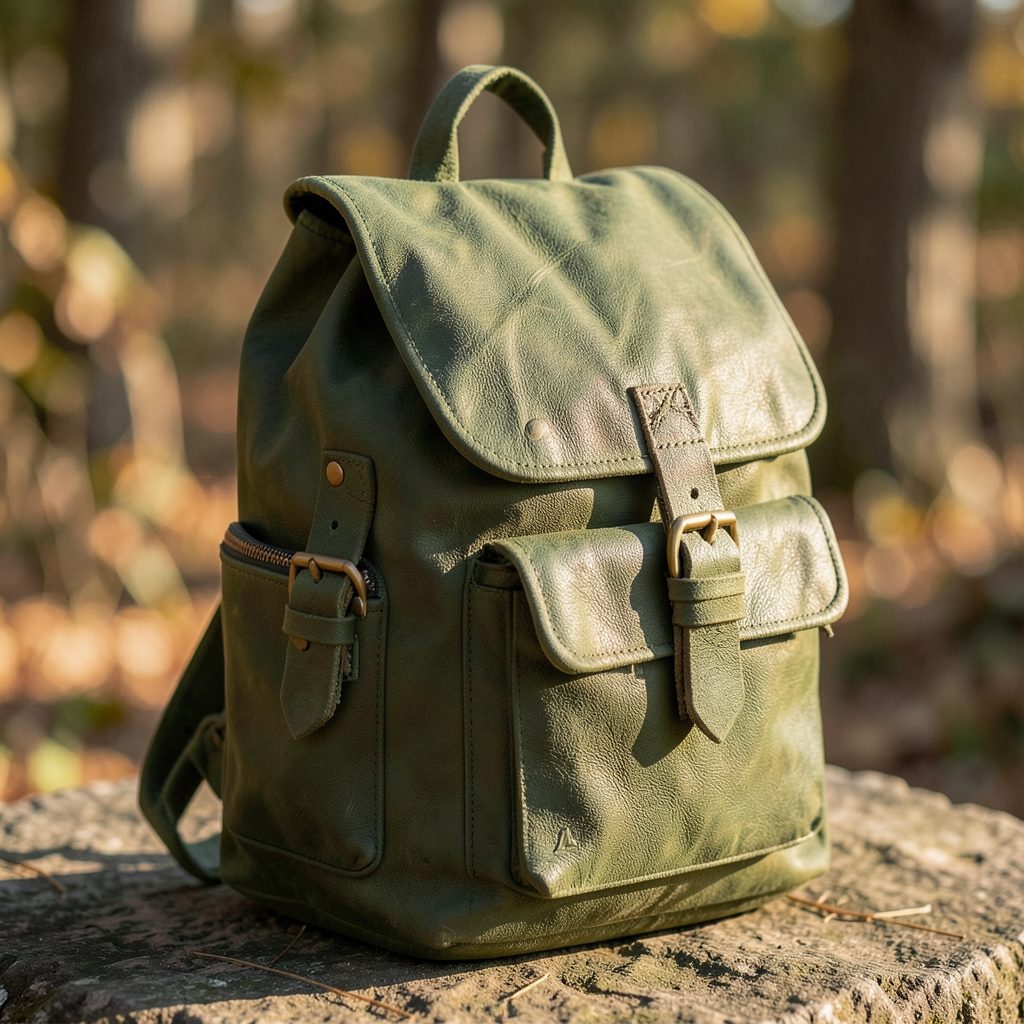
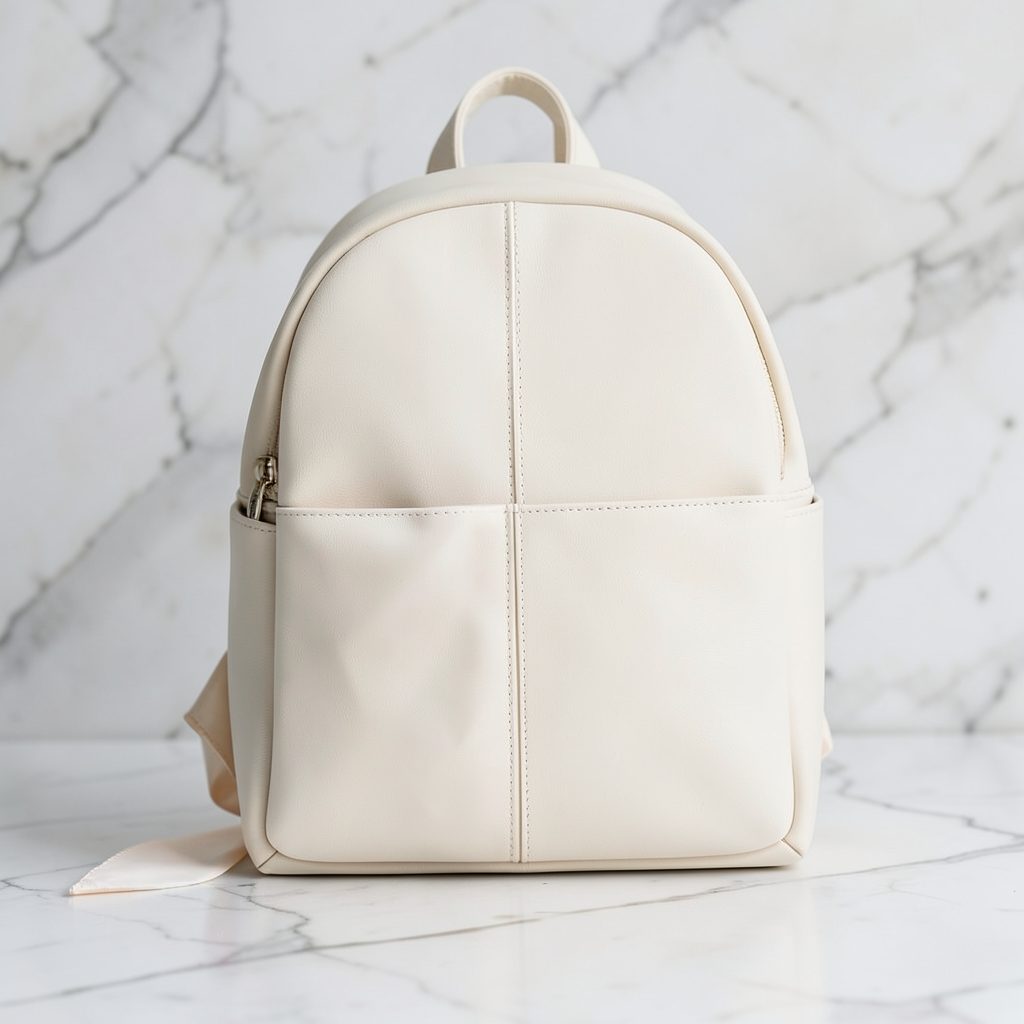
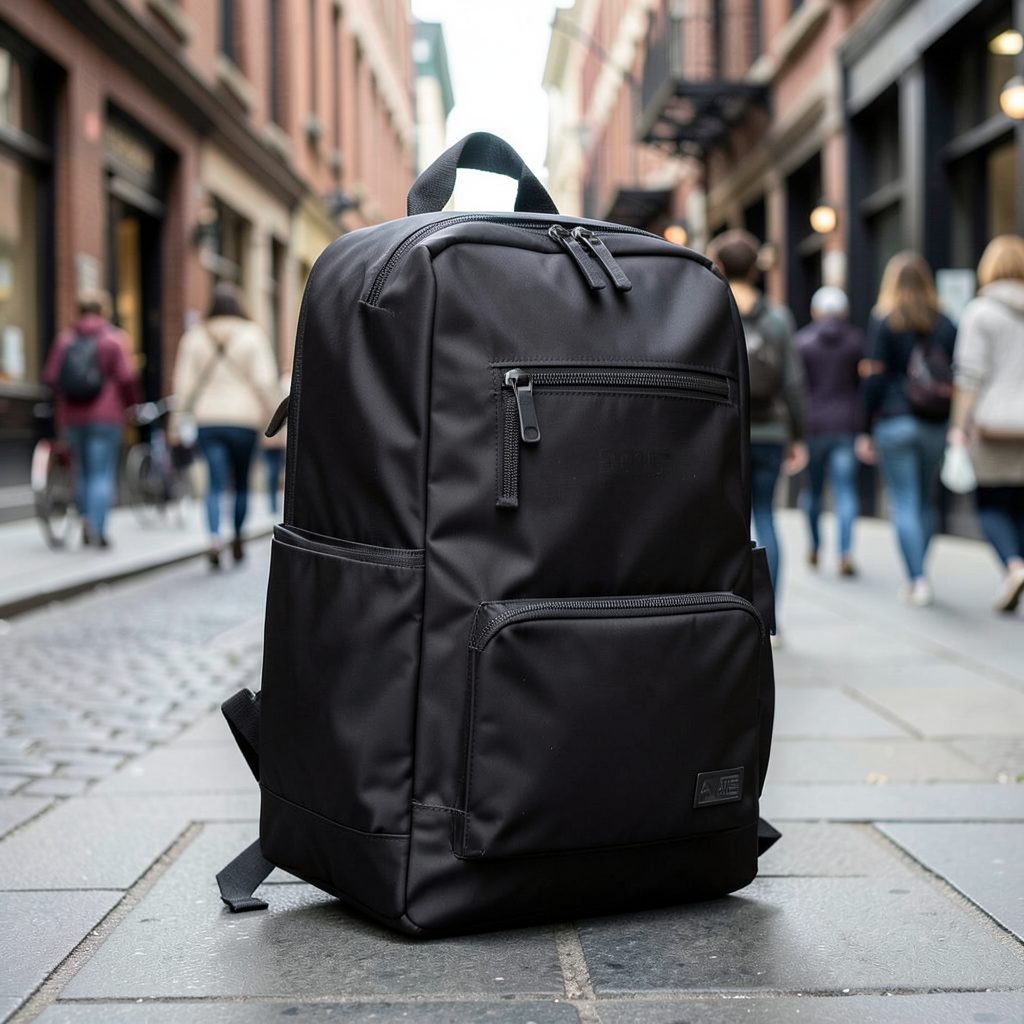
Every backpack is crafted from premium vegan leather with thoughtful details — multiple pockets, removable straps, and colors that work with any wardrobe. Browse the lineup below.