Choosing a Vegan Leather Bag for a Safari That Opens Flat and Easy
Australians heading to Africa for a safari usually start the journey in Sydney or Melbourne, connecting through Dubai, Singapore, or Johannesburg on carriers like Emirates, Qatar Airways, or South African Airways. The trip demands a bag that survives long-haul flights, dusty game drives, and the constant reach for binoculars, sunscreen, and passports. A vegan leather bag that opens flat and easy solves several problems at once, turning a chaotic transfer from a 4WD to a tented camp into a smooth shuffle of gear.
Modern plant-based leathers have come a long way from the plastic-looking bags of the early 2010s. Today's options use cactus, apple, pineapple, mushroom, and recycled nylons coated with bio-polyurethane. For a safari, you want something that handles the red dust of the Kruger, the humidity of the Okavango, and the occasional downpour in the Serengeti, all while keeping camera batteries, field guides, and snacks organised. The flat-open feature is not a luxury on safari; it is a quiet necessity that protects gear and saves time when the vehicle stops for a leopard sighting.
Why the Flat-Open Design Changes Safari Days
A bag that opens flat, like a portfolio or a doctor's case, lets you see everything at once. On a typical morning drive, you might reach for sunglasses, a charged power bank, your field notebook, and a warm layer within minutes of each other. A standard top-zip backpack forces you to dig, and every dig risks crushing a lens cap or losing a small item between layers. The clamshell or fully fold-flat design lays the contents side by side, much like a roll-top dry bag turned inside out.
The flat-open construction also makes airport security in Brisbane or Perth faster. You can lay the bag open on the tray without unceremoniously dumping belongings into a plastic tub. When you connect through Changi or DXB, that efficiency matters when you have a 90-minute layover and need to grab a flat white before the next leg. A bag designed for quick visual inventory tends to be built with internal mesh pockets, pen loops, and padded sleeves that keep a 13-inch laptop or a Kindle separate from muddy boots.
Practical travellers who also do European rail trips often look for bags that work across climates. If you want to see how the flat-open style translates to a different setting, read about rainy European train travel bags. The principles of quick access and weather resistance carry over from a sleeper train to a safari vehicle surprisingly well.
Material Choices for the Australian-to-Africa Route
Plant-based leathers vary widely in how they handle heat, dust, and moisture. Cactus leather (Desserto) is breathable and resists cracking in dry heat, which suits the air conditioning on a Qantas A380 as much as the arid days in Etosha. Apple leather (AppleSkin) has a soft, slightly pebbled feel and takes dye well, but it can stain if you wipe it with a damp cloth that has red soil on it. Pineapple leather (Pinatex) is woven and rugged, making it a good companion for rough handling by porters at a remote airstrip.
Recycled nylon coated with bio-polyurethane, sometimes sold as eco-nylon vegan leather, is the most forgiving for the African leg. It wipes clean with a wet wipe, shrugs off light rain, and tolerates being stuffed into an overhead bin on a flight from Sydney via Perth. If your itinerary includes a beach extension in Cape Town or Zanzibar, this material handles sea-spray better than woven plant fibres.
| Material | Heat Resistance | Water Resistance | Cleaning Ease | Best Safari Role |
|---|---|---|---|---|
| Cactus leather (Desserto) | High | Medium | Wipe with dry cloth | Everyday carry in dry camps |
| Apple leather | Medium | Low-Medium | Damp cloth, mild soap | City-to-camp crossover |
| Pineapple leather (Pinatex) | High | High | Brush and wipe | Rugged game-drive bag |
| Recycled nylon with bio-PU | Medium | Very High | Wet wipe | Beach and rainy-season use |
| Mushroom leather (Reishi/Mylo) | Medium | Medium | Gentle conditioner | Light urban safari |
The table reflects what most Australian outfitters recommend for trips that combine a city stop in Johannesburg with a private reserve. If you are packing for the wet season in the Okavango Delta, lean toward the recycled nylon option. For a winter safari in the Kalahari, cactus or mushroom leather keeps its shape through cold mornings. Apple leather looks polished enough for a dinner at the Saxon Hotel in Sandton, while pineapple leather handles the bumpy ride to a private concession.
Size, Capacity, and Camera Gear
A carry-on sized bag around 38 to 45 litres is the sweet spot for a safari that starts in Australia. It fits in the overhead lockers of Emirates, Qatar Airways, and the smaller turboprops that run between Maun and the camps. Anything larger gets gate-checked, and gate-checking a vegan leather bag risks scuffing and pressure marks from other bags.
Inside, you want padded sleeves for a mirrorless camera body, two or three lenses, and a small drone if regulations allow. Many Australian photographers travel with a Sony A7 series or a Fujifilm X-T5, and both fit comfortably in a 15-inch padded sleeve. Next to the camera, leave room for a pair of binoculars, a power bank, a universal adapter, and a soft pouch with passports, vaccination cards, and yellow fever certificates.
A useful way to think about capacity is the three-zone method. The front zone holds documents and a slim wallet. The middle zone holds electronics and optics. The back zone, closest to your body, holds a change of clothes and a light rain shell. A bag that opens flat makes these zones obvious at a glance, and you stop searching for that elusive SD card right when a herd of elephants drifts into view.
Colour, Heat, and the Australian Sun
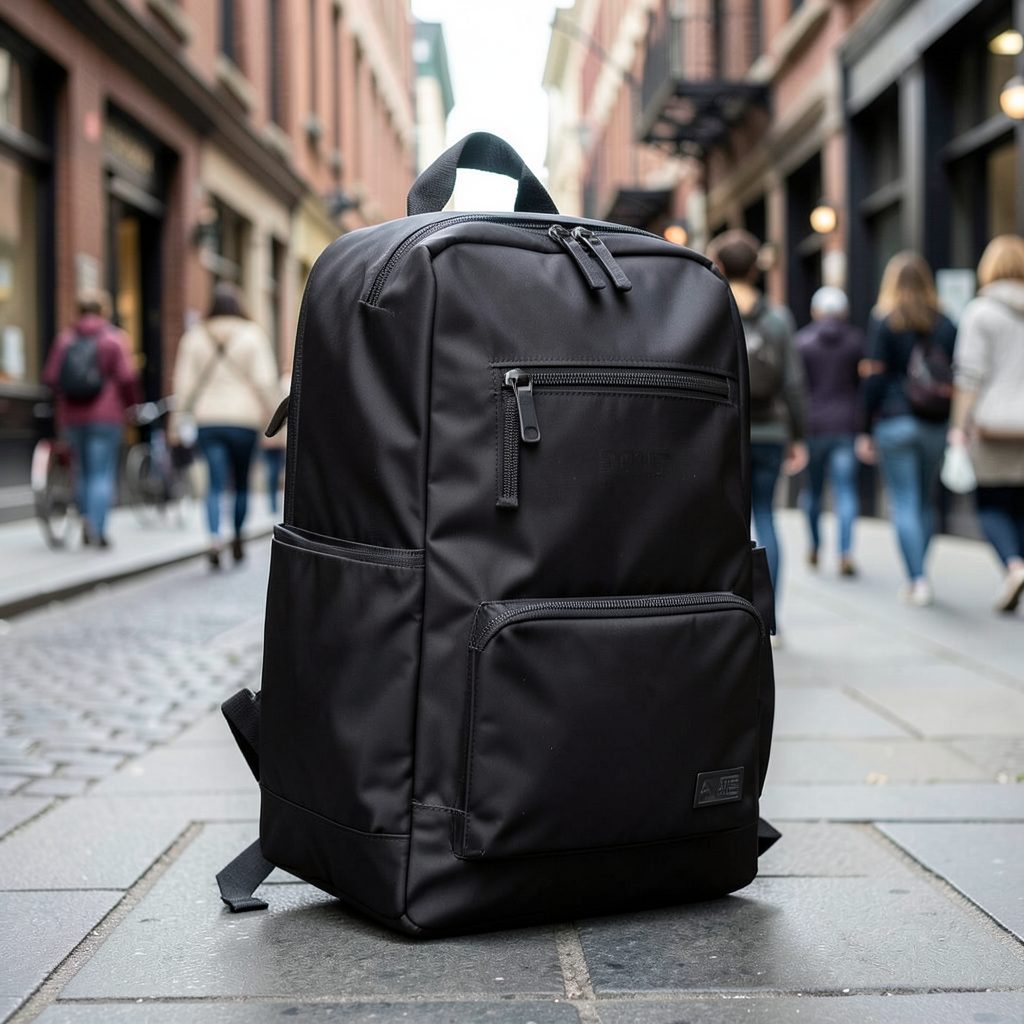
Australian buyers tend to lean toward earthy tones, but the safari palette is a bit different. Khaki, sand, and dusty olive blend into the bush and attract fewer tsetse flies, which are drawn to dark blue and black. A bag in a warm tan or muted terracotta also forgives red dust better than crisp white or pale grey, both of which are popular for brunch bags in Surry Hills but high-maintenance on a game drive.
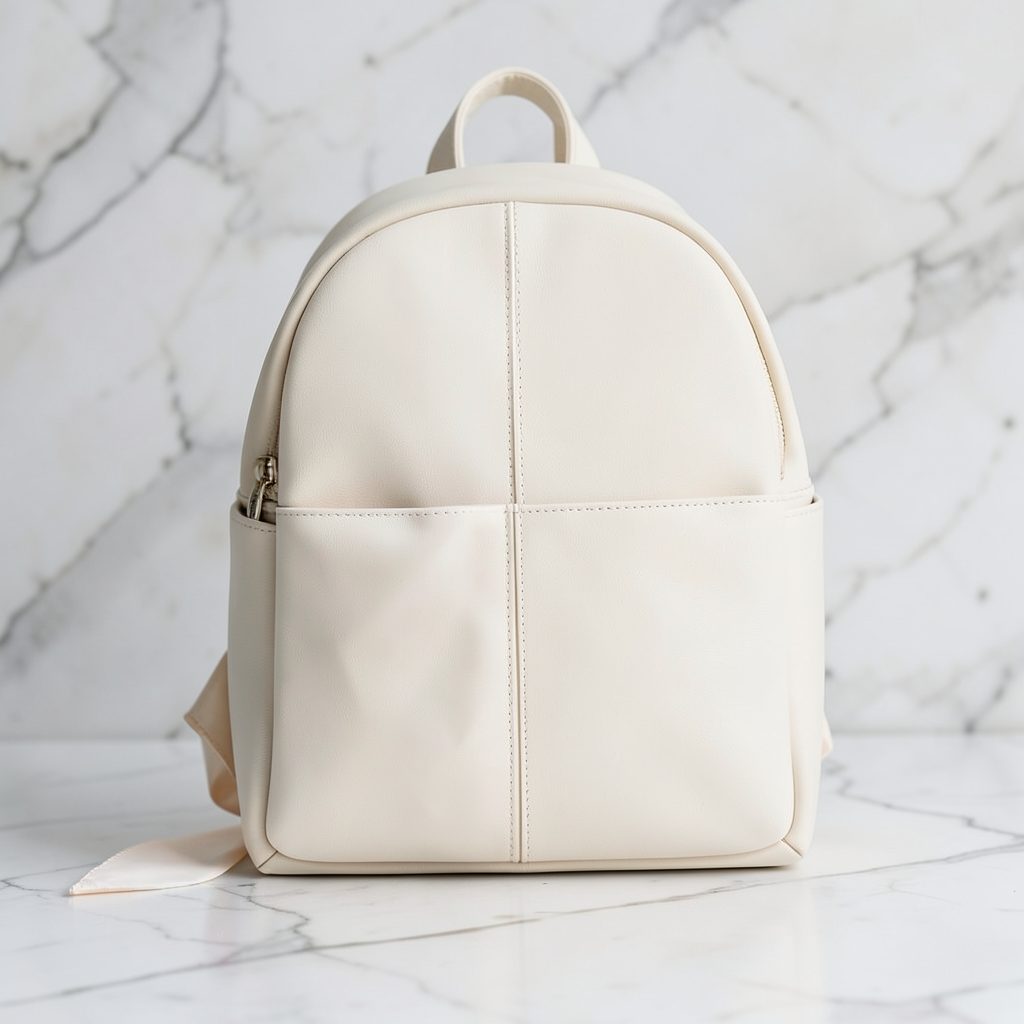
Heat is another factor. Dark vegan leather can feel warm against the hip during a midday transfer, while lighter colours reflect sunlight. If you are doing a shoulder-season trip in October or April, when the Serengeti or the Mara can hit the high 20s, a stone or bone-coloured bag keeps its cool. For the Australian summer, when you might be returning to a 38-degree day in Adelaide, the same light colour resists heat absorption in the back of a car.
A small note on Australian customs: when you return from a safari, the Department of Agriculture, Fisheries and Forestry requires that all footwear, tents, and outdoor gear be declared and inspected for biosecurity. A bag you used on a dirt road in Kruger will likely be brushed and possibly fumigated, so choose a colour that can take a wipe-down without fading. Bright stitching or contrast trim can also help you spot any hitchhiking seeds before the inspector does.
Care, Patches, and Long-Term Value
Vegan leather does not need the saddle-soap routine of traditional leather, but it benefits from a quick once-over after each trip. A microfibre cloth removes the fine red dust that settles into stitching, and a small amount of bio-conditioner keeps the surface supple. Avoid leaving the bag in a hot car, which is a real risk in places like Alice Springs or Broome, where interior temperatures can pass 60 degrees.
Small scuffs and scratches are part of a safari bag's life, and many plant-based materials develop a patina that looks better than the factory finish. If you want to keep the bag looking new, store it stuffed with acid-free tissue and away from direct sunlight. A dust bag, often included with a good vegan leather purchase, is worth using between trips.
For Australians who also travel frequently for work or weekend trips, a versatile bag that handles a Qantas lounge, a Melbourne tram, and a safari vehicle is rare. Many travellers start by looking at airport-friendly options to see how a tote performs in transit. If you are curious about that style, read about the top-zipper tote at the airport. The flat-open carry-on, however, gives you more room and more structure than a tote, and that matters once you leave the city behind.
Packing Checklist for the Flat-Open Safari Bag
- Passport, visa, and vaccination certificate in a slim zip pouch
- Mirrorless camera body plus two lenses in a padded sleeve
- Compact binoculars and a power bank in mesh pockets
- Universal adapter and a light rain shell in the back zone
Styling Notes for the Australian Traveller
- Pair a tan cactus-leather bag with linen shirts and chinos for the flight
- Match a recycled nylon option with technical outdoor wear for game drives
- Choose a bone-coloured bag if your trip includes a Cape Town extension
- Keep one strap clipped to a carabiner for quick shoulder carry on a boat crossing
A vegan leather bag that opens flat and easy earns its place on a safari because it respects the pace of the bush. You spend less time rummaging, more time watching elephants, and your gear stays cleaner in the process. When you get home to Sydney or Brisbane, the same bag slips into a café morning or a weekend at the beach without looking like it has been on a 24-hour journey. Browse the full range of carry-ons, totes, and travel companions at the Travel Starter Pack collection and pick the flat-open design that matches your itinerary. Order before your next long weekend, and you will have time to break it in on a local trip before the big African adventure.
Our Backpack Styles
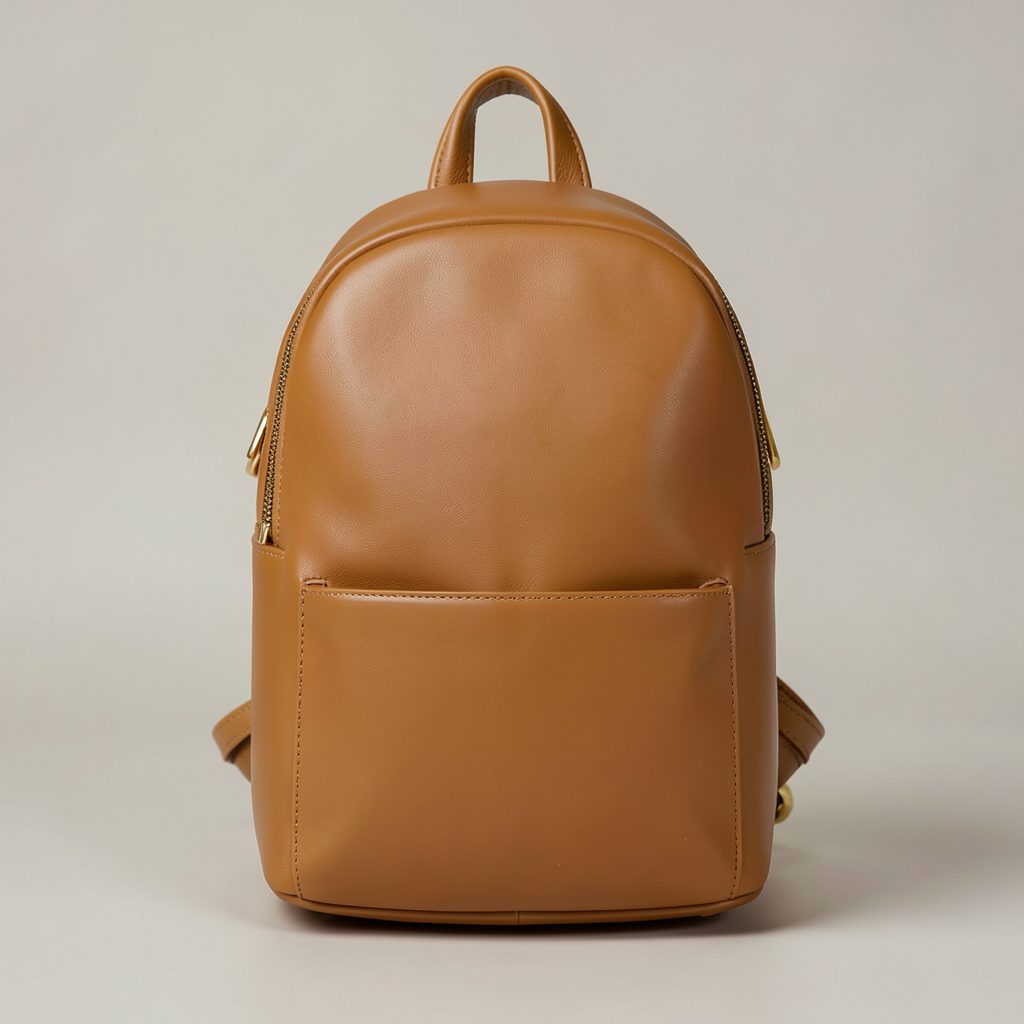
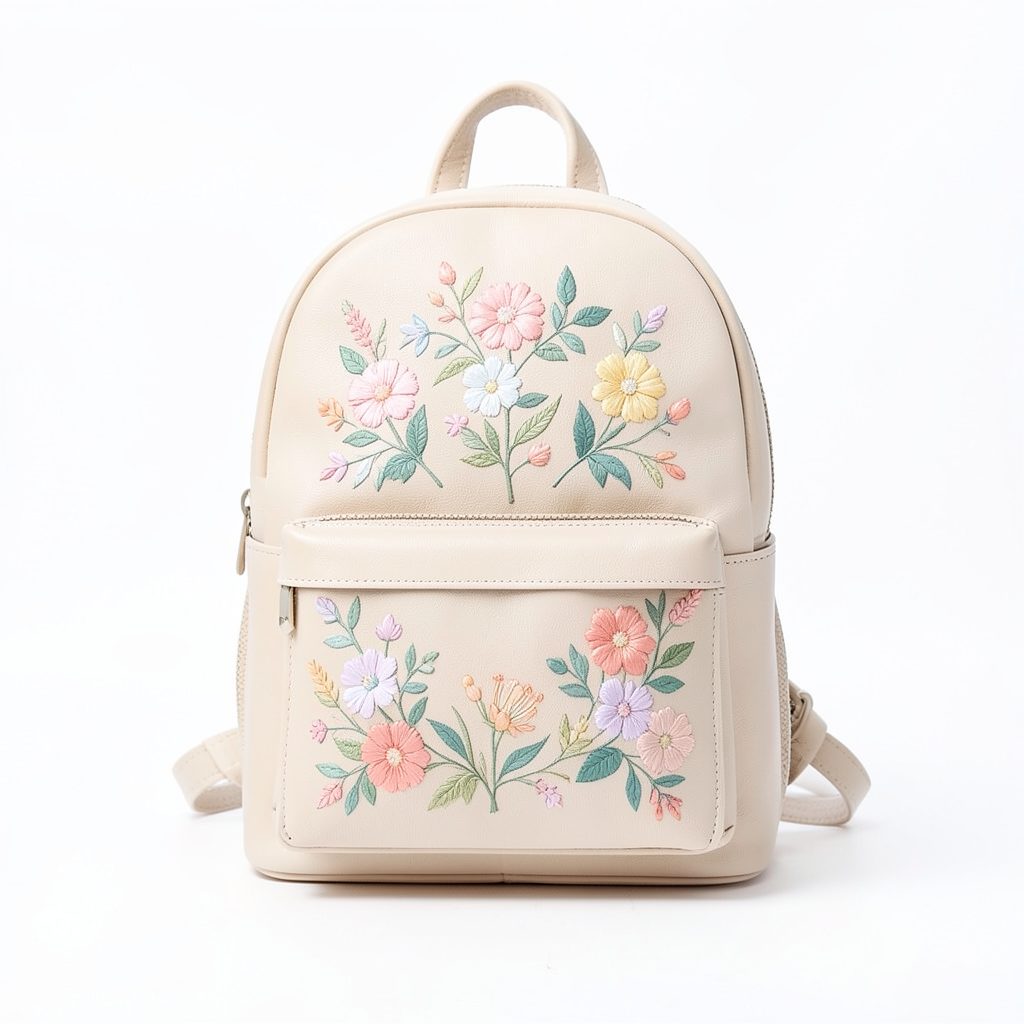
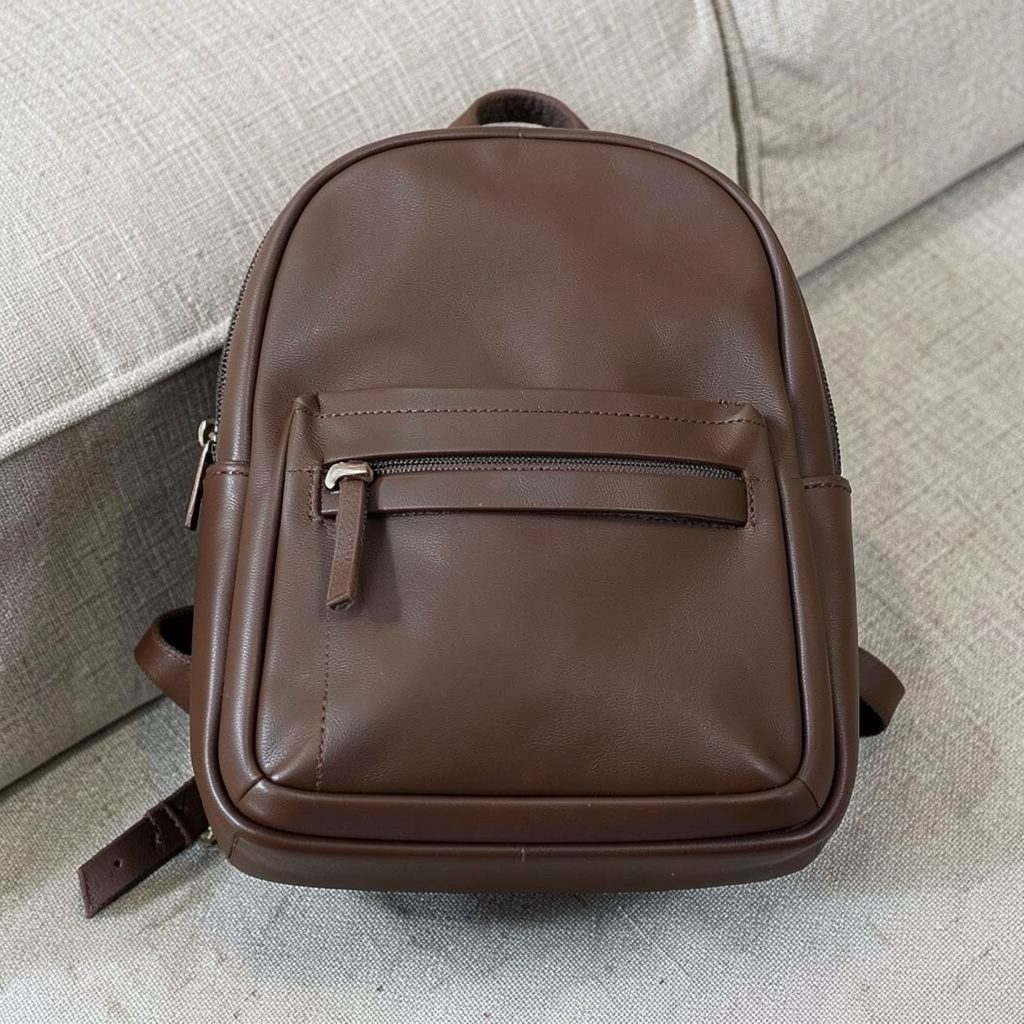
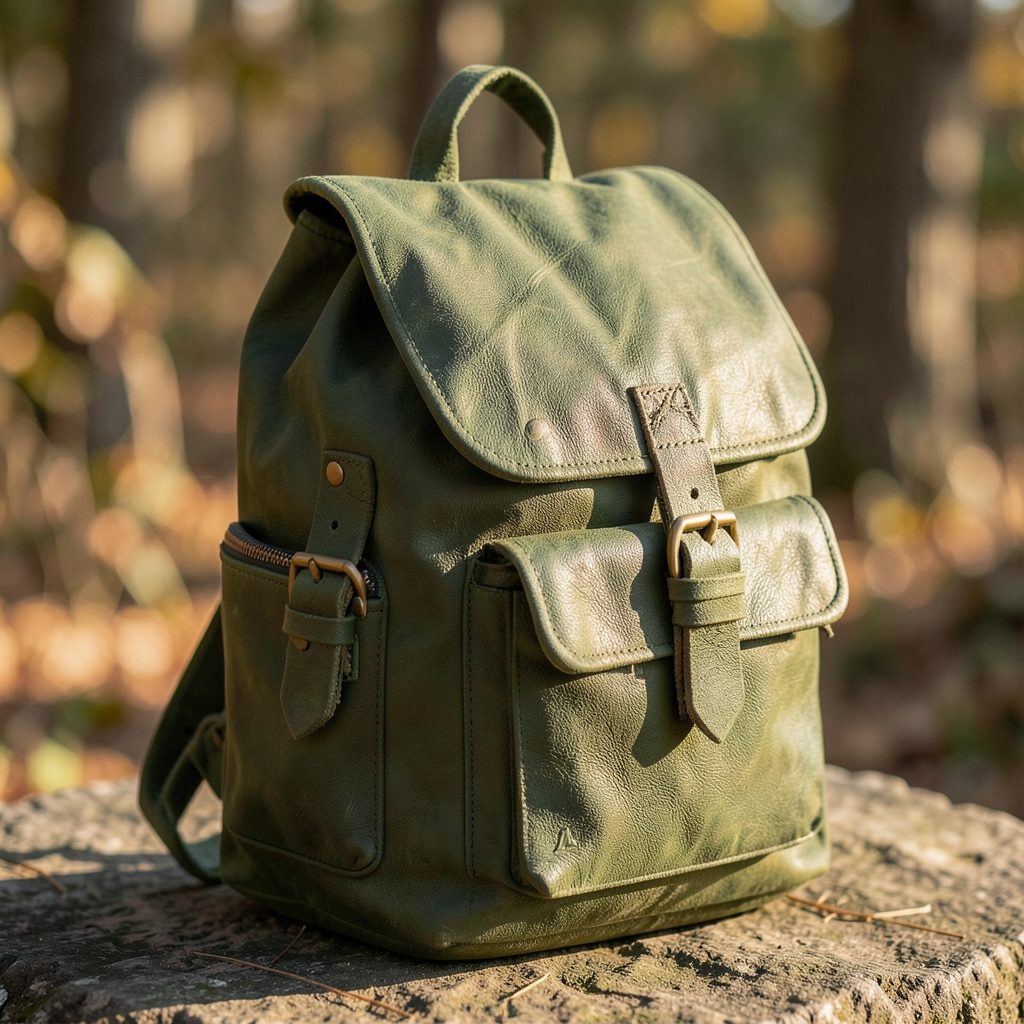
Every backpack is crafted from premium vegan leather with thoughtful details — multiple pockets, removable straps, and colors that work with any wardrobe. Browse the lineup below.