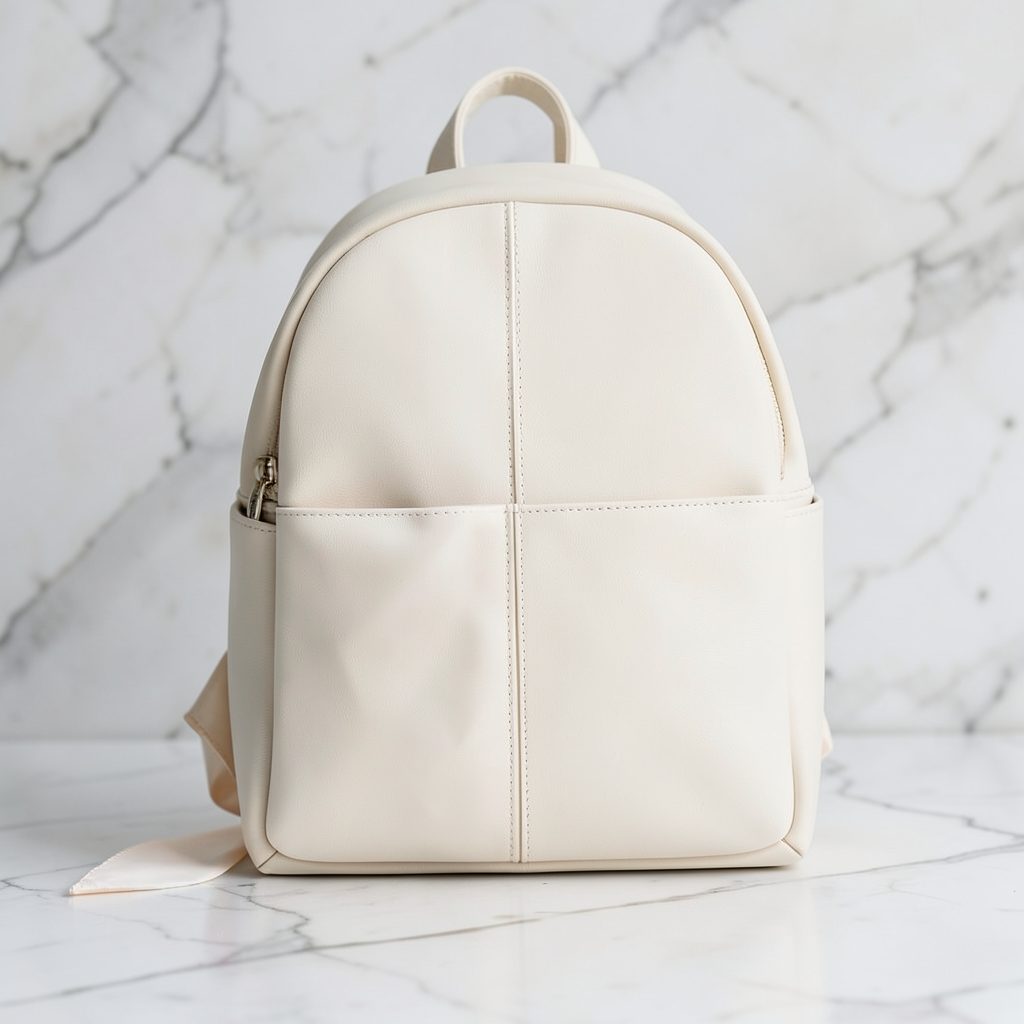
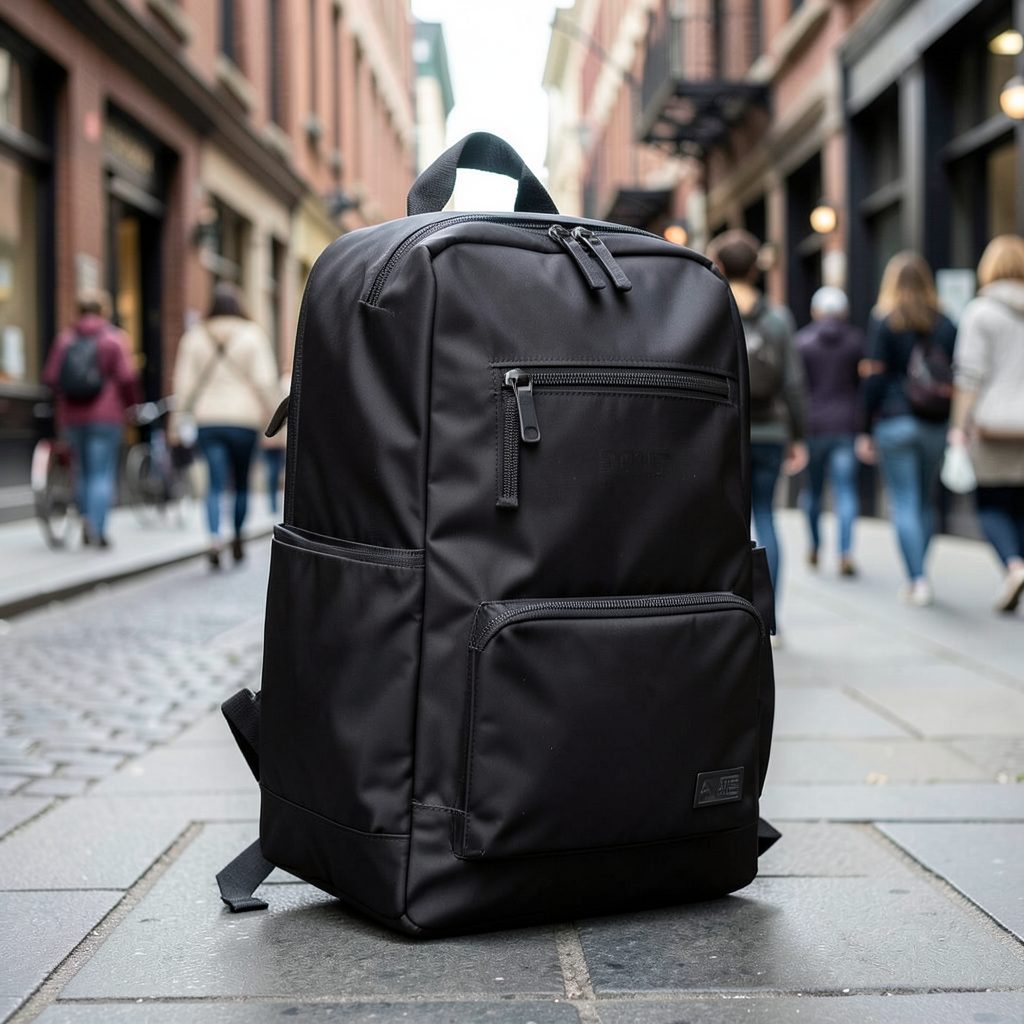
A vegan leather bag for Norway's ferry ports: traveller's companion
Norway's coastline is one of the longest in Europe, and getting around by ferry isn't just transport—it's part of the holiday. The Hurtigruten ships, the catamarans that skim along the fjords, and the smaller passenger boats that hop between island communities all ask the same thing of your luggage: it needs to be ready for spray, sudden weather changes, narrow cabin doors, and a lot of walking on wooden piers. A bag that feels like part of the journey rather than a chore to carry can quietly transform a five-hour crossing into one of the highlights of the trip.
For travellers weighing up a Norwegian coastal holiday while sitting in a Surry Hills café, or sketching an itinerary around a long weekend in Fremantle, the practical question often turns to material. Vegan leather, made from plant-based or recycled fibres rather than animal hide, has matured into a category that handles moisture, looks composed in a harbour-side restaurant, and stands up to being slung on a deck chair for hours. It's a sensible match for a country that takes both design and outdoor credibility seriously, and the same arguments apply once the bag comes home to Australia.
The right bag for this kind of trip also pays attention to the small details. A water bottle pocket that holds the bottle upright instead of letting it bounce against your hip. A zip that closes flat so the bag can sit on a narrow bunk. A strap that doesn't soak up salt air and start to smell after Bergen. Each of these tiny decisions adds up over a week of coastal travel, which is why a well-chosen vegan leather tote or backpack earns its place on the packing list long before the ship sails.
Setting the scene on Norway's coastal ferries
The ferry network along Norway's west coast links places that would otherwise require hours of driving through mountain tunnels. A typical route might start in Bergen, sail past the mouth of the Sognefjord, stop at Flåm, and continue on to Stavanger, with smaller vessels branching off toward Ålesund or the Geirangerfjord. Other lines run north to Trondheim and on to Tromsø, where the light in winter sits low and blue over the water for most of the day, and the northern lights occasionally flicker above the open deck.
Onboard, the rhythm is different from a plane or a train. There are long stretches of open deck, restaurants with panoramic windows, and lounges where locals in woollen jumpers sit reading paperbacks. Bags get stowed under seats or in overhead racks that are noticeably smaller than aeroplane bins. Shoes are usually removed at the cabin door, so whatever you carry needs to look reasonable standing on its own beside a bed or a narrow bench.
For Australian readers, the closest comparison is probably the Sydney Harbour ferries or the overnight Spirit of Tasmania crossing, but the scale is bigger and the weather shifts faster. A sunny departure from Bergen can turn into a grey, gusty afternoon in the Hjeltefjord within an hour, and the bag you brought needs to keep a passport, guidebook, layers, and a damp rain jacket organised without weighing you down between stops.
What makes vegan leather the right material
Vegan leather has come a long way from the stiff, plastic-looking versions of a decade ago. The better grades today are made from cork, cactus fibre, apple waste, recycled polyester, or plant-based polyurethane, and they carry a grain and suppleness that's hard to tell apart from quality hide at a glance. They are also typically lighter than real leather of the same thickness, which matters when you're walking up and down a gangway with a full day's kit on your shoulder.
On a Norwegian ferry, where humidity runs high and salt hangs in the air, vegan leather has practical advantages worth knowing. It doesn't absorb moisture the way untreated leather does, so a quick spray from a wave won't leave a water mark that lingers for the rest of the trip. It dries faster if it does get wet, and it can be wiped clean with a damp cloth when your hands are sandy from a stop on a shingle beach. None of that is true of an untreated leather bag.
There's an ethical layer to the choice too. Norway is one of Europe's most progressive countries on animal welfare, and Norwegian shoppers are quick to notice the difference. Travelling with a bag that aligns with the values of the place you're visiting tends to feel right, and many visitors find that the same bag slots neatly back into a more sustainable wardrobe at home, whether that means the daily walk through Brunswick or a coffee on Bondi before the ferry to work.
Matching bag styles to Norwegian ferry routes
Different itineraries ask different things of your bag. A day-hopping journey through the western fjords, with quick stops at small piers like Geiranger or Hellesylt, is friendlier to a compact crossbody that stays close to the body. A longer Hurtigruten-style voyage, where you might spend a full day at sea between ports, suits a roomy backpack that can hold layers, snacks, and a laptop for the lounge. A weekend island-hopping trip out of Stavanger works well with a soft tote that can flatten into a suitcase between rides.
Here's how the most common bag shapes stack up against Norwegian ferry travel:
| Bag Style | Best For | Strengths on the Coast | Limitations |
|---|---|---|---|
| Crossbody | Short port stops, walking tours | Hands-free, light, stays close in wind | Limited capacity for layers |
| Backpack | Multi-day cruises, hiking add-ons | Even weight distribution, large volume | Can look bulky in smarter restaurants |
| Tote | Day trips, shopping on shore | Open access, holds a water bottle and umbrella easily | Straps can slip off the shoulder in wind |
| Sling | Photography stops, harbour wandering | Quick camera access, very light | Not suited to formal dining on board |
A tote is often the underrated choice for this kind of trip. A well-cut vegan leather tote will sit upright in a ship's lounge, hold a refillable bottle, a folded umbrella, and a guidebook, and still look composed when you walk into a waterfront restaurant in Ålesund. If you are still narrowing your choices before booking, the guide to the top vegan leather totes for holding a water bottle and umbrella compares the styles best suited to long ferry days and helps you decide which shape suits your itinerary.
Practical packing tips for sea and port
Packing for Norway's coast is less about volume and more about layers and protection. A ferry cabin can feel warm while the open deck is cold, and weather between ports can shift quickly. Stavanger in shoulder season feels milder than its latitude suggests, while a January arrival in Tromsø can feel closer to a Hobart morning: short on daylight, heavy on layers. Your bag needs to keep the layers organised and the wet ones separate, so the rest of the holiday doesn't turn into a soggy scramble.
Items to keep within reach in the main compartment:
- A compact rain shell folded into its own pocket
- A soft scarf that doubles as a blanket on cooler decks
- A refillable water bottle, ideally in a side pocket that holds it upright
- A thin merino or thermal layer for evening outdoor viewing
Items to keep in an outside or quick-access pocket:
- The ship's daily schedule printed or downloaded
- A credit card and a small amount of Norwegian krone for harbour kiosks
- A reusable tote for any duty-free or local food shopping at the larger ports
- A simple power bank for phone navigation between stops
These small organisation habits are the same ones that work well on a long weekend in Cairns or a Melbourne coffee crawl, where weather can change between suburbs in a single morning. The point is to reach for what you need without unpacking the whole bag each time the ship docks or you swap between lounges and the open deck.
Caring for vegan leather in Norwegian weather
Norwegian weather is rarely extreme, but it is consistent. Light drizzle, sea spray, and morning condensation are all part of life on the coast, and they will find their way onto your bag. A weekly wipe with a soft, damp cloth is usually enough to keep vegan leather looking fresh, and a small amount of plant-based conditioner once a month helps prevent the surface from drying out in the heated cabins of older ships.
Salt is the main thing to watch. After a windy crossing on a smaller boat, like the express from Bergen to Ålesund, the bag may pick up a fine white dusting on the metal fittings. A quick wipe with fresh water and a dry cloth afterwards stops any corrosion and keeps the zips running smoothly. Avoid leaving the bag in direct sun on the upper deck, because just like in Perth or Brisbane summers, prolonged UV can fade pigment over time.
When storing the bag between trips, a breathable cotton dust bag is far better than a plastic cover. Plastic traps moisture, which can lead to mildew on both the bag and whatever wool or knitwear is sitting next to it in the suitcase. A cool, dry wardrobe in a temperate Australian home is the perfect off-season home for a vegan leather bag that has just come back from the North Sea.
Taking the coastal spirit back home
A Norwegian ferry journey quietly changes how you think about luggage. You stop wanting a bag that looks impressive only in a hotel lobby and start wanting one that handles a wooden pier in the rain, a four-hour stretch on a fjord, and a quiet dinner in a port town. Vegan leather answers that brief more often than not, and it travels well afterwards, whether that means the daily commute from Parramatta, a weekend on the Great Ocean Road, or the next long-haul flight.
For Australians planning their first coastal Norway trip, the practical starting point is simple: pick one versatile bag that will carry you through the longest ferry day, and let the rest of the wardrobe do the supporting work. A well-chosen vegan leather tote or backpack will earn its keep on the boat, on the pier, and back home, which is the only honest test any travel bag really has to pass.
Find the bag that will carry you across the fjords and well beyond. Explore the full collection of sustainable vegan leather backpacks, crossbodies, totes, and wallets at Travel Starter Pack and start packing for your next coastal adventure today.
Our Backpack Styles
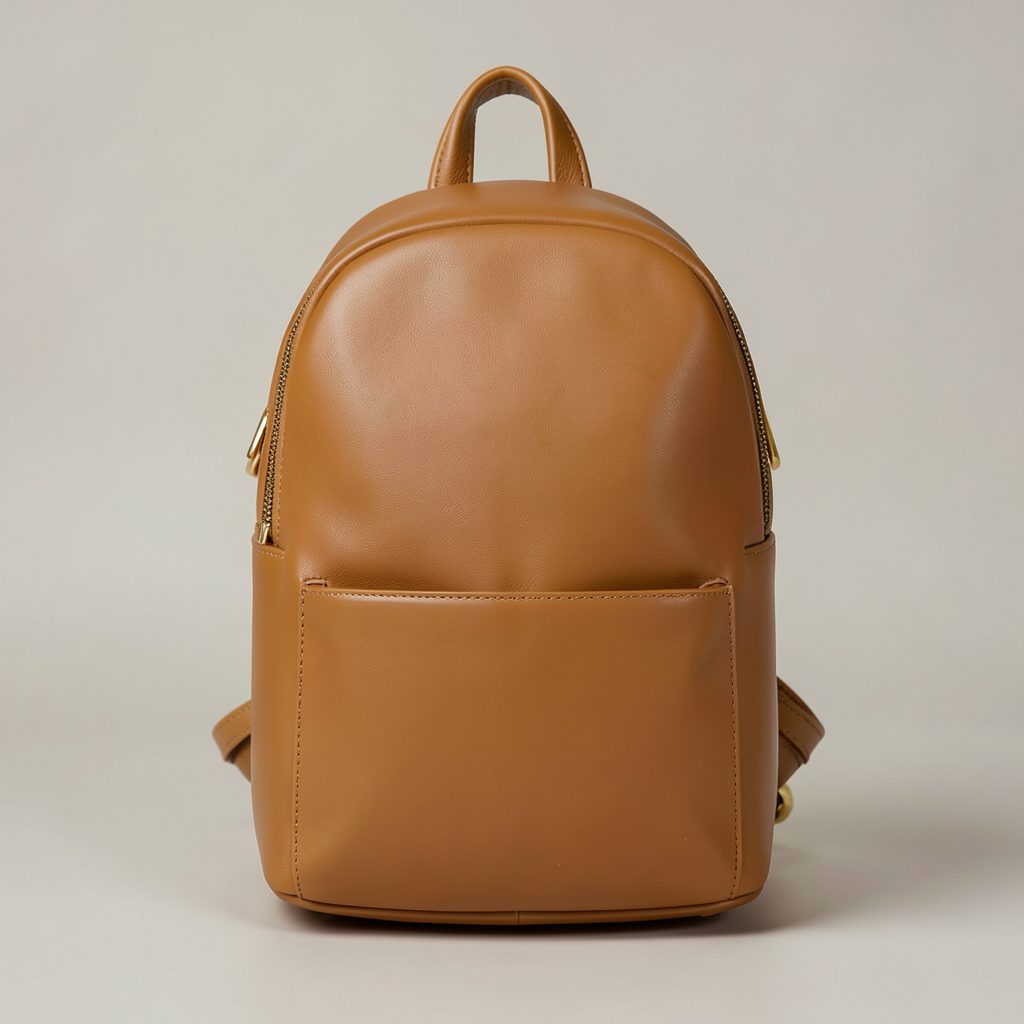
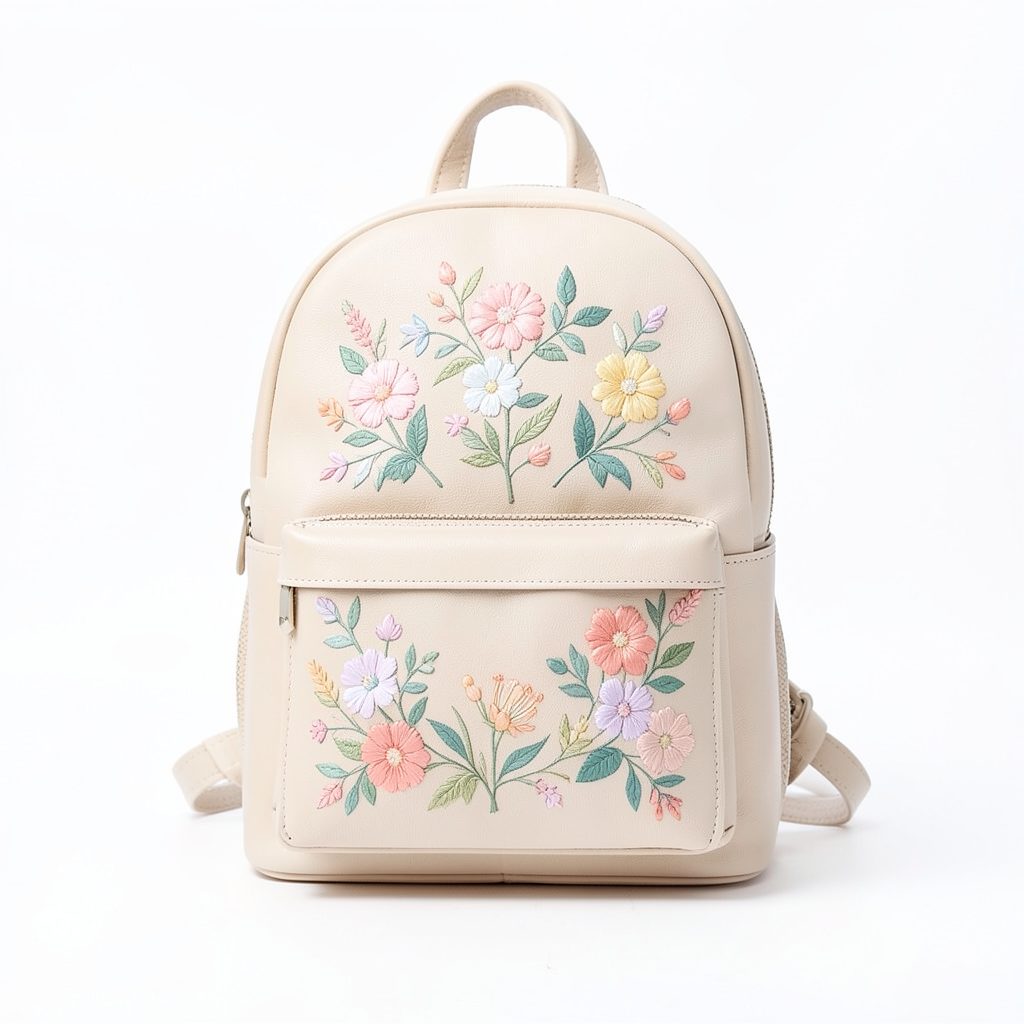
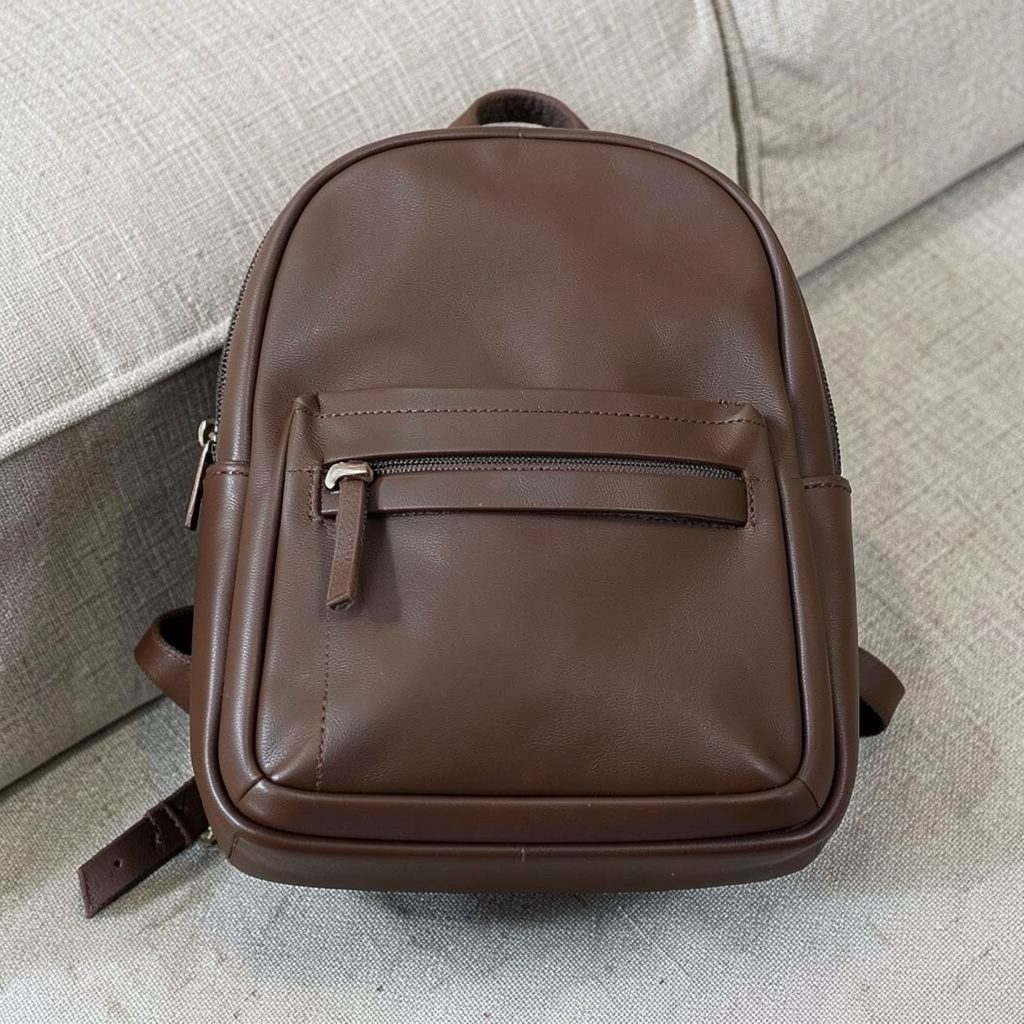
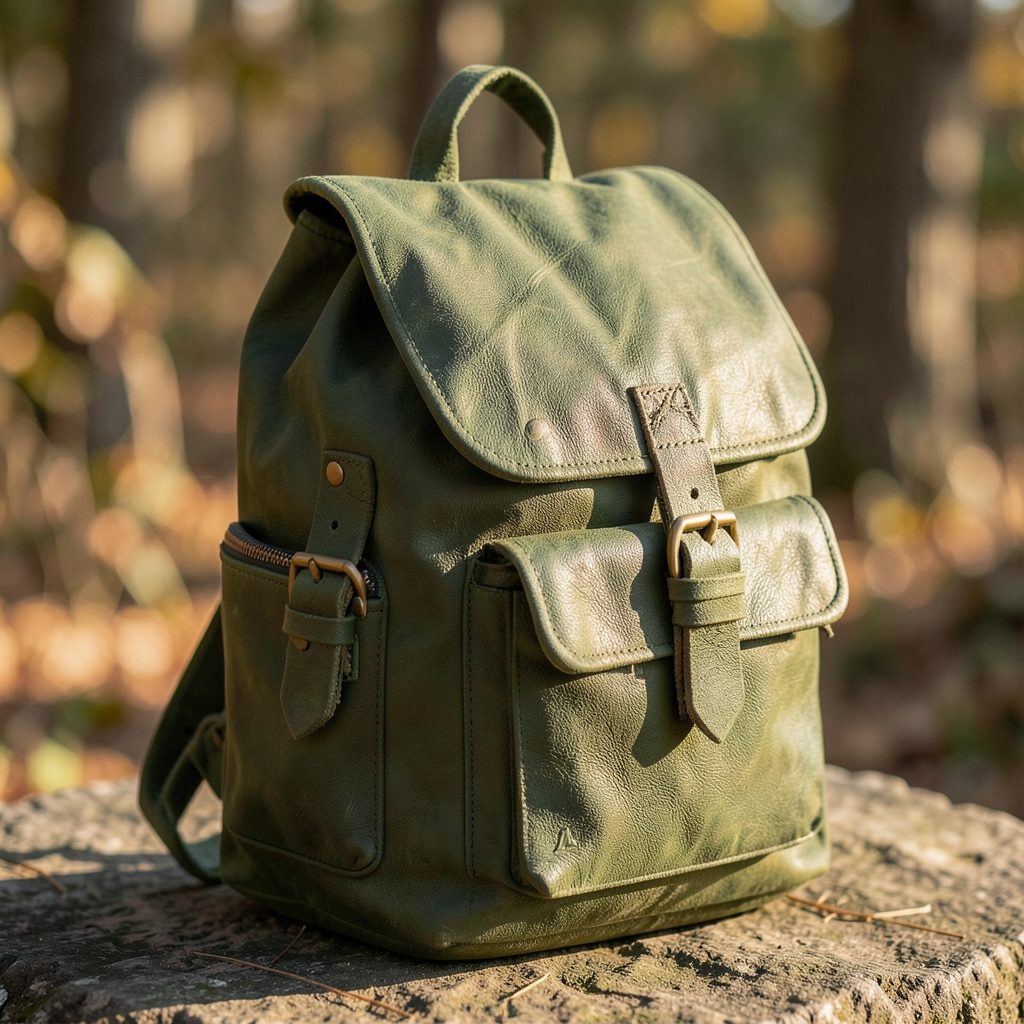
Every backpack is crafted from premium vegan leather with thoughtful details — multiple pockets, removable straps, and colors that work with any wardrobe. Browse the lineup below.